Navigating the Landscape of Energy Investments: A Comprehensive Guide
The global energy sector is undergoing a profound transformation, driven by the imperative for decarbonization, the pursuit of energy security, and rapid technological advancements. This paradigm shift presents a dynamic and complex landscape for investors, necessitating a nuanced understanding of various investment categories within energy. These categories span a spectrum from traditional fossil fuels to emerging renewable technologies, each with its unique risk-reward profiles, market drivers, and long-term outlooks. Understanding these distinctions is paramount for constructing a diversified and resilient investment portfolio tailored to meet specific financial objectives and sustainability mandates.
Fossil Fuels: A Continuing, Though Evolving, Investment Pillar
Despite the accelerating energy transition, fossil fuels – oil, natural gas, and coal – remain fundamental to the global energy mix, particularly in developing economies. Investments in this sector typically target exploration and production (E&P) companies, midstream infrastructure (pipelines, storage), and downstream refining and marketing operations. The appeal of fossil fuel investments often lies in their established infrastructure, consistent demand, and, at times, higher dividend yields. However, investors in this category must contend with significant risks, including price volatility influenced by geopolitical events and global supply-demand imbalances, increasing regulatory scrutiny, and the long-term threat of stranded assets as cleaner alternatives gain traction. The discourse surrounding fossil fuels is no longer solely about extraction but also about efficiency improvements, carbon capture technologies, and potential integration into a lower-carbon future, presenting new avenues and challenges for investment within this traditionally dominant sector. Companies focused on natural gas, often positioned as a transitional fuel, may offer a more resilient investment thesis compared to coal, given its lower emissions profile. The strategic allocation to fossil fuels today requires a deep dive into individual company strategies for decarbonization and adaptation, rather than a blanket approach to the sector.
Renewable Energy: The Engine of Decarbonization
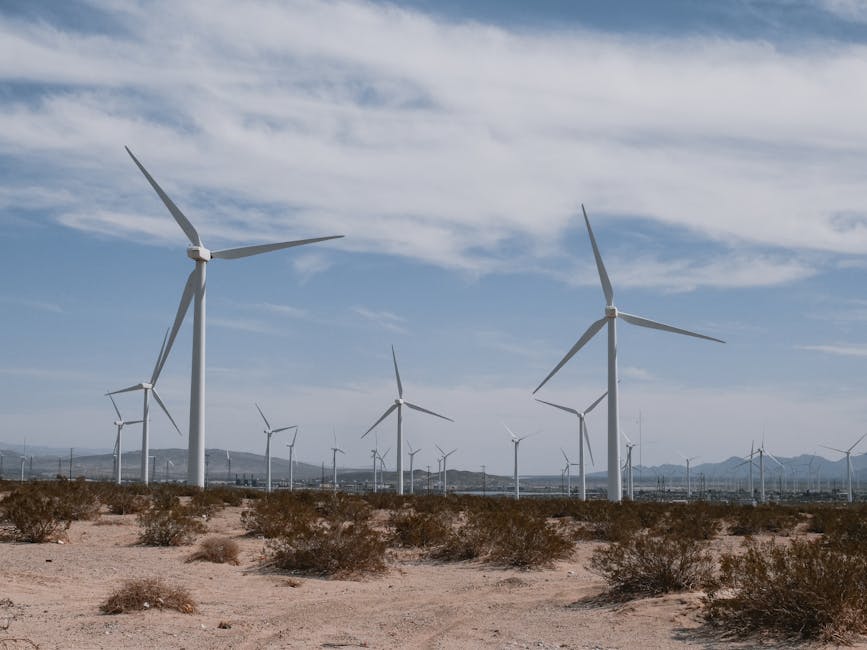
The renewable energy sector is experiencing unprecedented growth, fueled by supportive government policies, declining technology costs, and rising consumer and corporate demand for clean power. Key investment categories within renewables include solar (photovoltaic and thermal), wind (onshore and offshore), hydropower, geothermal, and biomass. Investment vehicles range from direct equity stakes in renewable energy project developers and operators to investments in manufacturers of solar panels, wind turbines, and battery storage systems. The growth trajectory for renewables is projected to continue its upward trend, driven by ambitious climate targets and the increasing economic competitiveness of these technologies. However, investors must also consider the unique challenges within renewables, such as intermittency (requiring robust grid infrastructure and storage solutions), land-use considerations, supply chain dependencies for critical minerals, and evolving regulatory frameworks. The sheer pace of innovation, particularly in areas like advanced solar cell technology and offshore wind turbine efficiency, creates both opportunities for early movers and risks of obsolescence for older technologies. Furthermore, the development of green hydrogen, produced through electrolysis powered by renewables, is emerging as a significant future investment frontier, promising to decarbonize hard-to-abate sectors.
Nuclear Energy: A Low-Carbon Powerhouse with Complexities
Nuclear energy represents a significant, though often debated, component of low-carbon energy generation. Investments in this sector primarily focus on the development, construction, and operation of nuclear power plants, as well as companies involved in fuel processing, waste management, and advanced reactor technologies. Nuclear power offers a consistent, baseload electricity supply with a negligible carbon footprint during operation, making it an attractive option for countries seeking to achieve ambitious decarbonization goals without compromising grid stability. However, investments in nuclear energy are characterized by substantial upfront capital costs, long project development timelines, stringent regulatory hurdles, and public perception challenges related to safety and waste disposal. The rise of small modular reactors (SMRs) offers a potential pathway to reduce costs and deployment times, opening new investment possibilities. Despite these complexities, the ongoing need for reliable, low-carbon electricity sources continues to draw investor attention to the nuclear sector, particularly in regions actively pursuing energy independence and carbon reduction targets. Understanding the political and regulatory landscape surrounding nuclear power is as crucial as evaluating the technological merits of specific projects.
Energy Storage: Enabling the Renewable Revolution
Energy storage is a critical enabler of the renewable energy transition, addressing the intermittency of solar and wind power. Investments in this domain span a variety of technologies, including lithium-ion batteries, flow batteries, pumped hydro storage, and emerging solutions like compressed air energy storage and thermal energy storage. Beyond grid-scale applications, energy storage is also vital for electric vehicles (EVs), portable electronics, and backup power solutions for businesses and homes. The market for energy storage is projected for explosive growth, driven by the proliferation of renewables and the electrification of transportation. Investment opportunities exist in battery manufacturers, storage system integrators, software providers for grid management, and companies involved in the extraction and recycling of battery materials. However, investors need to monitor rapid technological advancements, potential material shortages, and evolving regulatory incentives that shape the economic viability of different storage solutions. The integration of storage with renewable generation assets is a key trend, creating project-level investment opportunities and the need for sophisticated financial modeling to capture value.
Energy Infrastructure: The Backbone of the System
Energy infrastructure encompasses the physical assets required to generate, transmit, store, and distribute energy. This broad category includes power grids, transmission lines, pipelines for oil and gas, storage terminals, and charging infrastructure for electric vehicles. Investments in energy infrastructure are often characterized by long-term, stable cash flows, driven by regulated returns and essential service provision. However, the sector also faces significant transition risks as the energy mix shifts. Investments in modernizing aging grids to accommodate distributed renewable generation, expanding transmission capacity to connect remote renewable sources to demand centers, and developing EV charging networks are key areas of focus. Companies in this sector may also face pressure to divest from or adapt fossil fuel-dependent infrastructure. The privatization of infrastructure assets and the emergence of specialized infrastructure funds offer various entry points for investors. The long-term nature of these investments requires a thorough understanding of regulatory environments and the potential for technological disruption.
Hydrogen: A Future Fuel with Growing Investment Momentum
Hydrogen, particularly green hydrogen produced from renewable electricity, is gaining significant traction as a potential decarbonization solution for hard-to-abate sectors such as heavy industry, transportation (shipping, aviation), and long-duration energy storage. Investments in the hydrogen economy are multifaceted, encompassing the production of electrolyzers and fuel cells, the development of hydrogen production facilities, the construction of hydrogen transportation and storage infrastructure, and the creation of end-use applications. While the potential is vast, the hydrogen sector is still in its nascent stages of commercialization. Investors must assess technological maturity, the cost competitiveness of different production methods (green, blue, grey hydrogen), the development of supportive policies and regulations, and the scaling of infrastructure. Companies at the forefront of electrolyzer technology and those developing integrated hydrogen production and distribution hubs represent attractive investment opportunities. The significant capital investment required for infrastructure development means that partnerships and government support are crucial for scaling this promising energy vector.
Energy Efficiency and Demand-Side Management: Undersung Heroes
While often overlooked, investments in energy efficiency and demand-side management offer substantial economic and environmental benefits. This category includes technologies and services that reduce energy consumption, such as smart thermostats, LED lighting, building insulation, industrial process optimization, and advanced metering infrastructure. Demand-side management involves strategies and technologies that shift energy consumption away from peak demand periods, thereby reducing strain on the grid and lowering overall costs. Investments can be made in companies developing these technologies, providing energy efficiency services, or implementing demand response programs. The appeal of these investments lies in their direct impact on reducing energy bills and their relatively shorter payback periods compared to large-scale generation projects. Furthermore, regulatory mandates and corporate sustainability goals are increasingly driving demand for energy efficiency solutions. This sector offers a tangible way for investors to contribute to decarbonization while seeking stable returns.
Critical Minerals and Supply Chains: The Foundation of the Transition
The transition to cleaner energy sources is heavily reliant on a secure and sustainable supply of critical minerals, such as lithium, cobalt, nickel, copper, and rare earth elements, essential for batteries, wind turbines, and solar panels. Investments in this category can target mining companies, companies involved in the processing and refining of these minerals, and those developing innovative recycling technologies to create a circular economy. The geographic concentration of some of these resources, geopolitical risks, and environmental concerns associated with extraction present significant challenges. Investors must carefully evaluate resource reserves, extraction technologies, environmental, social, and governance (ESG) practices of mining companies, and the evolving landscape of material substitution and recycling. Investing in the downstream processing and recycling of critical minerals offers a pathway to capture value while mitigating some of the risks associated with primary extraction and addressing the growing imperative for supply chain resilience.
Conclusion
The energy investment landscape is a dynamic ecosystem requiring ongoing analysis and adaptation. A strategic approach involves not only understanding the individual characteristics of each category but also recognizing the interconnectedness and synergies between them. The future of energy is undeniably cleaner and more decentralized, but the transition will be characterized by a diversified energy mix for the foreseeable future. Investors who proactively identify and allocate capital to the most promising segments within this evolving sector, while diligently managing associated risks, will be best positioned to capitalize on the transformative opportunities ahead. Diversification across traditional and emerging energy sources, coupled with a keen eye on technological advancements and policy shifts, is the cornerstone of a successful energy investment strategy in the 21st century.
