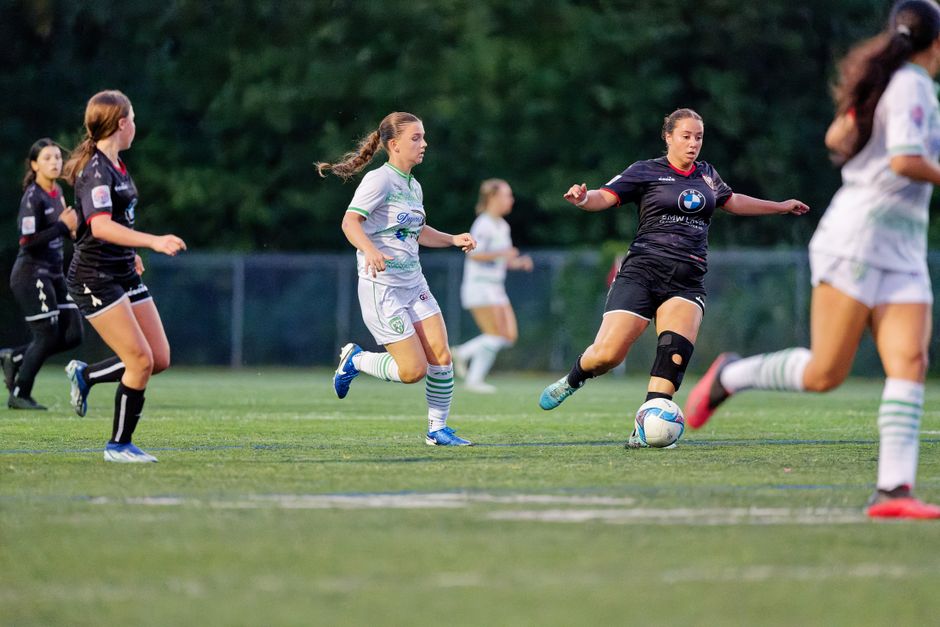
Women’s Soccer: A Comprehensive Guide to the Global Game
The evolution of women’s soccer from its nascent stages to its current status as a globally recognized and increasingly professional sport is a testament to unwavering dedication, groundbreaking advocacy, and the sheer talent of its athletes. This article delves into the multifaceted world of women’s soccer, exploring its history, the current landscape of professional leagues and international competitions, key players and teams, the challenges it faces, and its profound social and cultural impact. Understanding women’s soccer requires appreciating its journey, the strategic nuances of the game, and the immense potential it holds for future growth and development.
The historical trajectory of women’s soccer is marked by periods of immense popularity followed by suppression and resurgence. Early forms of the sport were played in the late 19th and early 20th centuries, with the first recorded international match taking place in 1895 between England and Ireland. During World War I, women’s teams gained significant traction, with matches often drawing large crowds, notably the Dick, Kerr Ladies team in England, which played to packed stadiums and raised substantial funds for war charities. However, this burgeoning popularity was met with resistance. In 1921, the Football Association (FA) in England banned women from playing on affiliated grounds, a ban that lasted for 50 years. Similar restrictions and a general societal discouragement of women’s involvement in physically demanding sports stifled growth in many countries. The turning point arrived in the latter half of the 20th century. In the 1970s, national federations began to re-establish women’s competitions, and FIFA, the international governing body of football, formally recognized women’s football in 1988, paving the way for the inaugural FIFA Women’s World Cup in 1991. This event was a monumental step, providing a global platform for female athletes and capturing the attention of a wider audience. The subsequent World Cups have seen exponential growth in viewership, participation, and professionalization, transforming women’s soccer into the dynamic sport it is today.
The contemporary landscape of women’s soccer is characterized by increasingly sophisticated professional leagues and highly anticipated international tournaments. Major professional leagues operate across North America, Europe, and beyond, offering competitive environments for elite players. In the United States, the National Women’s Soccer League (NWSL) has established itself as a premier destination, attracting top talent from around the globe and boasting significant fan engagement. European leagues like the FA Women’s Super League (WSL) in England, France’s Division 1 Féminine, Germany’s Frauen-Bundesliga, and Spain’s Liga F have witnessed substantial investment and a rise in the quality of play, often featuring clubs with strong ties to established men’s professional organizations. These leagues are crucial for player development, providing consistent competition and opportunities for professional careers. Beyond club level, international competitions are the pinnacle of women’s soccer. The FIFA Women’s World Cup, held every four years, is the most prestigious tournament, pitting national teams against each other in a fiercely contested battle for global supremacy. The tournament’s evolution is evident in the increasing number of participating nations, the growing tactical sophistication, and the emergence of new contenders. Continental championships, such as the UEFA Women’s Championship (Euros), the CONCACAF W Championship, and the Copa América Femenina, also play a vital role in regional development and qualification for the World Cup, fostering intense rivalries and showcasing regional talent.
The sport’s appeal is amplified by a roster of extraordinary athletes and dominant national teams. Icons like Marta Vieira da Silva (Brazil), a record six-time FIFA World Player of the Year, Megan Rapinoe (USA), a prominent advocate for gender equality and a World Cup winner, and Alexia Putellas (Spain), a two-time Ballon d’Or Féminin winner, have transcended the sport to become global role models. These players, along with a vast array of other talented individuals, exhibit exceptional skill, athleticism, and tactical acumen. On the international stage, historically strong nations like the United States, Germany, and Norway have consistently performed at the highest level. However, recent tournaments have seen the rise of new powerhouses, including England, Spain, France, and the Netherlands, indicating a broader distribution of talent and a more competitive global landscape. The emergence of these new contenders signifies the sport’s growing depth and the success of investment in player development programs across various nations.
Despite its remarkable progress, women’s soccer continues to grapple with persistent challenges, primarily centered around funding, media coverage, and gender equality. The disparity in investment between men’s and women’s professional soccer remains significant. Prize money in tournaments, player salaries, and club budgets for women’s teams often lag far behind their male counterparts. This financial imbalance directly impacts player welfare, career longevity, and the overall infrastructure of the sport. Attracting comparable media attention and sponsorship deals is another critical hurdle. While media coverage has improved dramatically, particularly around major tournaments, consistent and in-depth reporting on domestic leagues and ongoing narratives in women’s soccer remains an aspiration. Bridging this gap is essential for increasing visibility, attracting commercial partners, and ultimately driving revenue streams that can further professionalize the sport. Addressing gender inequality also extends to the coaching ranks, administrative positions, and policy-making bodies within football organizations, ensuring that women have equal opportunities for leadership and influence.
The social and cultural impact of women’s soccer is profound and far-reaching. The sport serves as a powerful vehicle for promoting gender equality and challenging societal norms. Female athletes, by excelling in a historically male-dominated arena, provide tangible evidence of women’s capabilities and athletic prowess, inspiring young girls to pursue their sporting ambitions without limitation. The visibility of women’s soccer has a ripple effect, encouraging greater participation in grassroots sports, fostering a sense of community, and promoting healthy lifestyles among women and girls. Furthermore, many prominent female footballers have become influential voices for social justice, using their platforms to advocate for equal pay, gender rights, and other important causes, thereby extending their impact beyond the confines of the pitch. The narratives of resilience, dedication, and triumph woven by these athletes resonate deeply, creating relatable role models and fostering a sense of empowerment for audiences worldwide. The growing support for women’s soccer also reflects a broader societal shift towards valuing and celebrating women’s achievements across all fields.
The tactical and technical aspects of women’s soccer are as intricate and engaging as those found in the men’s game, though often with distinct nuances. While the fundamental principles of formations, passing, movement, and pressing remain universal, the style of play can vary. Historically, some observers noted a tendency towards more possession-based football and a focus on technical ability in women’s games, potentially influenced by player development pathways. However, as athleticism and tactical understanding have increased across the board, the game has become more dynamic, with a greater emphasis on physicality, high-pressing strategies, and quick transitions. Coaches in women’s soccer employ a diverse range of tactical approaches, from organized defensive structures and counter-attacking strategies to intricate build-up play and aggressive offensive systems. The effectiveness of these tactics is dependent on the strengths of individual players and the cohesive understanding of the team. Analyzing formations such as the 4-3-3, 4-2-3-1, or 3-5-2, and understanding how teams exploit space, create overloads, and defend against different attacking threats, offers a rich avenue for appreciating the strategic depth of the sport. The growth in data analytics and sports science is also increasingly influencing tactical development, allowing for more personalized training regimes and data-driven game strategies.
Looking ahead, the future of women’s soccer appears exceptionally bright, driven by continued investment, enhanced professionalization, and growing global interest. The expansion of professional leagues, the establishment of robust youth development academies, and increased collaboration between men’s and women’s clubs are vital for sustaining momentum. FIFA’s commitment to growing the women’s game, including increased prize money and support for national federations, is a significant positive indicator. The potential for further commercialization, through lucrative sponsorship deals and broadcast rights, will be crucial for ensuring financial sustainability and elevating the sport to new heights. Greater media engagement, including consistent television coverage of domestic leagues and in-depth storytelling, will continue to build the fanbase and attract new audiences. The ongoing efforts to close the gender pay gap and ensure equitable opportunities within the sport will remain a critical focus, reflecting a commitment to fairness and long-term sustainability. The international calendar, with its well-established World Cup and continental championships, alongside the increasing number of high-profile friendlies and invitational tournaments, will provide a consistent platform for competition and fan engagement. The ultimate goal is a fully professionalized ecosystem where female athletes can earn a sustainable living from their talent, further enhancing the sport’s attractiveness and ensuring a continuous pipeline of elite talent for generations to come. The continued rise of women’s soccer is not just about the sport itself; it’s a powerful narrative of progress, empowerment, and the unwavering pursuit of equality.
