Climate Science: Understanding Earth’s Changing Systems
Climate science is a multidisciplinary field dedicated to understanding the Earth’s climate system, its past, present, and future variations, and the factors influencing these changes. It integrates knowledge from atmospheric physics, oceanography, glaciology, hydrology, geology, biology, and even social sciences to build a comprehensive picture of Earth’s climate. At its core, climate science seeks to explain why Earth’s climate has changed throughout geological history and, critically, to assess the extent to which human activities are currently altering it and the potential consequences. This understanding is crucial for developing informed strategies to mitigate and adapt to a changing climate.
The Earth’s climate is not a static entity; it is a dynamic and complex system driven by an intricate interplay of various components. The atmosphere, oceans, cryosphere (ice and snow), biosphere (living organisms), and lithosphere (Earth’s solid outer shell) all interact in ways that determine long-term weather patterns and climate. Solar radiation is the primary energy source for the climate system. This incoming solar energy is absorbed, reflected, and radiated back into space, with a delicate balance maintaining Earth’s average temperature. However, this balance is influenced by a multitude of natural and anthropogenic factors. Natural drivers of climate change have historically included variations in Earth’s orbit (Milankovitch cycles), volcanic eruptions, changes in solar output, and shifts in ocean currents. For instance, Milankovitch cycles, which describe long-term changes in Earth’s axial tilt, eccentricity, and precession, have been linked to the waxing and waning of ice ages over hundreds of thousands of years. Volcanic eruptions can inject aerosols into the stratosphere, temporarily cooling the planet by reflecting solar radiation.
Human activities have become a dominant force in contemporary climate change, particularly since the Industrial Revolution. The burning of fossil fuels (coal, oil, and natural gas) for energy, transportation, and industry releases vast quantities of greenhouse gases (GHGs) into the atmosphere. The most significant of these GHGs are carbon dioxide (CO2), methane (CH4), nitrous oxide (N2O), and fluorinated gases. These gases possess a unique property: they allow visible sunlight to pass through them but absorb and re-emit infrared radiation (heat) that is radiated from the Earth’s surface. This process, known as the greenhouse effect, is natural and essential for maintaining a habitable planet. Without it, Earth would be too cold to support life as we know it. However, by increasing the concentration of GHGs in the atmosphere, human activities are enhancing the natural greenhouse effect, leading to a net warming of the planet. This enhanced greenhouse effect is the primary driver of observed global warming.
The concentration of CO2 in the atmosphere has risen dramatically since pre-industrial times, from approximately 280 parts per million (ppm) to over 420 ppm today. This increase is directly attributable to the combustion of fossil fuels, deforestation, and land-use changes. Deforestation, for example, reduces the Earth’s capacity to absorb CO2 through photosynthesis, while land-use changes can release stored carbon from soils. Methane is another potent GHG, with a warming potential far greater than CO2 over shorter timescales. Major sources of anthropogenic methane include livestock farming, natural gas production and distribution, and landfills. Nitrous oxide is primarily emitted from agricultural activities (fertilizer use) and industrial processes. Fluorinated gases, while present in smaller concentrations, are extremely long-lived and have very high global warming potentials.
The observed warming trend is unequivocal and has been documented by numerous independent scientific studies and international assessments. Global average surface temperatures have risen by approximately 1.1 degrees Celsius (2 degrees Fahrenheit) since the late 19th century. This warming is not uniform across the globe, with polar regions experiencing warming at a rate significantly faster than the global average. This amplified Arctic warming, for instance, is linked to feedback mechanisms such as the ice-albedo feedback, where melting ice exposes darker land or ocean surfaces that absorb more solar radiation, leading to further warming and melting. The warming trend is further evidenced by changes in other climate indicators, including rising sea levels, shrinking glaciers and ice sheets, more frequent and intense heatwaves, changes in precipitation patterns, and ocean acidification.
Sea-level rise is a direct consequence of global warming. Two main factors contribute to this: thermal expansion of seawater and the melting of land-based ice. As ocean water warms, it expands in volume, contributing to higher sea levels. Additionally, the melting of glaciers and ice sheets in Greenland and Antarctica adds vast quantities of water to the oceans. Since the early 20th century, global mean sea level has risen by about 20 centimeters (8 inches), and the rate of rise has accelerated in recent decades. This poses significant risks to coastal communities, ecosystems, and infrastructure, including increased coastal flooding, erosion, and saltwater intrusion into freshwater resources.
The cryosphere, encompassing glaciers, ice sheets, snow cover, and sea ice, is highly sensitive to changes in temperature. Glaciers worldwide are retreating at an unprecedented rate, impacting freshwater availability for millions of people. The vast ice sheets of Greenland and Antarctica are losing mass, contributing significantly to sea-level rise. Declining Arctic sea ice extent and thickness are also critical indicators of climate change, with profound implications for Arctic ecosystems, indigenous communities, and global weather patterns. The reduction in sea ice also contributes to the ice-albedo feedback loop, accelerating warming.
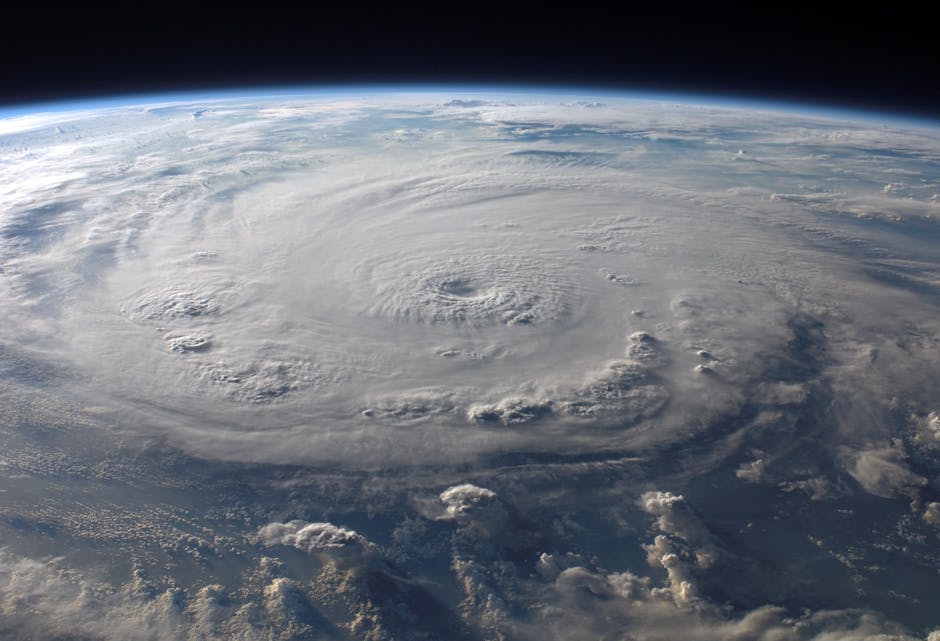
Precipitation patterns are also being altered by climate change. While some regions are experiencing increased rainfall and a greater risk of flooding, others are facing more prolonged and intense droughts. Extreme weather events, such as heatwaves, heavy rainfall, and tropical cyclones, are becoming more frequent and more severe in many parts of the world. These events have devastating impacts on human societies, agriculture, and natural ecosystems. For example, prolonged heatwaves can lead to increased mortality, crop failures, and increased wildfire risk. Changes in precipitation can disrupt agricultural productivity and water supplies.
Ocean acidification is another critical consequence of rising atmospheric CO2 concentrations. The oceans absorb a significant portion of anthropogenic CO2 from the atmosphere. When CO2 dissolves in seawater, it forms carbonic acid, which increases the acidity of the ocean. This process reduces the availability of carbonate ions, which are essential for marine organisms like corals, shellfish, and plankton to build and maintain their shells and skeletons. Ocean acidification threatens marine ecosystems, fisheries, and the livelihoods of coastal communities.
Climate models are sophisticated computer programs that simulate the Earth’s climate system. These models use mathematical equations derived from the laws of physics to represent the interactions between the atmosphere, oceans, land surface, and ice. By inputting different scenarios of future GHG emissions, climate scientists can project potential future climate changes. These models have become increasingly sophisticated and are capable of reproducing past climate variations and projecting future trends with a high degree of confidence, despite inherent uncertainties. The Intergovernmental Panel on Climate Change (IPCC), a leading international body for assessing climate change, synthesizes the work of thousands of scientists to provide comprehensive reports on the state of climate science. These reports highlight the overwhelming scientific consensus that the Earth’s climate is warming and that human activities are the primary cause.
The impacts of climate change are not confined to physical systems; they also have profound implications for human societies and natural ecosystems. Vulnerable populations, often those with fewer resources to adapt, are disproportionately affected by climate change impacts. Food security, water resources, human health, and national security are all intertwined with the changing climate. For instance, changes in agricultural yields due to altered precipitation and temperature regimes can lead to food shortages and price volatility. Increased heat stress and the spread of vector-borne diseases are direct public health concerns.
Mitigation and adaptation are the two primary strategies for addressing climate change. Mitigation refers to efforts to reduce greenhouse gas emissions and enhance carbon sinks (e.g., forests) to limit the magnitude of future warming. This involves transitioning to renewable energy sources, improving energy efficiency, reducing deforestation, and adopting sustainable agricultural practices. Adaptation involves adjusting to the actual or expected future climate. This includes developing drought-resistant crops, building sea walls to protect coastal areas, improving early warning systems for extreme weather events, and managing water resources more effectively.
The scientific understanding of climate science continues to evolve, with ongoing research seeking to refine projections, understand regional impacts, and explore effective mitigation and adaptation pathways. The complexity of the climate system and the influence of various feedback mechanisms present ongoing challenges for precise prediction. However, the fundamental principles of climate science are well-established, and the evidence for anthropogenic climate change is robust. The urgency of the situation demands continued scientific inquiry, robust policy responses, and societal engagement to address this global challenge. The future of the planet’s climate, and by extension the well-being of humanity and the natural world, hinges on our collective ability to understand and act upon the findings of climate science. This requires not only scientific advancement but also international cooperation, technological innovation, and a fundamental shift in how we interact with and rely upon the Earth’s systems. The long-term consequences of inaction are substantial, making climate science a critical field for informing decisions that will shape generations to come.