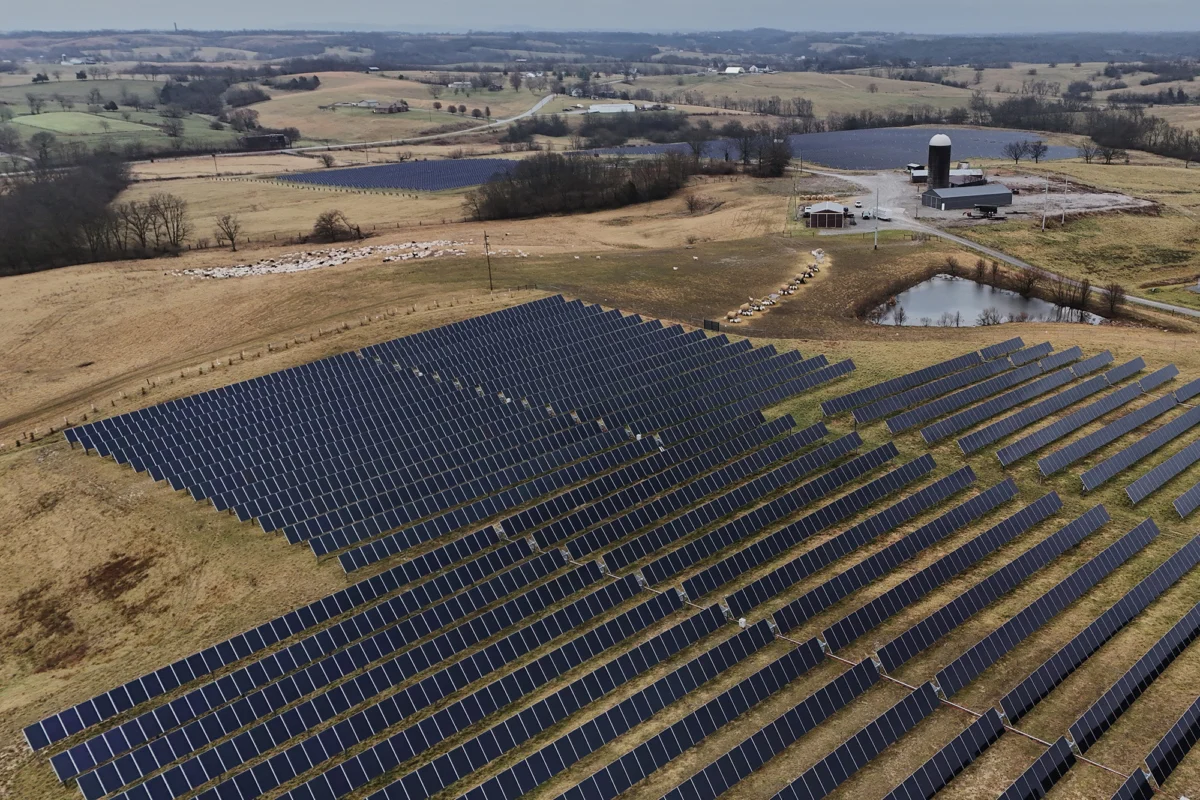
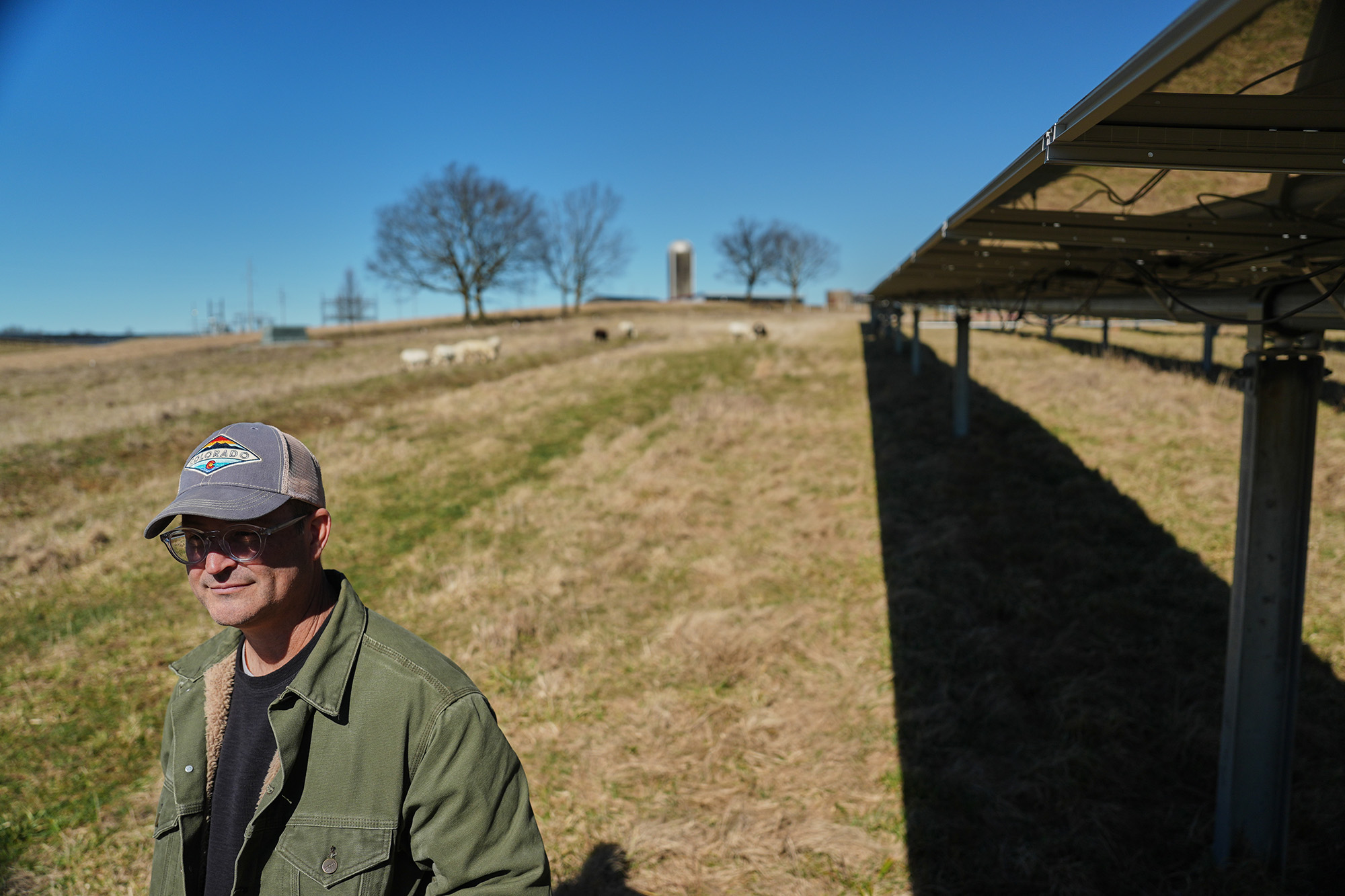
In the rolling pastures of Lancaster, Kentucky, sheep farmer Daniel Bell represents a growing demographic of American producers attempting to navigate the volatile intersection of traditional agriculture and renewable energy. As Bell expanded his flock over recent years, the necessity for a new barn became clear. However, the geographic isolation of his land from existing power grids presented a significant infrastructure hurdle. For Bell, rooftop solar appeared to be the most viable solution to provide the necessary heat and light for his livestock. To finance the transition, he looked toward the United States Department of Agriculture (USDA) and its Rural Energy for America Program (REAP), a longstanding initiative designed to assist agricultural producers and rural small businesses with renewable energy investments.
Bell’s plans were abruptly halted when he discovered that federal support for the program had effectively been suspended. The shift in administrative priorities has left Bell and thousands of other farmers in a state of financial and operational limbo. For many in the agricultural sector, where profit margins are notoriously thin and operating costs are susceptible to global energy market fluctuations, solar energy is viewed not merely as an environmental choice but as a tool for economic survival. Bell describes the move toward solar as a matter of "freedom"—the freedom to lower utility bills and the freedom to control his own assets without being tethered to expensive utility expansions.
The Deceleration of Rural Energy Incentives
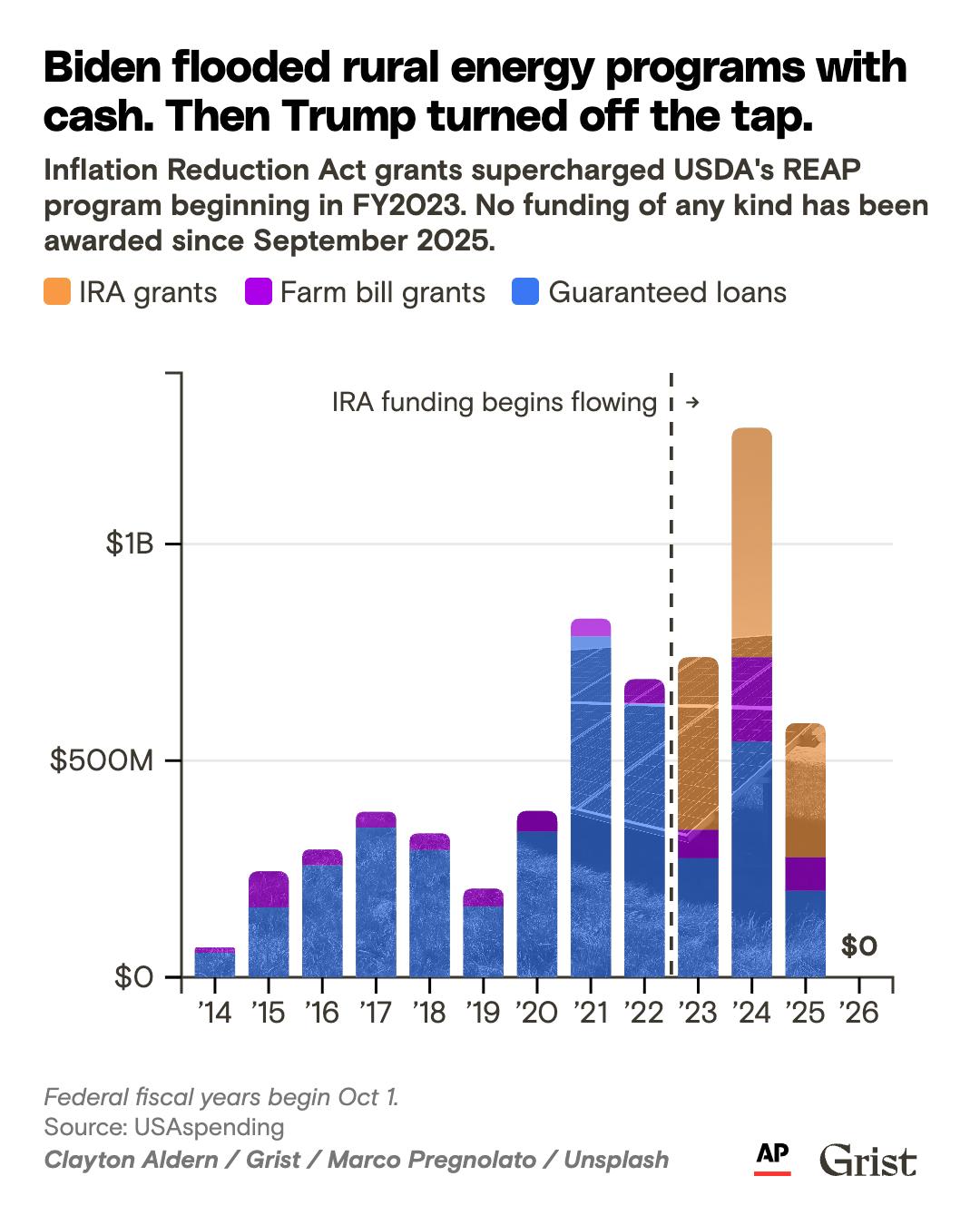
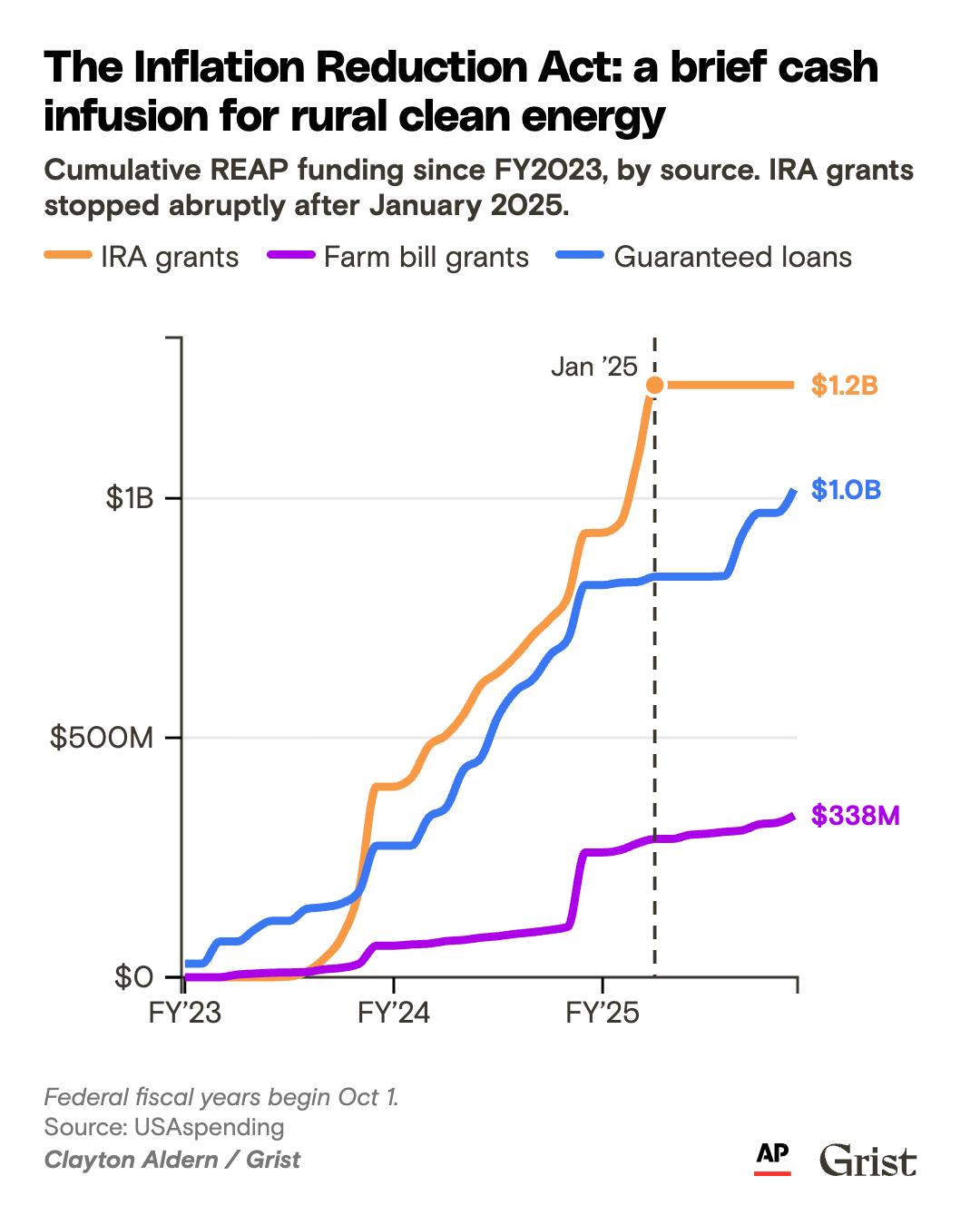
A joint investigation conducted by The Associated Press and Grist has revealed a significant retreat in federal support for rural renewable energy projects. Within the first year of the current administration’s second term, two pillars of solar growth—the REAP grant program and the clean energy investment tax credit—have faced substantial rollbacks. The analysis, which scrutinized data on commercial-scale solar projects and small-scale rural developments, found that the USDA has not awarded a single dollar in rural energy grants or loan guarantees during the current fiscal year.
This represents a stark departure from the previous three years, during which the Inflation Reduction Act (IRA) flooded rural energy programs with record levels of capital. The REAP program, which has existed for nearly two decades, was supercharged in 2023 and 2024, providing nearly $2 billion in total funding to over 19,000 projects. Now, that pipeline has run dry. Reporters contacted approximately 75 of the nearly 300 developers who have proposed projects on agricultural land over the past 24 months. The findings indicate a dual-track crisis: small-scale farmers are losing the ability to offset their own energy costs, while large-scale developers are abandoning projects due to the sudden contraction of federal tax incentives.
A Chronology of Federal Solar Policy (2005–2026)
To understand the current crisis, it is necessary to examine the legislative history of solar incentives in the United States. The modern era of solar growth was largely initiated by the Energy Policy Act of 2005, signed by President George W. Bush. This legislation established a 30% Investment Tax Credit (ITC) for large-scale clean energy projects. The ITC proved to be one of the most successful federal policy mechanisms in history, driving a multi-decade boom in solar installations.
The credit was extended under the Obama administration for eight years and maintained a bipartisan consensus for much of the first Trump administration, which extended it again in 2020. In 2022, President Joe Biden’s Inflation Reduction Act further extended the 30% credit through 2032, providing the long-term certainty that capital-intensive energy projects require. However, the tax bill passed in July 2025 effectively reversed this timeline. Under the new regulations, commercial solar projects must now be under construction by July 2026 and fully operational by the end of 2027 to remain eligible for the 30% credit.
This "ticking clock" has created a frantic environment for developers. Projects that were planned with a five-to-ten-year lead time are now being discarded because they cannot meet the accelerated deadlines. Bogdan Micu, CEO of Alpin Sun, a German-based solar developer, reported that his company was forced to abandon projects representing $6 million in sunk investments and 1,000 megawatts of potential energy in the U.S. Northeast. According to Micu, the regulatory and permitting processes in many states are simply too slow to accommodate the new federal cutoff.
The Human Cost: Case Studies in Agricultural Solar
The impact of these policy shifts is felt most acutely at the farm gate. Elisa Lane, who operates a flower and fruit farm in Hampstead, Maryland, exemplifies the anxiety currently pervading the sector. In 2024, Lane was awarded a $30,576 REAP grant to install solar panels, a move intended to mitigate her $500 monthly electricity bills. When the administration took office in early 2025, her funds were frozen without immediate explanation.
Lane faced a period of extreme financial stress, having already contracted a solar firm for a $70,000 installation. While her funds were eventually released in September 2025—after she was advised to strip "climate" and "equity" language from her project documentation—the process took over seven months of administrative uncertainty. For a small family business, such a delay can be the difference between solvency and failure.
In Sheridan, New York, Tim Covert, a former dairy farmer and cancer survivor, faces a different set of challenges. Covert entered into a lease agreement with RIC Energy North America to develop 15 acres of his land for a community solar project. For Covert, who is currently unable to perform heavy labor due to the side effects of his medical treatments, the lease payments represent a vital source of passive income.
The project is designed to allow low-income residents in his community to subscribe to the solar array and receive credits on their utility bills. However, the shifting federal landscape has cast a shadow over the project’s completion date. While RIC Energy remains committed to the site, the broader "next generation" of such projects is effectively on hold. Jon Rappe, CEO of RIC Energy, noted that while they are rushing to finish current pipelines before the 2026 deadline, new site acquisitions have essentially ceased.
Industry Analysis and the "Consolidation Effect"
The rollback of federal support is creating an uneven playing field that favors large, well-capitalized corporations over small-scale developers and family farms. Nick Cohen, CEO of Doral LLC, a major developer with 16,000 megawatts in its pipeline, observed that the new rules actually benefit the largest players in the industry.
"All the new rules really favor the big guys like us," Cohen stated. Large developers often have the cash reserves to proceed without relying on immediate tax equity or federal grants, and they possess the legal and administrative resources to navigate the tightened deadlines. Furthermore, the rising demand for electricity—driven by the rapid expansion of AI data centers—ensures that energy prices remain high enough for large projects to stay profitable even without subsidies.
However, for the agricultural community, this consolidation poses a risk. Large-scale projects often involve "fallow land" or "marginal land," but they do not necessarily provide the same direct utility-saving benefits to the individual farmer that a small-scale REAP-funded project would. The current data from the Energy Information Administration (EIA) shows that 126 solar projects proposed since 2024 are currently in regulatory limbo. These projects, which would sit on or near agricultural land, represent roughly 20 gigawatts of electricity—enough to power 4.5 million homes.

Official Responses and Future Implications
The USDA has defended the current pause in funding as a necessary step for "program integrity." A spokesperson for the agency stated that the suspension of REAP grant awards is "temporary" and intended to bring the program into alignment with executive orders issued in July 2024. The agency maintains that it continues to administer the program according to current guidance but has not provided a specific date for when applications will reopen.
Robert Bonnie, who served as the undersecretary for farm production and conservation under the previous administration, argues that pulling back on these investments is a strategic error for rural America. Bonnie emphasizes that renewable energy is no longer just a "green" initiative but a core component of rural prosperity in states like Iowa, Texas, and Kentucky. By providing farmers with a secondary income stream through leases or a way to lower fixed costs through on-farm generation, these programs have historically acted as a buffer against the boom-and-bust cycles of the commodity markets.
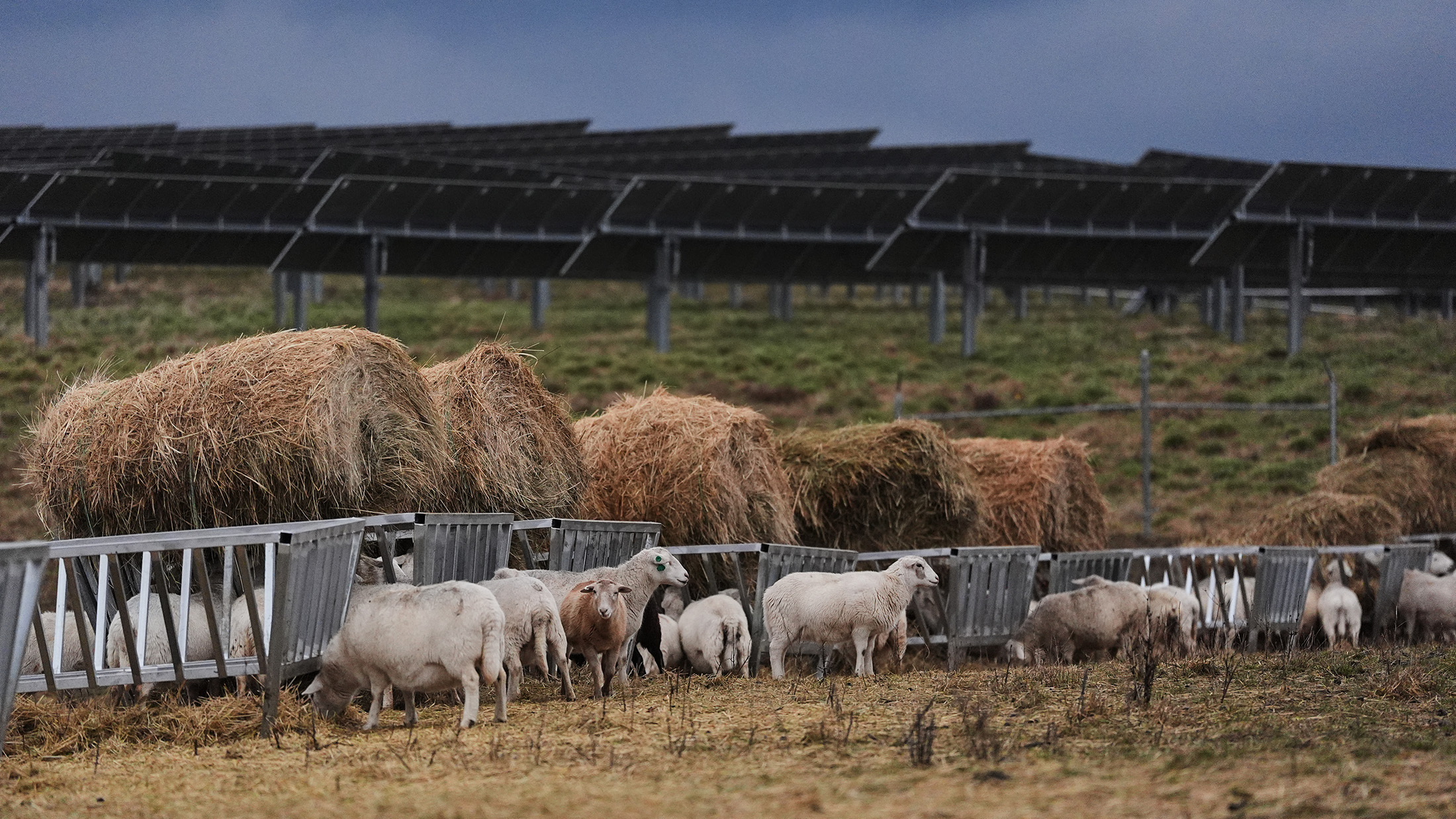
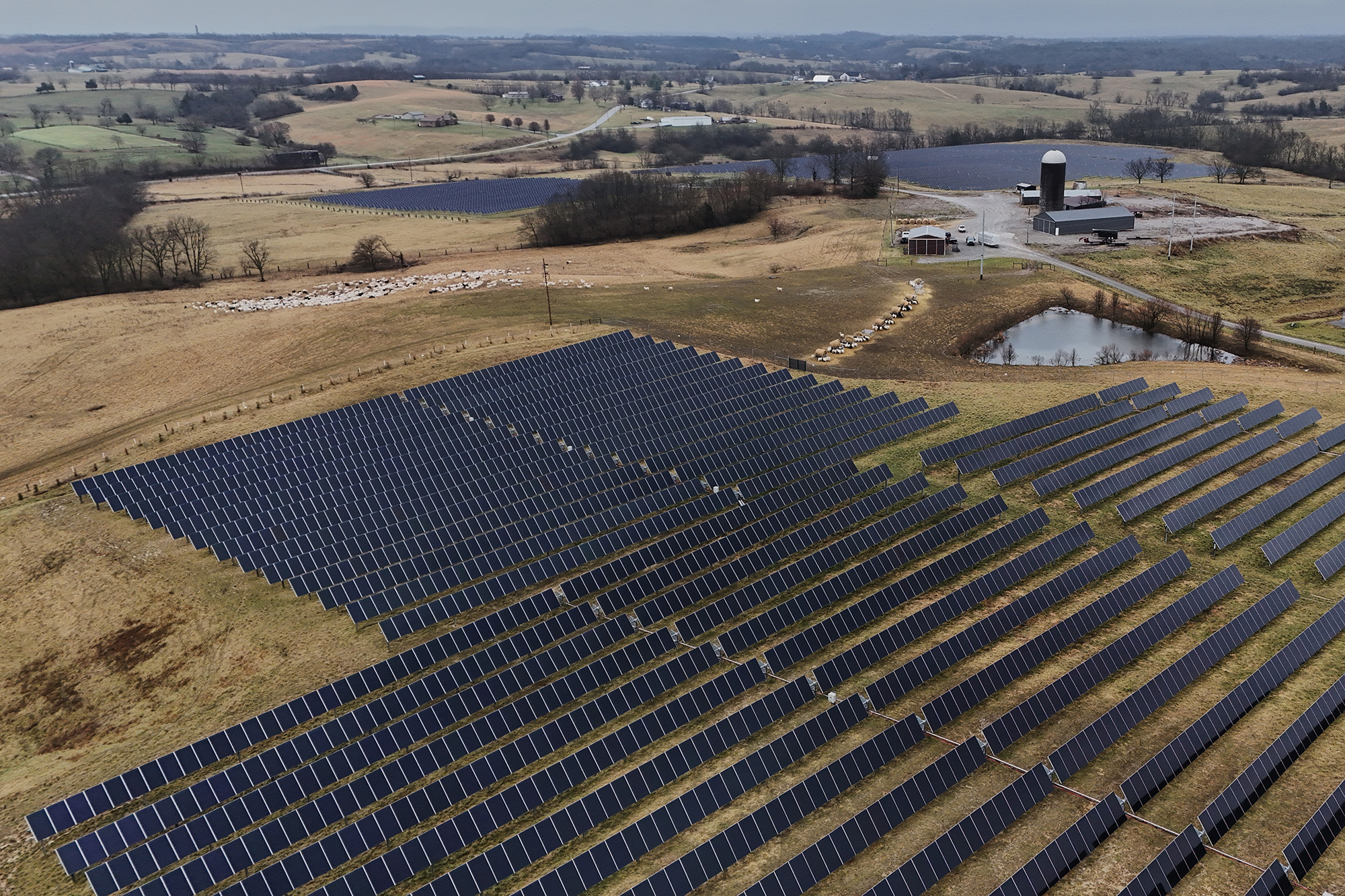
As it stands, the future of solar on American farmland remains uncertain. The July 2026 construction deadline is approaching rapidly, and the total cessation of REAP grants has left a void in rural development. For farmers like Daniel Bell, the solution has been to adapt. He is currently exploring an "agrivoltaic" arrangement, where he grazes his sheep beneath panels owned by a commercial operation. This allows him to utilize the shade and grass management opportunities of the solar field while seeking to build his own barns on the company’s land to tap into their cheaper power.
While such creative solutions may work for some, the broader trend indicates a significant cooling of the rural clean energy market. Without the stability of federal incentives, the "freedom" Bell sought—to control his own energy destiny and maintain a profitable family farm—remains an elusive goal for many across the American heartland.