Category Energy Investments 3: Navigating the Landscape of Distributed Energy Resources, Grid Modernization, and Emerging Technologies
Category Energy Investments 3 encompasses a critical and rapidly evolving segment of the energy sector, focusing on the strategic deployment of capital into distributed energy resources (DERs), grid modernization initiatives, and a diverse array of emerging technologies. This category represents a significant shift from traditional, centralized power generation towards a more decentralized, resilient, and intelligent energy infrastructure. Investors in this space are not only seeking financial returns but are also playing a pivotal role in shaping the future of energy, driving decarbonization, enhancing grid stability, and empowering consumers. The sheer breadth of opportunities within Category Energy Investments 3 necessitates a deep understanding of technological advancements, regulatory frameworks, market dynamics, and the intricate interplay between supply and demand. From utility-scale battery storage and microgrids to smart grid software and advanced grid control systems, the investment thesis is multifaceted, demanding a nuanced approach to risk assessment and opportunity identification.
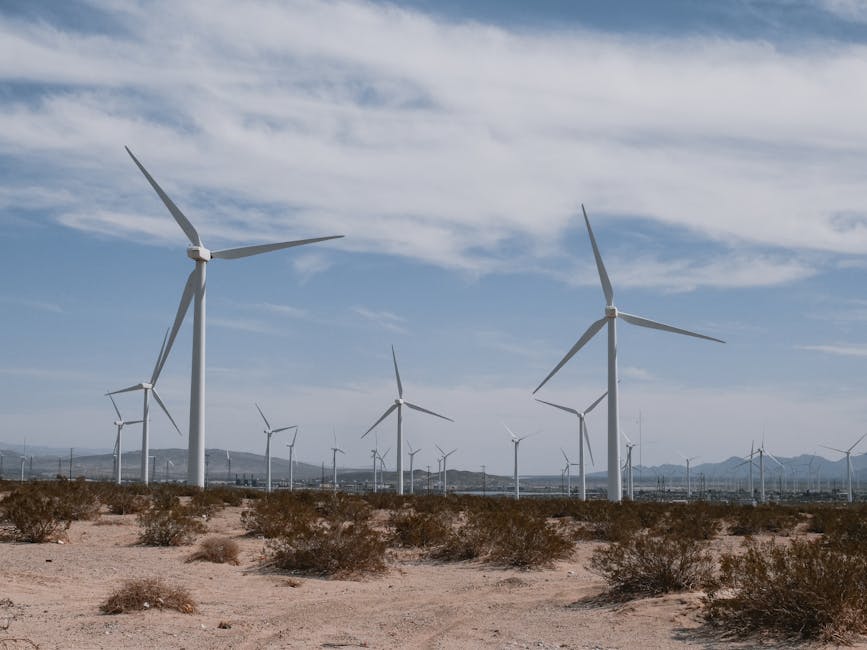
Distributed Energy Resources (DERs) represent a cornerstone of Category Energy Investments 3. These are energy-generating or storage systems located at or near the point of consumption, in contrast to the large, centralized power plants of the past. Solar photovoltaic (PV) systems, both residential and commercial, continue to be a dominant force, driven by declining costs, supportive government policies, and increasing consumer demand for clean energy. Wind turbines, particularly smaller-scale or distributed wind installations, also fall under this umbrella, although their deployment is more location-dependent. Battery energy storage systems (BESS) are experiencing exponential growth, serving a dual purpose of storing energy from intermittent renewable sources like solar and wind, and providing grid services such as frequency regulation, peak shaving, and backup power. Investments in BESS are crucial for mitigating the variability of renewables and ensuring grid reliability. Beyond generation and storage, DERs include technologies like combined heat and power (CHP) systems, which capture waste heat for productive use, and demand response programs, which incentivize consumers to reduce their electricity consumption during peak periods. The investment appeal of DERs lies in their ability to improve energy independence, reduce transmission losses, and offer greater flexibility to the grid. Furthermore, the ongoing advancements in battery chemistry, manufacturing efficiency, and software integration are continuously enhancing the economic viability and performance of these systems.
Grid modernization is an indispensable component of Category Energy Investments 3, addressing the aging and often outdated infrastructure of traditional electricity grids. The concept of a "smart grid" embodies this modernization, integrating digital communication technologies, advanced sensors, and automated control systems to create a more efficient, reliable, and responsive grid. Investments in this area span a wide range of technologies and applications. Advanced Metering Infrastructure (AMI), often referred to as smart meters, provides two-way communication between utilities and consumers, enabling real-time data collection, remote meter reading, and enhanced outage detection. Grid automation technologies, including supervisory control and data acquisition (SCADA) systems and distributed automation devices, allow for the remote monitoring and control of grid assets, improving operational efficiency and reducing downtime. Investments in grid analytics and artificial intelligence (AI) are also crucial, enabling utilities to predict grid behavior, optimize power flow, identify potential faults, and manage the integration of DERs more effectively. Cybersecurity for grid infrastructure is a paramount concern, and significant investments are being directed towards protecting critical energy systems from cyber threats. Furthermore, investments in physical grid upgrades, such as undergrounding power lines in vulnerable areas, reinforcing substations, and upgrading transformers, are essential for enhancing grid resilience against extreme weather events and physical attacks. The overarching goal of grid modernization is to transform the grid from a one-way delivery system to a dynamic, intelligent network capable of managing bidirectional power flows and accommodating a diverse range of energy sources.
Emerging technologies are a fertile ground for innovation and investment within Category Energy Investments 3, driving the next wave of energy solutions. This sub-category is characterized by its forward-looking nature and its potential to disrupt established energy paradigms. Green hydrogen production and its associated infrastructure represent a significant emerging opportunity. Electrolyzers, powered by renewable electricity, split water into hydrogen and oxygen, creating a clean fuel that can be used for transportation, industrial processes, and energy storage. Investments are being made in electrolyzer technology, hydrogen storage solutions, and the development of hydrogen fuel cell applications. Carbon capture, utilization, and storage (CCUS) technologies are gaining traction as a means to decarbonize hard-to-abate industrial sectors. Investments focus on developing more efficient and cost-effective capture technologies and exploring novel utilization pathways for captured carbon. Advanced nuclear technologies, including small modular reactors (SMRs) and fusion energy research, represent long-term, high-potential investments for providing clean, baseload power. While still in earlier stages of development compared to some other emerging technologies, the promise of SMRs lies in their scalability, safety features, and potential for faster deployment. Fusion energy, though decades away from commercialization, attracts substantial research and development investment due to its potential for virtually limitless clean energy. Geothermal energy, particularly enhanced geothermal systems (EGS), is also an area of growing investment, aiming to unlock vast underground heat resources for electricity generation and direct heating. Furthermore, advancements in digital twins for energy systems, blockchain for energy trading and grid management, and novel materials for solar cells and batteries are all contributing to the dynamic landscape of emerging energy technologies and attracting venture capital and strategic investments.
The regulatory and policy environment plays a pivotal role in shaping investment decisions within Category Energy Investments 3. Government incentives, such as tax credits for renewable energy and energy storage, feed-in tariffs, and renewable portfolio standards (RPS), significantly influence the economic attractiveness of these investments. Policies promoting grid modernization, such as mandates for smart meter deployment or funding for grid resilience projects, can create substantial market opportunities. The development of wholesale electricity market structures that value the services provided by DERs and advanced grid technologies is also crucial. Mechanisms like capacity markets, ancillary services markets, and time-of-use pricing can incentivize investment in resources that enhance grid stability and flexibility. International agreements and national climate targets also drive investment by signaling long-term commitment to decarbonization, encouraging the development of new clean energy technologies and the scaling up of existing ones. Conversely, regulatory uncertainty, inconsistent policy support, or the imposition of unfavorable market rules can deter investment and slow down the pace of innovation and deployment. Therefore, investors meticulously analyze the current and prospective regulatory landscape, seeking jurisdictions with stable, supportive policies that foster long-term growth and predictable returns. The evolving nature of energy policy, particularly in response to climate change and energy security concerns, makes ongoing monitoring and adaptation essential for successful investment strategies within this category.
Market dynamics and competitive landscapes are critical considerations for investors in Category Energy Investments 3. The competitive intensity varies significantly across different sub-segments. The solar PV market, for instance, has seen a proliferation of manufacturers and installers, leading to price competition and a focus on efficiency and cost reduction. The battery storage market is also becoming increasingly competitive, with established players and new entrants vying for market share. Investors must assess the barriers to entry, the degree of market concentration, and the potential for disruptive innovation from startups. The integration of DERs with the existing grid introduces new market participants, including independent power producers (IPPs), energy service companies (ESCOs), and aggregators, creating complex contractual relationships and new business models. The utility sector itself is undergoing transformation, with utilities increasingly investing in DERs and grid modernization to maintain their relevance and meet evolving customer demands. Investors need to understand the strategic positioning of utilities, their investment priorities, and their evolving relationship with third-party developers and technology providers. Furthermore, the global nature of the energy market means that geopolitical factors, supply chain disruptions, and international trade policies can all impact investment opportunities and returns. Analyzing these dynamic market forces, understanding the competitive advantages of different technologies and business models, and identifying areas of unmet demand are fundamental to making informed investment decisions within Category Energy Investments 3.
Financing structures and investment vehicles for Category Energy Investments 3 are diverse and continuously evolving. Traditional project finance remains a cornerstone, particularly for utility-scale solar and wind farms, as well as larger grid modernization projects. However, the rise of DERs and emerging technologies has spurred the development of new financing approaches. Venture capital and private equity are crucial for funding early-stage technology companies and scaling up innovative solutions. Publicly traded companies involved in energy technology, manufacturing, or project development offer opportunities for public market investors. Green bonds and sustainability-linked loans are increasingly being utilized to finance projects with environmental benefits, attracting capital from investors with specific ESG mandates. Yieldcos, which own and operate income-generating renewable energy assets, provide a stable income stream for investors. Innovative financing models, such as power purchase agreements (PPAs) for distributed solar, leasing options for energy storage systems, and on-bill financing programs, are making these technologies more accessible to consumers and businesses. Furthermore, government grants, subsidies, and loan guarantees play a significant role in de-risking investments and accelerating deployment, particularly for technologies in their nascent stages. The increasing sophistication of financial instruments and the growing appetite for sustainable investments are creating a more robust and accessible financing ecosystem for Category Energy Investments 3.
The operational and technical considerations for Category Energy Investments 3 are complex and demand specialized expertise. For DERs, this includes site selection, interconnection processes with the grid, system design and engineering, installation, operation, and maintenance. The intermittency of renewable sources necessitates sophisticated forecasting and dispatch strategies, often facilitated by advanced software and grid management systems. Grid modernization projects involve the seamless integration of diverse technologies, ensuring interoperability, data security, and the efficient management of grid assets. Cybersecurity is a paramount concern across all aspects of this category, with investments in robust security protocols and continuous monitoring being essential to protect critical infrastructure from malicious attacks. The performance of energy storage systems, including battery degradation, charging and discharging efficiencies, and thermal management, are critical operational factors. For emerging technologies like green hydrogen, technical challenges related to production efficiency, storage safety, and transportation infrastructure are still being addressed. Investors must therefore assess the technical maturity of the technologies, the reliability of the equipment, the expertise of the development and operational teams, and the long-term operational costs and risks associated with these investments. The ongoing pace of technological advancement requires a commitment to continuous learning and adaptation to ensure that investments remain relevant and competitive.
Environmental, Social, and Governance (ESG) factors are increasingly central to investment decisions within Category Energy Investments 3. Environmentally, the primary driver is the reduction of greenhouse gas emissions and the transition to a low-carbon economy. Investments in renewable energy, energy efficiency, and clean transportation directly contribute to these goals. Social considerations include ensuring equitable access to clean and affordable energy, creating green jobs, and engaging with local communities. The responsible sourcing of materials for energy technologies, such as rare earth minerals for batteries and solar panels, is also an important social consideration. Governance aspects involve transparency, ethical business practices, robust risk management, and strong corporate leadership. Investors are increasingly scrutinizing the ESG performance of companies within this category, recognizing that strong ESG practices can lead to better long-term financial performance, reduced regulatory risk, and enhanced reputation. The development of clear ESG metrics and reporting frameworks is crucial for investors to accurately assess the sustainability impact of their investments. Furthermore, the growing demand for sustainable investments from institutional investors and retail consumers is driving significant capital towards companies and projects that demonstrate strong ESG credentials.
The future outlook for Category Energy Investments 3 is exceptionally strong, driven by a confluence of factors including the escalating urgency of climate change, the growing demand for energy security and independence, and the accelerating pace of technological innovation. Governments worldwide are setting ambitious decarbonization targets, which will necessitate massive investments in clean energy infrastructure. The declining costs of renewable energy technologies, coupled with advancements in energy storage, are making these solutions increasingly competitive with traditional fossil fuels. The increasing digitalization of the grid and the proliferation of smart technologies are creating new opportunities for efficiency, resilience, and consumer empowerment. Emerging technologies like green hydrogen, advanced nuclear, and CCUS are poised to play a significant role in decarbonizing hard-to-abate sectors and providing essential grid services. While challenges related to grid integration, supply chain resilience, and regulatory adaptation will persist, the underlying drivers for investment in this category remain robust. The continued innovation in materials science, AI, and digital platforms will further enhance the performance and cost-effectiveness of energy technologies. Investors who strategically navigate the complexities of this dynamic landscape, embracing technological advancements, adapting to evolving regulatory frameworks, and prioritizing sustainability, are well-positioned to capitalize on the immense opportunities presented by Category Energy Investments 3 in the years to come.
