The transition of a primary residence into a rental property has become an increasingly popular financial strategy for homeowners seeking to leverage equity while maintaining long-term ownership of appreciating assets. In a volatile economic climate characterized by fluctuating interest rates and a tightening housing supply, the move to become a landlord offers a hedge against inflation and a consistent stream of passive income. However, the path from homeowner to professional lessor requires a rigorous adherence to legal, financial, and operational standards to ensure the protection of the investment and the satisfaction of future residents.
The Macroeconomic Context of the Rental Market
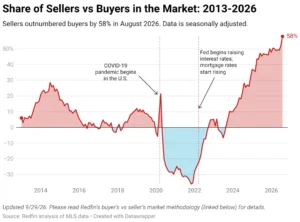
To understand the shift toward individual-owned rentals, one must look at the broader housing market trends of the mid-2020s. As mortgage rates remained elevated compared to the historic lows of the previous decade, many homeowners found themselves "locked in" to low-interest loans. Rather than selling their properties and losing those favorable terms, a significant cohort of owners opted to convert their homes into rentals. This phenomenon has contributed to a shift in inventory dynamics, particularly in high-growth hubs such as Austin, Texas, and seasonal destinations like Myrtle Beach, South Carolina.
Current data from the U.S. Census Bureau and various real estate analytics firms suggest that the demand for rental housing remains robust, driven by a combination of high home-acquisition costs and a shifting preference toward mobility among younger demographics. In this environment, a well-prepared rental property is not merely a residence but a competitive business asset.
Determining the Strategic Use of the Asset: STR vs. LTR
The initial phase of the conversion process involves a critical assessment of the property’s intended use. Homeowners must choose between Short-Term Rentals (STR), typically managed via platforms like Airbnb or Vrbo, and Long-Term Rentals (LTR), which involve traditional leases of six months or more.
Short-term rentals offer the potential for higher gross revenue, particularly in vacation-heavy markets. However, they are subject to intense regulatory scrutiny. In recent years, municipalities across the United States have implemented strict zoning ordinances and "lodging taxes" to mitigate the impact of STRs on local housing affordability. Conversely, long-term rentals provide a more predictable cash flow and lower operational overhead, as tenants generally cover utility costs and the landlord avoids the frequent turnover and cleaning expenses associated with vacation stays.
| Feature | Short-Term Rental (STR) | Long-Term Rental (LTR) |
|---|---|---|
| Revenue Potential | High (seasonal volatility) | Consistent (monthly stability) |
| Operational Effort | Intensive (frequent communication) | Moderate (periodic management) |
| Furnishings | Required | Usually unfurnished |
| Regulatory Risk | High (zoning/permit changes) | Low (standard landlord-tenant law) |
| Maintenance | High wear and tear | Standard wear and tear |
Regulatory Compliance and Legal Due Diligence
Before a property can be legally listed, owners must navigate a complex web of local and federal regulations. This "compliance phase" is often the most overlooked step by novice landlords.

- Zoning and HOA Restrictions: Homeowners Associations (HOAs) frequently have bylaws that restrict or entirely prohibit rentals. Some may require a minimum lease term of one year, effectively banning STRs.
- Mortgage Covenants: Most primary residence mortgages require the owner to live in the home for at least one year. Converting a home to a rental too early could trigger a "due-on-sale" clause or constitute mortgage fraud.
- Insurance Adjustments: Standard homeowners insurance policies do not cover rental activities. Owners must transition to a "Landlord Policy" (typically a DP-3 policy), which covers the structure, loss of rental income, and liability for tenant injuries.
- Permitting: Many cities require a Certificate of Occupancy or a specific rental license, which may involve a safety inspection by the local building department.
The Architecture of "Rent-Readiness"
The physical preparation of the home serves as the foundation for the renter’s experience and the landlord’s reputation. Industry experts emphasize that "rent-ready" condition is a higher standard than "livable" condition. Paul Kiledjian, CEO of RentalHouse Property Management, notes that a pristine environment is essential for generating excitement and justifying premium rental rates.
Fundamental maintenance must take precedence over aesthetic upgrades. This includes servicing HVAC systems, ensuring all plumbing is leak-free, and verifying the integrity of the roof and foundation. Once the systems are secured, cosmetic updates—such as neutral paint colors, professional deep cleaning, and the replacement of worn flooring—help the property appeal to a broader demographic.
Safety is a non-negotiable component of preparation. Landlords are legally obligated to provide a habitable environment, which includes functioning smoke detectors, carbon monoxide alarms, and secure locks on all entry points. Failure to meet these standards can result in significant legal liability and the potential for lease termination by the tenant.
Financial Modeling and Competitive Pricing
Setting the rental price is a data-driven exercise that balances the owner’s debt obligations with market reality. A common mistake is basing the rent solely on the owner’s mortgage payment. If the market rate is lower than the owner’s monthly expenses, the property may result in a "negative carry," which can be unsustainable for individual investors.
To determine a competitive rate, landlords must conduct a Comparative Market Analysis (CMA), looking at similar properties in terms of square footage, neighborhood amenities, and school district quality. In high-demand markets like Austin, proximity to tech hubs or public transit can command a 10-15% premium. In coastal markets like Myrtle Beach, the presence of ocean views or pool access is the primary driver of value.
Landlords should also factor in a "vacancy allowance" (typically 5-10% of annual income) and a "maintenance reserve" to cover unexpected repairs. This ensures that a single month of vacancy or a broken water heater does not derail the investment’s profitability.
Marketing and the Digital First Impression
In the modern real estate landscape, the digital listing is the property’s storefront. High-resolution, professional photography is no longer optional; it is a requirement for visibility on major platforms like Redfin, Zillow, and Apartments.com.

A successful listing must be transparent and comprehensive. Betzalel Levin, CEO of Sapir Realty, advises that landlords should clearly define utility responsibilities and maintenance expectations, such as lawn care or gutter cleaning, within the listing description. This transparency filters out uninterested parties and reduces friction during the lease negotiation phase.
Risk Mitigation through Rigorous Tenant Screening
The long-term success of a rental investment is largely determined by the quality of the tenant. A comprehensive screening process is the most effective tool for mitigating risk. This process should be standardized for every applicant to comply with the Fair Housing Act, which prohibits discrimination based on race, religion, sex, familial status, or disability.
Modern screening tools now offer integrated services that include:
- Identity Verification: Confirming the applicant is who they claim to be.
- Credit Reporting: Assessing the applicant’s history of financial responsibility.
- Income Verification: Ensuring the tenant’s gross monthly income is typically at least three times the monthly rent.
- Criminal and Eviction History: Checking for past patterns of property damage or non-payment.
Furthermore, requiring tenants to carry renters insurance is a growing industry standard. These policies protect the tenant’s personal property while providing liability coverage that can shield the landlord from costs associated with tenant-caused damage, such as kitchen fires or accidental flooding.
The Move-In Chronology and Final Documentation
The transition period concludes with a formal move-in process. This stage is critical for establishing the legal baseline of the property’s condition.
- The Lease Agreement: A legally binding contract that outlines the duration, payment terms, security deposit handling, and rules regarding pets or modifications.
- The Final Walkthrough: Landlords should conduct a joint inspection with the tenant, using a detailed checklist to document the condition of every room.
- Multimedia Evidence: Taking time-stamped photos or video of the property on the day of move-in provides irrefutable evidence in the event of a security deposit dispute at the end of the lease.
Analysis of Long-Term Implications
Converting a home into a rental is a significant shift from a consumer mindset to a provider mindset. For the individual, it builds a diversified portfolio and offers potential tax benefits, such as depreciation and the ability to deduct repairs and management fees. For the community, individual-owned rentals provide a vital source of housing that often offers more character and better maintenance than large-scale institutional apartment complexes.
However, the "mom-and-pop" landlord faces increasing challenges, including rising property taxes and more complex tenant protection laws in certain jurisdictions. Success in this sector requires a commitment to ongoing education and a proactive approach to property management. By treating the home as a business and the tenant as a valued client, homeowners can successfully navigate the complexities of the rental market and secure their financial future.