In a move that signals a significant shift in the intersection of technology policy and environmental stewardship, New York Governor Kathy Hochul issued an executive order on Tuesday establishing a one-year moratorium on the construction of large-scale, hyperscale data centers. This decision makes New York the first state in the nation to implement a statewide pause on such facilities, highlighting growing anxieties over the strain that the rapidly expanding artificial intelligence (AI) industry is placing on the aging American power grid and the wallets of everyday utility ratepayers.
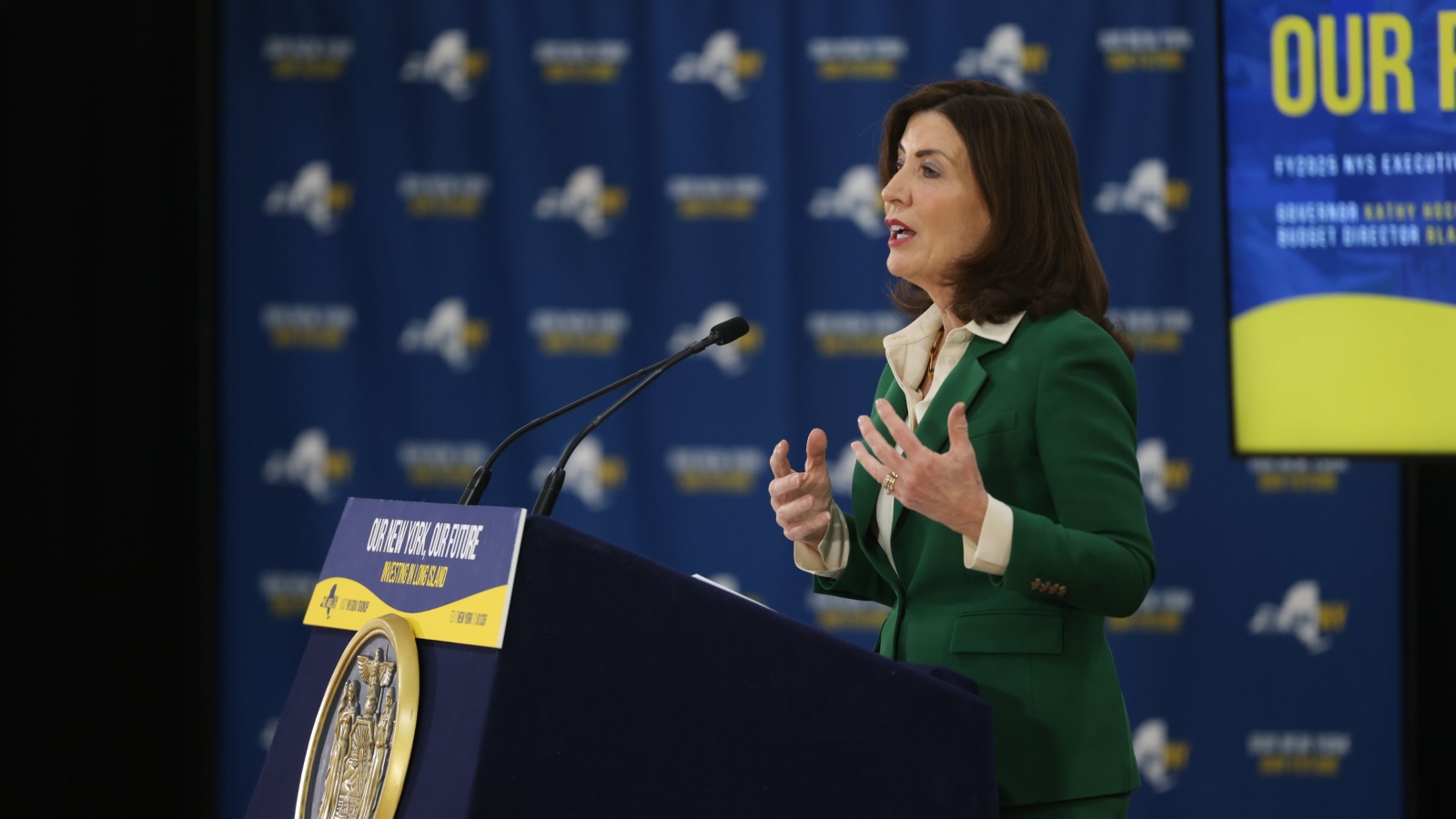
The executive order directs the New York State Department of Public Service (DPS) to cease the issuance of new permits for large-scale data centers for a period of 12 months. During this hiatus, state agencies are tasked with conducting a comprehensive environmental and economic analysis to determine how these energy-intensive facilities impact the state’s carbon goals, electricity prices, and natural resources. Governor Hochul, a Democrat, framed the decision as a necessary defensive measure for the state’s residents.
“As data center development threatens to hike up utility bills, deplete our natural resources, and create uncertainty for New Yorkers, it’s my responsibility to take action and lead,” Hochul stated in an official release. The Governor’s office emphasized that while the state remains open to technological innovation, such growth cannot come at the expense of the state’s ambitious climate mandates or the financial stability of its citizens.
The Catalyst: The AI Boom and Unprecedented Power Demands
The primary driver behind the sudden surge in data center development is the global race for dominance in artificial intelligence. Generative AI models, such as those developed by OpenAI, Google, and Microsoft, require immense computational power. Unlike traditional data centers that handle email or cloud storage, AI-focused "hyperscale" facilities utilize specialized high-performance chips that consume significantly more electricity and generate far more heat.
According to data from the International Energy Agency (IEA), data centers accounted for nearly 2% of global electricity demand in 2022, a figure expected to double by 2026. In the United States, the Department of Energy has noted that data centers can consume up to 50 times the energy of a typical office building per square foot. In New York, where the state is already struggling to transition its grid to renewable energy under the Climate Leadership and Community Protection Act (CLCPA), the sudden influx of data center proposals has created a "perfect storm" of demand.
Industry analysts note that technology giants have invested tens of billions of dollars into infrastructure over the last 24 months. New York, with its proximity to financial hubs and existing fiber-optic corridors, has become a prime target for these developments. However, the sheer volume of power required—often hundreds of megawatts for a single site—has forced state regulators to reconsider the long-term viability of unrestricted growth.
A Growing National Conflict
New York’s moratorium follows a failed attempt in Maine earlier this year, where Governor Janet Mills vetoed a similar measure, citing concerns that a ban might signal the state is "closed for business" to the tech sector. By contrast, New York’s leadership has decided that the risks to the energy grid outweigh the potential for immediate corporate investment.
The conflict is playing out at the local level across the United States. In Northern Virginia, known as "Data Center Alley," residents have filed numerous lawsuits over noise pollution and the visual impact of massive cooling towers. In Arizona and Georgia, lawmakers are debating whether the massive water consumption required to cool these facilities is sustainable in the face of worsening droughts.
Governor Hochul’s executive order bypasses, for now, a more permanent legislative solution. Last month, the New York State Legislature passed a bill (S10642) that would have established a similar moratorium with even stricter requirements. While Hochul has not yet signed that specific bill into law, her executive order achieves many of the same immediate goals while maintaining executive control over the study and regulatory process.
The Mandate: Analysis and Pricing Reform
The one-year pause is not merely a cessation of activity but a period of intensive regulatory scrutiny. The Department of Public Service is directed to launch a formal proceeding to investigate the "true cost" of data centers. A central component of this investigation is a proposal to require data centers to either pay a premium for their energy consumption or supply their own power through dedicated renewable sources, such as on-site solar or wind farms.
Currently, many large industrial users benefit from "load-sharing" agreements or discounted rates intended to spur economic development. The Hochul administration is signaling that these subsidies may no longer apply to data centers that provide relatively few permanent jobs compared to their massive resource consumption.
Furthermore, the Governor has called for the repeal of state sales tax exemptions for large data centers. These exemptions, originally designed to attract tech infrastructure during the early days of the internet, are now viewed by critics as unnecessary giveaways to some of the wealthiest corporations in human history.
Infrastructure and Community Safeguards
Beyond the energy grid, the executive order introduces a new framework for how local communities interact with tech developers. The Governor has directed the state’s economic development agency, Empire State Development (ESD), to create a standardized "negotiation playbook" for municipalities.
This framework is intended to ensure that if a data center is eventually built, the host community receives tangible benefits beyond property taxes. The guidelines will focus on:
- Infrastructure Improvements: Requiring companies to upgrade local water and sewer lines or provide enhancements to the local electrical substation.
- Child Care and Labor: Encouraging investments in local child care facilities and ensuring that construction and maintenance follow strict labor and wage standards.
- Direct Financial Support: Establishing "community benefit funds" that can be used for local schools or public parks.
Additionally, the Governor announced the creation of a new "Grid Modernization Fund." Under this plan, any future data center developers would be required to contribute to a pool of capital dedicated to strengthening New York’s transmission lines and increasing the state’s supply of clean energy. This effectively forces the tech industry to subsidize the very grid upgrades necessitated by their presence.
The Environmental Perspective
Environmental advocacy groups have largely praised the moratorium. Organizations like the Sierra Club and various local "green" coalitions have long argued that the carbon footprint of AI is being obscured by corporate sustainability reports. While companies like Microsoft and Google pledge to be "carbon neutral" or "carbon negative" by 2030, the physical reality of their energy demand often forces utilities to keep older, fossil-fuel-burning "peaker plants" online longer than planned.
In Western New York, the repurposing of former industrial sites and even old coal plants into data centers has sparked specific controversy. Critics argue that these facilities provide a "digital facade" for high-energy consumption that does little to revitalize the local economy in terms of high-volume employment.
"We cannot allow the progress we’ve made on climate change to be erased by a sudden surge in speculative computing," said one environmental policy analyst. "A data center that runs 24/7 on a grid that is still 40% powered by natural gas is a significant step backward for New York’s environmental goals."
Industry Reaction and Economic Implications
The tech industry’s response has been one of cautious concern. Trade groups representing data center REITs (Real Estate Investment Trusts) and cloud providers argue that a moratorium could drive investment to neighboring states like New Jersey, Pennsylvania, or Ohio. They contend that data centers are the backbone of the modern economy and that New York risks falling behind in the "AI arms race."
"Data centers are not just warehouses for servers; they are the engines of the 21st-century economy," a spokesperson for a tech advocacy group noted. "By halting development, New York is essentially telling the most innovative companies in the world to look elsewhere."
However, the Governor’s office maintains that the "Silicon Alley" ecosystem in New York City and the burgeoning semiconductor corridor in Upstate New York are robust enough to withstand a temporary pause. The administration argues that a stable, affordable power grid is actually a more important long-term draw for business than unregulated, short-term infrastructure growth.
Timeline and Next Steps
The moratorium is effective immediately and is scheduled to expire in July 2027, unless extended or superseded by new legislation. Over the next six months, the DPS will hold a series of public hearings across the state to gather input from residents, utility companies, and tech stakeholders.
A preliminary report on the environmental impacts of data centers is expected by early 2027. This report will likely serve as the basis for new permanent regulations regarding how these facilities are permitted and taxed.
As the first state to take this step, New York’s experiment will be closely watched by governors and legislatures across the country. If the moratorium successfully stabilizes utility prices and leads to a more sustainable model of tech development, it could serve as a blueprint for a national approach to managing the physical footprint of the digital age. If it results in a mass exodus of tech capital, it may serve as a cautionary tale. For now, New York has chosen to prioritize its residents and its environment over the rapid expansion of the AI frontier.