As the 2026 spring housing market unfolds, homeowners across the United States find themselves at a critical crossroads, balancing the desire to capitalize on record-high property values against a backdrop of significant economic and geopolitical headwinds. The decision to list a property has become increasingly complex as the traditional seasonal surge in activity meets a landscape defined by near-record housing costs, volatile mortgage rates, and a fundamental shift in the power dynamic between buyers and sellers. With the typical monthly housing payment now surpassing the $2,600 threshold, the barrier to entry for many prospective buyers has reached a breaking point, forcing a slowdown in market velocity that has not been seen in years.
The State of the 2026 Housing Market: An Overview of Supply and Demand
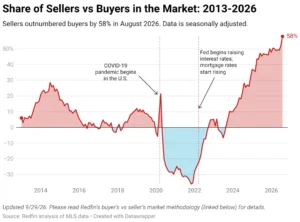
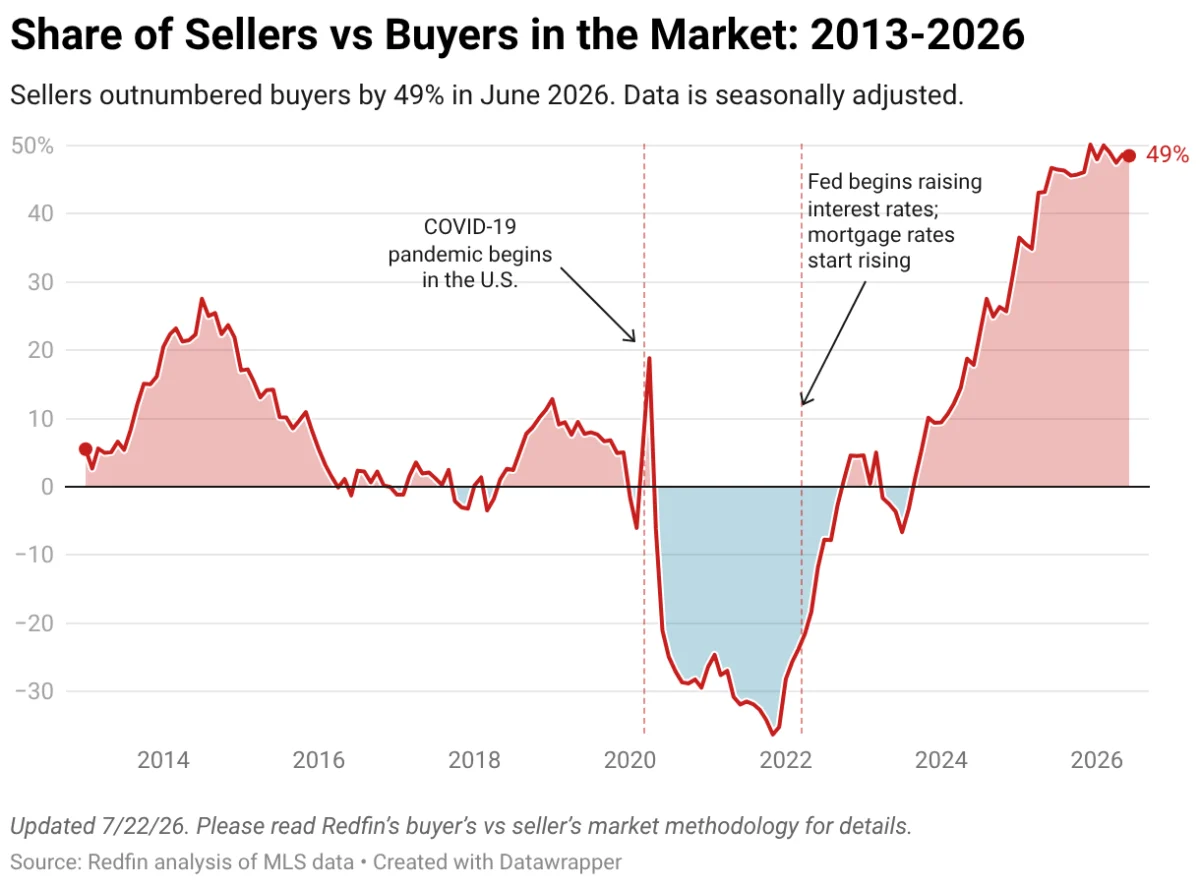
The current real estate climate is characterized by a widening gap between the number of available properties and the number of active buyers. Nationwide data indicates that there are currently nearly 500,000 more home sellers than buyers, a discrepancy that has fundamentally altered the negotiation process. While this gap showed signs of narrowing in late 2025, recent economic shifts have seen the number of sellers gain ground once again. This surplus in inventory has transitioned much of the country into a buyer’s market, where those looking to purchase have the luxury of choice and the leverage to demand concessions.
Despite the increase in supply, house prices have remained stubbornly high, having climbed at a pace far exceeding wage growth since the post-pandemic era. This affordability crisis has created a "wait-and-see" approach among many potential buyers, who are increasingly wary of overextending themselves financially. Conversely, some sellers are choosing to delist their properties rather than accept lower offers, which paradoxically keeps inventory tighter in certain localized markets and prevents a total collapse in pricing.
Macroeconomic Pressures: Geopolitics, Inflation, and Technology
The 2026 housing market does not exist in a vacuum; it is being shaped by a series of external shocks that have introduced a high degree of uncertainty into the financial sector. Chief among these is the ongoing conflict in Iran, which has sent ripples through global energy markets. Rising energy costs have contributed to renewed inflation concerns, which in turn have placed upward pressure on mortgage rates. In early 2026, mortgage rates briefly dipped following a tentative peace deal, only to surge again when hostilities resumed, highlighting the extreme sensitivity of the housing market to international events.
In addition to geopolitical strife, the domestic economy is grappling with the rapid integration of artificial intelligence and its impact on the labor market. Fears regarding job displacement and shifting employment sectors have made consumers more cautious about taking on long-term debt. Furthermore, the implementation of new trade tariffs and evolving immigration policies have added layers of complexity to the economic outlook, influencing everything from the cost of construction materials to the overall size of the potential buyer pool.
Regional Disparities: The Tale of Two Markets
While the national trend points toward a buyer’s market, the reality on the ground is highly fragmented. A distinct geographical divide has emerged, dictated by inventory levels and local economic resilience.
The Resilient Midwest and Northeast
In cities such as Rochester, New York, and Milwaukee, Wisconsin, the housing market remains surprisingly competitive. In these regions, the supply of available homes has failed to keep pace with even the cooled demand. Sellers in these markets are still witnessing bidding wars and rapid sales, as buyers compete for a limited number of listings. These areas often benefit from more stable local economies and a lower baseline cost of living compared to coastal hubs, making them attractive to those seeking relative affordability.
The Sun Belt Exodus
In stark contrast, many cities across the Sun Belt are experiencing a significant cooling. Once the darlings of the pandemic-era migration, states like Florida are now seeing record-high numbers of homes for sale. This shift is driven largely by escalating climate risks and the subsequent explosion in homeowners’ insurance costs. As premiums reach unsustainable levels, many residents are looking to relocate, leading to a glut of inventory that firmly favors the buyer. In these markets, sellers must be prepared to offer significant concessions or accept offers below their initial asking price to move properties.
Expert Perspectives on the Seller’s Dilemma
Daryl Fairweather, Chief Economist at Redfin, emphasizes that the burden of preparation now lies heavily on the seller. According to Fairweather, homeowners must brace for a market where buyers are not only wary but also highly selective. "Rising inventory has given buyers more options, but record costs have made them wary," Fairweather noted. "Affordability is slowly improving, but those willing to brave today’s market are still prepared to lead negotiations and pay a fair price."
Chen Zhao, Head of Economics Research at Redfin, points to the broader economic indicators as the primary drivers of current market stagnation. Zhao highlights that mortgage rates are reacting directly to the volatility of the Iran conflict and its impact on inflation. "Unless homebuilding skyrockets or the country falls into a severe recession, buyer activity and housing affordability are unlikely to improve substantially," Zhao stated. This assessment suggests that the current high-rate, high-price environment may persist for the foreseeable future, requiring sellers to adjust their expectations accordingly.
The Chronology of a Sale: Timeline and Expectations
The days of homes selling within hours of hitting the market are, for the most part, over. A historical comparison reveals a significant lengthening of the sales cycle:
- 2022: The typical home sold in under 30 days, driven by record-low interest rates and intense competition.
- 2025: The timeline began to stretch, with the average duration from listing to closing reaching approximately 70 days.
- 2026: Currently, the typical home takes nearly two months to find a buyer, reflecting a market that has moved from "sprint" to "marathon" pace.
For sellers, this means that financial planning must account for a longer period of carrying costs, including mortgage payments, taxes, and maintenance, while the property is on the market. It also necessitates a more patient approach to negotiations, as buyers take more time to conduct inspections and secure financing in a tighter credit environment.
Strategic Recommendations for Sellers in 2026
To succeed in a market where buyers hold the upper hand, sellers must employ more sophisticated strategies than simply putting a sign in the yard. Professional real estate agents are increasingly recommending "phased marketing" as a way to test the waters. This involves listing a home to a smaller, targeted audience before registering it on the Multiple Listing Service (MLS). This allows sellers to gauge demand and adjust pricing based on initial feedback without the "stigma" of a price drop on a public listing.
Furthermore, flexibility has become the most valuable currency for a seller. This includes:
- Price Realism: Setting an asking price that reflects current market data rather than 2022 peaks.
- Concessions: Being open to covering closing costs, offering repair credits, or providing "rate buy-downs" to help buyers manage their monthly payments.
- Property Condition: With more inventory to choose from, buyers are bypassing "fixer-uppers" in favor of move-in-ready homes. Tackling major repairs before listing is now a prerequisite for a successful sale.
The Impact of Refinancing and the "Rate Lock" Effect
A significant factor preventing even more inventory from hitting the market is the "rate lock" phenomenon. Many homeowners who refinanced during the pandemic at rates below 3% are hesitant to sell, as doing so would mean trading their low-interest mortgage for a new one at current market rates, which are substantially higher. While the share of homeowners locked into these low rates is beginning to drop as life events (marriage, children, relocation) necessitate moves, it remains a primary anchor on market liquidity. Sellers who have recently refinanced must carefully calculate whether the equity gained from a sale will offset the increased cost of borrowing for their next purchase.
Conclusion: Weighing the Decision to Sell
Ultimately, the decision to sell a home in 2026 depends on a combination of macroeconomic trends and personal necessity. For those in the Midwest or Northeast, the market remains favorable enough to warrant a listing with expectations of a fair return. For those in the Sun Belt or areas with high inventory, the process will require more effort, better presentation, and a willingness to negotiate.
While the "perfect" time to sell—characterized by high prices, low rates, and high demand—has passed, a well-prepared seller can still find success. The 2026 market rewards those who are informed, realistic, and strategically advised. As the economy continues to react to global events and technological shifts, the real estate landscape will remain unpredictable, making timing and strategy more critical than ever for the American homeowner.