As the United States grapples with a compounding affordability crisis driven by increasingly frequent and destructive climate-fueled disasters, a profound racial equity gap has emerged within the American home insurance market. A landmark report released in July by the Consumer Federation of America (CFA)—a prominent advocacy nonprofit representing nearly 250 consumer organizations nationwide—reveals that homeowners residing in predominantly Hispanic and Black ZIP codes face a disproportionate, systemic financial burden compared to their counterparts in predominantly white neighborhoods.
The findings, which arrive as the property insurance market undergoes severe contractions due to escalating climate risks, indicate that these disparities persist even when controlling for variables such as home value, structural characteristics, and coverage levels. By analyzing identical policies across different communities, the CFA study isolates and exposes a widening financial chasm that threatens to undermine generations of wealth-building through homeownership in communities of color.
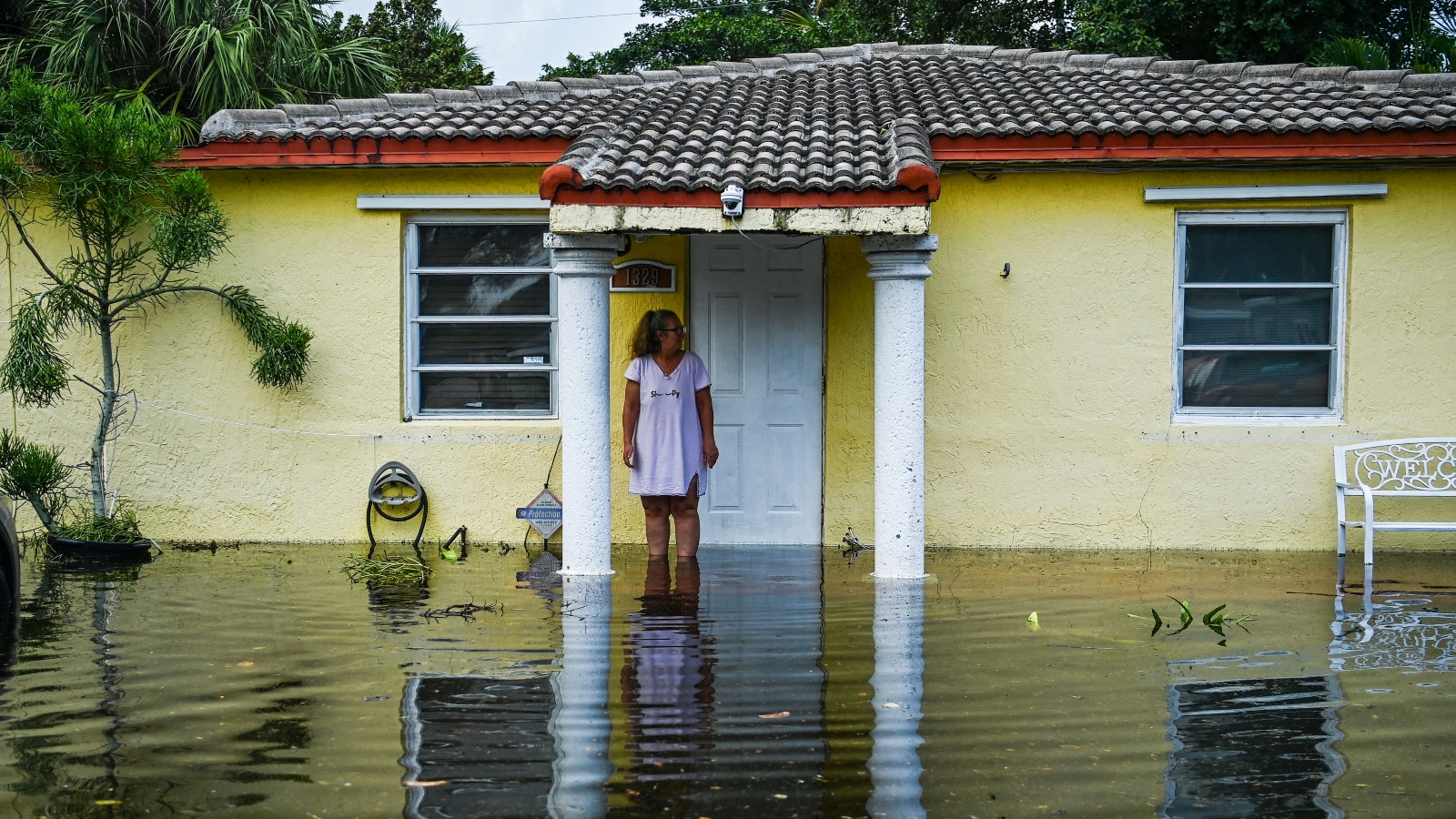
The scope of this disparity carries staggering long-term economic consequences. Over the typical duration of a 30-year fixed mortgage, homeowners in Hispanic communities face at least $28,500 in cumulative extra insurance costs, while those in predominantly Black communities absorb an additional $15,000. As federal and state regulators struggle to stabilize property insurance markets in disaster-prone states, consumer advocates and housing experts argue that the intersection of modern insurance pricing models, historical systemic inequities, and climate change has created a modern-day crisis of affordability and equity.
Decoding the Disparities: What the Data Shows
The Consumer Federation of America’s research provides a granular look at the financial penalty borne by minority homeowners across the United States. According to the report, homeowners in predominantly Hispanic ZIP codes pay, on average, a staggering 30 percent higher premium for identical coverage—amounting to roughly $950 more annually—than residents of white communities. Meanwhile, homeowners in predominantly Black ZIP codes face an average 16 percent premium markup, translating to an extra $500 per year.
These national averages mask even more acute regional disparities, particularly in states hit hardest by climate shocks and market instability. Florida emerges as the epicenter of this crisis for Hispanic homeowners, who pay an average of 58 percent more—or a massive $5,014 annually—for the exact same policy coverage as residents in white neighborhoods within the state. Other states exhibit notable gaps for Hispanic-majority ZIP codes, including New York (20 percent, or $431 more), Washington (18 percent, or $278 more), Massachusetts (16 percent, or $244 more), and Kansas (15 percent, or $633 more).
For predominantly Black ZIP codes, the most severe pricing penalties are concentrated in Michigan, where residents face a 74 percent markup, translating to an average of $1,768 more per year. Pennsylvania follows closely with a 57 percent disparity ($1,048 annually), trailed by New Jersey (22 percent, or $332 more), Massachusetts (20 percent, or $321 more), and New York (19 percent, or $417 more).
Sharon Cornelissen, director of housing at the CFA and a co-author of the study, emphasized the urgency of addressing these findings. “We’ve talked a lot about our insurance affordability crisis,” Cornelissen noted. “What we haven’t really talked about is sort of the racially inequitable impacts of that, and that Black and Hispanic homeowners are particularly struggling.”
A Historical Continuum: From Overt Redlining to Algorithmic Bias
To understand the roots of contemporary insurance disparities, housing historians and economists point to the mid-20th-century practice of redlining. Formalized during the New Deal era by the federal Home Owners’ Loan Corporation and private lenders, redlining involved drawing literal red lines on municipal maps around neighborhoods with high concentrations of Black and minority residents, labeling them as hazardous financial investments.
Although the federal Fair Housing Act of 1968 legally outlawed redlining and housing discrimination, the practice left an indelible physical, economic, and social blueprint across American cities. The legacy of redlining endures today in patterns of severe residential segregation, depressed property values, lower municipal infrastructure investment, and stark health disparities, including the well-documented "urban heat island" effect that leaves historically marginalized neighborhoods significantly hotter during extreme weather events.
While modern insurance companies do not typically utilize overt racial criteria—which is strictly illegal under federal and state civil rights laws—experts argue that systemic inequities have evolved rather than disappeared. Modern underwriting and pricing mechanisms frequently rely on proxies that correlate heavily with race and socio-economic status, such as credit scores, zip codes, and property age.
Prior research by the CFA demonstrated that homeowners with lower credit scores face an average national penalty of $1,996 annually—a nearly 99 percent increase in their premiums. Because of structural economic disparities, systemic wealth gaps, and historic discrimination in the financial sector, Black and Hispanic consumers disproportionately possess lower credit scores, effectively translating historical economic disadvantages into soaring insurance costs.
Furthermore, the integration of advanced technology, artificial intelligence, and proprietary algorithmic models by insurance carriers has introduced new layers of opacity. Cornelissen cautioned that algorithmic bias can easily infiltrate modern underwriting tools if developers fail to account for disparate impacts. “I’m not saying that they have some secret race factor that they put into their model,” she explained. “A lot of this bias can kind of creep in if they’re not paying attention to potential unequal impacts. A lot of this could be through AI models or other factors that have a disproportionate impact on Black and Hispanic communities.”
Industry Defense and the Role of Risk Assessment
The insurance industry strongly rejects claims of systemic discrimination, maintaining that premium rates are strictly tethered to actuarial science, risk exposure, and regulatory oversight. Representatives for major insurance trade groups argue that disparities are driven by objective physical and economic realities rather than demographics.
Mark Friedlander, a spokesperson for the Insurance Information Institute (III), emphasized that state insurance commissioners rigorously review and approve all rating structures to ensure compliance with anti-discrimination laws.
“Using race, or any proxy for race, to set insurance rates is illegal in every U.S. jurisdiction, and state insurance regulators review and approve the rating factors insurers use precisely to guard against that,” Friedlander said in a formal statement. He added that many of the communities highlighted in equity reports are situated in geographic zones facing heightened catastrophe exposure, or regions where construction, labor, and material costs to repair or rebuild following a loss are objectively higher.
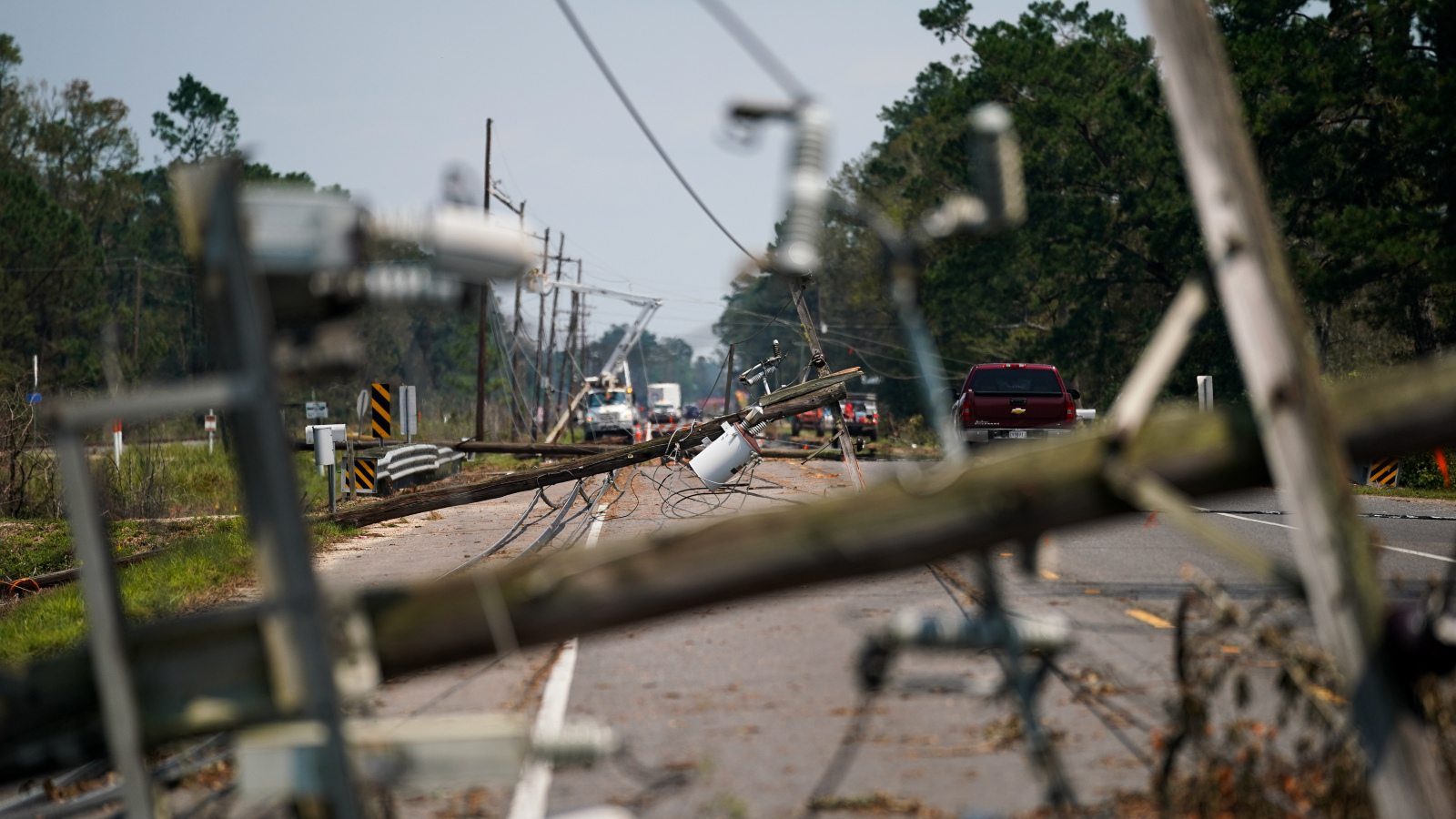
The broader property insurance market has undergone severe turmoil in recent years. Between 2021 and 2024, the cost of property insurance nationwide surged by approximately 24 percent, driven by the escalating frequency of billion-dollar weather and climate disasters. Fueled by greenhouse gas emissions primarily generated by the burning of fossil fuels, global temperatures have destabilized weather patterns, intensifying hurricanes, severe convective storms, and wildfires. As payouts soar, insurers have responded by pulling back from high-risk markets, drastically limiting coverage options, or implementing steep rate hikes.
Historical Precedents of Industry Discrimination
While the insurance industry defends its modern actuarial practices, consumer advocates point to a well-documented history of discriminatory corporate behavior that persisted long after the passage of the Fair Housing Act. Throughout the late 20th century, numerous high-profile enforcement actions and civil rights lawsuits exposed systemic redlining within the property and casualty insurance sector.
In the 1990s, a landmark federal lawsuit against Nationwide Insurance revealed corporate policies that actively discouraged agents from operating in Black neighborhoods, categorized Black ZIP codes as high-risk or undesirable, and utilized racial profiling techniques to deny or restrict coverage to Black homeowners. The case ultimately resulted in a $17.5 million settlement.
Similarly, American Family Mutual Insurance Company entered into a consent decree and agreed to pay more than $16 million to settle allegations that it systematically provided inferior policies to Black homeowners or denied them coverage entirely based on their race. Critics argue that the institutional habits formed during these eras have evolved into sophisticated, automated practices that continue to disadvantage minority communities today.
The Path Forward: Policy Solutions and Resilience Investments
As the climate crisis accelerates and insurance markets tighten, policy experts, consumer advocates, and industry representatives agree that proactive intervention is urgently required, though they diverge on the appropriate remedies.
The Consumer Federation of America’s report calls upon state lawmakers, insurance commissioners, and federal regulators to aggressively enforce fair housing laws, mandate greater transparency from insurance carriers regarding their proprietary algorithms, and scrutinize rating factors that result in disproportionate racial burdens.
Moira Birss, a senior fellow at the progressive think tank Climate and Community Institute, described the sheer scale of the financial disparities as untenable within the context of the broader national cost-of-living crisis. “When we’re thinking about how we’re having an affordability crisis in this country… that’s unconscionable,” Birss stated, adding that without greater transparency from the industry, it is difficult to view these persistent divides as anything other than structural discrimination. “Unless the insurance industry wants to give us more information about why this is happening, it’s pretty hard not to interpret this as pretty serious racial discrimination.”
Conversely, industry representatives like Friedlander advocate for a primary focus on physical risk reduction and community resilience. Proponents of this view argue that lowering the actual physical vulnerability of homes through enhanced building codes, targeted hardening programs, and increased public and private mitigation funding is the most effective mechanism to reduce claims frequency, stabilize premiums, and make coverage accessible across all communities.
Nevertheless, as climate change continues to reconfigure the geography of risk across the United States, the convergence of environmental vulnerability and economic inequity presents an unprecedented test for policymakers. Without intentional interventions to address the compounding costs of insurance, the American dream of homeownership threatens to slip further out of reach for millions of Black and Hispanic families.