The morning sun beat down mercilessly on rows of steamy greenhouses in Leicester, North Carolina, just outside of Asheville, casting a heavy, humid haze over workers moving quietly through aisles of marketable houseplants. On the Tuesday immediately following Labor Day, a small, determined coalition of activists marched past the sprawling facility’s security gates. Their destination was the administrative office of Costa Farms, the largest grower of indoor houseplants in the world.
The group, led in part by Oscar Rozo—an Episcopal clergyman dedicated to serving Spanish-speaking immigrant communities across Western North Carolina—carried a petition demanding sweeping labor reforms. Specifically, the document urges Costa Farms to implement mandatory protections against extreme heat, including guaranteed access to clean drinking water, adequate shade structures, and paid rest breaks.
“We’re part of the community,” Rozo told Costa Farms managers who met the group before asking them to vacate the property. “The nursery industry has been part of Asheville’s economy for a long time.” As the activists lined the facility’s corridors, workers looked on curiously from a distance, hesitant to approach due to the sensitive nature of labor organizing in the agricultural sector.
This demonstration in North Carolina was not an isolated event. It formed a single piece of a synchronized, multi-state day of action organized by WeCount, a worker-led labor and human rights organization. The campaign targeted all five states where Costa Farms operates major nurseries. Earlier that same day, WeCount co-executive director Oscar Londoño helped deliver an identical petition to a Costa Farms facility in Florida.
“We consider this a very historic day of action,” Londoño said following the delivery. “And we know this is only the beginning.”
The Legislative Landscape and the Birth of Planting Justice
Since 2021, WeCount has operated at the forefront of advocacy for outdoor laborers who routinely face unchecked heat hazards. Headquartered in South Florida, the organization previously spearheaded a campaign for a municipal heat standard in Miami-Dade County, where mortality rates from extreme heat exposure are projected to spike by 600 percent during prolonged heatwaves.
However, those municipal efforts hit a definitive roadblock in 2024. Following intense lobbying and complaints from business and agricultural industry groups, Florida Governor Ron DeSantis signed a sweeping preemption law blocking local governments from enacting independent workplace heat standards. Governor DeSantis defended the legislation by arguing that localized regulations could create “a lot of problems” for employers.
Faced with stalled legislative avenues at both the local and state levels, WeCount launched its broader initiative: the Planting Justice campaign. Designed to protect outdoor laborers across the American South, the campaign aims to bring massive agricultural corporations to the negotiating table while building consumer awareness regarding the origin of common household goods and the human toll exacted to produce them.

The strategy relies heavily on the model of worker-driven social responsibility. WeCount’s current organizing framework draws deep inspiration from the Fair Food Program, a landmark initiative established in 2015 by the Coalition of Immokalee Workers. Widely regarded as the gold standard for agricultural labor protections in the United States, the Fair Food Program has successfully utilized market-driven accountability to eliminate systemic abuses and continuously adapt to worker needs. For instance, while drinking water remains a foundational tenet of the program, participating workers successfully lobbied to guarantee year-round access to electrolyte supplements and beverages to combat dehydration.
“We know that every year this crisis is getting worse,” Londoño explained, pointing to climbing global temperatures exacerbated by human-driven climate change. “But increasingly, legislative avenues are more and more limited.”
The Rising Toll of Extreme Heat on Agricultural Workers
Heat stands as the deadliest form of severe weather in the United States, routinely causing more fatalities annually than hurricanes, floods, and tornadoes combined. Despite this grim statistic, official government metrics drastically underreport the true scope of heat-related mortality. A comprehensive two-year investigation conducted by Boston University and NPR revealed that public health tracking systems fail to capture thousands of heat-aggravated deaths each year.
For years, labor unions, public health experts, and community advocates have pushed the federal government to establish a nationwide heat standard—a binding set of safety rules that would require employers across all sectors to protect workers from heat illness. While the Occupational Safety and Health Administration (OSHA), the nation’s primary workplace regulator, appeared to make headway toward implementing federal heat protections during the Biden administration, those regulatory efforts have subsequently slowed down and faced intense congressional pushback.
For agricultural workers, the regulatory vacuum is even starker. Plant nursery workers and traditional farmworkers are categorically excluded from federal collective bargaining rights under the National Labor Relations Act. At the same time, epidemiological data underscores the extreme vulnerability of this demographic: agricultural workers are more than 35 times more likely to die from heat-related illnesses than workers in any other civilian industry.
Corporate Responses and Counter-Claims
In response to the protests and the release of the Planting Justice campaign, Costa Farms defended its operational standards, highlighting existing internal programs designed to safeguard employee health. Ariana Cabrera de Oña, the company’s senior vice president, general counsel, and head of human resources, stated that Costa Farms has received numerous industry accolades for its workplace safety protocols.
“We have a full-time, on-site nurse with a functional medical clinic, and our robust heat protection policy is aligned with the proposed OSHA heat safety rules,” Cabrera de Oña said.
According to company literature and case studies, Costa Farms instituted daily five-minute safety briefings between supervisors and workers following the disruption of Hurricane Helene in North Carolina. These meetings are intended to review potential health risks, including daily weather forecasts. Furthermore, the company asserts that when specific wet-bulb temperature thresholds are reached, workers are granted increased break frequencies and access to expanded hydration stations.
Despite these corporate assertions, worker testimony collected by organizers paints a starkly different picture. The core demand of the Planting Justice campaign is for Costa Farms to formally sign a binding code of conduct drafted by the workers themselves. The agreement outlines straightforward preventative measures: training employees and supervisors to recognize early symptoms of heat-related illness, guaranteeing regular access to shade, clean water, and rest breaks, and establishing independent monitoring systems to address heat stress in real time.
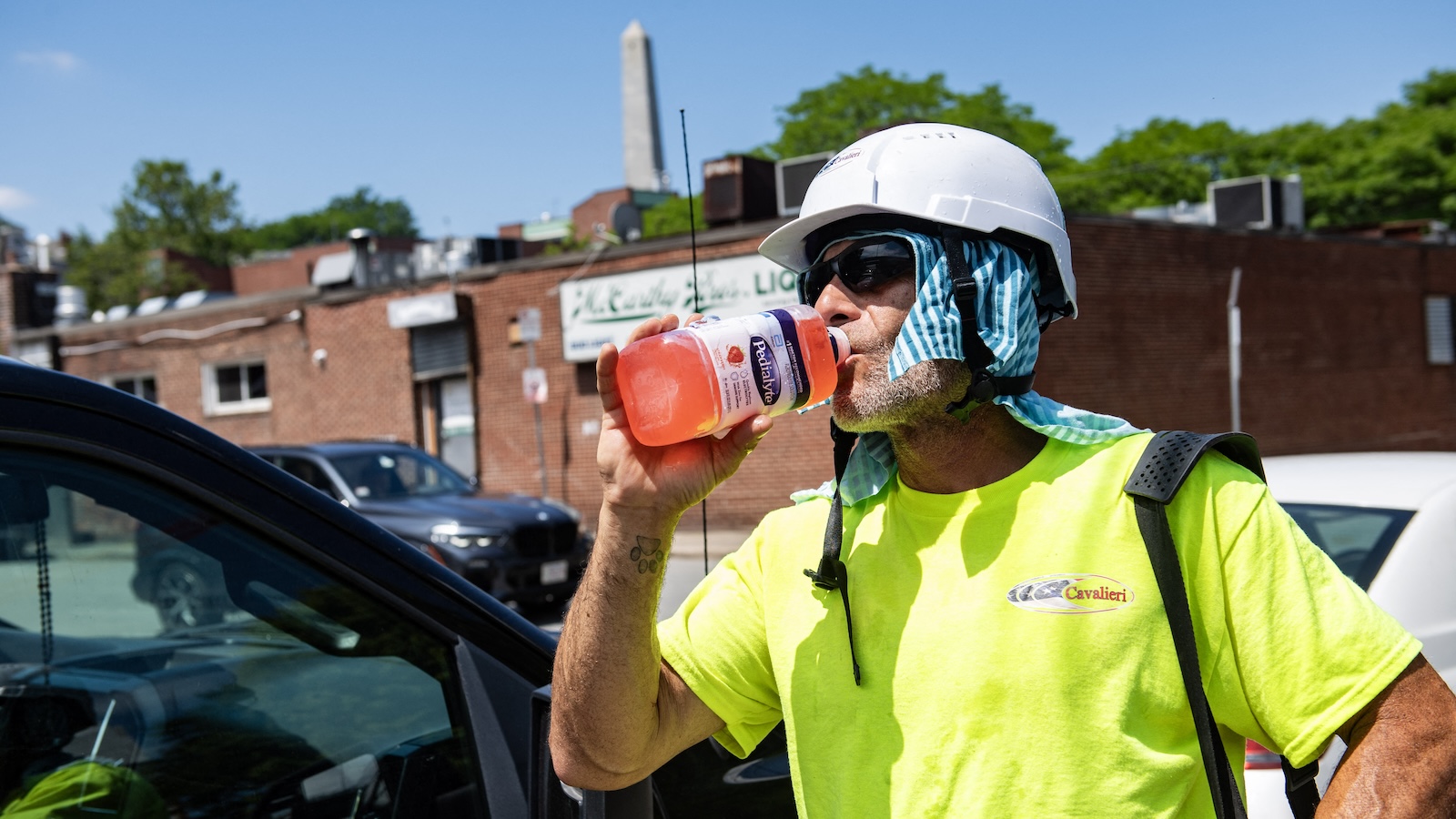
Organizers argue that corporate policies often fail to reflect daily workplace realities. While Costa Farms maintains that hydration stations are readily available, Londoño noted that workers have frequently reported being supplied with water that carries a strong chemical odor or finding mold inside communal water coolers.
These grievances were echoed by Alejandro Gonzales, a Costa Farms nursery employee originally from Guatemala, who spoke at a mobilization event in Florida. Describing conditions during peak summer months when ambient temperatures regularly exceed 110 degrees Fahrenheit, Gonzales testified through a translator that workers are frequently denied clean drinking water, adequate shade, and proper rest intervals.
A comprehensive survey published by WeCount titled The Human Cost of Houseplants revealed that 86 percent of surveyed Costa Farms employees experienced dangerous job-related incidents, ranging from acute heat illness and pesticide exposure to physical workplace accidents. More than two-thirds of respondents reported being systematically denied regular breaks and designated days off.
Compounding these hazards is the precarious legal status of many greenhouse laborers. Dependent on H-2A temporary agricultural worker visas or working entirely undocumented, many employees possess minimal legal recourse. Their housing is frequently tied directly to their employment, leaving them deeply vulnerable to retaliation and unable to rely on standard federal labor protections should they speak out against unsafe conditions.
Broadening the Scope: Supply Chain Accountability
WeCount views the September demonstrations as merely the opening salvo in a sustained campaign. Moving beyond direct engagement with agricultural producers, the organization is turning its attention to the retail end of the supply chain. Activists are actively calling upon major corporate retailers—including home improvement giant Home Depot and multinational furniture retailer IKEA, both of which source ornamental plants from Costa Farms—to audit their supply chains and exclusively partner with growers who adhere to worker-backed safety codes.
As climate change continues to drive more frequent, intense, and prolonged heat domes across North America, the intersection of corporate supply chains, agricultural labor, and environmental health is drawing unprecedented scrutiny. For the activists who marched through the gates in Leicester and the workers laboring quietly in the greenhouses, the fight for basic workplace safety is ultimately a question of human dignity.
After delivering their petition to administrative staff on Tuesday afternoon, Rozo and the coalition of activists were promptly asked to leave the premises. They complied, walking back out through the gates, leaving the documents in the hands of management—and signaling that the pressure on the houseplant industry has only just begun.