As global metropolitan areas grapple with rising living costs and fluctuating fuel prices, public transportation systems worldwide are experiencing a resurgence in ridership. Commuters increasingly turn to buses, subways, and light rail networks to alleviate daily travel expenses. However, this influx of diverse populations into shared spaces has intensified long-standing friction regarding commuter etiquette. While mass transit remains an essential urban lifeline, the absence of universally enforced behavioral norms frequently degrades the passenger experience, leading to conflicts over noise, cleanliness, and personal space.
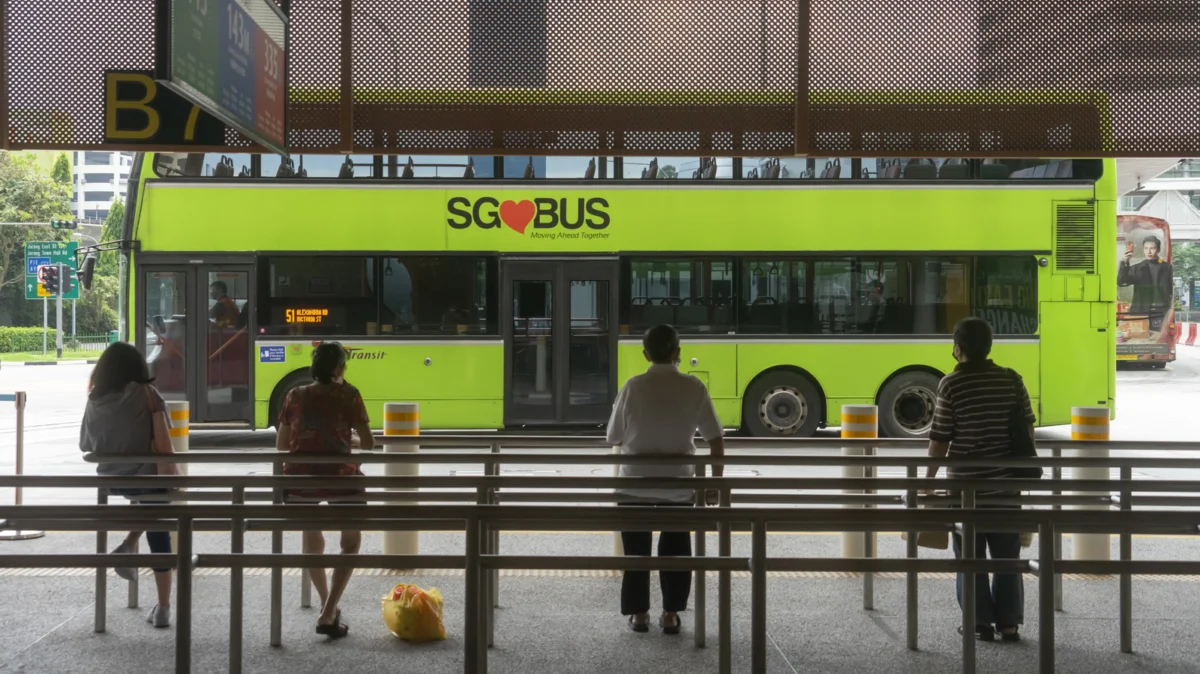
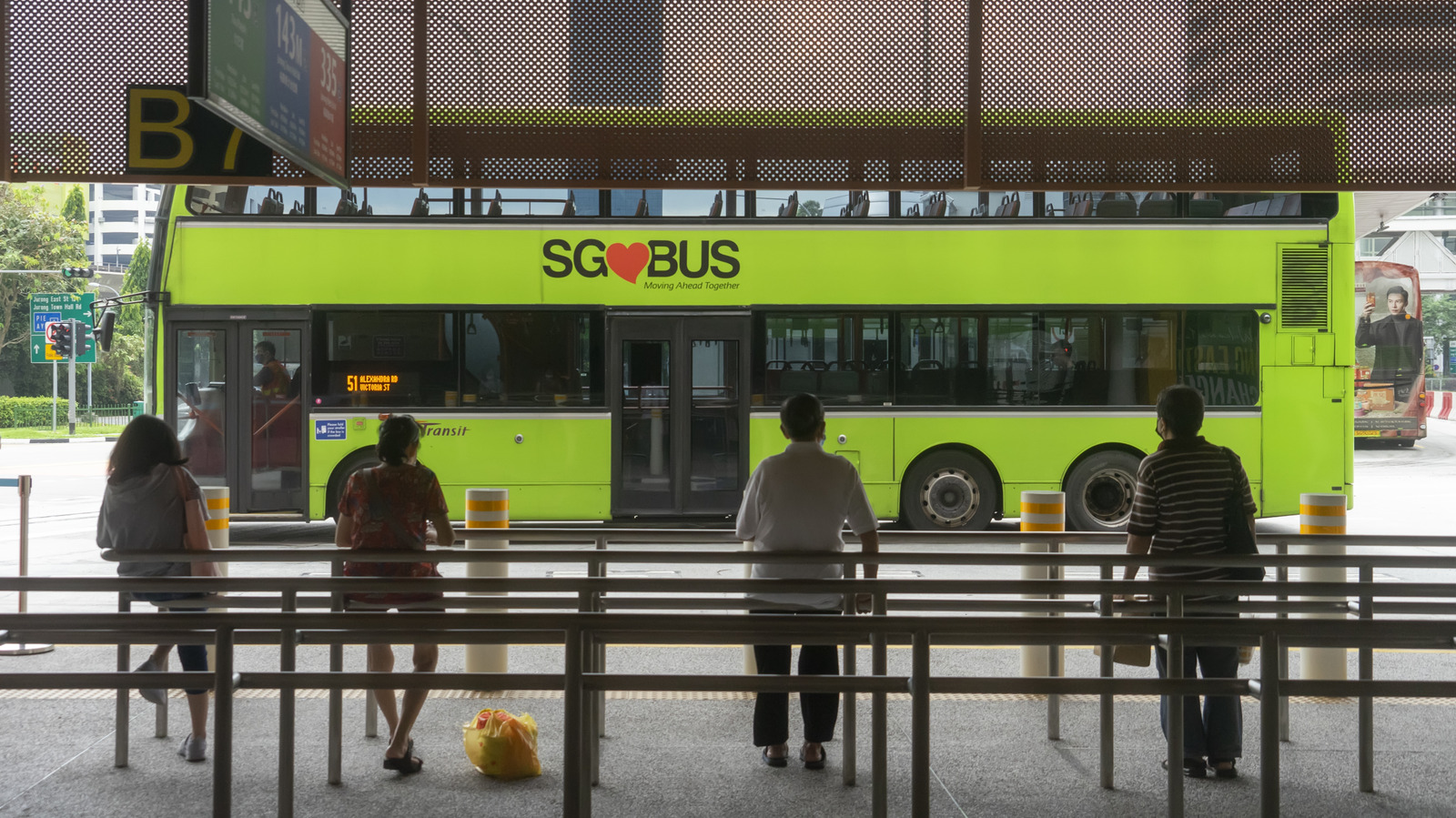
In response to persistent disruptions, the government of Singapore is implementing stringent regulatory measures to curb anti-social behavior across its municipal bus networks. Building upon a framework of existing subterranean transit codes, the city-state has empowered transport authorities to issue severe financial penalties for infractions that compromise public comfort and hygiene. This legislative shift transforms informal courtesy guidelines into legally actionable offenses, setting a rigorous precedent for urban transit management globally.
Evolution of Singapore’s Transit Regulations and Chronology
Singapore has long maintained a reputation for meticulous public order, largely sustained through targeted legislation and civic enforcement. While the nation’s Mass Rapid Transit (MRT) subway system has operated under strict prohibitions against eating, drinking, and disruptive noise for decades, its surface-level bus networks historically relied more heavily on social norms than direct punitive enforcement by transit staff.
The transition toward formalized penalties on buses began to take shape through a structured timeline of policy announcements and legislative amendments:
- December 2024: Public transport operators initiated an educational campaign, deploying informational signage across municipal buses. These notices explicitly advised commuters to minimize noise levels, restrict personal belongings to a single seat, and refrain from occupying vehicle floors.
- October 2025: The Parliament of Singapore passed a pivotal legislative amendment granting expanded powers to authorized transit personnel. Prior to this change, bus captains were limited to requesting uncooperative passengers to disembark or escalating incidents to law enforcement officers. The amendment authorized designated transit operators to issue administrative notifications to individuals suspected of violating conduct codes, initiating formal investigations by the Land Transport Authority (LTA).
- September 2026: Enforcement mechanisms reached operational maturity with the formal rollout of structured administrative fines, aligning surface transit rules with the comprehensive disciplinary framework long established for the MRT system.
Categorization of Offenses and Financial Penalties
The newly codified infractions target specific behaviors identified as detrimental to the collective commuting environment. Under the updated regulatory framework, penalties are divided into tiers based on the severity of the disruption and the potential hazard posed to fellow passengers.
Minor infractions, carrying administrative fines up to 500 Singapore Dollars (approximately $390 USD), encompass a range of discourteous activities. These include playing audio content from mobile devices without headphones—such as phone calls, music, or video streaming applications—occupying additional seats with baggage or body positioning, placing footwear on upholstery regardless of cleanliness, consuming food or beverages where prohibited, and leaving refuse behind.
More severe offenses carry significantly steeper consequences. Actions that result in damage or contamination to transit property, or those that create genuine physical hazards for other passengers, can incur fines reaching up to 5,000 Singapore Dollars (approximately $3,900 USD). These measures aim to eliminate the degradation of shared infrastructure and deter reckless actions that compromise passenger safety.
Global Perspectives on Transit Etiquette Enforcement
Singapore’s legislative approach reflects a broader international movement among major metropolitan areas seeking to reclaim public transit spaces from chronic noise pollution and anti-social conduct. Public authorities in various global cities have increasingly utilized regulatory tools and public campaigns to address commuter friction, often referred to colloquially in the United Kingdom as "sodcasting"—the practice of broadcasting personal audio through mobile speakers in enclosed public spaces.
In the United Kingdom, transport officials in London launched targeted etiquette campaigns on the Underground network to discourage un-headphoned media consumption. Commuters who repeatedly disregard requests to use headphones face potential expulsion from the system alongside statutory fines reaching up to £1,000 (approximately $1,350 USD).
Similar regulatory models exist across Europe and Asia. Municipalities such as Beijing, Kraków, and Toronto enforce explicit prohibitions against un-headphoned audio playback on public transit. In France, legal enforcement mechanisms have also targeted verbal disturbances; recent administrative actions saw a rail passenger fined €200 ($200 USD) for conducting an extended speakerphone conversation at Nantes Station and refusing to comply with station staff directives.
Socioeconomic and Operational Implications
The enforcement of rigorous transit codes carries multifaceted implications for urban mobility, municipal governance, and civic culture. Proponents of strict regulatory oversight argue that predictable, quiet, and clean environments are essential prerequisites for encouraging broader adoption of public transportation. By mitigating sensory overload and baseline sanitation concerns, transit agencies can enhance the overall attractiveness of mass transit relative to private automobile use, supporting broader urban sustainability and congestion-mitigation goals.
Conversely, critics and civil liberties advocates frequently scrutinize the expansion of administrative penalization powers, raising questions regarding equitable enforcement, potential overreach by non-law-enforcement personnel, and the proportionality of fines relative to minor social infractions. The delegation of investigative authority to designated transit operators necessitates robust oversight mechanisms to ensure transparent and consistent application across diverse commuter demographics.
As urban centers continue to dense and public resources face competing demands, Singapore’s model offers a distinct case study in state-backed behavioral regulation. Whether these financial deterrents will fundamentally reshape commuter habits over the long term remains to be observed, but the initiative unequivocally establishes a high threshold for accountability in shared civic spaces.