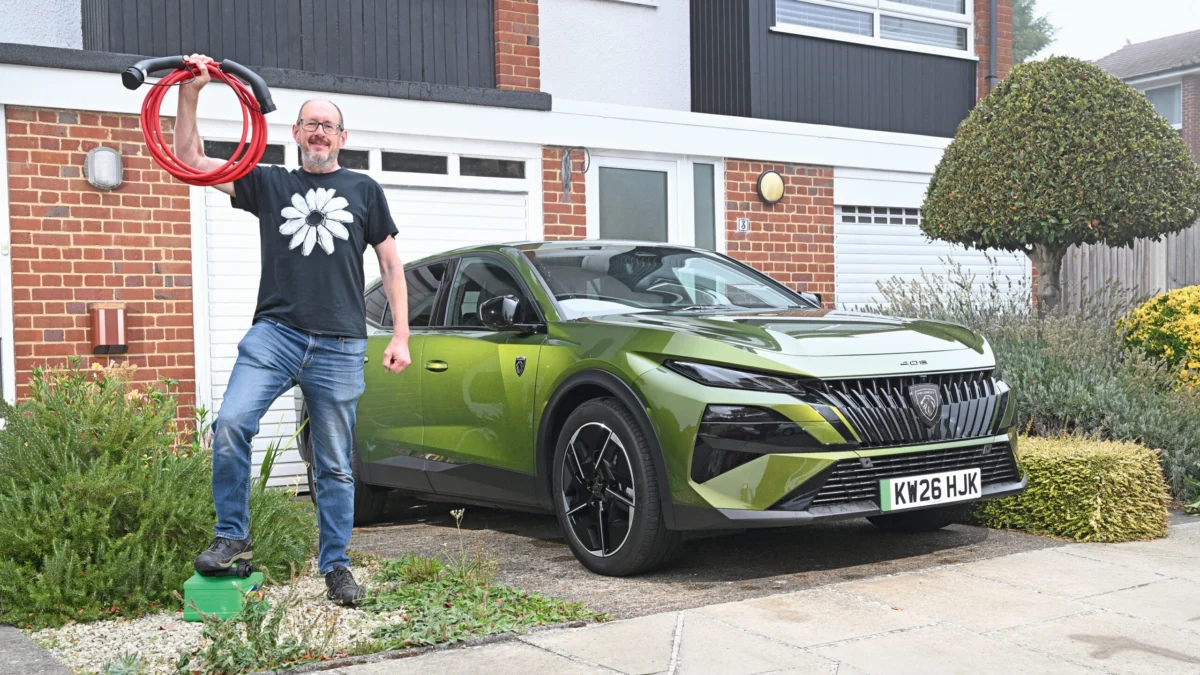
The automotive industry is currently navigating a pivotal transition as manufacturers shift focus from internal combustion engines (ICE) to battery electric vehicles (BEVs). Within this landscape, the Peugeot E-408 GT Premium has emerged as a significant contender, representing the brand’s commitment to combining aesthetic innovation with electrified performance. Since its introduction to the fleet in September 2026, the E-408 has undergone extensive real-world testing to determine its viability as a primary family vehicle, balancing the demands of daily utility against the realities of charging infrastructure and ergonomic design.
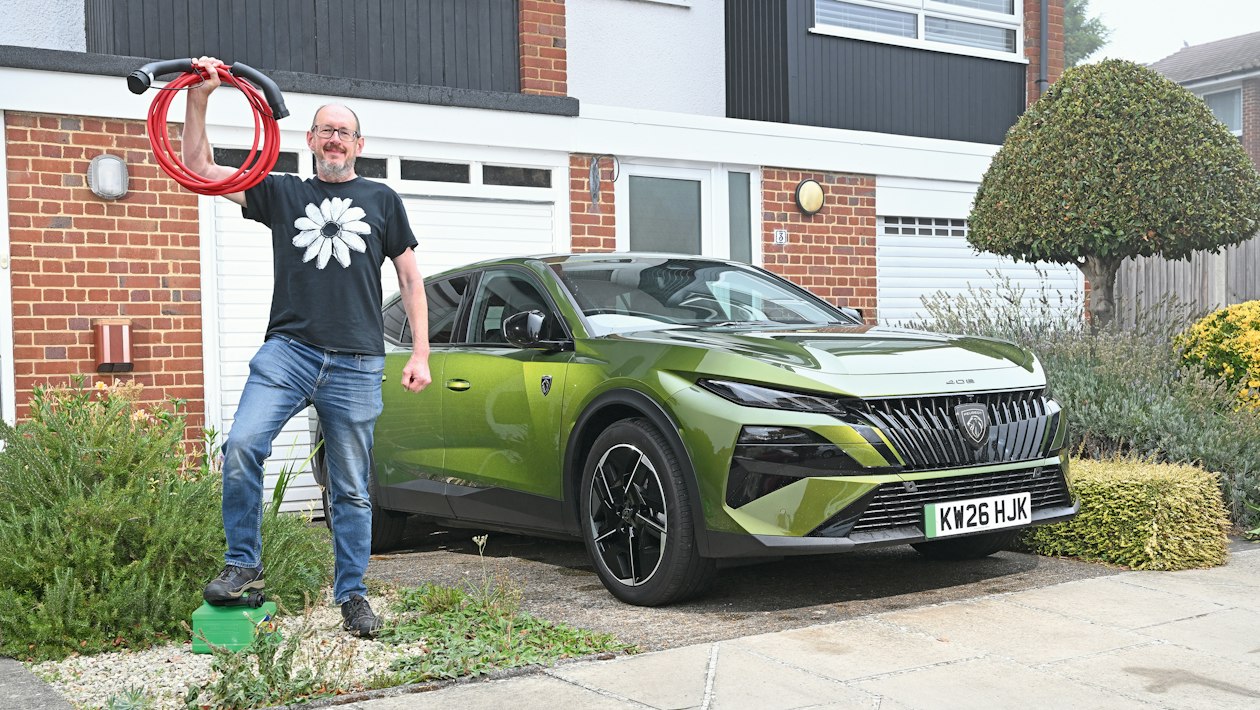
The Peugeot E-408 is built upon the modular EMP2 V3 platform, a versatile architecture shared across the Stellantis group. This foundation allows for the integration of a 58kWh battery pack coupled with a single electric motor, producing a total output of 207bhp and 343Nm of torque. The vehicle is positioned in the competitive fastback segment, designed to challenge traditional crossovers by offering a lower, more aerodynamic profile without sacrificing the interior volume expected by families.
Chronology of Initial Ownership and Operational Experience

The testing period commenced in September 2026. Over the first 1,258 miles of operation, the vehicle was subjected to a diverse range of driving environments, primarily consisting of short-distance urban commuting—school runs, local shopping, and extracurricular transport. This usage pattern highlights the primary use case for many modern EV owners who benefit from off-street parking and home-based charging solutions.
Early in the testing cycle, the vehicle’s availability was interrupted by a technical setback—a puncture—which necessitated a week of downtime. While this incident is classified as a standard maintenance issue rather than a mechanical fault, it serves as a reminder of the practical considerations of fleet management. Beyond this interruption, the vehicle has demonstrated consistent performance. The transition from a mild-hybrid Volkswagen Tiguan to the fully electric E-408 has allowed for a comparative assessment of driving dynamics. The immediate torque delivery of the electric motor offers a distinct advantage in stop-start traffic, while the near-silent operation significantly reduces cabin fatigue during city driving.

Design and Ergonomic Considerations
The Peugeot E-408’s design language is a departure from conventional family transport. The Flare Green exterior, provided as a standard finish on the GT Premium trim, has served as a focal point for the vehicle’s market appeal. In a segment often characterized by conservative styling, the fastback silhouette and aggressive lighting signatures differentiate the E-408 from high-volume competitors.

Inside, the cabin features a blend of premium materials, including leather and Alcantara upholstery, complemented by contrast stitching. However, the integration of Peugeot’s signature i-Cockpit layout continues to provoke debate. The design philosophy behind the i-Cockpit involves a small, low-mounted steering wheel paired with a high-set instrument cluster. For drivers exceeding six feet in height, this layout necessitates a specific seating posture to maintain visibility of the gauges.
This ergonomic requirement often forces a compromise: the steering wheel must be positioned lower than the driver’s natural preference, which in turn necessitates sliding the seat further back to prevent leg contact with the steering column. While this configuration is manageable, it creates a secondary complication regarding infotainment accessibility. The touchscreen, which serves as the primary interface for climate control and media, is situated at a distance that requires the driver to lean forward. When utilizing smartphone mirroring software such as Apple CarPlay, the interface scaling can result in smaller touch targets, making navigation and audio adjustments cumbersome while in motion.

Performance and Efficiency Metrics
Efficiency is a critical benchmark for the E-408, particularly given the growing demand for accurate range reporting. Data collected over the initial 1,258 miles indicates an average efficiency of 4.0 miles per kilowatt-hour (mi/kWh). This figure is highly competitive for the segment, suggesting that the vehicle’s aerodynamic fastback shape contributes positively to energy consumption, even in suboptimal weather conditions.

The vehicle’s handling characteristics are described as having a slight initial firmness, likely a result of the suspension tuning required to manage the weight of the 58kWh battery. This firmness translates into controlled body movement at lower speeds, though it levels out into a more compliant ride as velocity increases. The ability to customize assistance features—specifically the ability to deactivate certain intrusive driver aids with a single button press—has been noted as a significant convenience feature for daily operation.
Technical Analysis and Market Context
The E-408 enters a market saturated with options, yet it manages to occupy a niche by offering a design-led alternative to the utilitarian SUVs that currently dominate European roads. From a technical standpoint, the choice of a 58kWh battery pack places the E-408 in the mid-range of current EV offerings. It is neither a long-range touring car nor an entry-level city runabout, but rather a "middle-ground" vehicle designed for the average European household’s daily requirements.
A notable technical omission is the lack of a rear window wiper. While this design choice aligns with the vehicle’s aesthetic and aerodynamic goals, it presents a functional challenge during adverse weather. The steeply raked rear glass does not clear water as effectively as a vertical window, leading to reduced rearward visibility. In a safety-conscious market, this remains a point of contention for potential buyers who prioritize utility alongside style.
Broader Impact and Implications
The automotive industry is currently observing the effects of potential tax policy shifts. Recent discussions in legislative circles, including those surrounding the UK’s upcoming budget, have sparked speculation regarding a "heavy car tax" or weight-based levies on vehicles. Because the E-408 is a fully electric vehicle with a zero-emissions rating, it currently benefits from favorable tax treatments, including a low benefit-in-kind (BIK) rate of 4%. However, as governments look to recoup lost fuel duty revenue, the long-term cost-of-ownership models for EVs are expected to evolve.
Manufacturers like Peugeot are increasingly moving toward subscription-style services and digital-first interfaces to maintain customer engagement. The E-408 is representative of this trend, relying heavily on its software ecosystem. The success of this model will depend on the brand’s ability to refine the user interface (UI) and user experience (UX) to ensure that cabin technology does not detract from the driving experience.
Future Outlook for the Testing Program
As the long-term test progresses, the focus will shift toward long-distance reliability and the efficacy of the vehicle’s charging curve during colder winter months. Testing the 58kWh battery’s performance in low temperatures will be essential for providing a complete picture of the E-408’s capabilities. Additionally, the continued evaluation of the interior ergonomics will determine whether the initial adjustments made to the seating position remain sustainable over thousands of miles.
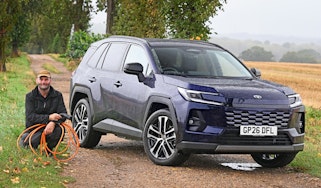
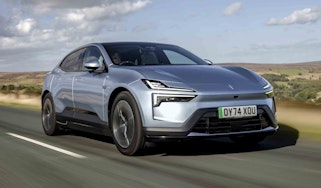
The Peugeot E-408 GT Premium represents a bold step for a manufacturer attempting to bridge the gap between traditional French flair and the new era of electric mobility. With a starting price point of £39,095, it sits in a bracket where expectations for both quality and functionality are high. While it faces stiff competition from established players like Toyota and emerging brands like Polestar, its unique visual identity and respectable efficiency figures provide a strong foundation for its ongoing evaluation. The next phase of this long-term report will delve deeper into the vehicle’s infotainment longevity and its ability to withstand the rigors of high-mileage usage, ultimately providing a comprehensive verdict on its standing in the 2026 automotive market.