Latin American Politics: Navigating Complexities of Governance and Social Transformation
Latin American politics is a dynamic and multifaceted arena characterized by a persistent struggle for social justice, economic development, and democratic consolidation. The region’s political landscape is deeply marked by its colonial past, a history of authoritarianism, and persistent socio-economic inequalities. These historical legacies continue to shape contemporary political debates and outcomes, influencing everything from electoral processes and policy formulation to social movements and international relations. Key themes that pervade Latin American politics include the challenges of establishing and maintaining robust democratic institutions, the perennial debate between state intervention and market liberalization in economic policy, the enduring impact of social stratification and identity politics, and the region’s evolving role on the global stage. Understanding these core dynamics is crucial for comprehending the region’s diverse political trajectories.
Democratic governance in Latin America remains a central preoccupation, with varying degrees of success and recurring challenges. While the late 20th century witnessed a broad transition from authoritarian regimes to democratic systems, the consolidation of these democracies has been uneven. Factors such as corruption, weak rule of law, and the influence of powerful economic elites continue to undermine public trust and institutional effectiveness. The rise of populist leaders, often on both the left and right of the political spectrum, presents a recurring phenomenon. These leaders frequently leverage popular discontent with established political parties and economic elites, promising radical change and direct representation. However, the sustainability of such leadership and its impact on democratic norms and institutions are subjects of ongoing debate. Electoral systems themselves are often points of contention, with debates surrounding proportional representation, majority rule, and the potential for electoral manipulation. Citizen participation, beyond voting, through social movements, civil society organizations, and protests, plays a significant role in shaping political agendas and holding governments accountable. The strength and independence of judicial systems are critical determinants of democratic quality, as is the presence of a free and independent press to facilitate informed public discourse. The region has seen periods of both democratic progress and significant setbacks, highlighting the fragility and ongoing evolution of its democratic experiments.
Economic policy represents another fundamental axis of contention in Latin American politics. The region has historically oscillated between models of state-led development, import substitution industrialization, and market-oriented reforms driven by neoliberal ideologies. The legacy of the "Washington Consensus" in the late 20th century led to widespread privatization, trade liberalization, and fiscal austerity measures across many Latin American nations. While these reforms aimed to foster economic growth and attract foreign investment, they also generated significant social costs, including increased income inequality and the weakening of social welfare programs. In recent decades, a "pink tide" of left-leaning governments sought to reassert state intervention in the economy, implementing social programs, increasing public spending, and re-nationalizing key industries. The effectiveness and sustainability of these approaches have varied significantly across countries. Current economic debates often revolve around finding a balance between market efficiency and social equity, managing commodity price volatility, diversifying economies away from raw material exports, and addressing the persistent issue of informal labor markets. The role of international financial institutions like the IMF and World Bank, and their influence on national economic policymaking, also remains a contentious issue. Debates about fiscal policy, monetary policy, and the regulation of financial markets are central to shaping the economic well-being of citizens.
Social stratification and identity politics are deeply intertwined with the political dynamics of Latin America. The region is characterized by profound inequalities in wealth, income, and access to opportunities, often along lines of race, ethnicity, gender, and class. Indigenous populations, Afro-descendant communities, and other marginalized groups have historically faced systemic discrimination and exclusion, leading to persistent social movements demanding recognition, rights, and redistribution. The political landscape is therefore shaped by the mobilization of these groups, as they seek to challenge power structures and advocate for their specific interests. Issues of land rights, cultural autonomy, and representation are central to these struggles. Gender inequality also remains a significant challenge, with ongoing advocacy for women’s rights, reproductive rights, and greater political participation for women. The rise of identity politics, while empowering for marginalized groups, can also present challenges for forging broader national consensus and addressing collective challenges. Debates surrounding affirmative action, multiculturalism, and social inclusion are thus prominent in political discourse. Understanding these demographic realities and the historical injustices they reflect is essential for grasping the complexities of political alliances, electoral outcomes, and policy priorities.
Latin America’s engagement with the global arena is increasingly significant, impacting its internal political dynamics and its influence on international affairs. Historically, the region has grappled with its relationship with powerful external actors, particularly the United States, which has exerted considerable economic and political influence throughout much of its history. The legacy of interventionism continues to shape perceptions and policy decisions. In recent years, Latin American countries have sought to diversify their international partnerships, forging stronger ties with China, India, and other emerging powers. This diversification offers new opportunities for trade, investment, and political cooperation, but also presents new geopolitical considerations. Regional integration initiatives, such as MERCOSUR, the Pacific Alliance, and UNASUR (though its effectiveness has waned), have aimed to foster economic cooperation, political dialogue, and collective action on shared challenges. However, these initiatives often face internal divisions and varying national priorities. Themes such as migration, drug trafficking, climate change, and regional security are increasingly transnational challenges that require coordinated responses. Latin American countries are also active participants in multilateral forums such as the United Nations, advocating for reforms and promoting their interests on a global scale. The region’s growing economic and demographic weight suggests an increasing role in shaping the global political order, although this influence is often constrained by internal challenges and external pressures. The complex interplay of domestic political forces and international relations defines the evolving trajectory of Latin American politics.
The persistent challenge of corruption remains a significant impediment to democratic governance and socio-economic progress across Latin America. Endemic corruption erodes public trust in institutions, diverts resources away from essential public services, and distorts market competition. Investigations into grand corruption scandals, often involving high-profile politicians and business leaders, have become a recurrent feature of political life in many countries, leading to public outrage and demands for accountability. The lack of transparency and accountability mechanisms, coupled with weak judicial enforcement, often allows corrupt practices to persist with impunity. Efforts to combat corruption include strengthening anti-corruption agencies, promoting judicial independence, and enacting stricter ethical regulations for public officials. However, the deeply entrenched nature of corrupt networks and the influence of vested interests make these reforms challenging to implement effectively. Public awareness campaigns and citizen oversight initiatives play a crucial role in demanding greater integrity from political leaders and public institutions. The relationship between corruption and organized crime is another critical aspect, with illicit economies often funding and influencing political processes. Addressing corruption is therefore not merely a matter of good governance but also a prerequisite for achieving sustainable development and social justice.
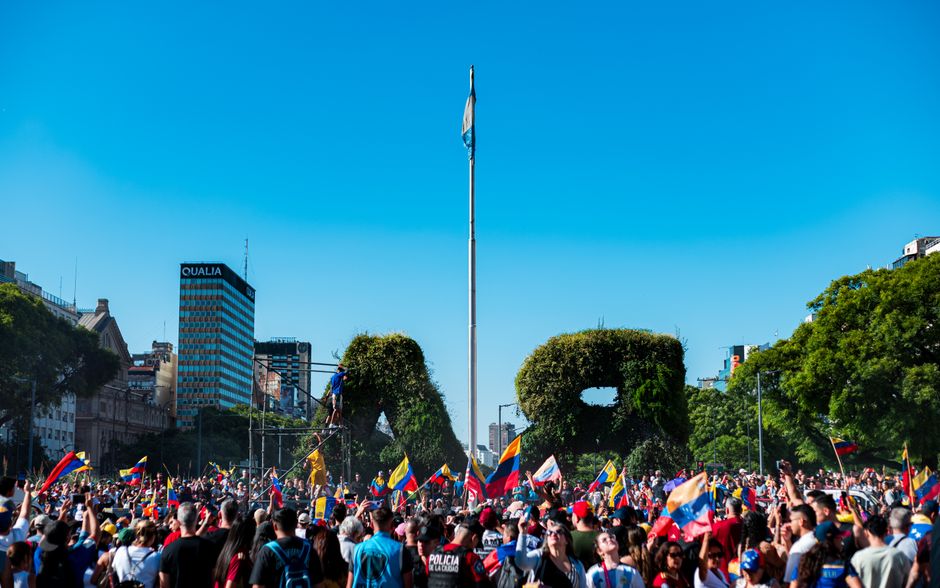
The role of social movements and civil society organizations in Latin American politics is a critical determinant of political change and accountability. These movements, spanning a wide spectrum from indigenous rights and environmental advocacy to feminist and anti-corruption campaigns, have been instrumental in challenging established power structures and pushing for policy reforms. They often act as watchdogs, holding governments accountable and bringing marginalized voices into the political arena. The rise of digital technologies has further amplified the reach and impact of these movements, facilitating mobilization, information dissemination, and the formation of transnational networks. However, social movements also face significant challenges, including repression, co-optation, and internal divisions. The relationship between social movements and political parties is often complex, with movements sometimes acting as incubators for new political leadership and ideologies, while at other times maintaining a critical distance to preserve their autonomy. Understanding the diverse landscape of civil society is therefore essential for comprehending the dynamics of democratic participation and the pursuit of social transformation in the region. The ability of these groups to organize, mobilize, and exert influence is a key indicator of the health of democratic spaces.
The ongoing debate surrounding economic models in Latin America continues to evolve, reflecting a complex interplay of global trends and regional realities. While many countries have embraced market-oriented reforms to varying degrees, concerns about rising inequality, the impact of extractivism, and the need for greater economic diversification remain prominent. The reliance on commodity exports, a historical characteristic of many Latin American economies, leaves them vulnerable to global price fluctuations and can exacerbate environmental degradation. This has spurred calls for a transition towards more sustainable and diversified economic structures, emphasizing sectors like renewable energy, technology, and value-added manufacturing. Debates about fiscal policy are also crucial, with discussions centering on the need for progressive taxation, efficient public spending, and the management of public debt. The role of foreign investment, while often welcomed, is also scrutinized for its potential impact on domestic industries and labor rights. The informal economy, a significant feature of many Latin American labor markets, presents unique challenges for social protection, tax collection, and economic regulation. Innovative policy approaches are constantly being explored to address these multifaceted economic challenges.
The influence of historical narratives and memory plays a significant role in shaping contemporary Latin American politics. The legacies of colonialism, dictatorship, and past human rights abuses continue to inform political discourse and shape societal attitudes. Processes of truth and reconciliation, often established after periods of authoritarian rule, aim to address past injustices and foster national healing. However, the interpretation and commemoration of historical events can themselves become politicized, leading to ongoing debates about national identity and historical responsibility. The role of education in shaping historical consciousness is therefore a crucial aspect of political development. The emergence of new historical narratives and the reinterpretation of past events by marginalized communities can challenge established orthodoxies and contribute to a more inclusive understanding of national history. The political implications of how a society remembers its past are profound, influencing present-day demands for justice, reparations, and the prevention of future abuses. This engagement with memory is not simply an academic exercise but a deeply political process that shapes the very fabric of society.
The increasing interconnectedness of Latin America with the global economy and international political systems presents both opportunities and challenges. While globalization has facilitated trade and investment, it has also exposed the region to external economic shocks and exacerbated existing inequalities. The rise of new global powers, particularly China, has altered traditional geopolitical alignments and created new avenues for economic and political cooperation. Regional integration initiatives, while facing obstacles, continue to be important platforms for addressing shared challenges and enhancing collective bargaining power on the international stage. Issues such as climate change, migration, and transnational crime require coordinated regional and global responses. Latin American countries are increasingly asserting their agency on the global stage, advocating for a more equitable and multipolar international order. However, their capacity to exert influence is often tempered by internal political instability and economic vulnerabilities. The region’s evolving role in global governance and its engagement with international norms and institutions will continue to be a significant factor in shaping its future political trajectory.
