The landscape for electric vehicle adoption in the United States has shifted significantly over the past 24 months, forcing global manufacturers to recalibrate their long-term production roadmaps. While initial industry projections anticipated a rapid, linear transition to mass-market electric vehicle (EV) ownership, current market conditions—characterized by softening consumer demand, high interest rates, and a volatile regulatory environment—have stalled those ambitions. In response to this cooling retail appetite, Hyundai Motor Company is aggressively pivoting its manufacturing strategy, transforming its high-capacity facilities into hubs for the emerging robotaxi sector.
During a recent industry recruitment and press event in San Jose, California, Hyundai Motor Company CEO José Muñoz articulated a clear vision: rather than succumbing to the asset write-downs that have plagued competitors like Ford and Honda, Hyundai is opting to maximize its existing infrastructure by targeting the autonomous vehicle (AV) market as a primary revenue driver. This strategic realignment turns the company’s Georgia Metaplant, originally designed for consumer EV throughput, into a critical supplier for the autonomous mobility industry.
The Macroeconomic Context of the Pivot
The automotive industry has endured a turbulent period regarding EV investment. Throughout 2023 and 2024, the withdrawal or modification of various federal EV tax credits and the dilution of stringent fuel-economy standards prompted many legacy automakers to scale back their electrification targets. The resulting inventory buildup led to massive financial write-downs as firms struggled to match high production capacities with cautious buyer sentiment.
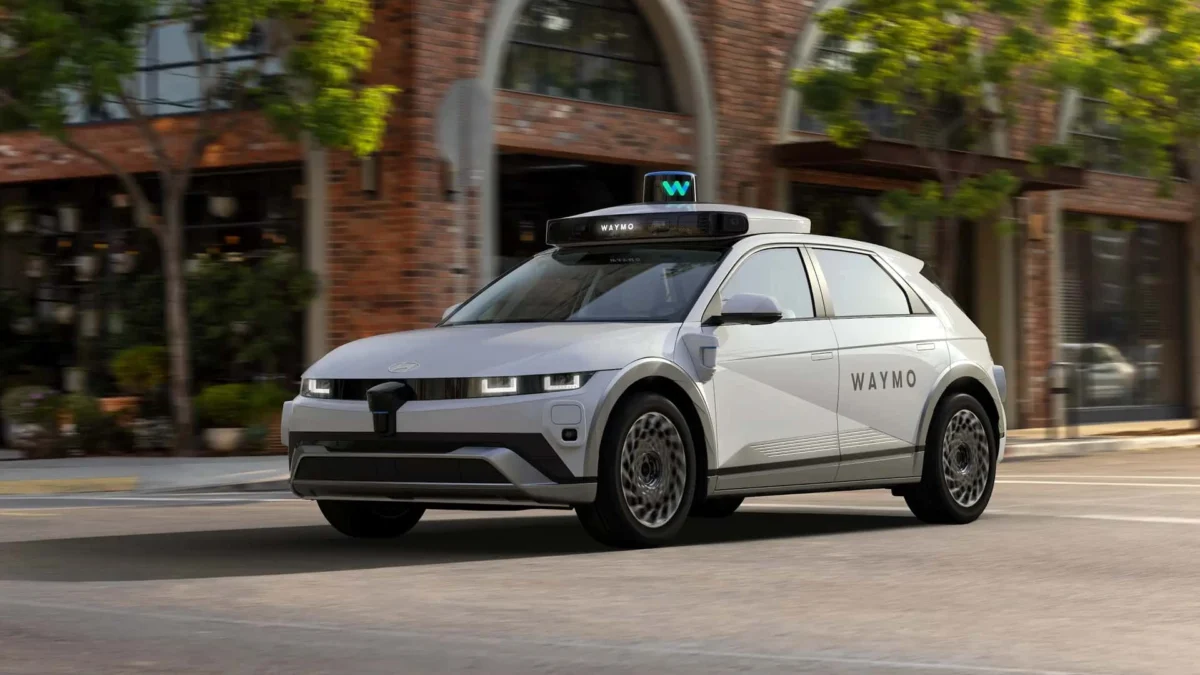
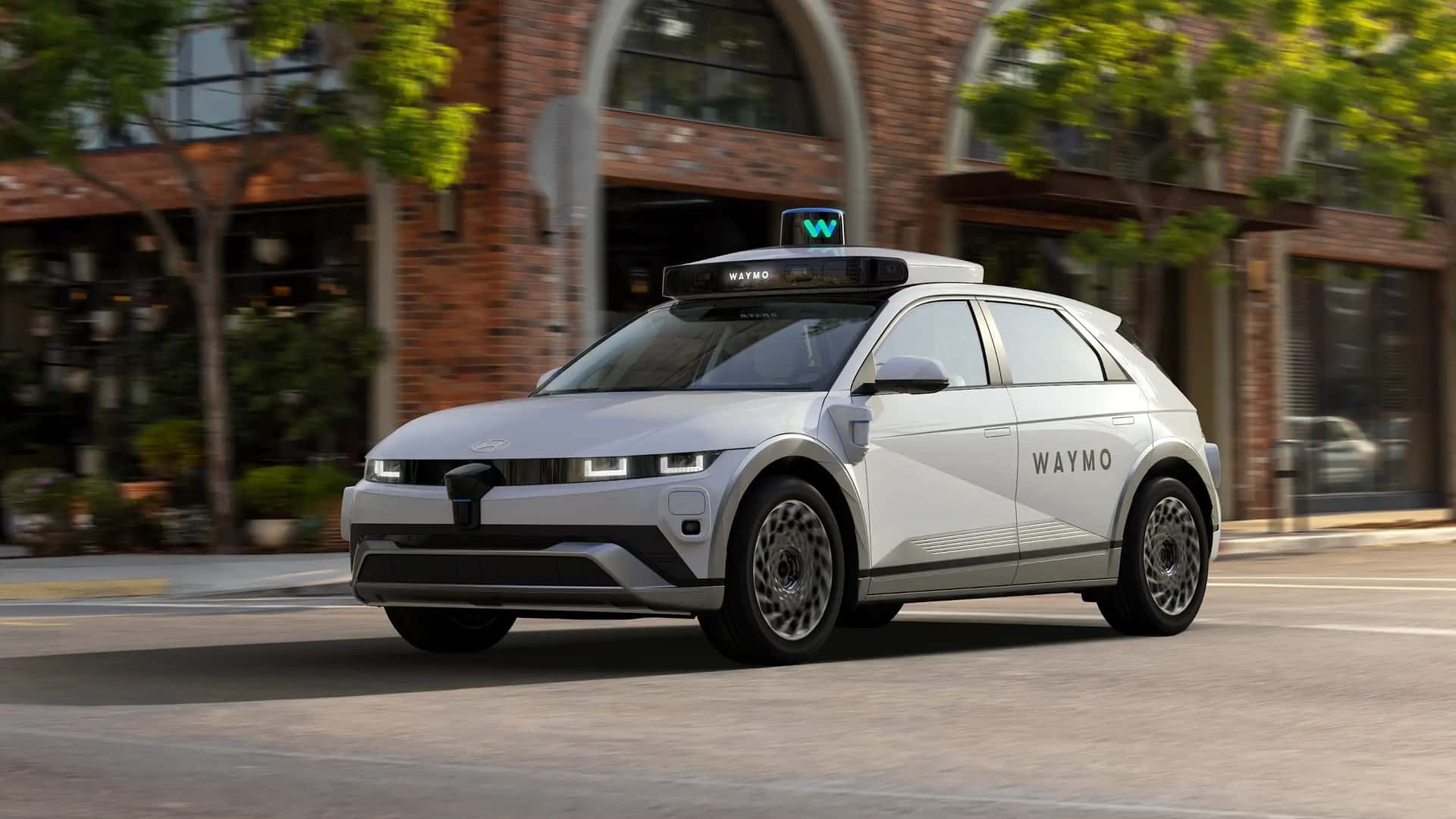
Hyundai’s approach, however, represents a departure from the industry-wide trend of retraction. By intentionally adjusting the production mix at its Georgia facility to include more hybrid vehicles while simultaneously dedicating substantial capacity to the Ioniq 5 robotaxi platform, the company is insulating itself against the volatility of the retail EV market. This strategy acknowledges that while individual consumers may be hesitant to switch to electric propulsion due to charging infrastructure concerns or price points, the commercial demand for autonomous fleets remains robust and theoretically more predictable.
Chronology of the Waymo-Hyundai Partnership
The deepening relationship between Hyundai and Waymo is the centerpiece of this transition. The collaboration, which formally materialized in 2024, has moved rapidly from conceptual framework to industrial execution.
- Mid-2024: Hyundai and Waymo announced a strategic partnership to integrate Waymo’s sixth-generation autonomous driving hardware into the Hyundai Ioniq 5, a model already praised for its modular design and reliable electrical architecture.
- Late 2024: Following the partnership announcement, preparations at the Georgia Metaplant began to prioritize the assembly of these specialized units, ensuring that the necessary electrical and sensor-mounting architecture is built directly into the vehicle’s manufacturing process rather than added post-production.
- Q4 2025 (Projected): Hyundai is scheduled to begin the delivery of the first fleet of production-ready Ioniq 5 robotaxis to Waymo, marking the transition from testing prototypes to active, large-scale commercial deployment.
Unlike the integration process for the Zeekr vans currently in the Waymo fleet—which requires Waymo to outfit the vehicles with sensor suites at its own facilities in Arizona—the Ioniq 5s will arrive from the Georgia plant pre-equipped with the necessary autonomous-ready specifications. This "factory-integrated" approach significantly reduces the time and cost associated with fleet deployment, providing a logistical edge in a market where speed to scale is paramount.
Economic Implications and Market Dynamics
Hyundai’s focus on the robotaxi market is not merely a hedge; it is a calculated effort to establish a profitable, standalone business unit. CEO José Muñoz confirmed that the robotaxi-manufacturing arm is currently operating as a profitable segment. By committing to "tens of thousands" of units, Hyundai is effectively securing a baseline production volume that remains independent of the fluctuations in individual consumer demand.
This shift mirrors broader trends in the tech-auto nexus. As startups and legacy manufacturers alike search for sustainable business models, fleet-based autonomous transport has emerged as a high-volume alternative to traditional retail sales. For instance:
- Rivian: Has entered an agreement with Uber to supply up to 50,000 R2 crossover vehicles, specifically targeting ride-share electrification.
- Lucid Motors: Is aggressively pursuing the commercial space, with agreements to supply 35,000 vehicles to Uber and Nuro, alongside a recent deal with European mobility platform Bolt for an additional 25,000 units.
- Stellantis: Has also positioned itself as a major supplier for Uber’s autonomous ride-hailing initiatives, reinforcing the trend that automotive manufacturers are increasingly serving "Mobility as a Service" (MaaS) providers as their primary volume customers.
Technical and Operational Synergies
The choice of the Ioniq 5 for this role is strategic. The vehicle’s E-GMP platform is highly scalable, allowing for the integration of sophisticated computing stacks and sensor suites without requiring significant chassis redesigns. By manufacturing these vehicles in the United States, Hyundai also positions itself favorably regarding domestic production requirements, even as federal incentives for consumer EVs fluctuate.
For Waymo, the inclusion of the Ioniq 5 allows for a diversified fleet. By spreading its autonomous technology across different vehicle platforms, Waymo mitigates the risks associated with supply chain bottlenecks or individual model recalls. Furthermore, the ability to receive vehicles that are essentially "plug-and-play" ready for the Waymo Driver system allows the company to accelerate its expansion into new geographic markets, including the 14 U.S. cities where it currently operates its 4,000-vehicle fleet.
Future Outlook and Industry Resilience
Looking ahead, Hyundai has signaled that the Waymo partnership is only the beginning. Industry analysts suggest that as urban centers continue to prioritize reduced congestion and carbon-neutral public transport, the demand for fleets of autonomous vehicles will likely grow at a compound annual rate that eclipses retail EV sales growth.
"There is a significant opportunity to scale up," Muñoz noted during his address in San Jose. The "interest" from other potential customers suggests that Hyundai is positioning itself as the primary contract manufacturer for the autonomous era. If the company succeeds in becoming the go-to supplier for robotaxi firms, it will have successfully transformed its EV manufacturing arm into a utility-like business, shielded from the whims of personal car ownership cycles.
Analysis of the Strategic Shift
The broader implications of this move are twofold. First, it validates the necessity of the "platform" approach in modern automotive manufacturing. By creating modular vehicles that can be easily adapted for autonomous use, Hyundai is future-proofing its manufacturing investments. Second, it highlights a fundamental change in how automakers view their customers. The shift from "selling a car to a person" to "supplying a fleet to a software operator" marks a transition from a hardware-centric business model to one that relies heavily on B2B service contracts.
While the retail EV market may currently be in a "sluggish period," the industrial move toward automation and fleet electrification is proving to be a potent stabilizer for the sector. Hyundai’s ability to pivot its Georgia operations—a facility that represents billions in capital investment—demonstrates a level of agility that will be required for any major automaker hoping to survive the volatility of the next decade.
As the industry approaches the final quarter of 2025, the successful rollout of the Hyundai-built Waymo fleet will serve as a bellwether for the rest of the sector. If the integration of factory-ready autonomous vehicles proves both reliable and profitable, the robotaxi segment could well become the primary catalyst for the next wave of electric vehicle adoption, fundamentally altering the trajectory of the automotive industry for the foreseeable future.