The long-standing barrier of high entry costs for electric vehicles is showing signs of meaningful erosion as the automotive industry shifts toward a more sustainable and accessible pricing model. For years, the premium cost associated with battery-electric vehicle (BEV) technology has been a primary deterrent for the average American consumer. However, recent data from Kelley Blue Book (KBB) suggests that the automotive market is witnessing a fundamental correction. As of August, the average transaction price (ATP) for a new electric vehicle was only 9.4% higher than the average cost of a standard combustion-engine vehicle—a significant narrowing compared to the 16% price gap recorded just one year prior.
This transition marks a pivotal moment for the U.S. automotive sector, reflecting a maturation in manufacturing efficiency, a broader diversification of vehicle models, and a move away from the hyper-incentivized sales strategies that characterized the industry’s initial transition to electrification.
A Shifting Financial Landscape
In August, while the broader U.S. automotive market saw the average transaction price for new vehicles rise by nearly 2% to reach $50,089, the electric vehicle segment moved in the opposite direction. The ATP for a fully electric vehicle fell to $54,813, representing a 2.7% year-over-year decrease. This decline is not merely a reflection of Tesla’s aggressive pricing maneuvers—which have long set the tone for the industry—but is instead the result of an increasingly competitive landscape populated by legacy manufacturers.
Industry experts observe that the market is moving toward a more diversified selection of affordable options. According to Stephanie Valdez-Streaty, director of industry insights at Cox Automotive, the downward pressure on EV pricing is now being exerted by a coalition of manufacturers, including Chevrolet, Hyundai, Toyota, and Subaru. These companies have successfully brought new, lower-cost models to market, which are gaining significant traction among cost-conscious buyers.
Analyzing the Factors Behind the Price Drop
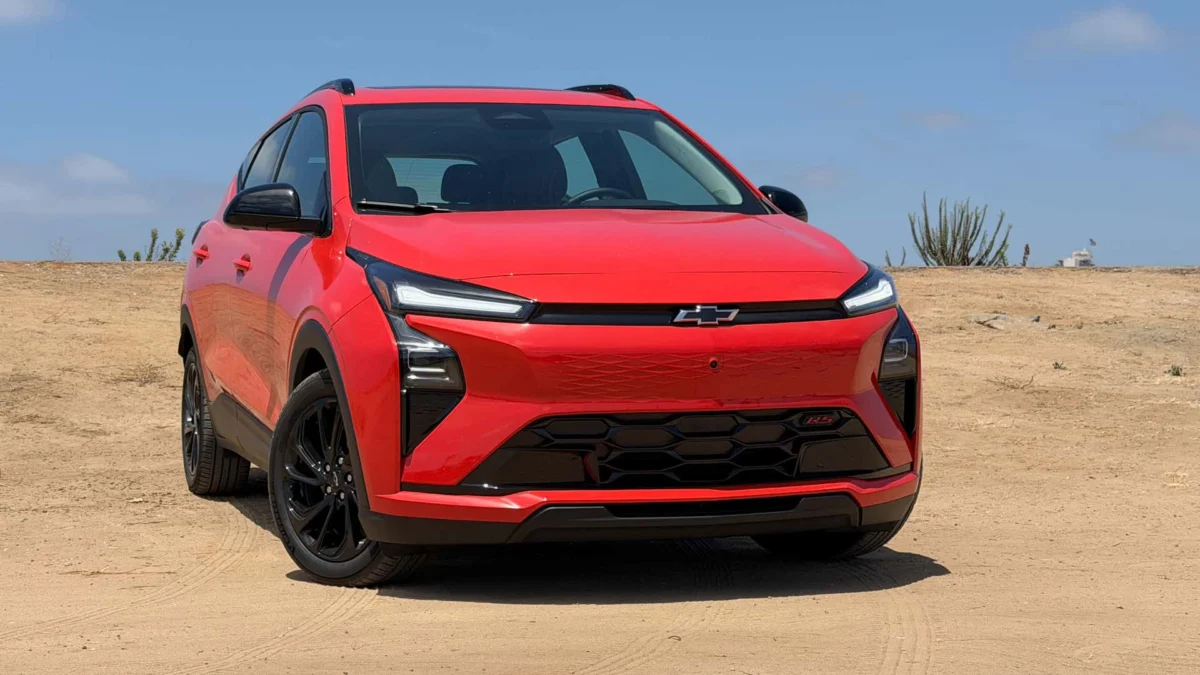
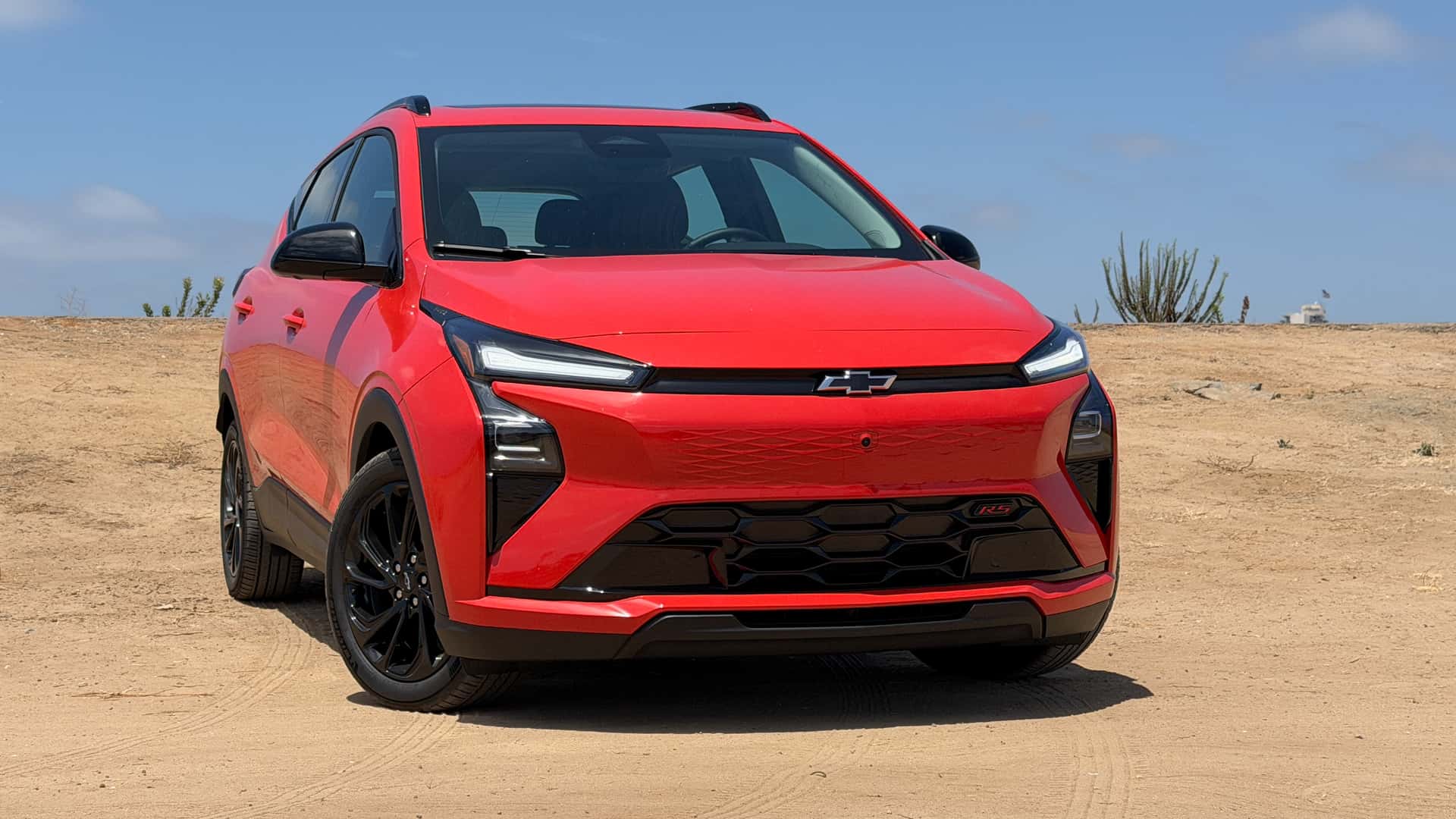
The current stabilization of EV prices can be attributed to several key developments over the last 18 months. First, the proliferation of entry-level and mid-range electric vehicles has expanded the addressable market. Models such as the refreshed Chevrolet Bolt, the Toyota bZ, and the Hyundai Ioniq 5 are providing consumers with viable alternatives to luxury-tier electric vehicles.
Hyundai’s strategic move last year to slash the price of the Ioniq 5 by nearly $10,000 serves as a prime example of the market’s response to heightened competition. With a starting price now anchored at approximately $36,900 for the base model, the Ioniq 5 has become a benchmark for value, proving that manufacturers are willing to sacrifice short-term margins to secure long-term market share.
Furthermore, the data indicates that top-selling models, including the Tesla Model Y, have seen minimal price fluctuations, suggesting that the industry has reached a "price floor" for established favorites. Instead, the overall average is being driven downward by the sheer volume of new, more economical models hitting dealership lots. This democratization of the EV segment is essential for broader adoption, as it moves the technology out of the hands of early adopters and into the garages of the mainstream public.
The Declining Role of Incentives
Perhaps the most telling indicator of a healthy, maturing market is the reduced reliance on financial incentives. Historically, the electric vehicle segment was heavily dependent on aggressive dealer discounts and manufacturer rebates to move inventory. In August of the previous year, incentives accounted for 14.6% of the average EV transaction price. By August of this year, that figure dropped to 12%.
When quantified in dollar amounts, the shift is even more dramatic. The average incentive per EV plummeted 20% year-over-year, falling from $8,200 to $6,600. While these incentives remain higher than the 6.5% average seen in the combustion-engine vehicle market, the narrowing gap signals a critical transition: manufacturers are becoming less reliant on "cash on the hood" to entice buyers.
This trend points toward a market that is increasingly dictated by supply-and-demand fundamentals rather than artificial, policy-driven demand. As supply chains have stabilized and manufacturing output has scaled, the need to incentivize buyers to overcome high price tags has diminished. This represents a "normalization" of the sector, which is essential for long-term sustainability.
The End of Policy-Driven Urgency
The automotive industry is now entering a major sales cycle without the influence of certain federal tax credit deadlines that, in previous years, forced consumer behavior. Last year, the market experienced a rush of activity as buyers scrambled to claim tax credits before anticipated changes in federal eligibility requirements. This artificial surge in demand created volatility in sales data, making it difficult for analysts to determine the organic appetite for electric vehicles.
This season, the narrative is fundamentally different. Industry leaders suggest that the defining story of the coming months will be one of choice and availability. Consumers are no longer driven by the looming expiration of federal incentives, but rather by the availability of models that meet their specific needs, budgets, and lifestyle requirements. This shift suggests that the EV market is finally transitioning from a niche category into a pillar of the general automotive economy.
Broader Economic and Industrial Implications
The closing of the price gap carries significant weight for the U.S. economy and environmental policy. If the current trajectory of price parity continues, the adoption of electric vehicles is likely to accelerate regardless of future legislative changes. When a consumer can purchase an electric vehicle for a price comparable to a combustion-engine vehicle, the decision-making process shifts from a financial calculation to one based on total cost of ownership, performance, and convenience.
From an industrial perspective, the pressure to lower prices is forcing manufacturers to optimize their battery supply chains and production processes. The development of more efficient, cost-effective battery chemistries is central to this shift. Companies that fail to adapt to this competitive pricing environment risk losing market share to rivals who have prioritized scale and manufacturing efficiency.
Furthermore, the shift toward affordability is likely to pressure the used-car market as well. As more affordable new EVs become available, the depreciation curves for earlier electric models will likely stabilize, providing a secondary layer of accessibility for budget-conscious buyers.
Future Outlook and Challenges
Despite the positive trends, challenges remain. The industry must continue to address infrastructure concerns, such as charging station density and grid reliability, to maintain this momentum. While price parity is a massive hurdle, it is not the only one. However, the data provided by Kelley Blue Book serves as a powerful testament to the progress made by the automotive industry in a remarkably short window of time.
As the industry heads into the final quarter of the year, the focus will remain on whether these price trends can be sustained. If the reduction in incentive dependency continues alongside the introduction of more affordable models, the "price parity" story will move from being a hopeful projection to an established reality. The market is currently undergoing a "normalization" phase, where the strength of a brand, the quality of the product, and the efficiency of the supply chain matter more than ever before.
In conclusion, the narrowing price gap between electric and traditional vehicles is the most significant development in the automotive sector today. By shedding its dependence on heavy incentives and focusing on a broader range of price-accessible models, the electric vehicle industry is proving its viability as a mainstream alternative to the combustion engine. This maturation marks the end of the "early adopter" era and the beginning of a truly competitive, consumer-driven market for electric mobility. As manufacturers continue to innovate and refine their production capabilities, the average American consumer stands to be the primary beneficiary of this intensifying competition.