The Evolution of the Family SUV Segment
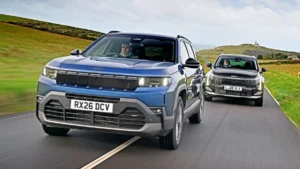
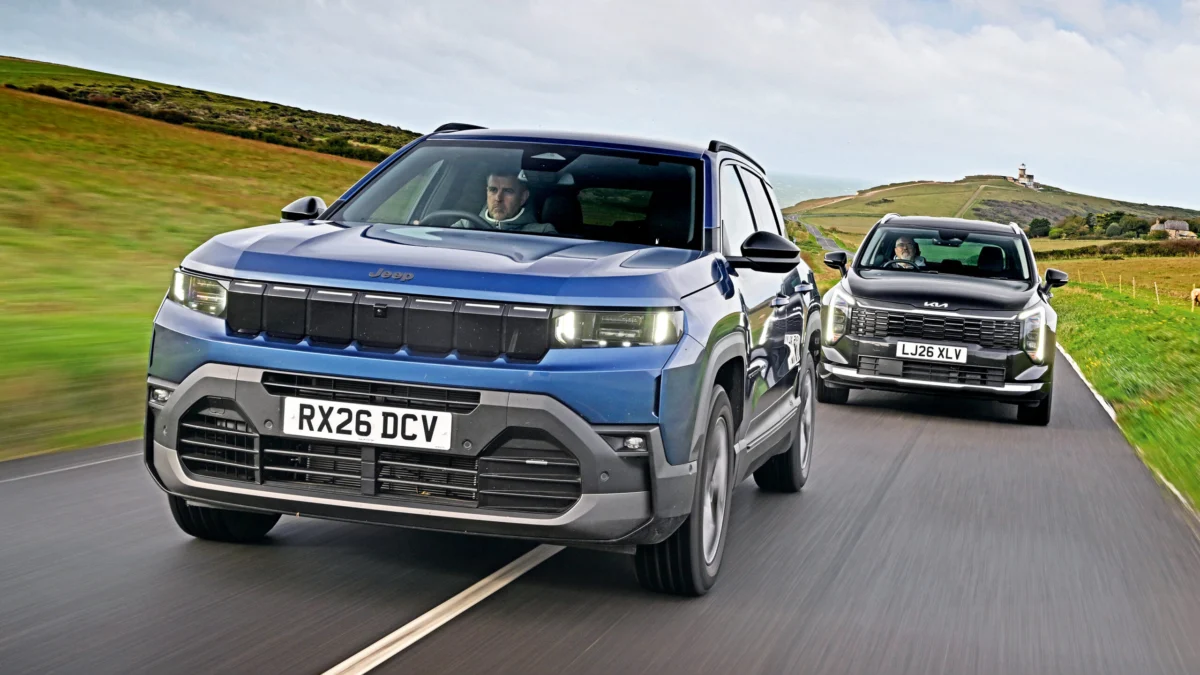
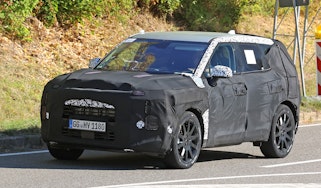
The family SUV market has transitioned from a niche sector into the primary choice for European households. Over the past decade, manufacturers have pivoted away from traditional hatchbacks and estates, favoring the elevated ride height and perceived versatility of SUV platforms. The Kia Sportage, now entering its sixth generation, has cemented itself as a perennial favorite by consistently offering high levels of standard equipment, a class-leading warranty, and, more recently, a bold, EV-inspired design language that challenges the status quo.
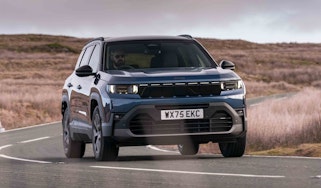
Conversely, the Jeep Compass represents a legacy brand attempting to bridge the gap between rugged, off-road heritage and the demands of modern urban living. The third-generation Compass is built upon the robust Stellantis architecture, which has allowed the brand to integrate hybrid powertrains more effectively than its predecessors. For many consumers, the choice between these two vehicles is a choice between Kia’s relentless pursuit of technological refinement and Jeep’s promise of "go-anywhere" durability.
Chronology of the 2026 Market Shift
The landscape for these vehicles has shifted significantly throughout 2026. The year began with the Society of Motor Manufacturers and Traders (SMMT) reporting record interest in hybrid vehicles, as consumers sought a transitionary technology between internal combustion and full battery-electric vehicles (BEVs).
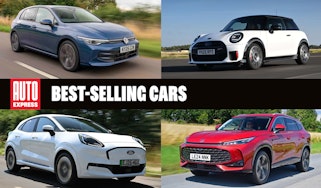
- March 2026: The SMMT releases data confirming that SUVs account for nearly 40% of all new vehicle registrations in the UK, highlighting the critical importance of the Sportage and Compass models to their respective manufacturers.
- May 2026: Jeep announces aggressive pricing strategies for the Compass, with some financing options reaching as low as £208 per month, signaling a push to capture market share from more established family SUV rivals.
- October 2026: The sixth-generation Kia Sportage officially hits the road, showcasing a design evolution that emphasizes aerodynamic efficiency and increased interior volume, directly aiming to address the space concerns that have historically plagued the sector.
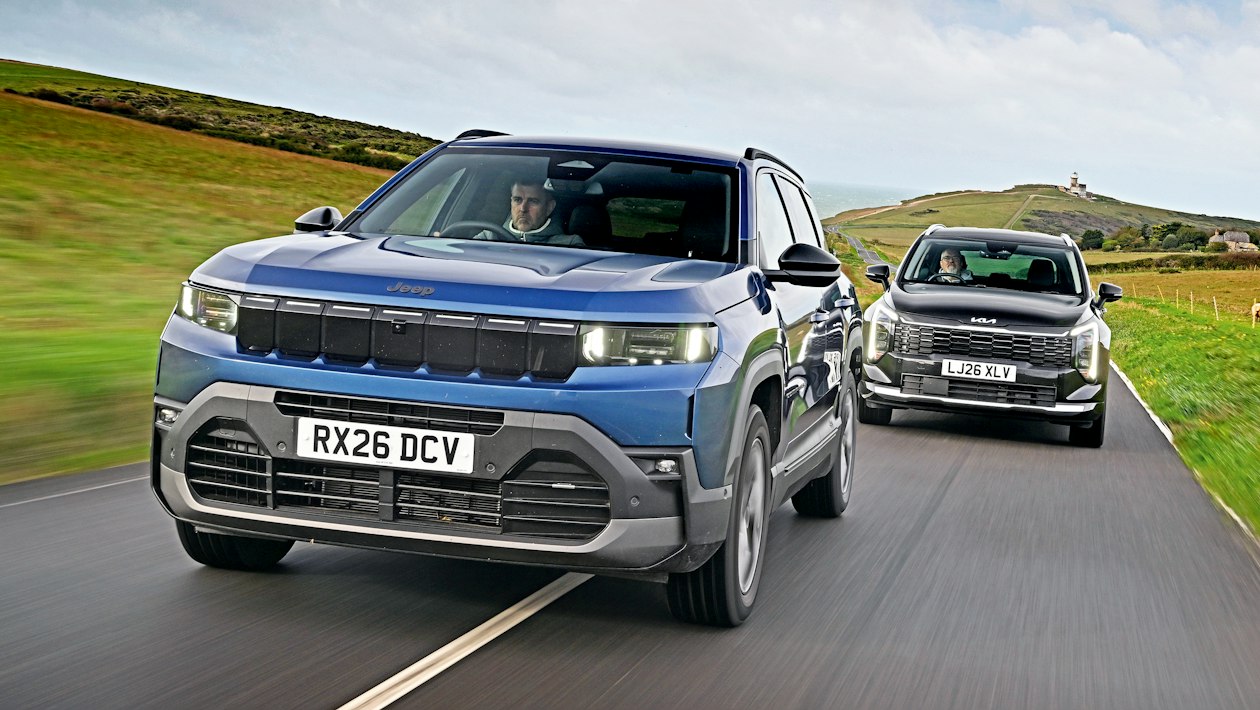
- October 31, 2026: Auto Express publishes its comprehensive head-to-head comparison, providing the definitive verdict on how these updated models perform under real-world conditions, including motorway cruising, urban traffic, and rural B-road handling.
Comparative Technical Analysis
To understand the gravity of this face-off, one must look at the technical specifications and the strategic positioning of each vehicle. The Kia Sportage has long been praised for its ergonomic interior and intuitive infotainment systems. The new model builds upon this with a digitized dashboard and a focus on sustainable, high-quality materials. By leaning into an "EV-inspired" aesthetic, Kia is signaling that it views the Sportage as a bridge to its future electric lineup, likely utilizing the same design language seen in its dedicated EV models.
The Jeep Compass, meanwhile, leverages the modular nature of the Stellantis platform. This allows for a more versatile powertrain selection, focusing on the e-Hybrid system that aims to provide a balance between fuel efficiency and the brand’s signature torque delivery. While the Sportage leans toward comfort and cutting-edge cabin technology, the Compass relies on its aesthetic appeal—a "tough-looking" exterior that appeals to those who prioritize brand identity and physical presence.
Supporting Data and Market Trends
The battle between these two vehicles is supported by wider market data. According to industry analysts, the "Hybrid-Electric" segment is currently the most competitive space in the automotive industry. With the rise of stricter emission standards across Europe, both Kia and Jeep are under immense pressure to lower the fleet average CO2 emissions of their SUVs.
Sales figures from the first three quarters of 2026 indicate that consumers are increasingly sensitive to both purchase price and long-term operating costs. Jeep’s strategy of lower monthly financing costs (the aforementioned £208/month deal) is a calculated move to lower the barrier to entry, whereas Kia’s strategy remains rooted in high-spec value—offering more "bang for your buck" in terms of standard safety features and luxury amenities.
Industry Implications and Future Outlook
The outcome of this test holds significant implications for the wider automotive market. If the Kia Sportage continues to dominate the sales charts, it validates the strategy of "premium-for-the-masses," where manufacturers pack vehicles with high-end tech to justify a higher price point. If the Jeep Compass manages to steal significant market share, it proves that brand equity and specialized styling remain powerful levers, even in a market increasingly dominated by utilitarian concerns.
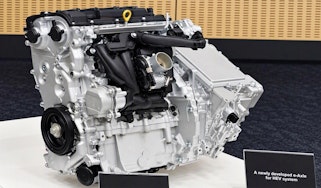
Furthermore, the pressure from other manufacturers cannot be ignored. Toyota, for instance, is currently teasing a new 1.5-litre hybrid engine capable of exceeding 85mpg, which sets a new benchmark for efficiency that both Kia and Jeep will eventually be forced to match or exceed. Similarly, the rapid price depreciation of electric vehicles has led to a price war, with models like the Hyundai Ioniq 6 seeing significant reductions in entry costs, further complicating the decision-making process for potential SUV buyers.
Official Perspectives and Consumer Reactions
While specific statements from the manufacturers regarding this particular test remain internal, spokespeople for both brands have historically emphasized their commitment to the "family-first" philosophy. A representative for Kia noted in a recent product briefing that the sixth-generation Sportage was designed specifically to address the feedback of existing owners, focusing on "space, silence, and sensory quality."
Jeep, meanwhile, has doubled down on the "go-anywhere" ethos. In marketing materials released throughout 2026, the brand has emphasized that the Compass is not just a city car, but a vehicle designed for those who occasionally venture off the beaten path, a claim that resonates with a specific demographic that Kia, with its more urban-focused design, may struggle to capture.
Broader Impact on the Automotive Sector
The rivalry between the Sportage and the Compass is emblematic of the current state of the global automotive industry. We are witnessing a period of "platform consolidation," where major automotive groups (like Stellantis and Hyundai-Kia) are squeezing every ounce of efficiency from their architectures to maximize profit margins.
The move toward hybrid powertrains is, by all accounts, a temporary but essential stage in the transition to full electrification. The real-world road test conducted by Auto Express demonstrates that while the technology is maturing, the differences in execution are still vast. A vehicle’s suspension tuning, the responsiveness of its dual-clutch transmission, and the latency of its infotainment interface are the new battlegrounds for consumer loyalty.
Conclusion: The Road Ahead
As 2026 draws to a close, the data suggests that the family SUV segment will remain the primary engine of growth for the automotive industry. The confrontation between the Kia Sportage and the Jeep Compass serves as a mirror for the broader market: consumers have more choice than ever before, but they are also more demanding of value, efficiency, and reliability.
Whether one prioritizes the bold, forward-looking design of the new Kia or the heritage-led, rugged, and financially accessible nature of the Jeep, the results of this latest test provide a necessary framework for navigating the options. As we look toward 2027, it is likely that these two models will continue to influence the direction of the segment, forcing competitors to innovate at an even faster pace to keep up with the changing demands of the modern family. The real-world findings from the Auto Express team highlight that for the average driver, the "best" car is often the one that balances these conflicting needs with the greatest level of sophistication and reliability.