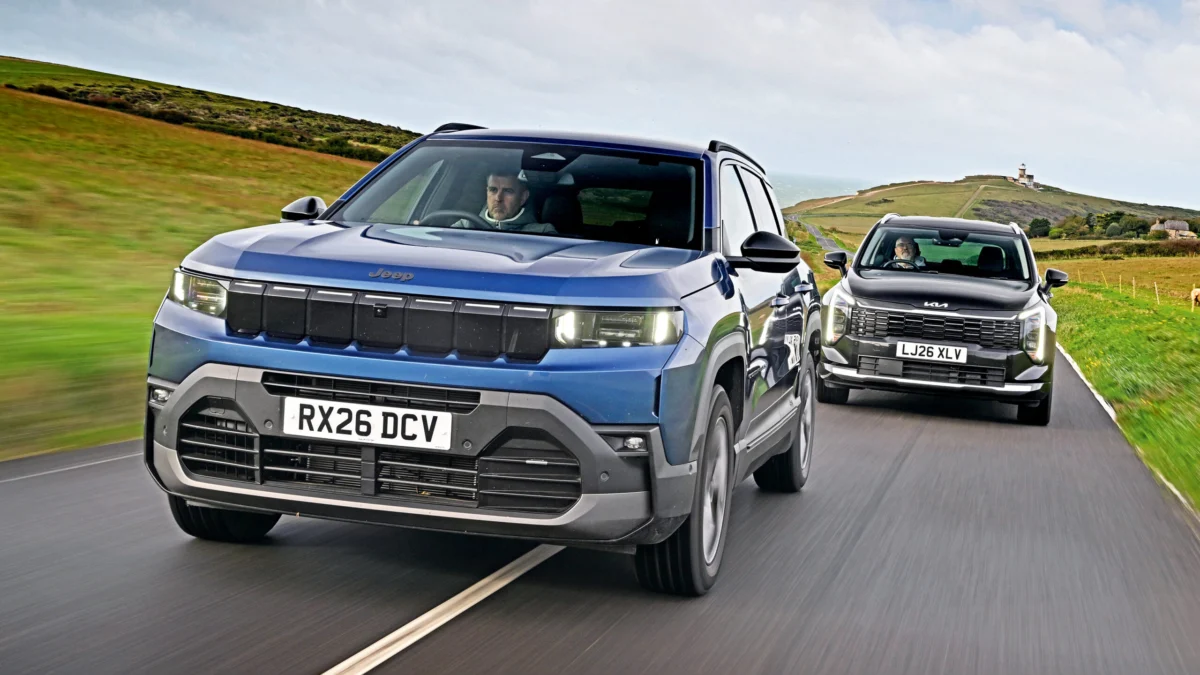
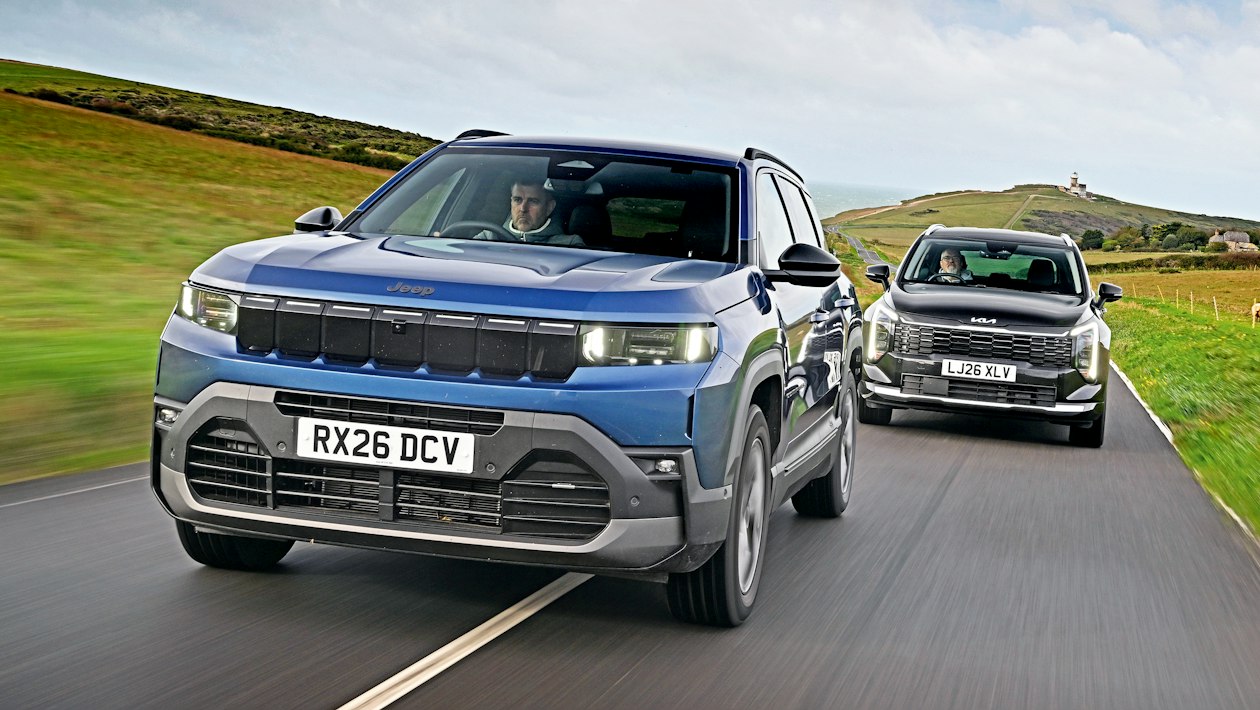
The landscape of the family SUV market is undergoing a profound transformation as manufacturers pivot away from traditional combustion engines toward diverse electrified architectures. In this high-stakes segment, the latest iteration of the Jeep Compass, now in its third generation, faces a formidable challenger in the form of the perennial favorite, the Kia Sportage. As consumer demand for versatile, efficient, and technologically advanced family transport intensifies, these two vehicles represent diverging philosophies on how to balance heritage, practicality, and modern propulsion.
The current state of the automotive market sees Jeep at a strategic crossroads. Historically recognized for its rugged 4×4 capabilities and off-road pedigree, the brand has seen its lineup shift significantly. With the retirement of the Wrangler from various price lists, the company is recalibrating its focus toward the mass-market SUV sector. The Compass now serves as a pillar of the brand’s European and global strategy, operating alongside the smaller Avenger. Meanwhile, the Kia Sportage continues to benefit from the momentum of the fifth-generation model, which received a mid-cycle refresh late last year. This contest is not merely about brand loyalty; it is a critical assessment of how these manufacturers have adapted their engineering to meet the stringent demands of modern families.
Chronology and Evolution of the Contenders
The Kia Sportage has occupied a central position in the Korean manufacturer’s portfolio for over three decades. While its early iterations were functional and utilitarian, the third generation, introduced in 2010, marked a turning point where design-led styling became the primary driver of its commercial success. The current fifth-generation model has refined this formula, emphasizing space and interior ergonomics.
Conversely, the Jeep Compass has had a more nomadic development history. Its first generation shared a platform with the Mitsubishi ASX, while the second leaned heavily on the Fiat 500X architecture following the formation of the FCA (Fiat Chrysler Automobiles) group. Now under the broader Stellantis umbrella, the third-generation Compass utilizes the STLA platform. This transition is significant, as it allows Jeep to offer a unified powertrain strategy encompassing pure electric, plug-in hybrid (PHEV), and mild-hybrid configurations, sharing vital technological DNA with stablemates like the Peugeot 3008.
Comparative Performance and Powertrain Dynamics
The test vehicles highlight a distinct difference in engineering priorities. The Jeep Compass 1.2 e-Hybrid First Edition utilizes a 1.2-litre three-cylinder petrol hybrid engine, producing 143bhp. In practice, this setup is designed for efficiency and urban maneuverability rather than outright performance. It records a 0-62mph time of 10.3 seconds. While the mid-range torque is sufficient for daily commuting, the six-speed automatic transmission often struggles under heavy acceleration, lacking the seamless responsiveness found in some of its competitors.

The Kia Sportage, represented here by the 1.6 HEV Storm special edition, employs a more potent 1.6-litre four-cylinder petrol hybrid powertrain, generating 235bhp. The difference in output is stark; the Sportage reaches 62mph in 7.9 seconds. Beyond the raw numbers, the Kia’s hybrid system proves more refined, offering better fuel efficiency and a more cohesive integration of electric and combustion power. During testing, the Sportage achieved 48.5mpg, compared to the Compass’s 42.9mpg, demonstrating the efficiency gains of the Kia’s sophisticated hybrid implementation.
Interior Ergonomics, Technology, and Practicality
Packaging is where the Sportage truly pulls ahead. Despite the Compass having a slightly larger footprint in certain dimensions, the Kia makes more effective use of its interior volume. The Sportage provides superior rear legroom and a wider cabin, making it more hospitable for three passengers in the back. Furthermore, the cargo capacity of the Sportage is a significant advantage, offering 587 liters of boot space—more than 100 liters over the Compass.
Jeep attempts to compensate for these practical limitations through distinctive design choices. The Compass is replete with "Easter Eggs"—small design flourishes that nod to the brand’s history, such as the silhouette of the Jeep on the windscreen and constellations etched into the trim. While these add character, the infotainment system, despite being a Stellantis standard, feels less intuitive than the setup in the Kia. While the Kia’s touchscreen is smaller, the user interface is structured in a more logical, user-friendly manner, reducing the time a driver must spend navigating complex menus.

One standout feature in the Kia Sportage is the implementation of adjustable regenerative braking via steering wheel-mounted paddles. This allows the driver to easily modulate the level of deceleration and energy recovery, a feature typically reserved for dedicated electric vehicles. The Jeep includes a rotary drive selector which, while functional, does not offer the same level of driver engagement or ease of use as the paddle system in the Kia.
Market Positioning and Ownership Experience
The price of entry for these vehicles reflects their different market positions. The Jeep Compass starts at approximately £35,000, reaching nearly £48,000 for top-tier configurations. The Kia Sportage offers a more accessible entry point, starting at £31,400, with higher-spec PHEV models climbing to the £48,000 mark.
However, the "Storm" special edition of the Sportage provides an exceptional value proposition. By bundling premium features—such as heated and ventilated front seats, heated outer rear seats, and a high-end Harman Kardon sound system—as standard, Kia effectively lowers the cost of entry for luxury-level amenities. Jeep requires customers to opt for expensive equipment packages to achieve a similar level of specification, such as the £1,500 ADAS pack for advanced driver assistance systems.

Ownership benefits further differentiate the two. Kia’s industry-leading seven-year/100,000-mile warranty remains a benchmark in the industry, providing long-term peace of mind that the three-year/60,000-mile warranty from Jeep cannot match. Conversely, Jeep scores higher in independent ownership surveys, such as the Driver Power index, where the brand secured eighth place compared to Kia’s 25th. This indicates that while Kia may lead on specifications and warranty, Jeep owners report a higher level of overall satisfaction with their vehicle’s brand experience.
Safety and Regulatory Context
Safety ratings are a critical metric for family SUVs. The Sportage holds a five-star Euro NCAP rating, reflecting its robust safety architecture and comprehensive driver-assistance suite. The Compass holds a four-star rating, though direct comparison is complicated by the evolving nature of Euro NCAP testing protocols. Both vehicles offer essential safety technology, including adaptive cruise control and blind-spot monitoring, but the Sportage’s integrated safety systems feel more seamlessly woven into the driving experience.
Broader Implications and Strategic Analysis
The competition between these two vehicles illustrates the challenges faced by legacy manufacturers in the hybrid era. Jeep’s strategy is predicated on maintaining a distinct identity through styling and heritage. The Compass is not attempting to be the most practical or efficient car in its class; it is attempting to be the most desirable and rugged-looking option for those who want to signal an adventurous lifestyle.

Kia, by contrast, is playing a game of pure functionality and value. The Sportage is a car that recognizes its role as a workhorse. It succeeds by excelling in the metrics that matter most to the average family: fuel economy, interior space, ease of use, and warranty coverage. The success of the Storm edition demonstrates that Kia understands the importance of trim-level value in a cost-conscious economic environment.
Final Assessment
The Kia Sportage emerges as the victor in this comparative analysis, primarily due to its superior efficiency, more spacious interior, and the long-term value provided by its extended warranty and high level of standard equipment. It is a highly rational, dependable choice that fulfills the requirements of a family SUV with minimal compromise.
The Jeep Compass remains a compelling alternative for those who prioritize aesthetic character over raw utility. It successfully carves out a niche by leveraging the Jeep brand identity and providing a cabin that feels different from the generic feel of many mid-sized SUVs. However, its lower fuel efficiency, less intuitive software, and restricted cabin space make it a harder sell for the purely pragmatic buyer.

As the automotive sector continues its shift toward electrification, both models serve as snapshots of their respective brands’ current trajectory. Kia is refining its mass-market appeal with highly competitive, feature-rich packages, while Jeep is relying on its storied brand equity to maintain its relevance in an increasingly crowded and technically demanding segment. For the consumer, the choice between them ultimately rests on whether the priority lies in the daily reliability of the Sportage or the unique, stylized charm of the Compass.