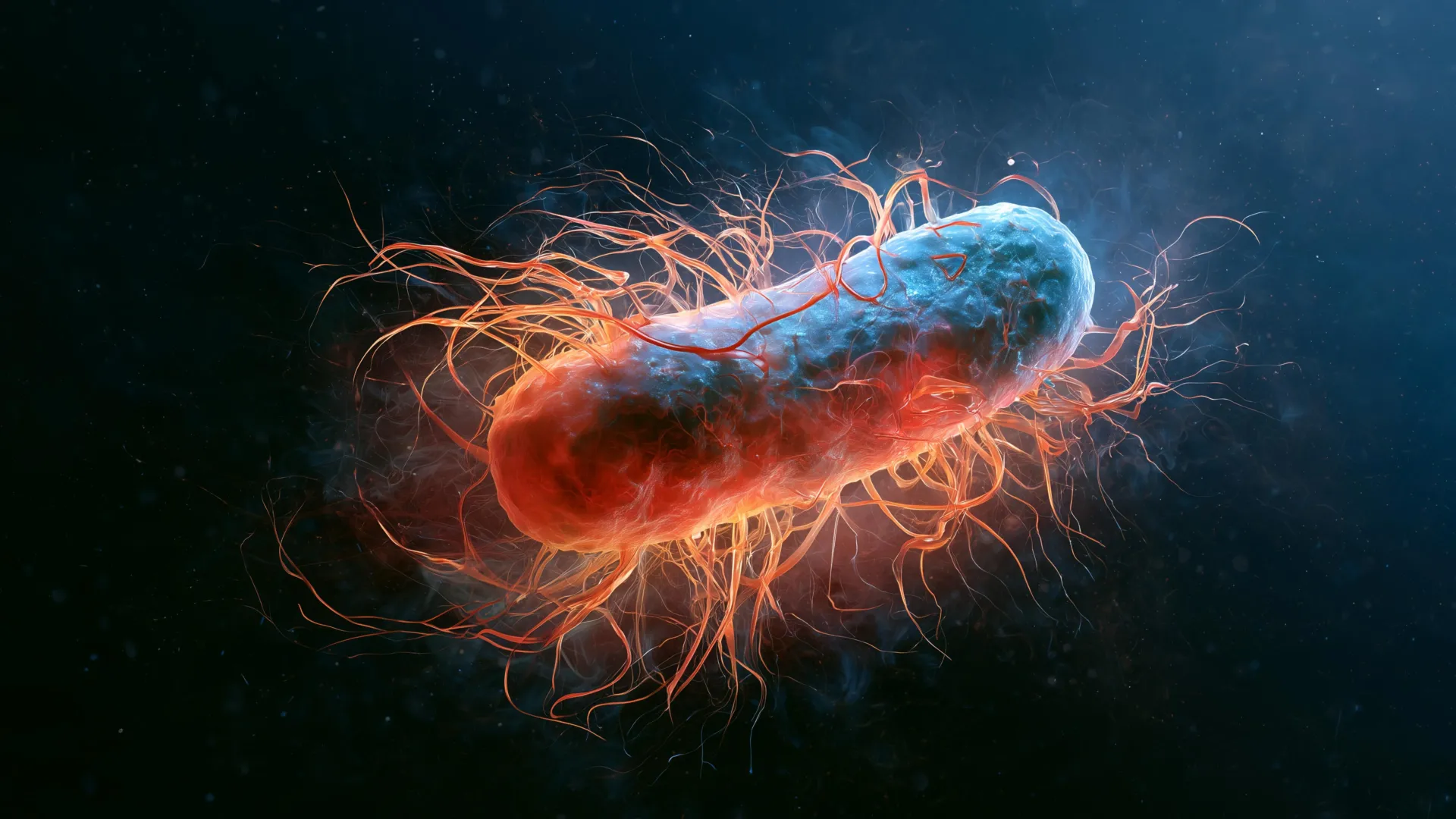
Researchers led by Professor An Xu at the Hefei Institutes of Physical Science (HFIPS) under the Chinese Academy of Sciences (CAS) have unveiled a breakthrough in longevity science, identifying that the magnetotactic bacterium Magnetospirillum magneticum AMB-1 can significantly extend the healthy lifespan of the nematode Caenorhabditis elegans. This discovery, published in the journal Free Radical Biology and Medicine, highlights a novel therapeutic pathway involving the suppression of ferroptosis—a specific, iron-dependent form of programmed cell death—thereby offering a potential roadmap for future interventions in human geriatric medicine.
The study represents a paradigm shift in how scientists view the intersection of microbiology and aging. While aging is biologically defined by the gradual decline of physiological integrity and an increased susceptibility to chronic, age-related pathologies, the search for pharmacological and genetic interventions has often been hampered by concerns regarding long-term safety, toxicity, and the ethical complexity of gene editing. By leveraging the unique biological properties of magnetotactic bacteria (MTB), the HFIPS team has introduced a biocompatible, microbial-based strategy that may circumvent many of the hurdles associated with traditional anti-aging compounds.
The Biological Mechanics of Magnetotactic Bacteria
Magnetotactic bacteria are a group of microorganisms characterized by their ability to synthesize intracellular structures known as magnetosomes—membrane-enclosed, magnetic iron crystals. These bacteria have long been of interest to the scientific community, primarily for their potential utility in advanced biotechnology, such as targeted drug delivery systems and minimally invasive cancer hyperthermia treatments. Their inherent biocompatibility and ability to navigate through magnetic fields make them a unique candidate for medical applications.
However, the role of these bacteria in the context of systemic longevity remained largely unexplored until the recent work by Professor Xu’s team. To test their hypothesis, the researchers employed Caenorhabditis elegans, a microscopic roundworm that serves as the gold standard in aging research due to its short lifespan, well-mapped genome, and conservation of aging-related signaling pathways shared with humans. The experimental protocol involved exposing cohorts of C. elegans to the AMB-1 strain to observe changes in lifespan, neurological health, and metabolic function.
A Chronology of Discovery and Experimental Outcomes
The investigation spanned several phases, starting with the baseline observation of the worms’ longevity. The findings were striking: C. elegans treated with the AMB-1 strain exhibited a remarkable 43.39% increase in average lifespan compared to the control group. Beyond mere longevity, the researchers assessed the "healthspan"—the period of life spent in good health. Older worms treated with the bacteria demonstrated preserved neurological function, evidenced by improved movement and sensory responses, alongside enhanced intestinal integrity, which is a critical marker of physiological youth in this model.
To determine if the magnetic properties of the bacteria were the primary driver of this longevity boost, the team conducted comparative tests. They utilized wild-type AMB-1, a reversibly non-magnetotactic strain (RNM-AMB-1), and a fully non-magnetotactic strain (NM-AMB-1). The results demonstrated a clear correlation: the wild-type strain, which produced robust magnetosomes, provided the most significant extension of life. The RNM-AMB-1 strain also extended life but to a lesser degree, while the non-magnetotactic NM-AMB-1 strain showed no significant impact on longevity. This confirmed that the biomineralization of magnetosomes is intrinsically linked to the anti-aging mechanism observed.
Decoding the Ferroptosis Pathway
The most significant contribution of the HFIPS study is the elucidation of the biochemical mechanism at play. The researchers identified that AMB-1 intervention successfully mitigates ferroptosis, a form of iron-dependent cell death characterized by the iron-mediated accumulation of lipid peroxides. Ferroptosis is increasingly recognized as a major driver of degenerative diseases and systemic aging.
The research team performed a deep genetic analysis to identify the pathways involved. They discovered that AMB-1 treatment effectively lowered the buildup of intracellular iron and reduced lipid peroxidation levels within the nematode tissues. Specifically, the expression of several key genes, including ftn-1 (ferritin), bli-3 (a dual oxidase), and ads-1 (a lipid metabolism regulator), was modulated by the bacteria. By acting as a buffer against oxidative stress and iron-induced toxicity, the bacteria appear to shield cellular membranes from the degradation that typically precipitates cell death in aging organisms.
Broader Implications for Geriatric Medicine
The implications of these findings extend far beyond the laboratory use of nematodes. Ferroptosis has been implicated in a variety of human health conditions, including neurodegenerative disorders like Alzheimer’s and Parkinson’s disease, as well as ischemic organ damage. If the mechanisms observed in C. elegans can be extrapolated to higher-order organisms, the potential for using engineered or naturally occurring microbes to regulate systemic iron homeostasis and prevent ferroptosis is profound.
However, the researchers emphasize that this is a foundational step. Moving from a model organism like C. elegans to human clinical application requires navigating a complex regulatory landscape and ensuring that the introduction of foreign bacteria does not disrupt the delicate balance of the human microbiome. The "biocompatibility" that makes AMB-1 an attractive candidate must be scrutinized for its interaction with the human immune system and the potential for long-term colonization effects.
Analyzing the Future of Microbial Anti-Aging
The scientific community has responded to the study with cautious optimism. While the 43% increase in lifespan in C. elegans is an impressive data point, experts note that such findings are common in lower organisms and do not always translate to the vastly more complex physiological systems of mammals. Nevertheless, the identification of ferroptosis as the target pathway provides a concrete, measurable objective for future drug design.
"The work provides a unique intersection between biophysics and gerontology," noted an independent observer in the field of molecular biology. "By moving away from small-molecule inhibitors of ferroptosis—which often have high toxicity profiles—and toward a probiotic-like delivery system, this research opens up an entirely new category of therapeutic intervention."
The team at the Hefei Institutes of Physical Science is already planning follow-up studies to determine the threshold of bacterial dosage and the duration of efficacy. Furthermore, the role of magnetosomes in the gut-brain axis is a growing area of interest. If the bacteria can modulate iron levels in the gut, they may influence neurological signaling through the vagus nerve or systemic metabolic shifts, further explaining the preservation of neurological function noted in the study.
Conclusion and Path Forward
The research led by Professor An Xu provides a robust framework for understanding how microorganisms can manipulate the aging process. By demonstrating that Magnetospirillum magneticum AMB-1 can delay the onset of aging at the cellular level through the suppression of ferroptosis, the team has provided a compelling argument for the continued exploration of MTB in medical research.
As the global population continues to age, the demand for effective strategies to extend healthy life—rather than merely extending the span of existence—will only grow. While a "fountain of youth" remains an elusive scientific goal, the utilization of microscopic, magnetic, and iron-regulating organisms represents a sophisticated, evidence-based approach to tackling the systemic damage of the aging process. The next decade of research will likely focus on whether these biological tools can be adapted for safe, targeted use in human health, potentially transforming how we treat age-associated decline in the clinic.
This research, funded by the relevant national science initiatives in China, serves as a cornerstone for future collaborative efforts in the study of microbial-based longevity. As data collection continues, the international medical community will be watching to see if these promising results in nematodes can eventually be replicated in more complex biological models, marking the next critical milestone in the pursuit of healthy, prolonged human life.