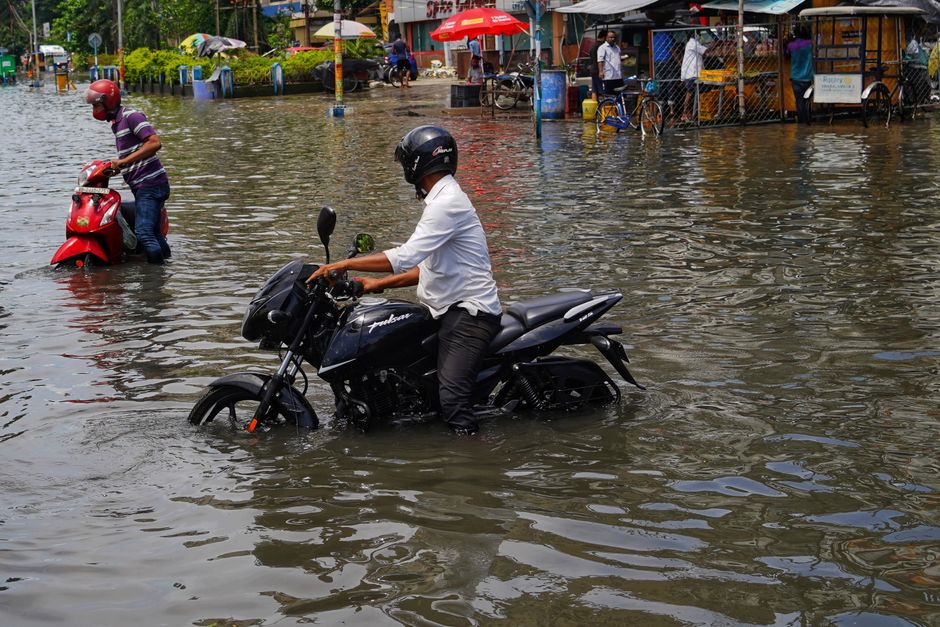
The Sustainable Switch: Climate Change Fuels Deadly Floods in Nigeria, India, and Bangladesh
The catastrophic deluge currently overwhelming swathes of Nigeria, India, and Bangladesh is not an isolated incident but a chilling manifestation of a global climate crisis demanding an urgent and fundamental sustainable switch in our energy and development paradigms. These devastating floods, claiming thousands of lives, displacing millions, and decimating infrastructure and livelihoods, are increasingly being linked by climate scientists to the amplified intensity and frequency of extreme weather events driven by anthropogenic climate change. The shared vulnerability of these populous South Asian and African nations underscores the interconnectedness of global environmental challenges and the imperative for a synchronized, sustainable transition away from fossil fuel dependence. This article delves into the specific impacts observed in each region, analyzes the underlying climate drivers, and explores the critical role of a global sustainable switch in mitigating future disasters and fostering resilience.
In Nigeria, the ongoing floods, described as the worst in a decade, have submerged vast agricultural lands, inundated villages, and disrupted vital transportation networks. The sheer scale of the disaster has overwhelmed local and national response capacities, leading to widespread humanitarian crises. Reports from communities in states like Kogi, Anambra, and Benue paint a grim picture of loss, with homes destroyed, food stocks washed away, and waterborne diseases posing a significant threat to displaced populations. The agricultural sector, the backbone of many Nigerian economies, has been particularly hard-hit. Farmers are facing the prospect of total crop failure, leading to anticipated food shortages and price hikes that will disproportionately affect the poorest segments of society. The Niger and Benue rivers, swollen by unusually heavy rainfall, have breached their banks, a phenomenon exacerbated by inadequate flood control infrastructure and increasing urbanization in flood-prone areas. The long-term consequences for Nigeria include not only immediate humanitarian needs but also the potential for prolonged economic instability and increased internal displacement, further straining resources and exacerbating existing social vulnerabilities. The reliance on rain-fed agriculture, coupled with limited access to early warning systems and effective disaster preparedness, amplifies the devastating impact.
Similarly, India is grappling with unprecedented monsoon rains that have triggered severe flooding and landslides, primarily in its northern and northeastern regions. States such as Himachal Pradesh, Uttarakhand, Punjab, and Assam have borne the brunt of the deluges, experiencing widespread destruction of homes, roads, and public utilities. The economic toll is immense, with damage to infrastructure estimated to be in the billions of dollars. The agricultural sector in these regions is also severely impacted, threatening food security and rural livelihoods. The intensity of these rainfall events deviates significantly from historical patterns, aligning with projections of a warming climate leading to more erratic and extreme precipitation. The Himalayas, a fragile ecosystem, are particularly susceptible to climate change impacts, with melting glaciers contributing to increased water flow in rivers, while more intense rainfall events lead to landslides and flash floods. The displacement of communities from their ancestral homes due to the ongoing disaster raises concerns about cultural heritage and the long-term habitability of affected areas. The interconnectedness of water resources across borders also highlights the transboundary implications of these climate-induced events, necessitating regional cooperation for effective management and mitigation.
Bangladesh, a low-lying delta nation, has historically been vulnerable to flooding. However, the current inundation, exacerbated by heavy rainfall and the confluence of rivers from India and Myanmar, has reached catastrophic proportions, affecting over a third of the country. Millions have been displaced, and the humanitarian crisis is deepening with shortages of clean water, food, and shelter. The Sylhet and Sunamganj districts have been particularly devastated, with entire communities submerged for extended periods. The impact on Bangladesh’s already vulnerable population is profound, threatening to reverse decades of development progress. The country’s low elevation and high population density make it acutely susceptible to rising sea levels and more intense storm surges, both direct consequences of climate change. The agricultural sector, vital for the nation’s food security, faces immense damage, with crops destroyed and arable land rendered infertile by salinity. The ongoing floods are a stark reminder of Bangladesh’s frontline position in the climate crisis, demanding immediate and sustained international support for adaptation and mitigation efforts. The country’s limited resources further highlight the inequities of climate change, where those least responsible for emissions suffer the most severe consequences.
The scientific consensus unequivocally links these intensified extreme weather events to anthropogenic climate change, primarily driven by the burning of fossil fuels for energy, transportation, and industry. The Intergovernmental Panel on Climate Change (IPCC) reports have repeatedly warned of the increased frequency and intensity of heavy rainfall, heatwaves, and other extreme weather phenomena as global temperatures rise. The correlation between rising greenhouse gas concentrations in the atmosphere and the observed climate anomalies in Nigeria, India, and Bangladesh is no longer a matter of debate but a grim reality. The increased atmospheric moisture holding capacity due to higher temperatures leads to heavier downpours when they occur. Moreover, changes in atmospheric circulation patterns, also influenced by global warming, can alter monsoon dynamics, leading to prolonged dry spells followed by intense periods of rainfall. The melting of polar ice caps and glaciers contributes to sea-level rise, which in turn exacerbates flooding in coastal areas and increases the intrusion of saltwater into freshwater systems. The energy sector, responsible for the vast majority of global greenhouse gas emissions, is at the nexus of this crisis. The continued reliance on coal, oil, and natural gas for electricity generation, industrial processes, and transportation fuels the warming trend that is directly contributing to the devastating floods experienced in these nations.
The concept of a "sustainable switch" is therefore not merely an environmental ideal but an economic and humanitarian necessity. This switch entails a rapid and comprehensive transition from a fossil fuel-dependent global economy to one powered by renewable energy sources such as solar, wind, geothermal, and hydropower. It also encompasses a fundamental re-evaluation of our development models, prioritizing sustainable land use, resilient infrastructure, and circular economy principles. For Nigeria, this means investing in its vast solar potential and reducing reliance on oil exports, a volatile commodity whose price fluctuations can further destabilize its economy. India, a major energy consumer, has already made significant strides in solar and wind power but needs to accelerate its pace and ensure a just transition for its coal-dependent regions. Bangladesh, despite its limited resources, can leverage its coastal wind and solar potential, coupled with innovative adaptation strategies like building raised villages and promoting climate-resilient agriculture.
The benefits of a global sustainable switch extend far beyond mitigating climate disasters. Economically, it promises the creation of millions of green jobs, fostering innovation, and enhancing energy security by reducing dependence on volatile fossil fuel markets. Environmentally, it will lead to cleaner air and water, preserve biodiversity, and reduce the overall ecological footprint of human activity. Socially, it offers the potential for greater equity, as vulnerable communities disproportionately affected by climate change can be supported in building resilient futures. The economic incentives for this transition are increasingly compelling, with the costs of renewable energy technologies plummeting in recent years, often making them cheaper than new fossil fuel infrastructure. Moreover, the avoided costs of climate-related disasters, including recovery, reconstruction, and humanitarian aid, represent a substantial economic argument for proactive investment in sustainable solutions.
However, the path to a sustainable switch is fraught with challenges. Powerful vested interests in the fossil fuel industry actively lobby against climate action, and the transition requires significant upfront investment in new infrastructure and technologies. Furthermore, ensuring a just transition for workers and communities dependent on fossil fuel industries is crucial to avoid exacerbating existing social inequalities. International cooperation and financial support are vital, particularly for developing nations like Nigeria, India, and Bangladesh, which have contributed the least to historical emissions but are bearing the brunt of the climate crisis. Developed nations, with their historical responsibility for a larger share of emissions, must lead by example, providing financial and technological assistance to facilitate the transition in developing countries. This includes fulfilling climate finance commitments, supporting research and development of sustainable technologies, and fostering knowledge transfer.
The current devastating floods in Nigeria, India, and Bangladesh serve as a stark and urgent call to action. The human cost is immeasurable, and the economic and social disruptions are profound. These events are not isolated meteorological anomalies but clear indicators of a planet pushed to its climatic limits. The sustainable switch is no longer an option; it is an imperative for survival and prosperity. Failure to act decisively and collectively will condemn future generations to an increasingly unstable and hazardous world, marked by escalating natural disasters and humanitarian crises. The time for incremental changes has passed; a fundamental paradigm shift towards a sustainable energy future and resilient development is the only viable path forward. This requires a unified global effort, driven by political will, technological innovation, and a shared commitment to a healthier planet for all.
