In the dense, emerald heart of Grand Gedeh County, a silent transformation is unfolding that threatens to erase one of the planet’s most critical ecological strongholds. For decades, the Upper Guinean rainforest, which once stretched across the entirety of West Africa, has been systematically dismantled by the relentless march of commercial agriculture, infrastructure development, and industrial logging. Today, more than half of what remains of this ancient ecosystem is located within the borders of Liberia. However, this final frontier of biodiversity is now facing a threat that has already decimated the forests of its neighbors: the explosive expansion of the cocoa industry.
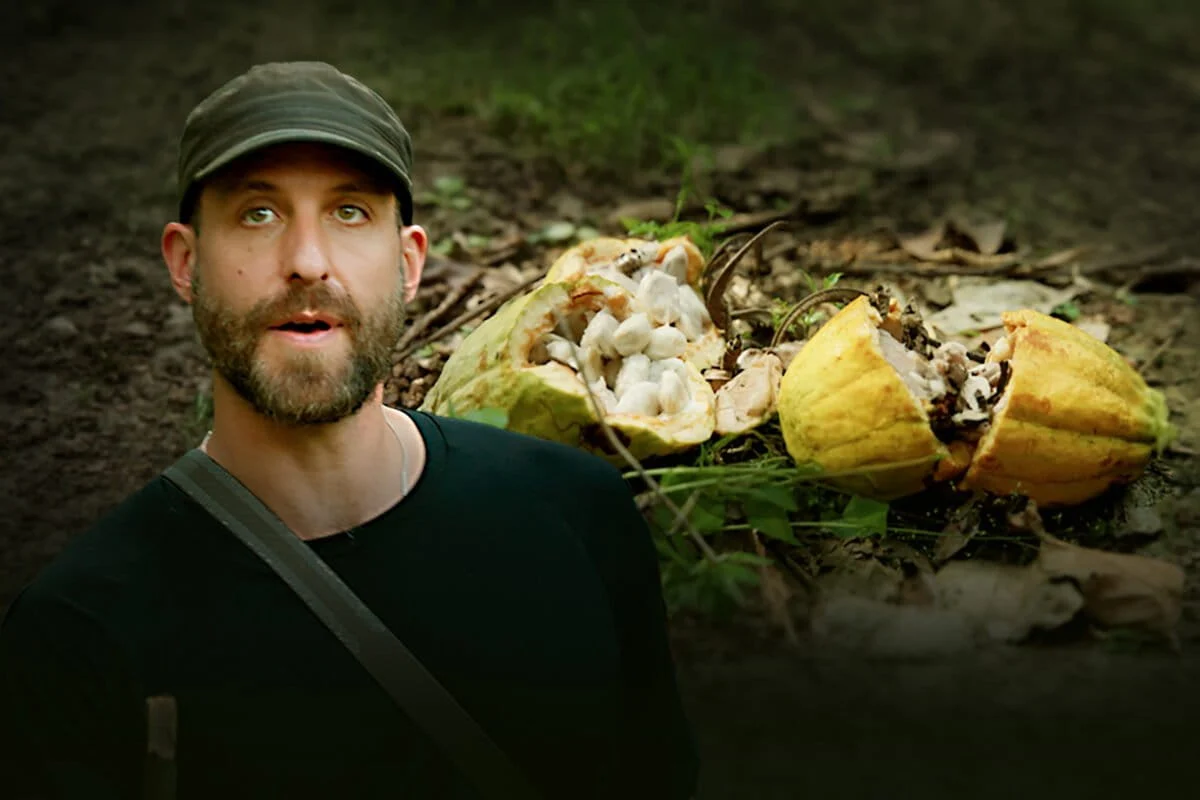
Locals in southeastern Liberia have begun referring to cocoa as "brown gold." The moniker reflects a feverish rush for economic survival in a region where poverty has long been the primary constant. But as the world’s appetite for chocolate continues to grow, the cost of this "gold" is being paid in the currency of primary forest. Satellite data recently analyzed by environmental monitors reveals a staggering rate of forest loss in the region, prompting urgent investigations into the drivers of this expansion and the complex web of global supply chains that profit from it.
The Epicenter of the Cocoa Rush
Grand Gedeh has become the focal point of a modern-day commodity boom. The allure of cocoa has permeated every level of society, from rural community members and migrant workers to high-ranking government officials and external investors. The transition is visible to the naked eye; vast tracts of primary rainforest are being cleared to make way for neat rows of Theobroma cacao trees.
Conservationists on the ground, such as those working with the Wild Chimpanzee Foundation (WCF), are witnessing the destruction of habitats that are home to species found nowhere else on Earth. George, a forest ranger with the WCF, describes a landscape in crisis. The region is a vital corridor for the Western chimpanzee—a subspecies classified as Critically Endangered by the IUCN—as well as forest elephants, pygmy hippopotamuses, and leopards.
"People are destroying the forest in the name of cocoa farming," George explains during a patrol of a proposed national park. The encroachment is not subtle. Rangers frequently discover massive plantations, some exceeding 100 hectares, deep within areas earmarked for total protection. These farms are often less than a year old, indicating a rapid and recent escalation in clearing activities. When patrols encounter workers on these illegal sites, the response is often flight. Many of the laborers are migrants from neighboring countries like Burkina Faso, drawn to Liberia by the promise of land and economic opportunity.
A Socio-Economic Lifeline or an Ecological Death Sentence?
The conflict in Grand Gedeh is not merely one of law enforcement versus illegal activity; it is a profound struggle between immediate human survival and long-term environmental stability. For the residents of towns like Zleh City, cocoa represents the first real chance at upward mobility in generations.
Five years ago, cocoa was virtually non-existent in many of these communities. Today, the landscape is dotted with new houses featuring zinc roofs, replacing the traditional mud-and-thatch huts. This "transformation of life," as local residents describe it, makes conservation efforts a difficult sell. Community leaders argue that if the land belongs to them, they should be permitted to use it to escape the shackles of poverty.
"If you say I shouldn’t do it, what do you expect me to do? How do you expect me to live?" asks one local farmer. This sentiment is echoed across the county. Liberian communities are actively inviting migrant workers to clear land, viewing the rainforest not as a global heritage site, but as an untapped resource for "greener pastures."
However, the prosperity is unevenly distributed. While farmers see marginal gains, the real "winners" of the cocoa show are the brokers and middle-market distributors. In the supply chain, every hand that touches the cocoa bean adds a layer of profit. Brokers in Zleh City operate as the gateway to the global market, feeding the harvest into a system that eventually reaches the capital, Monrovia, and from there, the ports of Europe and North America.
The Global Supply Chain and the Role of Europe
Liberia’s top customer for cocoa is the European Union (EU). For years, the origin of these beans remained obscured by a lack of traceability, allowing cocoa grown on illegally cleared forest land to blend seamlessly into the global market. The farmers and local brokers in Grand Gedeh often have no idea which multinational corporation eventually processes their crop. They are, in their own words, "blind" to the final destination, focused only on the small pittance they receive per bag.
To combat this, EU legislators recently passed the European Union Deforestation Regulation (EUDR). This landmark law aims to ensure that products sold within the EU market—including cocoa, soy, palm oil, and timber—are not linked to deforestation or forest degradation. Under the EUDR, companies must provide precise geolocation data for the land where their commodities were produced.
Delara Burkhardt, a Member of the European Parliament and a vocal supporter of the regulation, emphasizes that the law is about taking responsibility for the "one-sided exploitation of resources." By setting high standards for the European market, the EU aims to incentivize sustainable agricultural practices in producer countries.
However, the implementation of the EUDR has been fraught with political tension. Originally slated to go into force in 2024, the regulation has faced significant pushback from both industry groups and some member states, leading to delays. Critics of the delay argue that it is a political decision rather than a technical one, influenced by lobbying from sectors that are not yet ready to overhaul their supply chains.
The Ghost of Côte d’Ivoire
The situation in Liberia is a haunting echo of what occurred in neighboring Côte d’Ivoire. Once the most forested nation in West Africa, Côte d’Ivoire has lost approximately 90% of its forest cover over the last sixty years, a tragedy driven largely by its rise to become the world’s leading cocoa producer.
Liberia now stands at a similar crossroads. The Upper Guinean rainforest is a "carbon sink" of global importance, essential for climate regulation and biodiversity. If the current trajectory in Grand Gedeh continues, Liberia risks following the Ivorian path, trading its irreplaceable natural heritage for a short-term commodity boom that may eventually collapse as the soil is exhausted and the climate shifts.
Implications and Future Outlook
The "cocoa vs. forest" battle in Liberia highlights a systemic failure in the global agricultural economy. As long as the price of cocoa remains low and the demand for cheap chocolate remains high, the pressure on primary forests will continue.
There are several key implications for the coming decade:
- Market Exclusion: If the EUDR is strictly enforced, Liberian cocoa grown in protected areas will be legally barred from the European market. This could lead to a "two-tier" market where sustainable cocoa goes to Europe at a premium, while deforestation-linked cocoa is diverted to markets with lower environmental standards.
- Conservation Funding Gap: Rangers in Grand Gedeh are chronically underfunded and outnumbered. Without significant international investment in "conservation livelihoods"—programs that pay locals to protect the forest rather than clear it—the economic lure of cocoa will always win.
- Biodiversity Loss: The Western chimpanzee and other endemic species are facing a "bottleneck" effect. As their habitat shrinks into isolated pockets, the risk of local extinction increases exponentially due to loss of genetic diversity and increased human-wildlife conflict.
- Governance and Corruption: Reports of local officials being implicated in land deals suggest that the cocoa rush is also a governance crisis. Strengthening the rule of law and land tenure systems is essential to preventing the "wild west" expansion currently seen in the southeast.
The story of Grand Gedeh is a microcosm of a global crisis. It asks whether a modern, globalized society can find a way to value a standing tree as much as a bag of cocoa beans. For the people of Liberia, the "brown gold" offers a path out of poverty, but for the rainforest, it may be the final chapter. Unless international regulations like the EUDR are paired with genuine support for smallholder farmers and robust domestic forest protection, the world’s appetite for chocolate may finally consume West Africa’s last great forest.