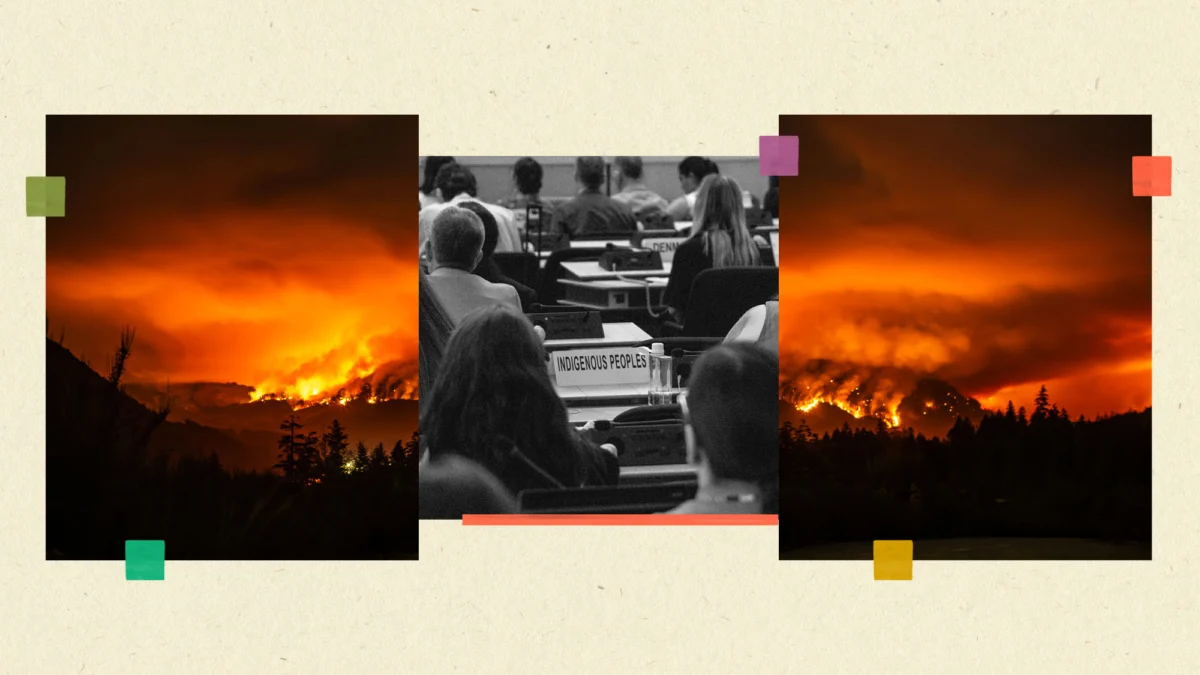
The Canadian wildfire season has reached a critical and catastrophic juncture, with more than 900 active blazes tearing through the wilderness and directly threatening the survival of numerous Indigenous communities. As of the latest reports, 13 First Nations remain under mandatory evacuation orders, a directive that has displaced 2,182 individuals from their ancestral lands. While the environmental toll is staggering, the human and political dimensions of the crisis have come to the forefront, particularly following the near-total destruction of the Namaygoosisagagun (Collins) First Nation. The tragedy has highlighted a glaring gap in federal emergency response protocols, where administrative technicalities and jurisdictional disputes are reportedly stalling the delivery of essential aid to those who have lost everything.
The Namaygoosisagagun First Nation, a remote community located approximately 125 miles north of Thunder Bay, Ontario, became the face of this summer’s devastation on Wednesday. A fast-moving, unpredictable wildfire swept through the settlement with such velocity that residents were given only minutes to flee. Because the community is inaccessible by road, the evacuation was a harrowing maritime operation, with more than two dozen residents forced to pile into boats as flames engulfed their homes and community buildings. Within less than an hour, much of the physical infrastructure of the community was reduced to ash. While Anishinabek Nation Grand Council Chief Linda Debassige confirmed that all community members have been accounted for, the psychological and material loss is absolute.
The Scale of the National Crisis
The current wildfire situation in Canada is part of a broader, intensifying trend of extreme weather events that have overwhelmed provincial and federal resources. According to data from the Canadian Wildland Fire Information System, there were 903 active fires burning across the country as of Friday. Of these, 750 are classified as "out of control," indicating that fire crews have been unable to establish containment lines due to high winds, dry timber, and the sheer scale of the fronts. In a single 24-hour period leading into the weekend, 43 new fires were ignited, many by lightning strikes in drought-stricken regions.
Ontario has emerged as a primary flashpoint in this national emergency. The province is currently battling 193 active fires, a situation that has forced seven First Nations to trigger emergency evacuation protocols. The Chiefs of Ontario have reported that several of these communities were cleared under mandatory orders issued by local leadership, often with the logistical support of the Ontario Provincial Police (OPP). Impacted communities include Whitesand First Nation, Kiashke Zaaging Anishinaabek, and Animbiigoo Zaagi’igan Anishinaabek. The crisis is not limited to Indigenous territories; dozens of non-Indigenous municipalities across Northern Ontario have also faced evacuation orders as smoke and flames encroach on populated areas.
A Community in Limbo: The Recognition Dispute
The destruction of Namaygoosisagagun has ignited a fierce debate over the Canadian government’s obligations to Indigenous peoples during natural disasters. Despite the total loss of their community, residents of Namaygoosisagagun are reportedly being denied federal emergency and reconstruction assistance. The crux of the issue lies in a bureaucratic distinction: while the residents are recognized as First Nations people under the federal Indian Act, the community of Namaygoosisagagun itself is not officially recognized as a "First Nation" band by the federal government.
This lack of official status has created a jurisdictional vacuum. Meaghan Daniel, a lawyer representing the community, has asserted that the federal government is using this lack of recognition to withhold the emergency, recovery, and reconstruction supports typically afforded to recognized First Nations. In a formal letter to Indigenous Services Minister Mandy Gull-Masty, Daniel warned that the government’s refusal to act could result in the permanent dissolution of the community. The letter emphasized that without access to federal rebuilding funds, the members of Namaygoosisagagun—who have occupied the land since time immemorial—may never be able to return.
The community’s leadership has long sought official recognition, arguing that their presence on the land is a matter of historical fact and inherent right. The current disaster has transformed what was once a slow-moving administrative file into a matter of immediate survival. Grand Council Chief Linda Debassige noted that the community received no advance warning from provincial or federal authorities before the fire arrived, nor did they receive official evacuation support. The survival of the residents was due entirely to local initiative, with members going door-to-door to alert neighbors as the fire approached.
Bureaucratic Friction and Leadership Frustration
The response to the wildfires has been hampered by what Indigenous leaders describe as a "bureaucratic maze." During an emergency meeting held by the Ontario Chiefs on Wednesday, leadership expressed profound frustration with the processes required to access emergency services. The primary complaints centered on a lack of clear communication from government officials regarding the protocols for declaring a state of emergency and the financial technicalities that often precede the deployment of resources.
Ontario Regional Chief Abram Benedict has been vocal in his criticism of the government’s priorities. Benedict argued that during a life-threatening catastrophe, the focus should be on the immediate safety and extraction of people, rather than "financial discussions and technicalities." He noted that jurisdictional disputes and administrative delays have real-world consequences, placing lives at risk in remote areas where resources are already scarce.
In response to the growing outcry, the Assembly of First Nations (AFN), during its national assembly in Ottawa, passed emergency resolutions aimed at providing immediate support for Namaygoosisagagun and other impacted nations. The resolutions call on the federal government to bypass traditional bureaucratic hurdles and provide ongoing, comprehensive support throughout the duration of the crisis and the subsequent recovery period.
Chronology of the Namaygoosisagagun Disaster
The timeline of the Namaygoosisagagun fire illustrates the extreme speed at which modern wildfires can move, often outpacing traditional satellite monitoring and alert systems:
- Wednesday Morning: High temperatures and low humidity create volatile conditions in Northern Ontario. Small fires in the vicinity of Collins are monitored but not initially deemed an immediate threat to the settlement.
- Wednesday Afternoon: A sudden shift in wind direction causes a nearby blaze to "crown," moving rapidly through the treetops toward the community.
- The Escape: Within minutes, the fire reaches the outskirts of the community. Lacking a road for evacuation, residents utilize personal boats to flee into the surrounding lake system.
- Wednesday Evening: The fire moves through the heart of the community, destroying the majority of residential and administrative structures.
- Thursday: Leadership from the Anishinabek Nation and the Chiefs of Ontario begin the process of accounting for displaced members and seeking emergency aid from Indigenous Services Canada (ISC).
- Friday: Reports emerge that federal aid is being withheld due to the community’s unrecognized status, leading to legal and political interventions.
Environmental and Long-Term Implications
The 2024 wildfire season follows the record-breaking 2023 season, which saw more than 18 million hectares of forest burned across Canada. Experts suggest that the increasing frequency and intensity of these fires are a direct result of climate change, which has led to longer periods of drought and higher average temperatures in Canada’s boreal forests. For First Nations, these fires represent more than just a loss of property; they are a threat to cultural heritage, traditional hunting grounds, and the ecological integrity of the land.
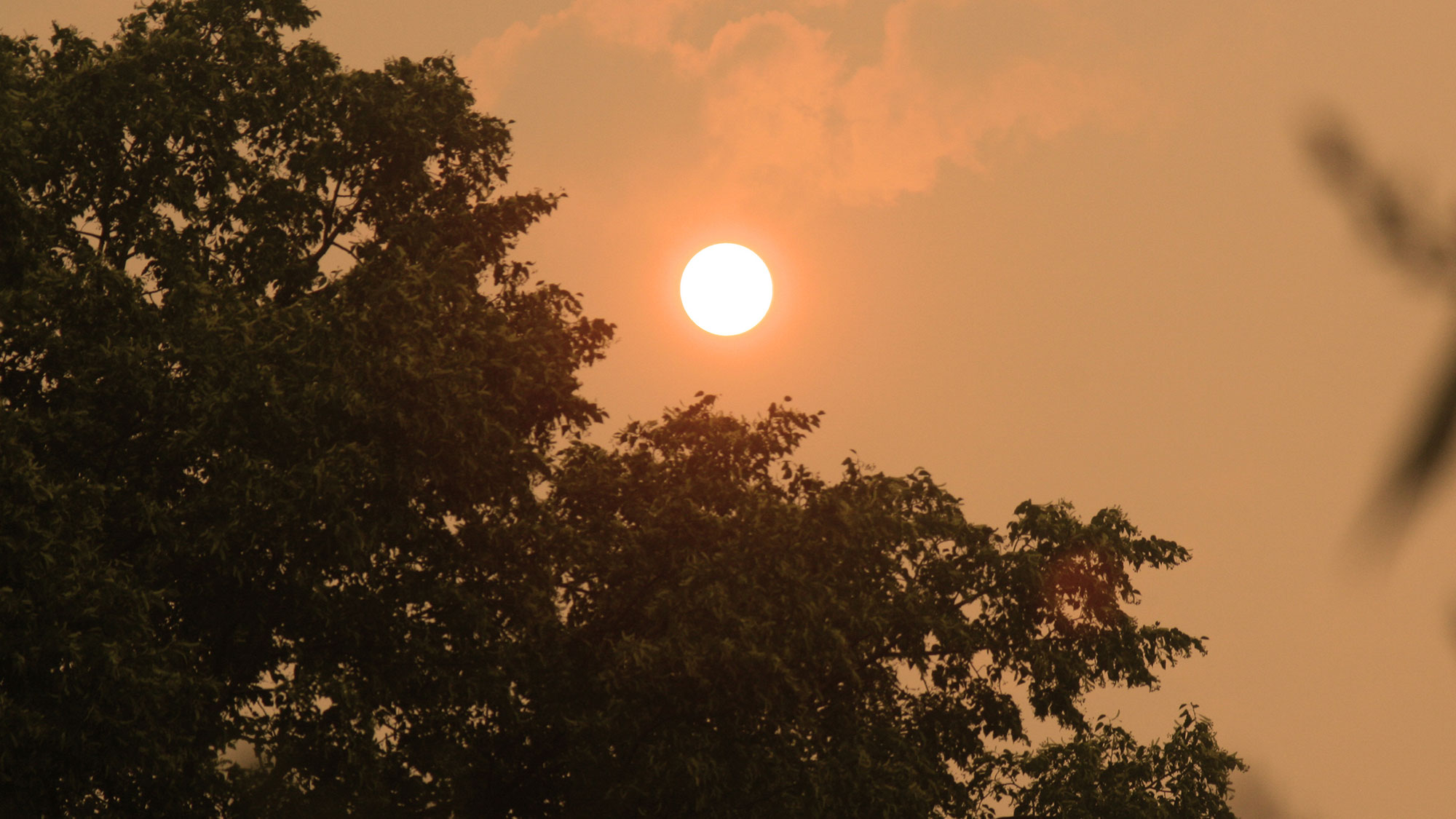
The situation in Namaygoosisagagun serves as a cautionary tale for the "wildland-urban interface" in remote regions. When a community lacks road access, its vulnerability to fast-moving fires is exponentially higher. Furthermore, the smoke from these 900+ fires has international implications, affecting air quality across the United States and contributing significantly to global carbon emissions.
Official Statements and Potential Resolutions
Indigenous Services Canada (ISC) has recently attempted to temper the backlash. Eric Head, a spokesperson for the agency, stated in an email that efforts are now underway to determine the immediate needs of the Namaygoosisagagun community and to coordinate support. However, the agency has not yet committed to the long-term reconstruction funding that the community’s legal counsel insists is necessary for their survival.
The Anishinabek Nation has called for a period of privacy and respect for the citizens of Namaygoosisagagun as they navigate the trauma of losing their entire community. In a statement, the Nation expressed its "heartfelt condolences" and reaffirmed its commitment to standing by the displaced members.
As the fires continue to burn, the focus remains on the immediate safety of the thousands still under evacuation orders. However, the underlying issues of Indigenous recognition and the modernization of emergency response frameworks have now become unavoidable topics for the Canadian federal government. The fate of Namaygoosisagagun will likely serve as a precedent for how the state handles the intersection of natural disasters and Indigenous rights in an era of increasing environmental instability. For the people of Collins, the immediate priority is survival, but the looming question remains whether they will ever be allowed to rebuild the home they have known for generations.