The years immediately following the seismic disruption of the COVID-19 pandemic cast a long shadow over the future of cinematic exhibition. A prevailing sentiment of doom and gloom permeated the industry, fueled by dwindling audience numbers that had been on a downward trend even before global lockdowns. The rise of streaming services further fragmented the market, while independent and arthouse cinemas, once vibrant cultural hubs, faced an existential crisis, with many struggling to reopen their doors to audiences who had become accustomed to the convenience of at-home viewing. This period of uncertainty, however, has begun to give way to a more hopeful outlook, a quiet yet palpable resurgence driven by a new generation of film enthusiasts.
This evolving landscape was a central theme at the recent Costa Rica Media Market, where industry professionals gathered to discuss the future of content distribution. Charlie Sextro, Senior Vice President of Acquisitions and Business Development at Utopia Distribution, shared his insights on how a burgeoning cinephilia among younger audiences is reshaping release strategies, particularly for independent and arthouse films. Sextro, whose extensive background includes 13 years as a senior film programmer and curator at the Sundance Film Festival before joining Utopia in March 2025, painted a picture of a challenging but ultimately transformative era for film distribution.
A New Generation of Arthouse Aficionados
The pandemic years, while devastating for many established cinematic institutions, inadvertently cultivated a unique form of film appreciation among a younger demographic. Fueled by the vast archives of the internet, the viral reach of social media, and the curated recommendations of platforms like Letterboxd, this new wave of cinephiles has developed a deep and abiding love for cinema, particularly for repertory screenings and special film events. This enthusiasm is now translating into tangible support for arthouse venues, with young film fans actively seeking out and attending screenings in major U.S. cities and across the globe.
"It really feels like it’s based on young audiences falling in love with arthouse movies and going to independent films," Sextro remarked during his address at the Costa Rica Media Market. He elaborated on a significant shift he has observed: "The independent film world has always been driven by older audiences – that was the cornerstone of releasing a foreign language or arthouse film. But that went away with COVID, and we now have this young generation that is driving arthouse, which, to me, is the dream. It’s what I’ve always wanted in my life. Young cinephiles are the greatest thing in the world, so I am incredibly hopeful about what’s coming."
This renewed engagement from a younger demographic is not merely anecdotal. Data from industry analysis firms has indicated a growing interest in niche film genres among Gen Z and Millennials, who are often more adventurous in their media consumption and seek out authentic, culturally resonant experiences. This aligns with Sextro’s observation that "everyone these days is looking for fandom that can help drive excitement," citing the viral success of films like Curry Barker’s "Obsession" and Kane Parsons’ "Backrooms" as prime examples of how fan-driven enthusiasm can propel niche content into the cultural spotlight.
Utopia’s Strategic Pivot: Quality Over Quantity
The confluence of these trends – a revitalized young audience and a shifting distribution landscape – has prompted Utopia Distribution to significantly recalibrate its release strategy. Historically, the company, which has been operating for approximately seven years, a considerable tenure for an independent distributor, maintained a steady output of nine to ten films annually. This approach, described by Sextro as "the old school way of just putting a really well-reviewed film in theaters," is no longer deemed sustainable in the current market.

"We’re a small company," Sextro explained. "We used to release nine to ten movies a year, it was pretty regular, one campaign after another in that old school way of just putting a really well-reviewed film in theaters. That doesn’t happen anymore. So our pivot is that we’re pulling back on numbers because it’s not sustainable. We want to be transparent, and we need to change the way we release."
This strategic shift involves a reduction in the number of yearly releases, from the previous nine to ten down to a more focused four to five films. The objective is to dedicate more resources and creative energy to each individual project, employing heavily curated, event-driven release strategies. This approach aims to foster deeper audience engagement and create unique cinematic experiences that transcend traditional distribution models.
Eventizing Releases: Creating Immersive Cinematic Experiences
The core of Utopia’s new strategy lies in "creating really cool events and eventizing releases." Rather than relying on the diminishing returns of traditional theatrical runs or a saturated VOD market, the company is embracing a more complex, roadshow-style release model. This involves a more involved and often labor-intensive approach, a departure from what many comparable independent distributors are willing or able to undertake.
"What we’re doing now as a company is that we are going to release about four to five movies a year, where we are releasing only one movie at a time, and we’re willing to do a complicated roadshow style of release that most companies similar to us won’t do because it takes a lot of work," Sextro detailed. "But we know that if you build something pure for an audience and don’t just fall into traditional ways, people show up and they love it. They love having something created especially for them."
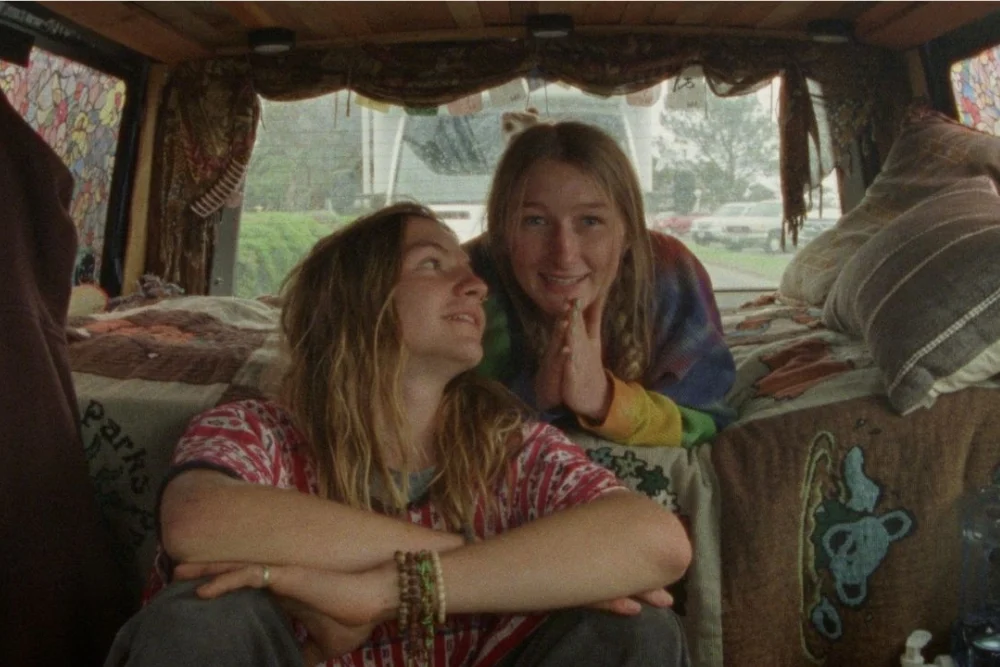
A compelling example of this innovative approach is the recent release of "Summer Tour," a documentary produced by Chloe Sevigny and directed by Mischa Richter. The film, which chronicles the dedicated fandom of The Grateful Dead, was not initially released in traditional arthouse cinemas. Instead, Utopia embarked on a six-week tour of the documentary, exclusively screening it in music venues. This was followed by a 90-minute live concert by a Grateful Dead cover band featured in the film, effectively transforming the film’s premiere into a multi-faceted cultural event.
"We’re creating material for six weeks before we go into art houses," Sextro stated. "We use the first six weeks to promote the art house instead of just spending money. We’re creating revenue by generating events that [sell.] I always believe the movies are great, and there are audiences. The thing that needs fixing right now is how [films] are being connected to audiences. How audiences are being engaged with movies is what needs to change from the old-school, traditional ways." This methodology not only generates revenue through ticket sales for these unique events but also builds significant pre-release buzz and anticipation for the subsequent traditional theatrical run, effectively cultivating demand before the film even reaches mainstream arthouse theaters.
The Declining Influence of VOD and the Search for New Revenue Streams
This strategic pivot is also a direct response to a significant and ongoing industry challenge: a dramatic decrease in VOD licensing deals, particularly from major streaming platforms. The economic model for independent film distribution has been heavily reliant on these licensing revenues, which have now largely evaporated.

"In the past year alone, we’ve gotten no major streaming licensing deals from any of the streamers," Sextro revealed. "Every time they see our movies, they say [they] are too small. They’ve kind of given up on independent film, on arthouse film, and that has taken away a major point of money that was going to come into the release."
The landscape of Video on Demand and digital rental services, including platforms like Amazon and Apple TV, is also becoming increasingly fragmented and less effective for independent film discovery. "VOD and streaming like rentals, Amazon, Apple get smaller and smaller every year," Sextro continued. "There is no discovery of arthouse movies on Apple and Amazon." This lack of organic discovery on major digital platforms necessitates a more proactive and experiential approach to connecting films with their intended audiences.
Exploring New Markets: The Potential of Latin American Cinema
Sextro’s presence at the Costa Rica Media Market also highlighted Utopia’s strategic interest in expanding its reach and exploring untapped markets. While Utopia’s current catalog is diverse, it features a limited number of Latin American titles. Sextro emphasized that the company’s acquisition strategy is driven by artistic merit and potential audience connection, rather than a pre-defined genre or regional focus.
"We are agnostic," Sextro stated when asked about the company’s interest in Latin American cinema. "We release documentaries; we release foreign language films; we do release a lot of American indies." He pointed to the substantial and growing Spanish-language-speaking audience within the United States as a significant opportunity. "In the United States, there is a massive Spanish-language-driven audience," he added. "There are a lot of films where that is the highest percentage of ticket buyers, so there’s a massive space for it. We are open to the movies that we love, that we believe in, and that we see a potential audience for. That is the thing we are looking for in a movie, something where there is going to be passion within the release."
Utopia is actively seeking filmmakers with innovative visions and a willingness to collaborate closely on release strategies. "We rely heavily on filmmakers to be partners in the release, generating ideas, helping us with the creative," Sextro noted. "The filmmakers are the ones with the best ideas because they’ve been living with these movies for years and years and years. Yes, I think there’s incredible potential in releasing Latin American films, even Spanish-language films in general, in the United States. It’s such a strong cause." This collaborative ethos is crucial for developing the kind of tailored, event-driven releases that Utopia is championing, ensuring that films are not just distributed but are brought to life in ways that resonate deeply with audiences. The company’s proactive exploration of international content and its commitment to nurturing filmmaker partnerships signal a forward-thinking approach to navigating the evolving dynamics of the global film industry.