The cultural ethos of the United States has long championed rugged individualism, tracing a historical line from the romanticized image of the lone nineteenth-century cowboy to the modern-day veneration of self-made billionaires. Yet, this prevailing philosophical framework often leaves the vast majority of citizens navigating structural challenges entirely on their own. Nowhere is this disconnect more apparent than in the nation’s systemic aversion to robust public infrastructure, particularly high-speed rail networks. Unlike highway expansion or private aviation, large-scale public transit projects leave minimal room for speculative individual profit, frequently leading to underfunding, political friction, and widespread public skepticism.
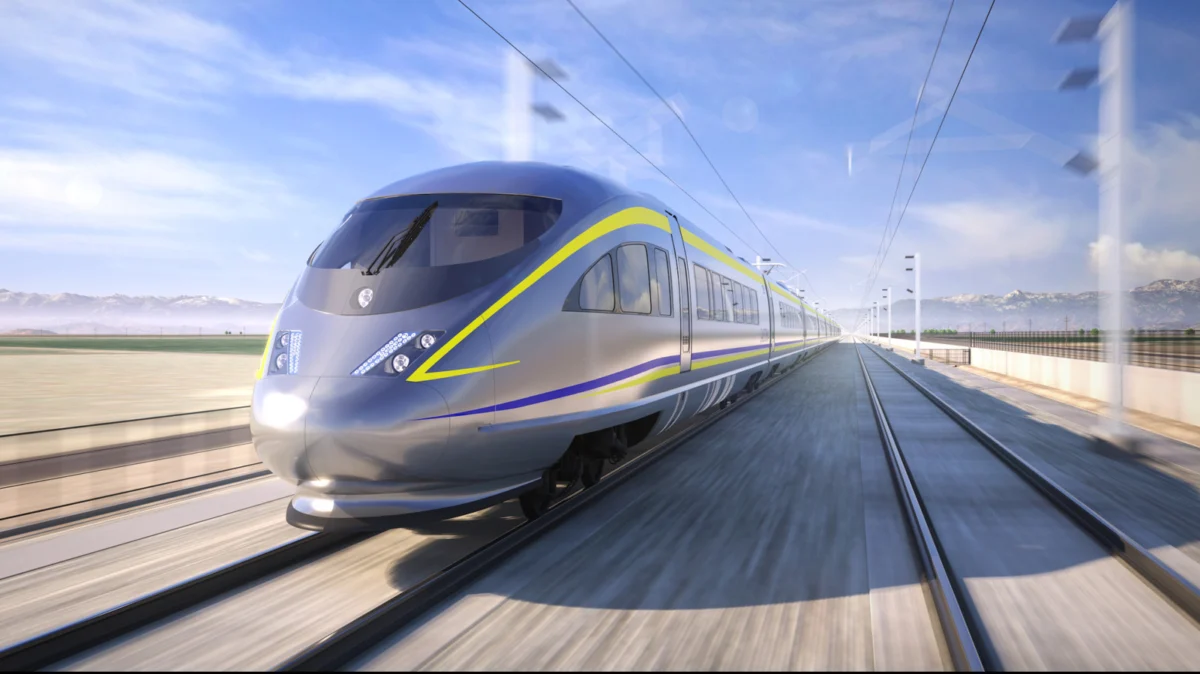
This tension is perhaps most visible in California, a state that has spent nearly two decades attempting to construct a premier bullet train system. What began in 2008 as a visionary initiative promising rapid, environmentally friendly connectivity has since devolved into a cautionary tale of bureaucratic delay, soaring expenditures, and continuous controversy.
The Investigation and Misappropriation of Funds
A fresh layer of scrutiny fell upon the project following the release of an investigative report by the office of the inspector general for California’s high-speed rail initiative. The findings revealed that the California High-Speed Rail Authority (HSRA) authorized nearly $600,000 in taxpayer funds to reimburse private consulting firms for questionable and unauthorized travel expenses.
Over a rigorous two-year auditing period, investigators discovered that taxpayer money was used to cover upscale Uber rides and travel perks completely unrelated to the state’s transportation goals. Among the flagged expenses were rideshare trips to local fitness centers, a cigar lounge, a tiki bar, a vibrant nightclub, and even an escape room. These leisure-oriented reimbursements occurred while the foundational infrastructure of the high-speed rail remained largely unbuilt, with no active tracks having been laid for the primary system.
At the core of the financial malfeasance was the HSRA’s greenlighting of at least $685,500 in payments distributed across four major consulting firms without proper prior verification of travel and administrative expenses. Major entities tied to the consulting agreements include KPMG LLP, the AECOM-Fluor Joint Venture, and the SYSTRA/TYPSA Joint Venture. When contacted by investigative journalists from CalMatters to address the questionable expenditures, representatives from these consulting firms declined to provide statements or commentary.
Egregious Violations of State Expense Policies
The inspector general’s audit detailed a pattern of blatant disregard for state fiscal guidelines. Investigators highlighted unauthorized international trips—despite contractual clauses explicitly barring international travel for consultants—resulting in $118,000 being improperly reimbursed to the firms.
Furthermore, the audit exposed numerous suspicious rideshare charges. This included premium transportation services booked for travel to and from restaurants, bars, and nightclubs during late-night hours, specifically between 9:40 p.m. and 2:30 a.m. The report also underscored repeated taxpayer-funded trips to Planet Fitness locations. These gym-related reimbursements continued even after an internal state supervisor explicitly documented that "the state does not cover ride share to gyms."
When confronted with these discrepancies by the inspector general’s office, representatives for the HSRA maintained that they were under no obligation to individually justify each consultant’s travel itinerary. The inspector general firmly rejected this defense, noting in official correspondence that such an interpretation of state contracting guidelines is fundamentally incorrect.
A Chronology of Delay and Budget Inflation
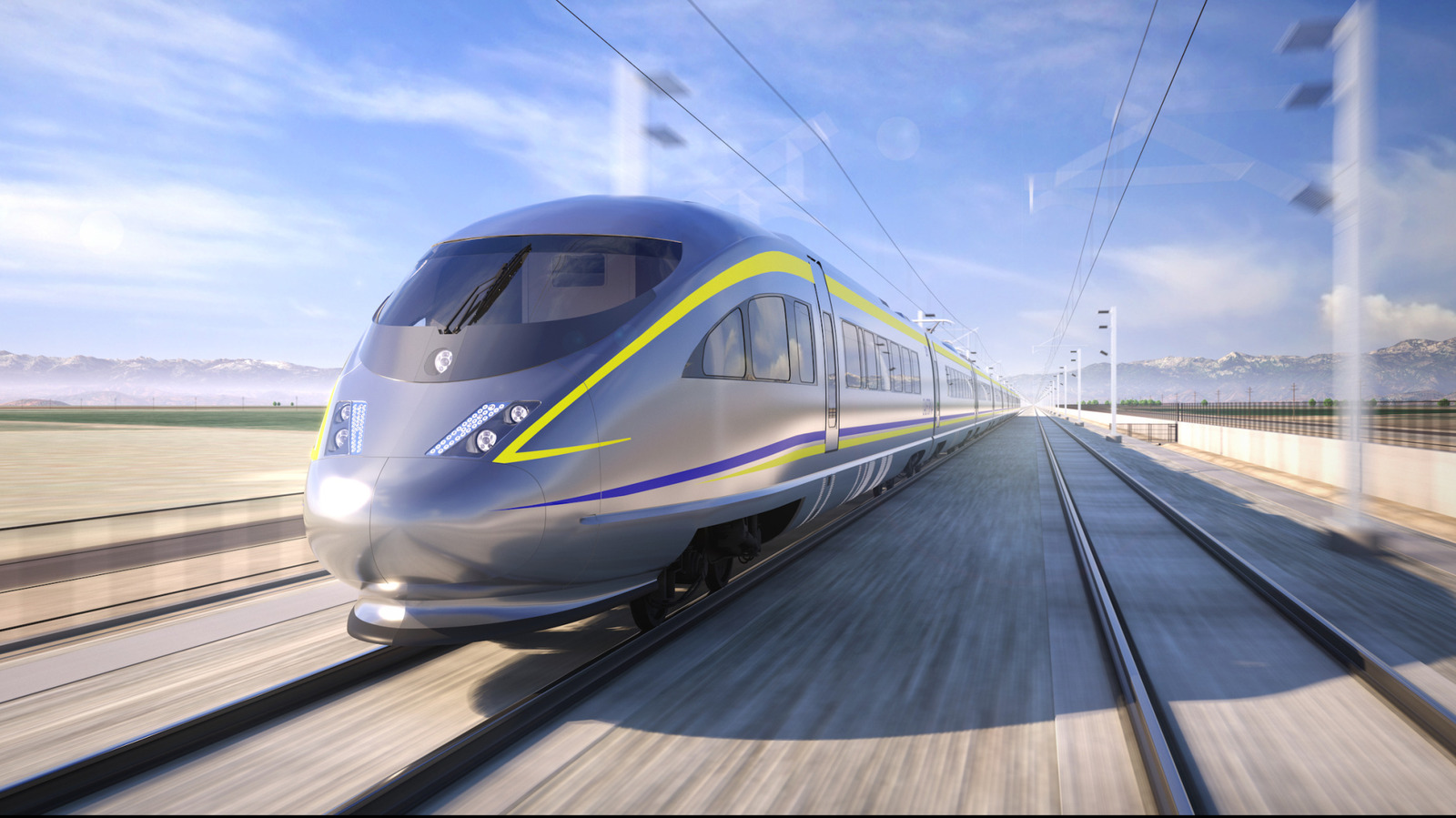
To understand the magnitude of the recent audit, one must examine the protracted timeline of the California high-speed rail project. The initiative was formally introduced to voters in November 2008 via Proposition 1A, a $9.9 billion bond measure intended to jumpstart construction. At the time of its inception, project planners estimated that the complete high-speed rail system—connecting San Francisco to Los Angeles in under three hours—would cost roughly $33 billion and be fully operational by the year 2020.
Almost immediately, the project encountered administrative bottlenecks, environmental lawsuits, land acquisition disputes, and engineering hurdles. As deadlines shifted further into the future, the projected financial burden on taxpayers escalated exponentially.
By the time subsequent business plans were released in the 2010s, the estimated completion cost had doubled, and later tripled. Today, the projected price tag for the primary line has ballooned to an estimated $126 billion, while the initial 2020 operational deadline has long since passed, with completion dates now projected decades into the future. Despite these astronomical costs, the tangible physical progress has been largely restricted to localized construction segments in the Central Valley, leaving millions of residents and taxpayers questioning the viability of the entire undertaking.
Legislative Intervention and Oversight Reform
In response to the mounting financial scandals and administrative oversights, state lawmakers have moved to tighten accountability measures. A legislative bill designed to significantly strengthen the statutory powers and oversight capabilities of the inspector general over the HSRA has advanced through the state legislature, awaiting final executive action from Governor Gavin Newsom, with a decision deadline set for September 30.
Concurrently, the inspector general’s office has issued a comprehensive suite of recommendations intended to force the HSRA to strictly enforce its travel policies and rein in consultant spending. State auditors have signaled that oversight will remain aggressive, with plans to conduct a follow-up financial evaluation of the HSRA following the conclusion of the upcoming March fiscal checkpoint.
Broader Implications for American Infrastructure
The financial irregularities uncovered within the California High-Speed Rail Authority carry profound implications for the broader future of American public infrastructure. As federal and state governments debate the necessity of transitioning toward sustainable mass transit networks, public trust remains the most fragile currency in any large-scale civic undertaking.
When high-profile infrastructure initiatives are plagued by ballooning budgets, delayed timelines, and embarrassing administrative scandals—such as taxpayers inadvertently footing the bill for consultants’ late-night nightclub outings and gym visits—it provides robust ammunition for critics of public spending. This erosion of confidence can stall similar rail and transit initiatives across the United States, reinforcing the nation’s reliance on automobile-centric infrastructure and private transit solutions.
Ultimately, the California bullet train controversy serves as a stark reminder of the complexities inherent in executing massive public works projects within a decentralized governance model. Whether the state can successfully reform its oversight mechanisms, restore fiscal discipline, and eventually deliver a functional high-speed rail network will likely shape the trajectory of American public transit development for generations to come.