One of the most persistent hurdles to mass electric vehicle (EV) adoption—the significant price premium over traditional internal combustion engine (ICE) vehicles—is undergoing a profound shift. According to the latest data from Kelley Blue Book (KBB), the average transaction price (ATP) for a new electric vehicle in the United States has dropped to a point where it is only 9.4% more expensive than the average new gas-powered car. This represents a dramatic contraction from the 16% gap observed just one year ago, signaling a transformative period for the automotive industry that could fundamentally alter consumer behavior in the coming fiscal quarters.
A Shifting Financial Landscape
The macroeconomic environment for vehicle purchasing has been turbulent over the past twenty-four months. In August, the average transaction price for all new vehicles in the United States rose by nearly 2% to reach $50,089. In a counter-cyclical move, the EV sector saw its average transaction price fall by 2.7% year-over-year, settling at $54,813.
While the nominal dollar difference remains, the trend line is unmistakable. For years, EVs were positioned as luxury or early-adopter items, often commanding price tags well beyond the reach of the average American household. Today, the influx of entry-level and mid-tier electric models is eroding that barrier. Industry experts note that this is not merely a result of manufacturers cutting margins, but rather a reflection of a maturing market where production efficiencies, battery chemistry advancements, and broader model availability are finally beginning to pay dividends for the consumer.
The Role of Market Diversity
For a long time, the narrative of EV pricing was synonymous with the pricing strategy of Tesla. As the dominant market leader, Tesla’s adjustments to its Model 3 and Model Y pricing were the primary levers moving the industry average. However, the current decline in ATP is increasingly driven by a diverse roster of manufacturers including Chevrolet, Hyundai, Toyota, and Subaru.
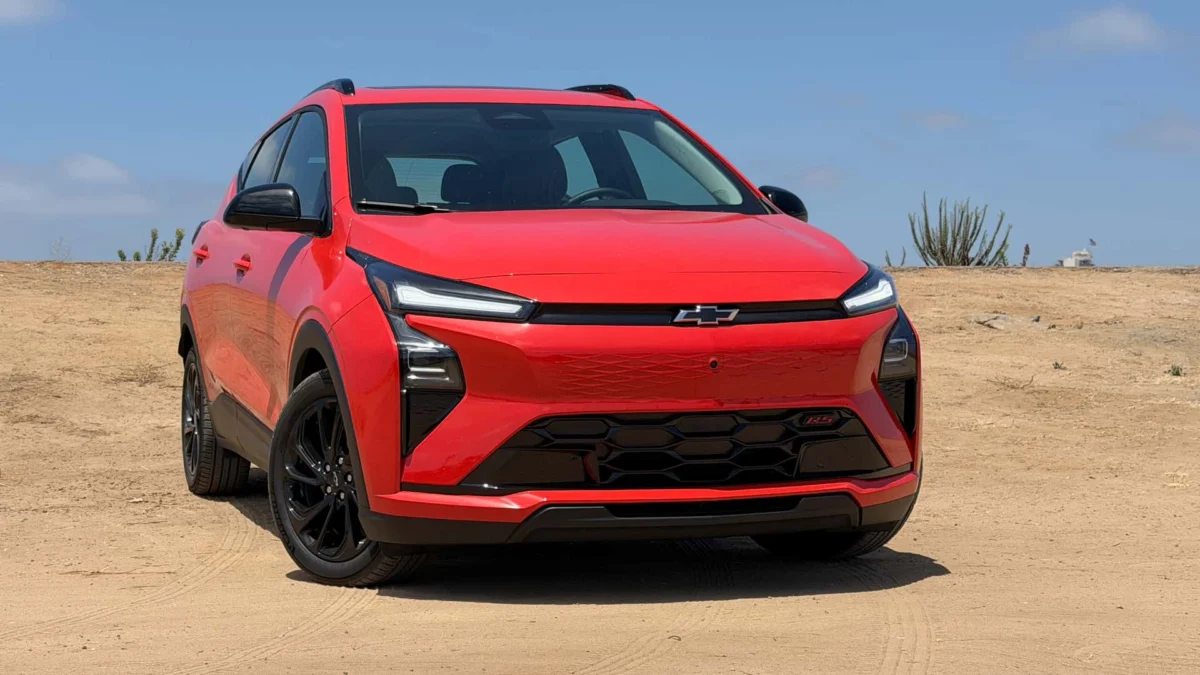
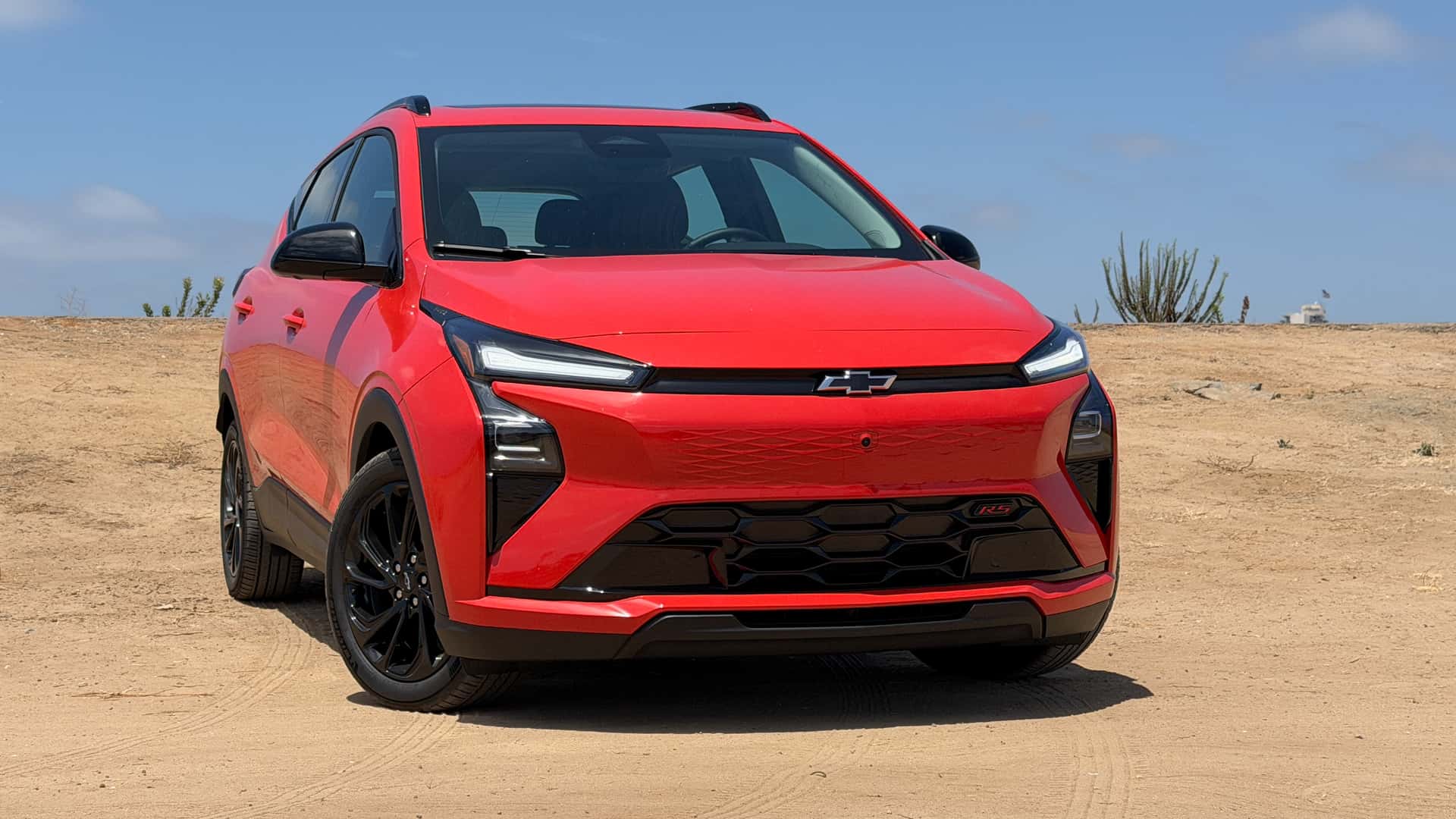
Stephanie Valdez-Streaty, director of industry insights at Cox Automotive—the parent company of Kelley Blue Book—emphasizes that the market is currently experiencing a "democratization of electrons." According to her analysis, while legacy models like the Tesla Model Y, the Hyundai Ioniq 5, and the Cadillac Lyriq have seen only marginal, near-flat price movements, the overall average is being pulled downward by the sheer volume of sales from more affordable, mass-market electric platforms. Vehicles such as the refreshed Chevrolet Bolt, the Toyota bZ series, and the Subaru Solterra are capturing significant market share. Because these vehicles are priced lower than the premium electric SUVs that dominated the market two years ago, their success is shifting the industry’s "average" toward a more accessible price point.
The Myth of the Sticker Price
A critical nuance often missed in superficial market analysis is the role of incentives. While the base MSRP of a vehicle provides a starting point for consumers, the "transaction price" is the actual amount paid after dealer discounts, manufacturer rebates, and federal tax credits are applied.
In August, incentives accounted for approximately 12% of the average transaction price for electric vehicles. To put this in perspective, the overall industry average for incentives across all powertrain types stood at 6.5%. This indicates that while EVs are becoming cheaper to produce, they remain heavily supported by "cash on the hood" to entice buyers. However, this, too, is changing. A year ago, incentives represented 14.6% of the EV transaction price. The reduction in these incentives—dropping from an average of $8,200 per vehicle to $6,600—suggests that the market is finding a more natural equilibrium. When manufacturers reduce reliance on heavy incentives to move inventory, it is a hallmark of a maturing, healthier market where the product itself, rather than the subsidy, is driving the sale.
Chronology of the Price War
To understand the current state of the market, one must look back at the volatility of the last three years.
- 2022–Early 2023: High demand, supply chain constraints, and limited inventory led to record-high transaction prices for EVs, with some models trading well above MSRP.
- Late 2023: As supply began to catch up, Tesla initiated a series of aggressive price cuts. This forced other manufacturers to follow suit to remain competitive, triggering a "price war" that squeezed margins across the industry.
- Mid-2024: The focus shifted toward inventory management and the introduction of more budget-conscious models.
- August 2024 to Present: The market has entered a phase of "normalization." The urgency previously driven by federal tax credit deadlines has waned, and consumers are now selecting vehicles based on utility, range, and brand preference rather than immediate financial windfalls.
Implications for the Future
The move toward price parity has significant implications for both manufacturers and regulators. For automakers, the challenge is no longer just building an electric car; it is building one that remains profitable without relying on government-backed subsidies. The fact that EV incentive support has dropped relative to combustion vehicles is a positive indicator for the long-term sustainability of the sector.
Furthermore, the upcoming holiday sales season is expected to be a bellwether for the industry. For the first time in several years, the market will navigate the end of the calendar year without the shadow of expiring federal tax credits driving artificial urgency. Industry analysts expect that this "normalization" will favor brands that can provide transparent pricing, robust inventory levels, and a diverse range of vehicle types, from subcompact commuters to family-oriented crossovers.
Addressing the "Wait and See" Consumer
Despite the narrowing price gap, a segment of the population remains hesitant. This is often attributed to "charging anxiety" and residual value concerns. However, the data indicates that as the barrier to entry (the purchase price) falls, the total cost of ownership (TCO) advantage of an EV becomes more apparent. With lower maintenance requirements and the long-term stability of electricity costs compared to the volatility of global oil markets, the financial argument for electric vehicles is strengthening.
As the industry moves into 2025, the focus will likely shift from simple price parity to feature parity. Consumers are increasingly asking not just for an electric car that costs the same as a gas car, but for one that offers the same utility, charging convenience, and build quality.
Conclusion: A New Baseline
The automotive sector is witnessing the end of the "early adopter" era and the beginning of the "mass market" phase. While the road to full electrification remains long and complex, the shrinking price gap is the most significant indicator yet that the shift is not just possible, but inevitable. By moving away from an reliance on incentives and toward a model driven by supply-and-demand fundamentals, the electric vehicle industry is proving its resilience.
For the average American consumer, the prospect of purchasing an electric vehicle is becoming less of a financial sacrifice and more of a standard, rational economic choice. If current trends hold, the next few years may be remembered as the tipping point where the electric car finally shed its niche status to become the standard-bearer for the future of personal mobility. The data from Kelley Blue Book confirms that while the journey toward parity is far from over, the most difficult miles of the transition are now firmly in the rearview mirror.