Understanding and Mastering Fashion Style Categories
Fashion style categories are essential frameworks for understanding the vast and ever-evolving world of personal expression through clothing. They provide a common language for designers, stylists, consumers, and trend forecasters, allowing for effective communication, targeted marketing, and the development of cohesive wardrobes. Instead of being rigid dogma, these categories serve as adaptable blueprints, evolving with cultural shifts and individual interpretation. Understanding these categories is not about conforming to a singular look but rather about identifying the core aesthetics, silhouettes, and sensibilities that resonate with an individual’s personality, lifestyle, and desired image. By dissecting these styles, we unlock the potential for more intentional dressing, building outfits that are not only visually appealing but also deeply reflective of who we are and aspire to be. This article will delve into the nuances of popular fashion style categories, exploring their origins, key characteristics, influential figures, and how to effectively incorporate them into a personal aesthetic.
The Eclectic and Enduring Appeal of Bohemian Style
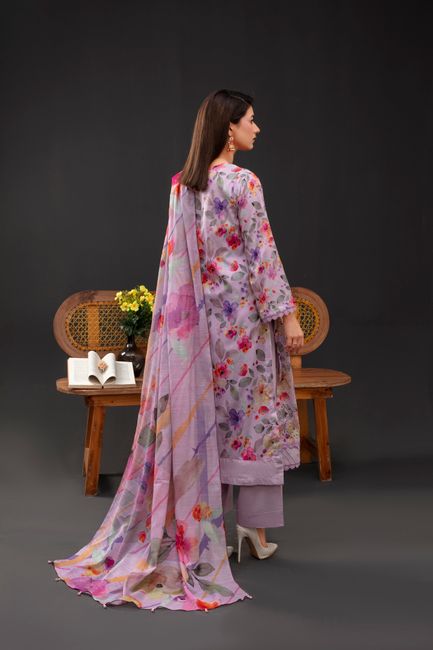
Bohemian, often shortened to "Boho," style is characterized by its free-spirited, unconventional, and artistic approach to dressing. Its roots can be traced back to the 19th-century bohemian movement in Paris, where artists, writers, and intellectuals embraced a lifestyle that rejected bourgeois norms, favoring individuality and creative expression. This translated into a fashion sense that was deliberately anti-establishment, often drawing inspiration from historical, ethnic, and folk traditions. Key elements of Bohemian style include flowing silhouettes, natural fabrics like cotton, linen, and suede, and an abundance of texture and embellishment. Think maxi dresses, tiered skirts, wide-leg pants, and loose-fitting blouses. Prints are frequently employed, ranging from paisleys and florals to intricate tribal patterns and ethnic motifs. Layering is a cornerstone of Boho, with fringed vests, embroidered kimonos, and chunky knit cardigans adding depth and visual interest. Accessorizing is paramount, with an emphasis on natural materials such as wood, leather, beads, and feathers. Statement jewelry, stacked bracelets, layered necklaces, and floppy hats are common. Footwear often includes espadrilles, gladiator sandals, or ankle boots. The overall aesthetic conveys a sense of relaxed comfort, wanderlust, and a deep appreciation for artisanal craftsmanship. While the core tenets of Boho remain consistent, it has evolved over time, with sub-categories like "Boho Chic" incorporating more refined elements and "Festival Boho" leaning towards a more whimsical and playful interpretation.
The Power and Practicality of Classic and Timeless Style
Classic style embodies sophistication, elegance, and enduring appeal. It’s a sartorial philosophy that prioritizes quality over fleeting trends, focusing on well-constructed garments with clean lines and timeless silhouettes. The essence of classic style lies in its understated elegance and versatility, making it suitable for a wide range of occasions, from professional settings to more formal events. Key characteristics include a neutral color palette – think black, white, navy, grey, beige, and pastels – which allows for effortless mixing and matching. Garment construction is paramount, with an emphasis on high-quality fabrics like wool, cashmere, silk, and crisp cotton. Silhouettes are typically tailored and refined, featuring well-fitting blazers, tailored trousers, pencil skirts, classic trench coats, and simple shift dresses. The goal is to create a polished and put-together look that transcends seasonal fads. Accessorizing in classic style is about quality and subtlety. Think elegant leather handbags, fine jewelry (pearls, delicate gold or silver pieces), silk scarves, and polished leather shoes like loafers, pumps, or elegant boots. The overall impression is one of confidence, maturity, and an appreciation for enduring quality. This style is often associated with influential figures known for their impeccable taste, such as Audrey Hepburn, Grace Kelly, and Jackie Kennedy Onassis, whose wardrobes continue to inspire to this day. While not overtly trend-driven, classic style can be updated with modern proportions or subtle contemporary elements, ensuring its continued relevance.
The Modern Edge of Minimalist Style
Minimalist style strips away the extraneous, focusing on essential pieces, clean lines, and a restrained color palette to create an aesthetically sophisticated and often serene look. It’s a deliberate rejection of excess, celebrating the beauty of simplicity and the power of well-chosen, high-quality garments. The philosophy behind minimalism extends beyond mere aesthetics; it often reflects a conscious consumerism, prioritizing fewer, more impactful items that are versatile and built to last. Key characteristics of minimalist style include a focus on monochromatic or neutral color schemes – white, black, grey, beige, and muted earth tones are prevalent. Silhouettes are often architectural, with an emphasis on sharp tailoring, precise cuts, and clean, uncluttered forms. Oversized, yet structured, pieces can also be a hallmark, offering a modern, relaxed take on the aesthetic. Fabrics are typically luxurious and have a refined texture – think fine knits, smooth silks, crisp cottons, and high-quality wools. Embellishments are generally avoided, with the focus being on the inherent beauty of the fabric and the cut of the garment. Layering is employed strategically to add depth and dimension without sacrificing the overall clean aesthetic. Accessories are sparse and carefully curated, often featuring geometric shapes, metallic accents (gold or silver), and high-quality leather goods. Footwear tends to be sleek and understated, such as minimalist sneakers, elegant loafers, or pointed-toe heels. The overall impression is one of modern refinement, intentionality, and a quiet confidence that comes from a curated and considered wardrobe.
The Bold and Expressive Nature of Street Style
Street style is a dynamic and ever-evolving category that draws inspiration from the everyday fashion choices of individuals, particularly within urban environments. It’s a democratic and organic form of fashion, often reflecting current trends, subcultures, and individual creativity. Unlike runway fashion, which is designer-driven, street style emerges from the ground up, influenced by a diverse range of people and their personal interpretations of style. Key characteristics of street style are its eclecticism and willingness to experiment. It often blends high-fashion pieces with vintage finds, athletic wear, and unique, often DIY, elements. There’s a notable emphasis on individuality and self-expression, with no single definitive look. Trends can emerge and dissipate rapidly within street style, often dictated by social media and cultural influencers. Common elements include oversized silhouettes, statement sneakers, graphic tees, distressed denim, bold prints, and unexpected layering combinations. Accessories play a crucial role, with prominent logos, designer handbags, statement sunglasses, and eye-catching jewelry being popular choices. The overall aesthetic can be edgy, casual, sophisticated, or playful, depending on the individual and the context. Street style photography, particularly from fashion weeks in cities like New York, London, Paris, and Milan, has become a significant force in popularizing and disseminating these trends globally. It provides a real-time barometer of what is currently resonating in fashion and offers a wealth of inspiration for individuals looking to inject a more contemporary and personalized touch into their wardrobes.
The Glamour and Sophistication of High Fashion Style
High fashion, or haute couture, represents the pinnacle of sartorial artistry, characterized by exclusivity, exquisite craftsmanship, and avant-garde design. It is a realm where creativity knows no bounds, and garments are often created as wearable art rather than everyday attire. Originating in Paris, haute couture adheres to strict regulations set by the Chambre Syndicale de la Haute Couture, ensuring a high level of bespoke tailoring and meticulous attention to detail. Key characteristics include the use of the finest materials, often rare and luxurious fabrics, and intricate embellishments such as hand-sewn beading, embroidery, and appliqué. Silhouettes can be dramatic and theatrical, pushing the boundaries of conventional design and embracing experimental forms. The color palette can be as bold and vibrant as it is refined and elegant, often dictated by the designer’s vision for a particular collection. Each piece is custom-made for an individual client, reflecting a deeply personal and luxurious experience. The designers at the forefront of high fashion, such as Chanel, Dior, Valentino, and Givenchy, are celebrated for their innovation, visionary aesthetics, and ability to shape global fashion trends. While direct access to haute couture is limited to a select few, its influence permeates the broader fashion landscape, inspiring ready-to-wear collections and dictating the direction of trends for seasons to come. It embodies a spirit of opulence, aspiration, and the ultimate expression of artistic talent within the fashion industry.
The Athletic and Functional Appeal of Athleisure Style
Athleisure is a fashion category that blurs the lines between athletic wear and everyday casual clothing, embracing comfort, functionality, and a sporty aesthetic. It has evolved from its origins as gym-specific attire to become a mainstream style embraced by individuals for a wide range of activities, from running errands to socializing. The core principle of athleisure is the seamless integration of performance-oriented fabrics and designs into a lifestyle wardrobe. Key characteristics include the use of technical fabrics like spandex, moisture-wicking materials, and breathable knits, which offer comfort and flexibility. Silhouettes are often relaxed and streamlined, featuring leggings, joggers, hoodies, bomber jackets, and stylish sneakers. The color palette can range from classic neutrals to bold, vibrant hues, often incorporating graphic elements and brand logos. Layering is a common technique, with oversized hoodies paired with sleek leggings or bomber jackets thrown over athletic tops. The appeal of athleisure lies in its versatility and the ability to transition effortlessly from workouts to casual outings without sacrificing style or comfort. This style is heavily influenced by sportswear brands and has seen a surge in popularity due to its alignment with modern lifestyles that prioritize both activity and ease of dressing. Accessories tend to be practical and sporty, such as baseball caps, backpacks, and functional sunglasses.
The Nostalgic and Retro Influence of Vintage and Retro Style
Vintage and retro style celebrate the fashion of past eras, drawing inspiration from iconic decades and their distinct aesthetics. Vintage refers to garments that are at least 20 years old and retain their original charm and historical significance. Retro, on the other hand, encompasses modern clothing that emulates the styles of specific past periods. This category is driven by a love for historical fashion, a desire for unique pieces, and an appreciation for craftsmanship and quality that may be less common in contemporary mass-produced clothing. Key characteristics are heavily dependent on the era being referenced. For example, 1950s retro might evoke full-skirted dresses, fitted waists, and polished accessories, while 1970s retro might lean towards bell-bottoms, bohemian prints, and earthy tones. Common elements across various vintage and retro styles include distinctive silhouettes, unique prints and patterns, and materials that were prevalent in those periods. Accessories are crucial for completing the look, with items like cat-eye sunglasses, headscarves, statement jewelry, and era-appropriate footwear playing a significant role. The appeal lies in the storytelling inherent in vintage pieces, the uniqueness of finding a one-of-a-kind item, and the ability to express individuality by stepping outside of contemporary trends. This style is often favored by those who appreciate history, have a keen eye for detail, and enjoy curating a wardrobe that is both personal and historically informed.
The Androgynous and Unconventional Nature of Gender-Fluid Style
Gender-fluid style challenges traditional fashion norms by embracing clothing that transcends gendered expectations. It’s a liberating approach that prioritizes personal expression over prescribed societal roles, allowing individuals to wear what makes them feel authentic and empowered. This category is not about conformity but rather about breaking down binary limitations in fashion and celebrating individuality. Key characteristics involve the blending of traditionally masculine and feminine elements, or the adoption of garments that are inherently unisex. Silhouettes can range from oversized and relaxed to tailored and structured, with no fixed rules regarding form. The color palette is expansive, reflecting the wearer’s preferences rather than gendered associations. Fabrics and textures are also diverse, with the emphasis on comfort and personal taste. Accessorizing in gender-fluid style is about individual choice, incorporating items that resonate with the wearer, regardless of traditional gender associations. This can include jewelry, hats, bags, and footwear that defy conventional categorization. The underlying philosophy is one of inclusivity and the freedom to experiment with fashion as a means of self-discovery and authentic representation. It reflects a broader societal shift towards greater understanding and acceptance of diverse gender identities and expressions.
The Sharp and Sophisticated Edge of Edgy Style
Edgy style is characterized by its bold, unconventional, and often rebellious aesthetic, pushing the boundaries of traditional fashion with an attitude that is both confident and daring. It’s a style that thrives on making a statement and expressing a sense of individuality that is distinct and memorable. Key elements of edgy style often include dark color palettes, with black being a dominant hue, often punctuated by pops of metallic, deep jewel tones, or muted greys. Silhouettes can be sharp and structured, or intentionally deconstructed and oversized, creating a sense of dramatic contrast. Materials like leather, faux leather, denim (often distressed or ripped), and metal accents are frequently employed, contributing to a tough and resilient visual narrative. Common garment types include leather jackets (biker jackets are iconic), ripped jeans, band t-shirts, graphic tees with provocative imagery, and figure-hugging dresses. Layering is often utilized to add depth and visual interest, with pieces like mesh tops under t-shirts or oversized blazers over more fitted attire. Footwear in edgy style is typically robust and statement-making, such as combat boots, platform boots, or chunky-soled sneakers. Accessories play a crucial role in amplifying the edgy aesthetic, with items like chains, studs, spikes, statement jewelry, and dark sunglasses being popular choices. The overall impression is one of confidence, a rebellious spirit, and a willingness to embrace a more unconventional and impactful approach to personal style.
Navigating and Integrating Fashion Style Categories into a Personal Wardrobe
Understanding these diverse fashion style categories provides a valuable toolkit for developing a personal aesthetic that is both expressive and functional. The key to successful integration lies in thoughtful exploration and intentional curation. Begin by identifying which categories resonate most deeply with your personality, lifestyle, and aspirations. Consider the activities that fill your days: are you often in professional environments, seeking comfort for casual outings, or aiming for standout looks for social events? Reflect on the visual elements that naturally draw your eye – are you drawn to flowing fabrics and earthy tones, or do sharp lines and bold silhouettes appeal more?
The next step involves deconstructing the core elements of your chosen styles. For instance, if you’re drawn to Bohemian, identify the types of prints, fabrics, and silhouettes that you find most appealing. If Classic style is your inclination, focus on the quality of tailoring and the timelessness of the pieces. Don’t feel confined to a single category; many individuals find their personal style to be a harmonious blend of several influences. A minimalist might incorporate the clean lines of classic style into their wardrobe, while an edgy dresser might embrace the layering techniques of Bohemian fashion.
When building your wardrobe, prioritize quality over quantity. Investing in well-made pieces that align with your chosen styles will ensure longevity and versatility. Consider how each new acquisition complements existing items, aiming for a cohesive and functional wardrobe. This often involves building a strong foundation of versatile basics within your preferred categories, and then layering in more statement pieces that reflect your unique flair. Experimentation is crucial. Try on different combinations, experiment with accessories, and pay attention to how different outfits make you feel. Social media platforms and style blogs can be excellent resources for inspiration, offering visual examples and practical advice on how to adapt and personalize different styles. Ultimately, the goal is to create a wardrobe that empowers you, boosts your confidence, and authentically represents who you are. Fashion categories are guides, not dictates, and the most compelling personal styles are those that are thoughtfully curated and uniquely interpreted.
