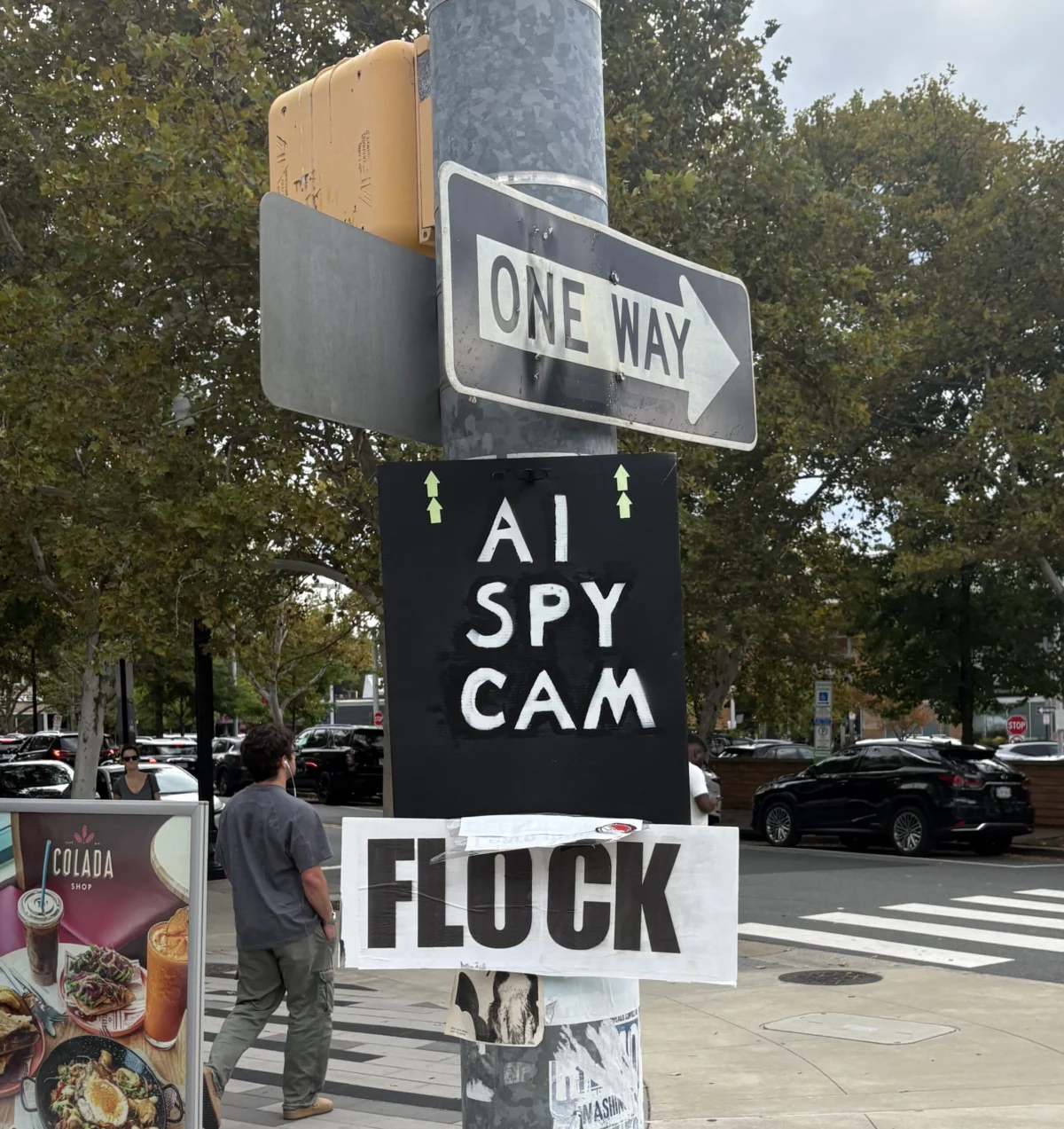
Surveillance technology company Flock Safety is facing a pivotal crossroads in its corporate history. On Friday, the embattled firm announced a sweeping voluntary buyout program for its approximately 1,500 employees, offering what internal communications described as the most generous severance packages in the company’s history. The move comes as Flock struggles to navigate an unprecedented wave of public backlash, legislative bans, and municipal contract cancellations stemming from severe controversies surrounding the misuse of its automated license plate recognition (ALPR) camera networks.
According to internal memos and industry reports, Flock expects a significant portion of its workforce to express interest in the departure packages and intends to grant them to a majority of applicants. Industry observers and insiders note that the buyout initiative serves a dual purpose for the tech startup: it allows leadership to streamline operations and trim headcount in response to plunging revenues, while simultaneously offering a clean exit for employees demoralized by the relentless negative publicity shadowing the brand. Without these voluntary departures, corporate insiders suggest the company would have been forced to execute sweeping, involuntary layoffs.
The Genesis of the Crisis: The Surveillance Network Expansion
To understand Flock Safety’s current predicament, one must examine the rapid and aggressive expansion that defined the company’s trajectory over the past several years. Founded with the mission of eliminating crime through a network of smart, interconnected cameras, Flock successfully embedded its technology into thousands of neighborhoods, law enforcement agencies, and commercial properties across the United States.
Flock’s business model relied heavily on creating a vast, cooperative web of automated license plate readers and fixed-position cameras. These devices capture high-resolution images of vehicles, timestamps, and geographic coordinates, instantly feeding that data into centralized databases accessible to police departments. While proponents of the technology argued that these systems served as a vital force multiplier for law enforcement—aiding in the recovery of stolen vehicles, the apprehension of fleeing suspects, and the location of missing persons—civil liberties advocates warned of the immense potential for unchecked mass surveillance.
For years, critics cautioned that the aggregation of millions of daily vehicle sightings created a de facto tracking system capable of monitoring the movements of ordinary citizens without a warrant. However, it was not merely the existence of the network that triggered the current crisis, but rather documented instances of systemic abuse by the very authorities entrusted with its operation.
A Cascade of Misuse and Legislative Retaliation
The tipping point for Flock Safety arrived in August 2026, when an investigative report published by The Washington Post exposed a deeply troubling pattern of behavior within law enforcement agencies utilizing the company’s technology. The investigation identified at least 46 distinct cases in which police officers were accused of egregious misuses of Flock’s camera network. Rather than fighting violent crime or tracking fugitives, officers were allegedly utilizing the powerful surveillance tools to stalk and monitor their current and former wives, girlfriends, and romantic partners.
The revelation sent shockwaves through the privacy advocacy community and eroded the political goodwill the company had carefully cultivated with municipal leaders. The fallout was swift and merciless.
Within weeks of the Washington Post report, state governments and local municipalities began severing ties with the startup at an alarming rate. State authorities in Florida and Texas—jurisdictions that had previously been among the most enthusiastic adopters of police surveillance technology—announced immediate moves to block and ban the use of Flock cameras over mounting constitutional and privacy concerns.

Concurrently, anti-surveillance advocacy groups and municipal watchdogs tracked a staggering acceleration in contract cancellations. Data compiled from city councils nationwide revealed that approximately 90 cities officially dropped their contracts with Flock Safety during the single month of August 2026. This represented a fourfold increase in contract terminations compared to the preceding month, signaling a severe collapse in public trust.
The Toll on Internal Morale and Corporate Leadership Response
The rapid disintegration of public contracts and the intense media scrutiny have taken a heavy toll on Flock Safety’s internal culture. In a recent appearance on the All-In podcast, Flock CEO Garrett Langley addressed the crisis candidly, acknowledging that the intense public backlash had severely damaged the company’s internal operations. Langley noted that the single most damaging aspect of the controversy was not necessarily the immediate financial hit or the loss of municipal clients, but the profound toll it had taken on employee morale.
Faced with a workforce grappling with the ethical implications of the company’s products and the hostile public reception, leadership structured the Friday buyout offer as an amicable off-ramping mechanism. By providing robust financial incentives for voluntary resignation, Flock attempts to manage its overhead while allowing disillusioned workers to depart on terms that minimize immediate friction.
Broader Implications for the Surveillance Tech Industry
The crisis enveloping Flock Safety holds significant implications for the broader gov-tech and private surveillance sectors. For years, venture capital has flowed heavily into startups promising enhanced public safety through artificial intelligence, machine learning, and omnipresent data collection. The rapid downfall of Flock suggests that the regulatory and public relations risks associated with mass surveillance are reaching a critical threshold.
As municipal governments face mounting pressure from constituents and civil rights organizations, the era of frictionless adoption for private policing technologies may be coming to a close. Cities that once eagerly signed long-term contracts are now demanding stringent transparency, robust data privacy safeguards, and strict auditing mechanisms to prevent the kind of abuse documented in recent months.
Furthermore, the situation at Flock highlights the delicate ethical responsibilities borne by tech workers in the modern era. When the tools developed in Silicon Valley are deployed in ways that violate civil liberties or enable harassment, internal dissent can paralyze a company from within.
Looking Ahead: Uncertainty for Flock Safety
As Flock Safety processes the influx of buyout applications and attempts to restructure its workforce, the company faces an uphill battle to repair its reputation. Retaining the remaining 1,500-employee base—or whatever fraction remains after the buyouts—will require a fundamental shift in corporate strategy, enhanced data governance, and rigorous oversight to ensure that its technology cannot be weaponized against private citizens.
Whether Flock can weather this existential storm, rebuild relationships with wary state governments, and restore confidence among municipal leaders remains to be seen. What is certain, however, is that the events of late 2026 have permanently altered the landscape of public surveillance in the United States, drawing a sharp, contentious line between public safety initiatives and the fundamental right to privacy.