The European automotive landscape reached a definitive turning point in June 2026 as battery-electric vehicles (EVs) officially outsold every other propulsion system in Germany, marking the first time in history that zero-emission cars have claimed the top spot in the continent’s largest car market. This seismic shift represents a symbolic end to the era of internal combustion dominance in a nation whose industrial identity has been inextricably linked to the diesel engine for over a century. According to the latest data released by the Federal Motor Transport Authority (Kraftfahrt-Bundesamt, or KBA), the German market saw an unprecedented surge in EV adoption, signaling that the long-promised "electric revolution" has moved from a niche trend to the primary driver of automotive commerce.
The statistical breakdown for June 2026 reveals a market in the midst of a rapid transformation. German consumers registered a total of 84,057 new electric cars during the month, representing a staggering 78.2% increase compared to the same period in the previous year. This surge propelled EVs to a 28.4% share of the total market, narrowly edging out traditional hybrids, which accounted for 83,315 registrations and a 28.1% market share. In contrast, the decline of traditional fossil-fuel-powered vehicles continued its steady pace. Pure gasoline models concluded the month with 60,796 registrations (20.5% share), while diesel-powered cars—once the backbone of the German highway system—fell to just 11.4% of the market with 33,862 units. Plug-in hybrids (PHEVs) rounded out the figures with 32,212 registrations, capturing 10.9% of the monthly "pie."
A Decisive Victory for Electric Mobility
The total number of new car registrations in Germany reached 296,378 units in June, a 15.7% increase over the previous year. While the overall market showed signs of healthy recovery and growth, the internal distribution of those sales is what has captured the attention of industry analysts and policymakers. For decades, Germany’s "Autobahn culture" favored high-torque, long-range diesel engines capable of sustained high speeds over hundreds of miles. The fact that electric vehicles have now overtaken this legacy technology suggests that consumer anxiety regarding range and charging infrastructure is being replaced by a preference for the performance, environmental benefits, and lower operating costs associated with electric drivetrains.
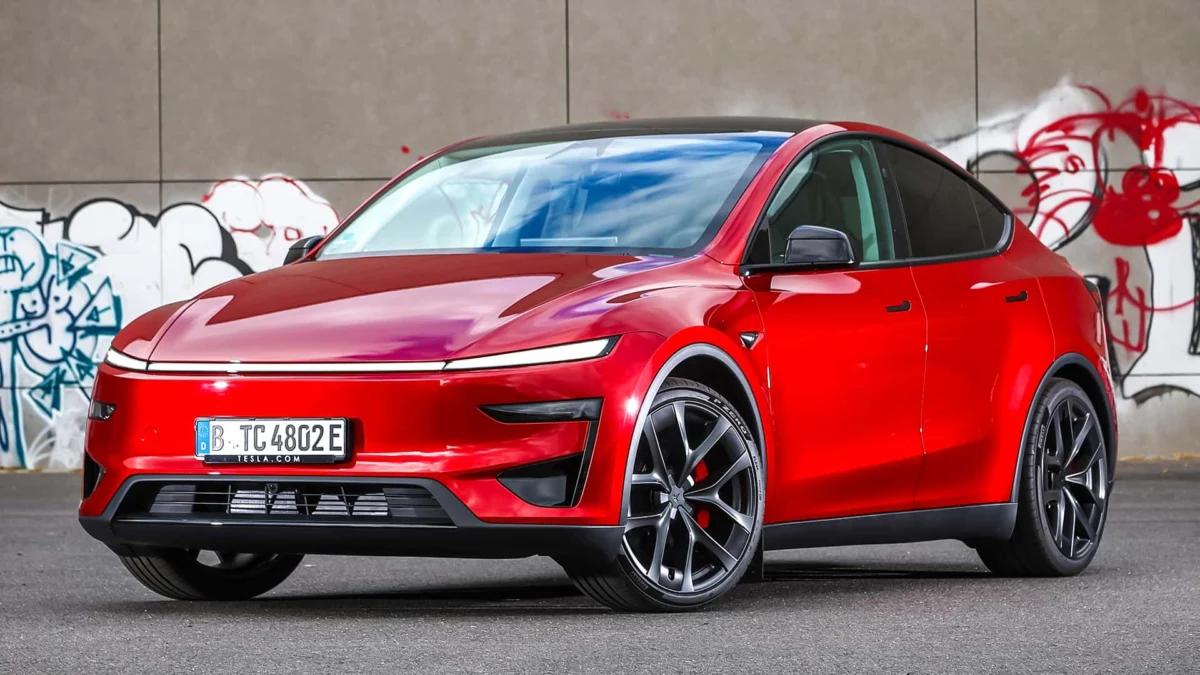
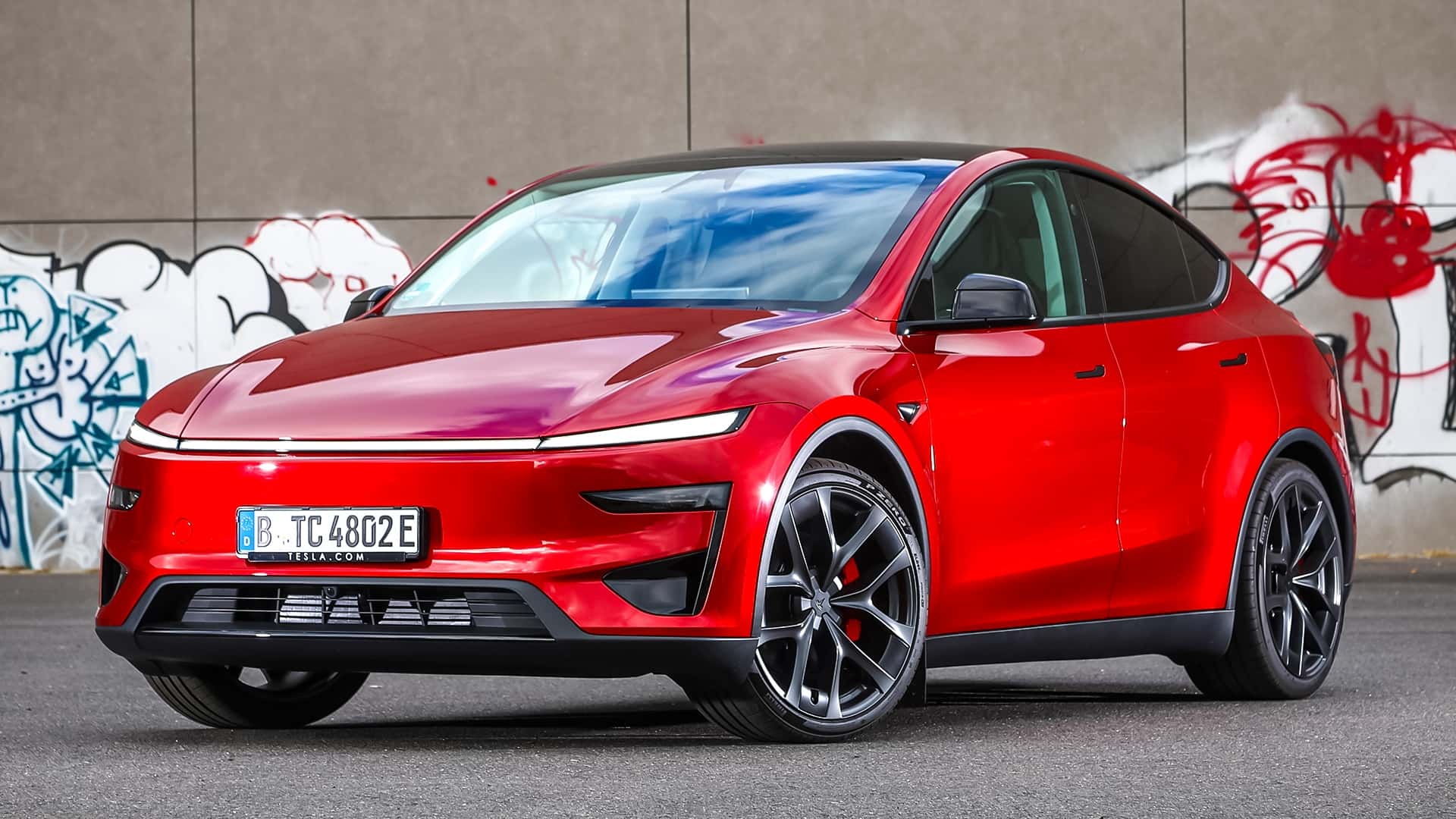
The Tesla Model Y emerged as the primary architect of this electric surge. The American-designed, German-built crossover secured 6,023 registrations in June, making it the best-selling electric vehicle in the country. More impressively, the Model Y’s performance was strong enough to place it third in the overall standings of all vehicles sold, regardless of fuel type. This highlights a growing trend where flagship EV models are no longer competing merely within their own segment, but are successfully challenging established internal combustion icons for overall market dominance.
Domestic manufacturers, however, are not ceding the field. The Volkswagen ID.3 hatchback claimed the second spot in the EV segment with 3,514 registrations, followed closely by the Skoda Enyaq with 3,383 units. The competitive nature of the market was further evidenced by the Skoda Elroq, which had previously held a leading position but was pushed to fourth place following a resurgence in Tesla’s delivery volumes. The top ten list for June also featured strong showings from the BMW X1, the Mini electric range, and the Audi A6, illustrating a broad-based adoption across various price points and vehicle classes.
Chronology of a Market Transformation
The path to June 2026’s milestone was paved by a decade of aggressive policy interventions, infrastructure investment, and technological breakthroughs. To understand the significance of this moment, one must look at the timeline of the German automotive transition:
- 2015–2018: The Catalyst of Crisis. The "Dieselgate" emissions scandal served as a profound wake-up call for the German industry, leading to a loss of public trust in diesel technology and forcing manufacturers like the Volkswagen Group to pivot their entire long-term strategies toward electrification.
- 2020–2022: Subsidy-Driven Growth. In the wake of the global pandemic, the German government introduced "innovation bonuses," providing thousands of euros in incentives for EV buyers. This period saw EVs move from 2% to over 15% of the market share.
- 2023–2024: Infrastructure and Local Production. The ramp-up of Tesla’s Gigafactory in Berlin-Brandenburg and the conversion of Volkswagen’s Zwickau and Emden plants into EV-only facilities ensured a steady supply of vehicles. Simultaneously, the expansion of the "Deutschlandnetz" (Germany Network) of high-power chargers addressed the critical issue of highway charging.
- 2025: Parity and Choice. By early 2025, the arrival of more affordable models and the increasing cost of carbon-taxed fuels began to tilt the total cost of ownership (TCO) in favor of electric vehicles for the average consumer.
- June 2026: The Flipping Point. The convergence of high fuel prices, improved battery ranges, and a cultural shift resulted in the historic month where EVs became the preferred choice for the plurality of German car buyers.
Manufacturer Standings and Market Dynamics
While Tesla holds the crown for the best-selling individual EV model, the broader market remains dominated by the Volkswagen Group when all its subsidiary brands (VW, Audi, Skoda, Seat/Cupra) are aggregated. Volkswagen remains the largest overall player in Germany by a significant margin, recording 51,058 total registrations across all fuel types in June. BMW followed in second place with 26,119 registrations, while Skoda completed the podium with 24,963 units.
The success of the Skoda Enyaq and the new Elroq highlights the importance of the "value-premium" segment in driving EV adoption. Furthermore, the appearance of the Cupra Tavascan and the Mercedes-Benz CLA EV in the top ten list indicates that the market is diversifying into more emotional and luxury-oriented segments. The presence of the BMW X1 and Audi A6 also proves that the "corporate fleet" market—a vital component of German car sales—is transitioning rapidly to electric options to meet corporate ESG (Environmental, Social, and Governance) targets.
The Long Road Ahead: Fleet Inertia and Infrastructure
Despite the celebratory nature of the June sales figures, industry experts caution that the overall "greening" of the German transport sector is a marathon, not a sprint. Data from the KBA indicates that at the beginning of 2026, the total active vehicle fleet in Germany stood at approximately 61 million vehicles. Of this massive number, only 4.1% were fully electric.
The vast majority of cars on German roads—59.3%—remain pure gasoline-powered vehicles. This includes not only passenger cars but also commercial vehicles and older "youngtimer" models that remain in service. This "fleet inertia" means that even if every new car sold from today forward were electric, it would still take well over a decade to replace the existing stock of combustion engines.
"The June figures are a psychological and commercial triumph," noted one industry analyst. "However, the challenge now shifts from convincing the early adopters to managing the long-tail transition of the existing 60 million combustion vehicles. This involves maintaining a dual infrastructure for a period while ensuring the power grid can handle the increasing load of an entirely electric fleet."
Implications for the European and Global Markets
Germany’s status as the "locomotive" of the European economy means that its market trends often dictate the direction of neighboring countries. The fact that EVs have achieved the top spot in Germany is expected to act as a powerful signal to consumers in France, Italy, and Poland that electric mobility is no longer a futuristic concept but the current standard.
This milestone also carries heavy implications for the European Union’s 2035 mandate, which effectively bans the sale of new internal combustion engine (ICE) vehicles. Germany’s progress provides a data-backed rebuttal to critics who argued that the 2035 goal was unrealistic. If the heartland of the diesel engine can transition to a 28.4% EV share by mid-2026, the path to 100% by 2035 appears increasingly viable.
Furthermore, the data underscores the intensifying competition between Western legacy automakers and new entrants. The Tesla Model Y’s dominance on German soil is a clear message to domestic brands that brand loyalty is being superseded by technological leadership and charging convenience. The response from German automakers—massive investments in software-defined vehicles and next-generation battery platforms—will determine whether they can reclaim the top spots on the EV leaderboard in the years to come.
Conclusion: A New Chapter in Automotive History
The automotive history books will indeed require a new page to document the events of June 2026. For a nation that invented the modern internal combustion engine, the transition to electric leadership is both a disruption and an evolution. The success of the Tesla Model Y, the resilience of Volkswagen, and the rapid decline of diesel all point to a future where the "hum" of the electric motor replaces the "rumble" of the piston.
While the road to a fully decarbonized fleet remains long and fraught with logistical challenges, the June registration data provides undeniable proof that the momentum has shifted. Germany has crossed the rubicon; the electric vehicle is no longer the alternative—it is the benchmark. As the rest of the year unfolds, the industry will be watching closely to see if this trend holds, or if June 2026 was merely the first of many months where the electric car stands alone at the top of the mountain.