A Chronology of Delays and Hopes
The Tesla Roadster was first unveiled in November 2017 during the surprise finale of the Tesla Semi truck event. At the time, it was positioned as the pinnacle of electric performance, promising a sub-two-second zero-to-60 mph time, a top speed exceeding 250 mph, and a range of over 620 miles. Initial reservation holders were led to believe they would take delivery by 2020. However, as 2020 came and went, the project remained in a state of suspended animation, hampered by shifting engineering priorities, the global supply chain crises of the early 2020s, and the company’s intense focus on scaling the Model 3 and Model Y platforms.
For many early adopters, the waiting period proved insurmountable. High-profile figures, including tech luminaries and automotive enthusiasts like Marques Brownlee and Sam Altman, who were among the first to secure their spots, eventually requested refunds as the delivery timeline became increasingly indefinite. The reopening of the reservation portal suggests that Tesla is finally moving toward a definitive production phase, though the long history of missed milestones leaves some industry analysts questioning the firm’s ability to meet the new, albeit unspecified, production deadlines.
The October 1 Reveal: What to Expect
The upcoming October 1 reveal at the SpaceX rocket-testing facility in Waco, Texas, is expected to provide much-needed clarity. According to industry reports, including those from The Information, Tesla plans to showcase a production-ready, street-legal vehicle. There has also been persistent speculation regarding a secondary version of the car, often referred to as the "flying" Roadster, which is expected to integrate proprietary SpaceX thruster technology.
Elon Musk has frequently teased the potential for the vehicle to incorporate cold-gas thrusters—a feature he has claimed could drastically improve the car’s acceleration, braking, and cornering capabilities. During a recent appearance on the All-In Podcast, Musk hinted at the unconventional nature of the reveal, stating, "It’ll be a banger. Excitement guaranteed. Success is not guaranteed, but excitement is." This emphasis on the experiential aspect of the event underscores Tesla’s unique approach to product launches, which often prioritize marketing theater alongside technical innovation.
Technical Aspirations vs. Engineering Realities
The technical specifications promised in 2017 set an extraordinarily high bar for the electric vehicle industry. However, the landscape of high-performance EVs has shifted significantly since then. Competitors like Rimac, Lucid, and Porsche have introduced vehicles that challenge the original performance metrics Tesla once claimed as industry-leading.
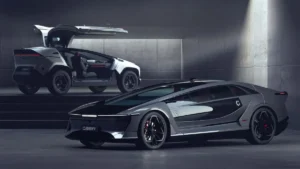
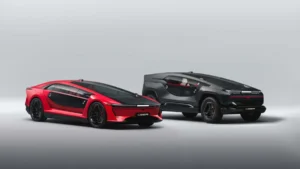
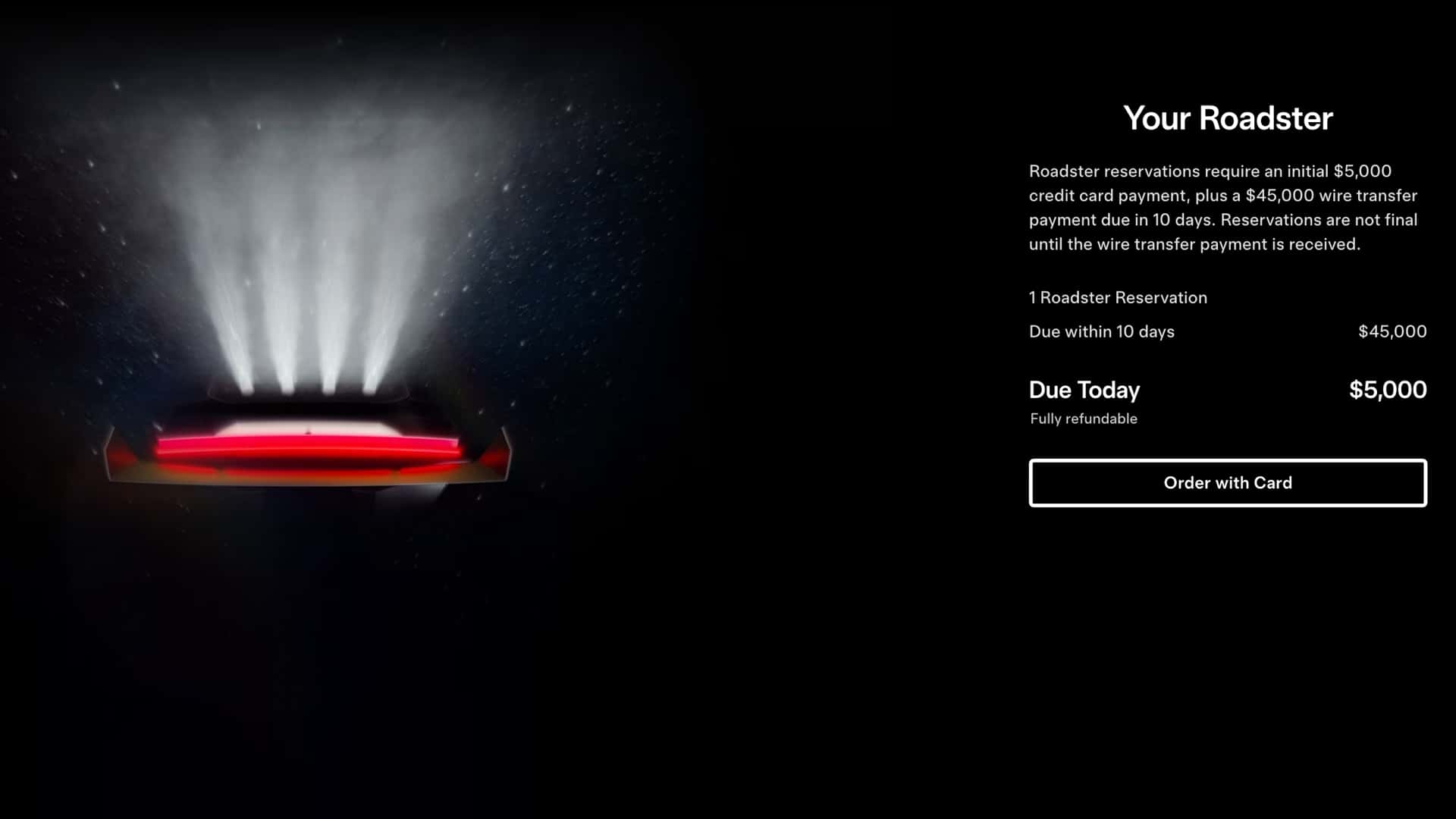
Furthermore, the design of the vehicle appears to have evolved. Teaser imagery shared by Tesla indicates a departure from the 2017 prototype, leaning into the angular, utilitarian aesthetic that defines the modern Tesla lineup, specifically the Cybertruck and the updated Semi. This "cyber" styling suggests that the final production model may prioritize aerodynamic efficiency and a unified brand identity over the more traditional sports car silhouette shown at the original unveiling.
There is also the matter of battery technology. Musk has previously expressed skepticism regarding the necessity of a 600-mile range, citing the significant weight penalty of the battery packs required to achieve such distances. It is possible that the final production version will feature a more optimized battery configuration that balances range with vehicle weight, potentially sacrificing the original 620-mile claim for improved handling and efficiency.
Economic and Market Implications
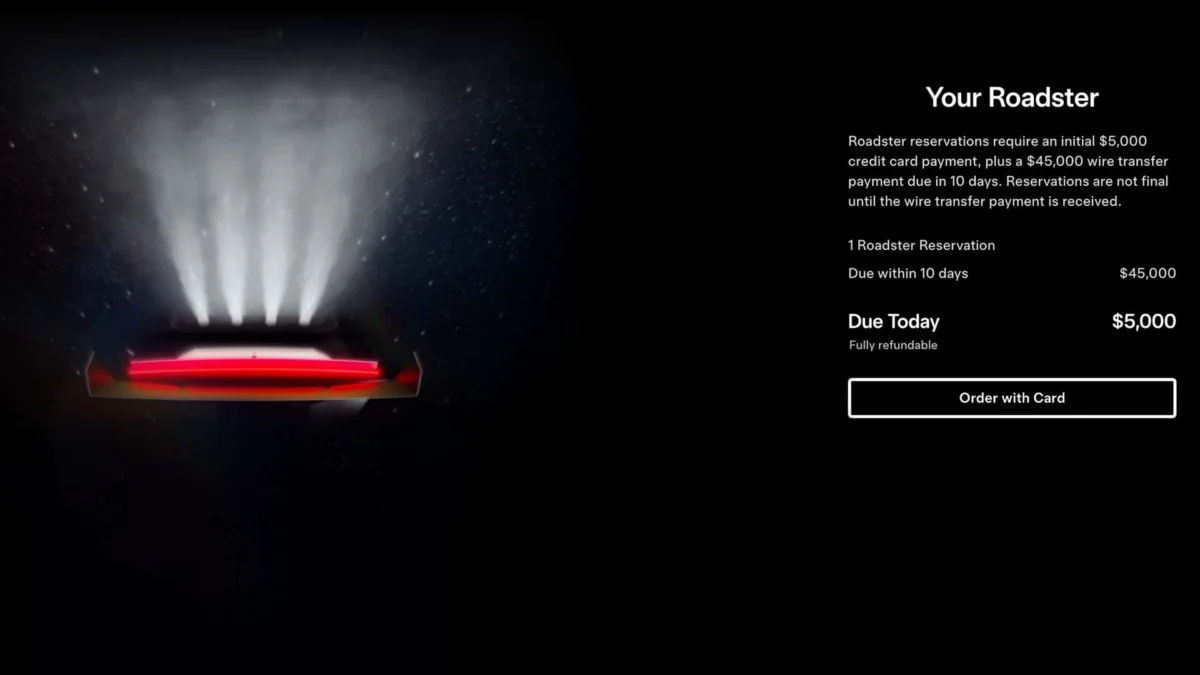
The $50,000 entry fee is a significant capital outlay, comparable to the price of a mid-range luxury sedan. For Tesla, this reservation model serves two primary purposes: it generates immediate, interest-free capital that can be deployed toward manufacturing tooling and R&D, and it serves as a litmus test for consumer demand. By asking for a substantial deposit, Tesla is effectively filtering for "high-intent" customers who are willing to bet on the company’s ability to deliver a halo product, despite its checkered history with timelines.
From an investor perspective, the Roadster is not necessarily a volume driver. Unlike the Model 3 or Model Y, the Roadster is a brand-building exercise. It is intended to showcase the potential of electric powertrains and to maintain Tesla’s reputation as an innovator. Whether the car actually hits the road in 2026 or is delayed further remains the primary concern for both analysts and those who have transferred their money to Tesla.
The Role of SpaceX Technology
The integration of aerospace technology into a passenger vehicle remains the most controversial and anticipated aspect of the Roadster. If the October 1 event successfully demonstrates a vehicle that utilizes thruster-assisted maneuvering, it would represent a landmark moment in automotive history. However, regulatory hurdles present a formidable challenge. A car equipped with rocket thrusters would need to meet stringent road-safety standards, including those related to pedestrian safety, emissions, and noise pollution.
Tesla’s decision to hold the event at a SpaceX facility rather than a traditional automotive venue suggests that the company is leaning into the "flying" narrative, even if the actual production version remains limited to ground-based performance. The clear-airspace notice surrounding the event has fueled further speculation, but seasoned observers suggest that the demonstration may be limited to a controlled environment to avoid potential liability and regulatory complications.
Addressing the Skepticism
The frustration among long-term reservation holders is palpable. Many have waited seven years for a vehicle that has yet to enter the production line. By opening the books to new customers, Tesla is signaling that it believes it is finally nearing the end of the development cycle. However, the burden of proof rests with the company.
The industry will be watching the October 1 event not just for the spectacle of the car’s performance, but for tangible details regarding production start dates, final pricing, and the specific configurations that will be available to customers. If Tesla can provide a clear, realistic roadmap, it may successfully rehabilitate the image of the Roadster program. Conversely, another event focused solely on conceptual promises without a firm delivery timeline risks further eroding the patience of its most loyal customer base.
The Path Forward
As the date for the reveal approaches, the automotive world remains divided on what to expect. Will the Roadster be the definitive electric hypercar of the decade, or will it remain a perpetually "just around the corner" project? The shift from the 2017 vision to the current, more modernized iteration reflects the broader evolution of the Tesla brand—a company that has grown from a niche automaker into a global powerhouse, yet still struggles with the gap between visionary ambition and mass-market execution.
Ultimately, the success of the Roadster will be measured not by the excitement of its unveiling, but by the keys delivered to customers. For now, thousands of people have chosen to hold their breath and their deposits, waiting to see if the reality of the next-generation Tesla Roadster can finally match the decade of anticipation that has surrounded it. The October 1 reveal will serve as the final test of that patience and the company’s credibility regarding its most ambitious projects.