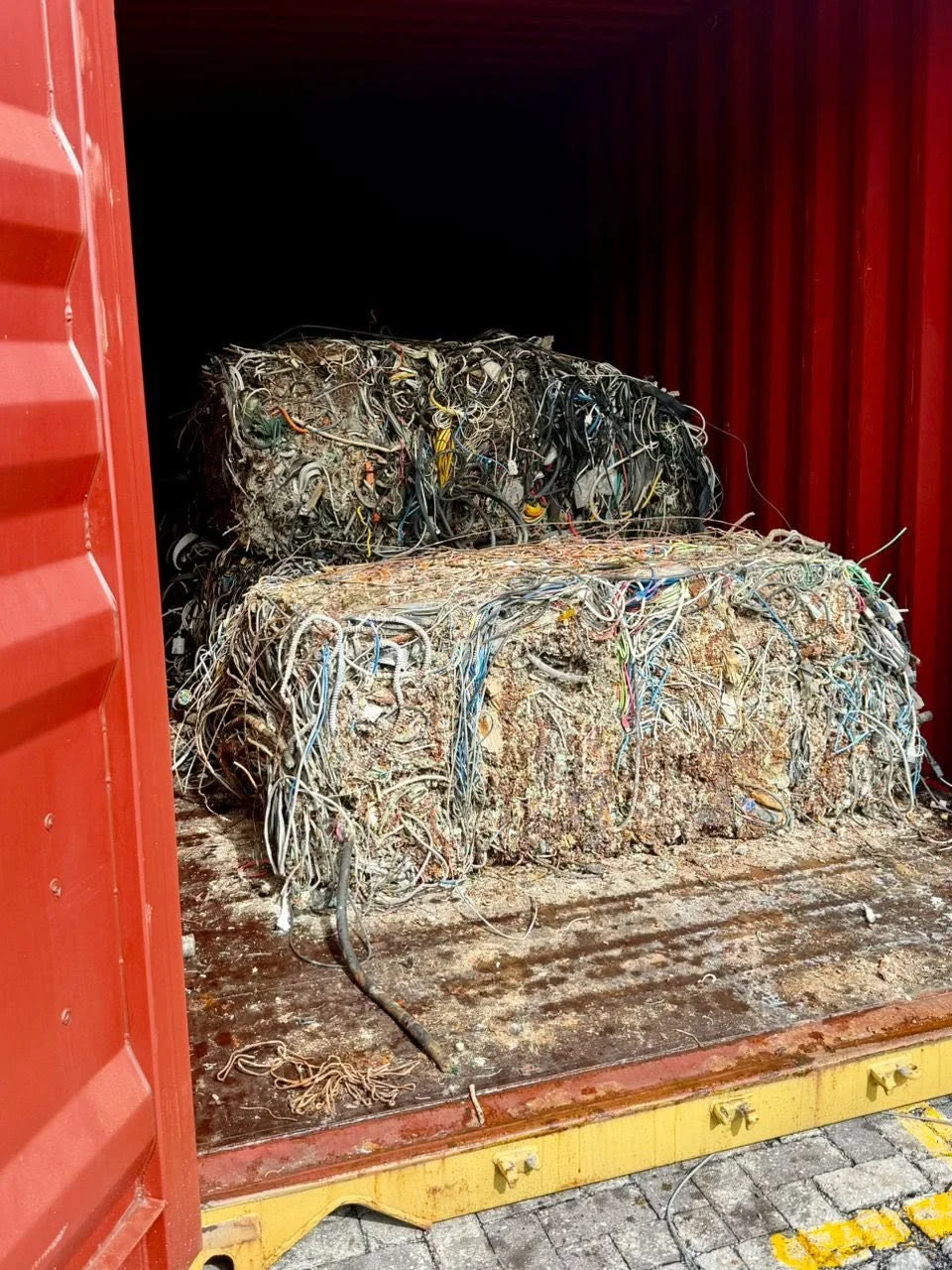
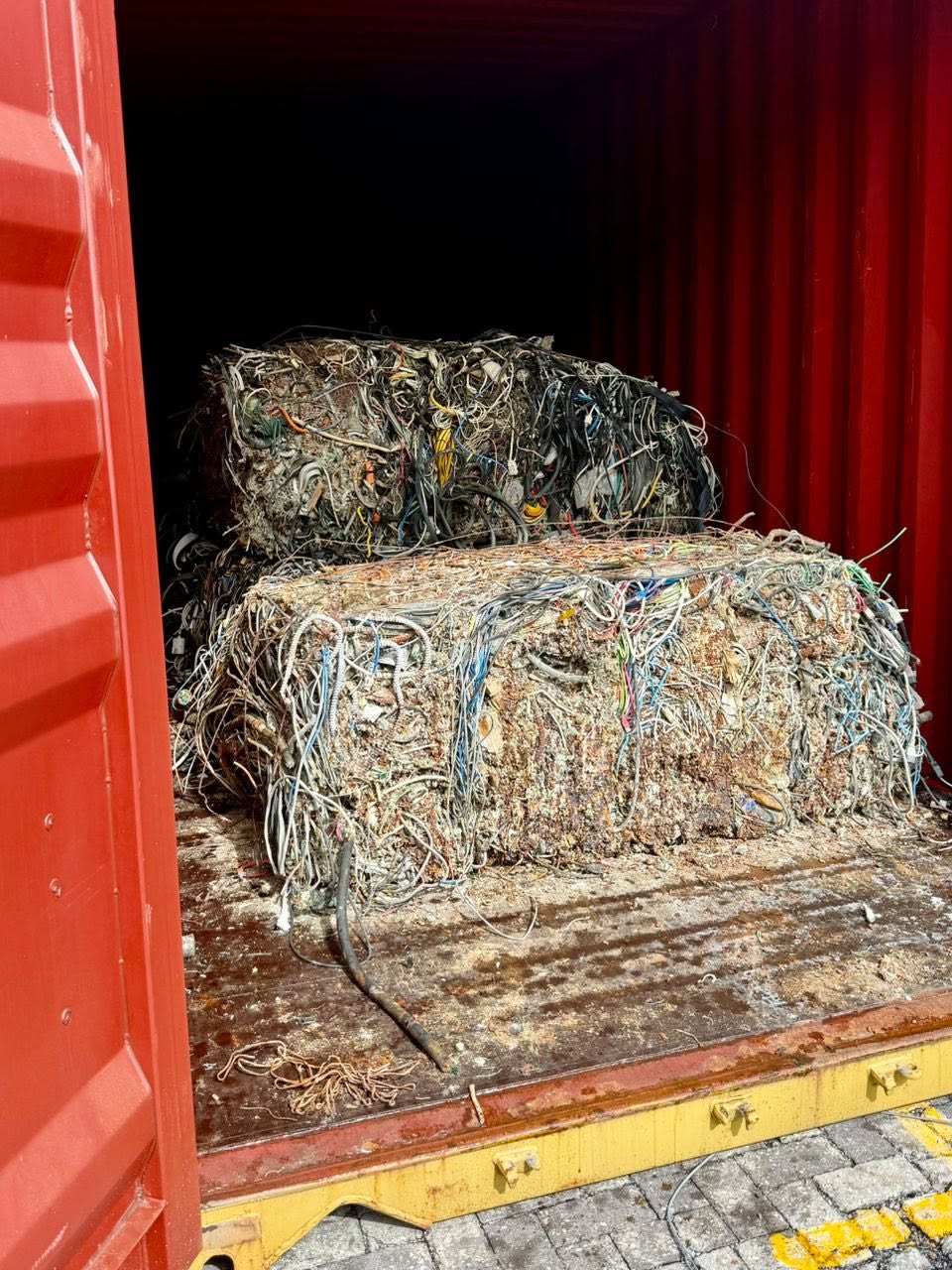
On the morning of July 7, 2026, a standard shipping container, officially declared as a shipment of tin ore, erupted into flames shortly after being offloaded at the bustling docks of Port Klang, Malaysia. The incident initially appeared to be a routine industrial accident, but as firefighters extinguished the blaze and investigators pried open the scorched steel doors, they discovered a cargo that was far more hazardous and illicit than industrial metal. Instead of tin ore, the container was packed to the ceiling with charred electrical and electronic waste—commonly known as e-waste—comprising discarded circuit boards, tangled wiring, and broken consumer gadgets.
This incident serves as a stark reminder of the persistent shadow economy that plagues Malaysia’s ports. For years, investigators and non-governmental organizations (NGOs) have warned that containers with falsified documentation are a primary vehicle for smuggling hazardous materials into the country. These shipments are destined for illegal recycling yards that operate on the fringes of the law, often hidden in rural or industrial outskirts. To evade detection by customs officials, smugglers frequently misdeclare their cargo, using labels like "tin ore," "aluminum scrap," or "plastic resins" to mask the presence of toxic e-waste.
The discovery at Port Klang occurred just months after a landmark policy shift in Malaysia’s environmental and trade regulations. On April 1, 2026, the Malaysian government enacted an absolute ban on e-waste imports under a revised Customs Order. While the ban was intended to shut the door on the world’s discarded electronics, the July 7 fire illustrates that the black market remains undeterred, forcing authorities into a high-stakes game of "whack-a-mole" against international syndicates.
The Enforcement Challenge: A Needle in a Haystack
The primary obstacle to enforcing the absolute ban is the sheer scale of global trade passing through Malaysia’s maritime gateways. Port Klang, one of the busiest transshipment hubs in Southeast Asia, processed approximately 6.4 million twenty-foot-equivalent units (TEUs) of cargo between January and May 2026 alone. This equates to roughly 3.2 million standard 40-foot shipping containers moving through the port in just five months.

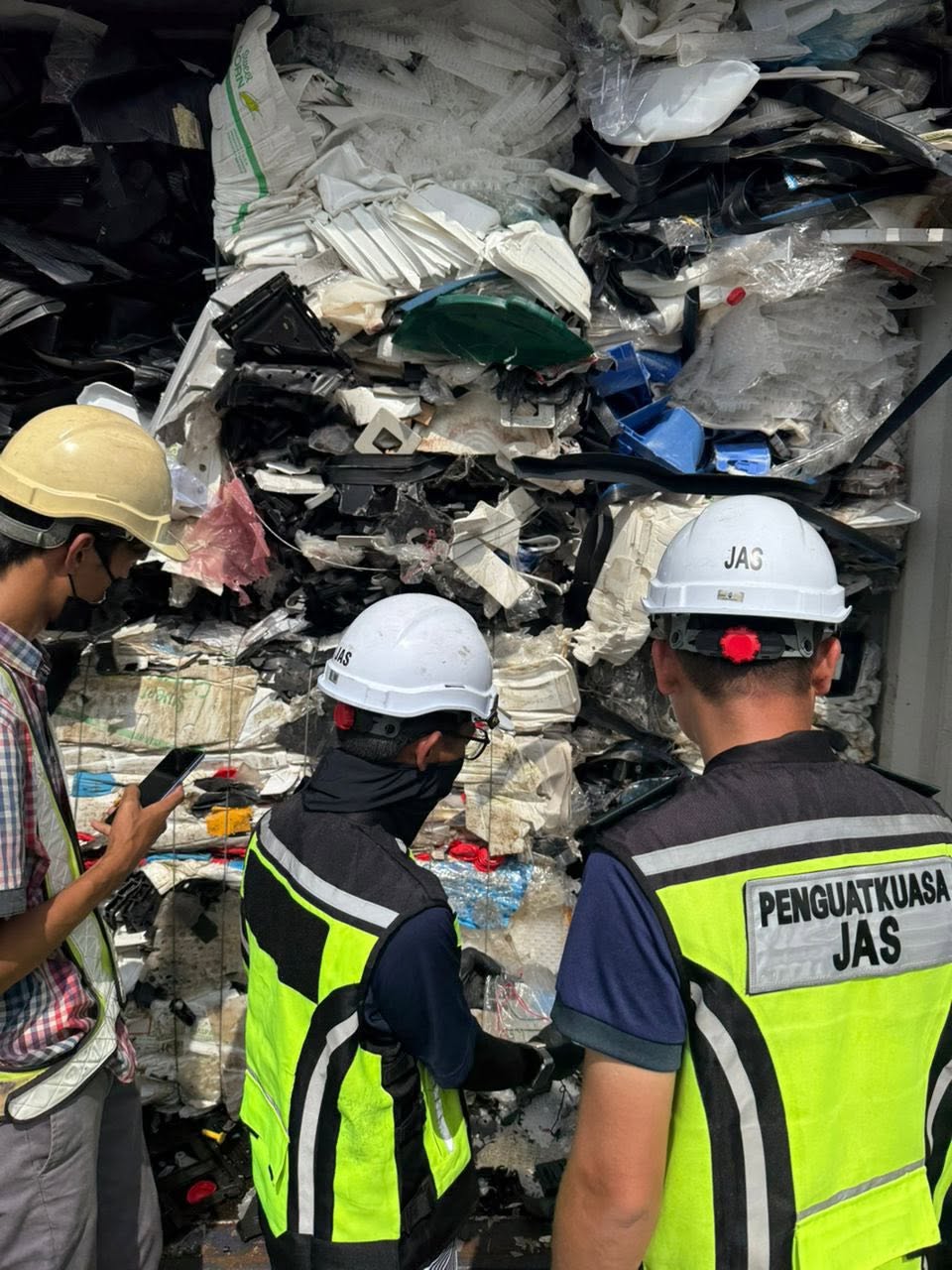
Nik Ezanee Mohd Faisal, the chief of the Malaysian Border Control and Protection Agency (AKPS), has been vocal about the logistical nightmare facing his officers. In statements to the press, he noted that the volume of daily traffic makes manual inspections of every container impossible. Detection currently relies on intelligence-led operations, risk profiling, and the use of advanced scanning technology, yet the July fire proves that some shipments still slip through the cracks.
In response to the growing threat, a specialized e-waste joint task force, titled Op Green Shield, was established to intensify port surveillance. Since its inception in early 2026, the task force has inspected 685 suspicious containers. According to an AKPS spokesperson, these inspections have led to the seizure and repatriation of 143 containers containing 3,370 short tons (3,057 metric tons) of illegal e-waste. As of July 8, 2026, an additional 531 containers—including a backlog from previous enforcement actions—were scheduled for a phased repatriation process back to their countries of origin.
The Global E-Waste Crisis and the "National Sword" Legacy
The influx of e-waste into Southeast Asia is a direct consequence of shifting global waste management trends. In 2022, the world generated a record 68.3 million short tons (62 million metric tons) of e-waste, driven by the rapid obsolescence of consumer technology. According to the Global E-waste Monitor, less than 25% of this waste was documented as being properly recycled. The remainder often enters an opaque global trade network where it is exported from wealthy nations to developing economies with lower labor costs and less stringent environmental oversight.
The geopolitical landscape of waste trade changed dramatically in 2018 when China implemented its "National Sword" policy, which banned the import of most plastic and electronic waste. For decades, China had been the world’s primary dumping ground, processing nearly half of the planet’s discarded materials. When China shut its doors, the global waste market fractured. International brokers, seeking new destinations, redirected their shipments to Southeast Asian nations like Malaysia, Vietnam, and Thailand.
Malaysia, in particular, became a favored destination due to its established shipping infrastructure and a pre-existing network of recycling facilities. However, as the environmental toll became apparent, the Malaysian government moved from a regulated import model to the current absolute ban to prevent the country from becoming a permanent "global scrapyard."
Smuggling Tactics and the Role of the United States
As Malaysia tightens its borders, smuggling syndicates are becoming increasingly sophisticated. Jim Puckett, the executive director of the Basel Action Network (BAN), an NGO that tracks the movement of hazardous waste, points to the United States as a major source of the problem. Unlike most nations, the U.S. is not a party to the Basel Convention, an international treaty designed to regulate the transboundary movement of hazardous waste.
"The U.S. is, shamefully, under no obligation to do anything about the e-waste trafficking from its ports to Malaysia," Puckett stated. This legal loophole places the burden of enforcement entirely on the receiving nation. Investigations by BAN suggest that U.S. brokers export approximately 1,949 containers of e-waste every month.
To bypass Malaysian customs, these brokers have begun "laundering" their shipping routes. Instead of shipping directly from California or New Jersey to Port Klang, containers are often routed through intermediary hubs such as South Korea or Singapore. By the time the cargo reaches Malaysia, its original point of origin is obscured, making it harder for AKPS officials to flag the shipments for inspection.
Economic Impacts: Bolstering the Domestic Recycling Ecosystem
While the ban is an environmental necessity, it is also reshaping Malaysia’s domestic recycling industry. Mohamed Tarek El-Fatatry, founder of the local e-waste collection platform ERTH (Electronic Recycling Through Heroes), argues that the ban provides much-needed "breathing room" for legitimate local businesses.
Prior to the ban, local recyclers were often crowded out by illegal operators who preferred imported e-waste. Imported waste is frequently "pre-sorted" by syndicates abroad, meaning containers often arrive packed with high-value components like computer motherboards. These components contain significant amounts of gold, silver, and copper, which can be extracted with minimal effort, yielding millions of ringgit in profit per container.
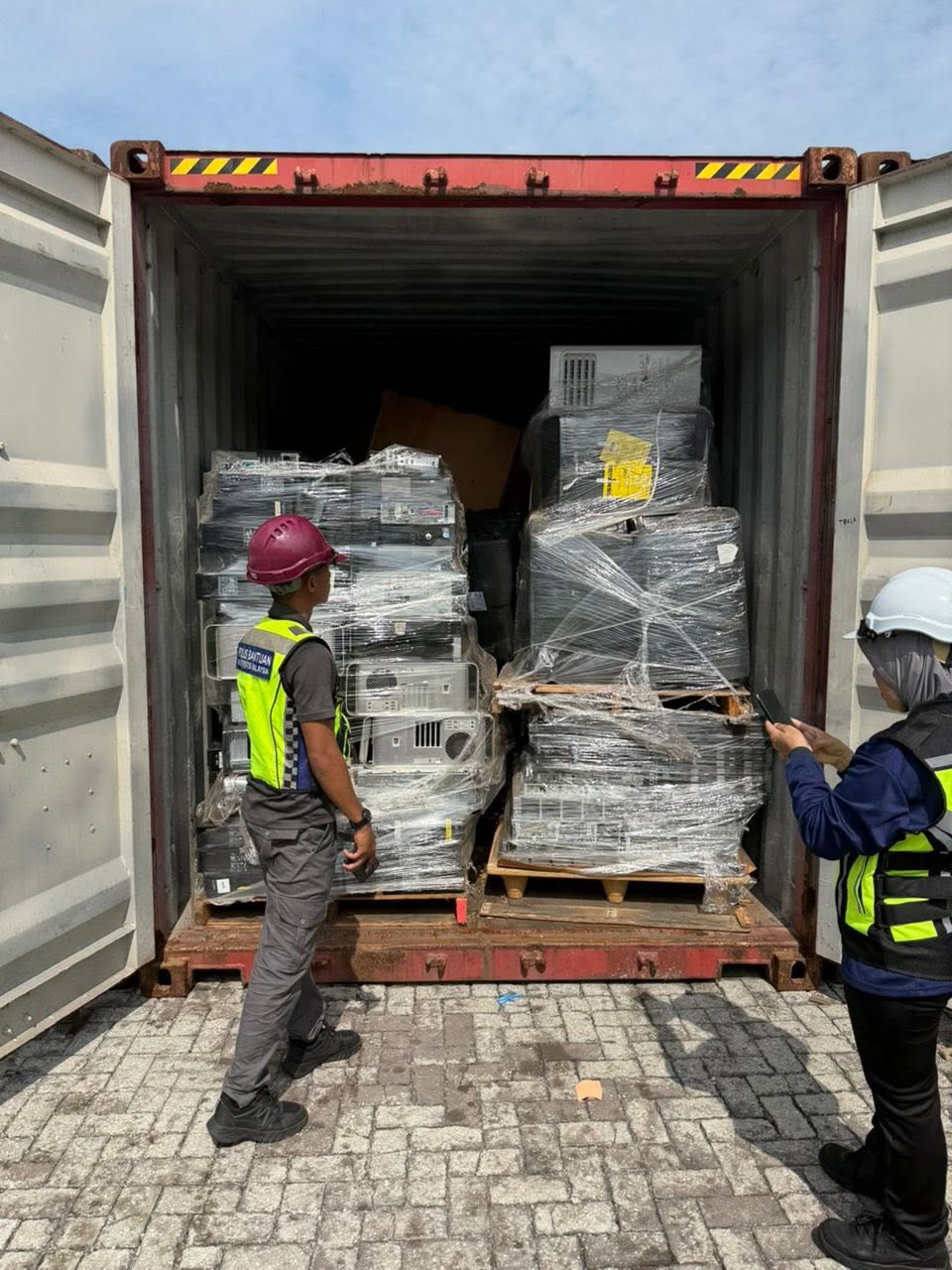
In contrast, domestic e-waste collection is more labor-intensive. "You don’t just get the motherboard; you get the whole computer," El-Fatatry explained. Processing domestic waste requires dismantling entire units and managing lower-value materials like plastic casings and glass, which offer lower profit margins. By banning imports, the government is forcing the industry to invest in the infrastructure needed to handle Malaysia’s own growing mountain of electronic waste, rather than "cherry-picking" the most profitable scraps from overseas.
The Human and Environmental Cost of Illegal Processing
The danger of illegal e-waste extends far beyond the ports. Once smuggled into the country, these materials end up in unlicensed scrapyards where they are processed using primitive and hazardous methods. Because these operators lack the legal permits to use municipal landfills, they must find ways to dispose of the "leftover" materials once precious metals have been extracted.
Common disposal methods include open-air incineration or crushing plastic residues into the soil. These practices release a cocktail of toxins into the environment. Older electronics are often treated with brominated flame retardants and contain heavy metals such as lead, mercury, and cadmium. When burned, these chemicals enter the atmosphere as toxic smoke.
Residents in areas like Telok Panglima Garang, located near Port Klang, have long complained about the acrid stench of burning plastic that settles over their homes at night. Tan Yu Jinh, a local resident, described a "biting stench" that makes breathing difficult. "I’m worried for my own health and my aging parents," Tan said. "It doesn’t smell like regular burning; it smells like chemicals."
Scientific studies, including research published in Environment International, confirm that illegal e-waste burning poses severe health risks, including respiratory diseases, neurological damage, and increased cancer risks due to prolonged exposure to airborne heavy metals.
Analysis of Future Implications
The July 7 fire at Port Klang serves as a catalyst for further reform. While the absolute ban is a strong legislative step, the incident underscores that policy alone is insufficient without robust, technology-driven enforcement.
Moving forward, Malaysia is likely to seek greater international cooperation, particularly with neighboring transshipment hubs, to share intelligence on shipping manifests. There is also a growing call for "producer responsibility" laws, which would require electronics manufacturers to fund and manage the end-of-life disposal of their products within Malaysia, further reducing the incentive for illegal imports.
The battle against e-waste smuggling is not merely an environmental struggle; it is a fight for national sovereignty over public health and land use. As Malaysia continues to repatriate hundreds of containers, the message to global brokers is clear: the cost of using the country as a dumping ground is rising. However, until global powers like the United States align with international waste treaties, Malaysia will remain on the front lines of a relentless and toxic trade war.