For three generations, Giorgia Caruso envisioned a future where her daughters would inherit the family farm nestled in the fertile mountain plateaus south of Palermo. This land, situated in the historic town of Piana degli Albanesi, was meant to be more than a livelihood producing organic meat and dairy. It was to be a continuation of a profound cultural lineage established 500 years ago by Albanian refugees fleeing the Ottoman conquest. Today, however, Caruso’s aspirations have shifted from agricultural succession to securing a safe exit strategy for her children.

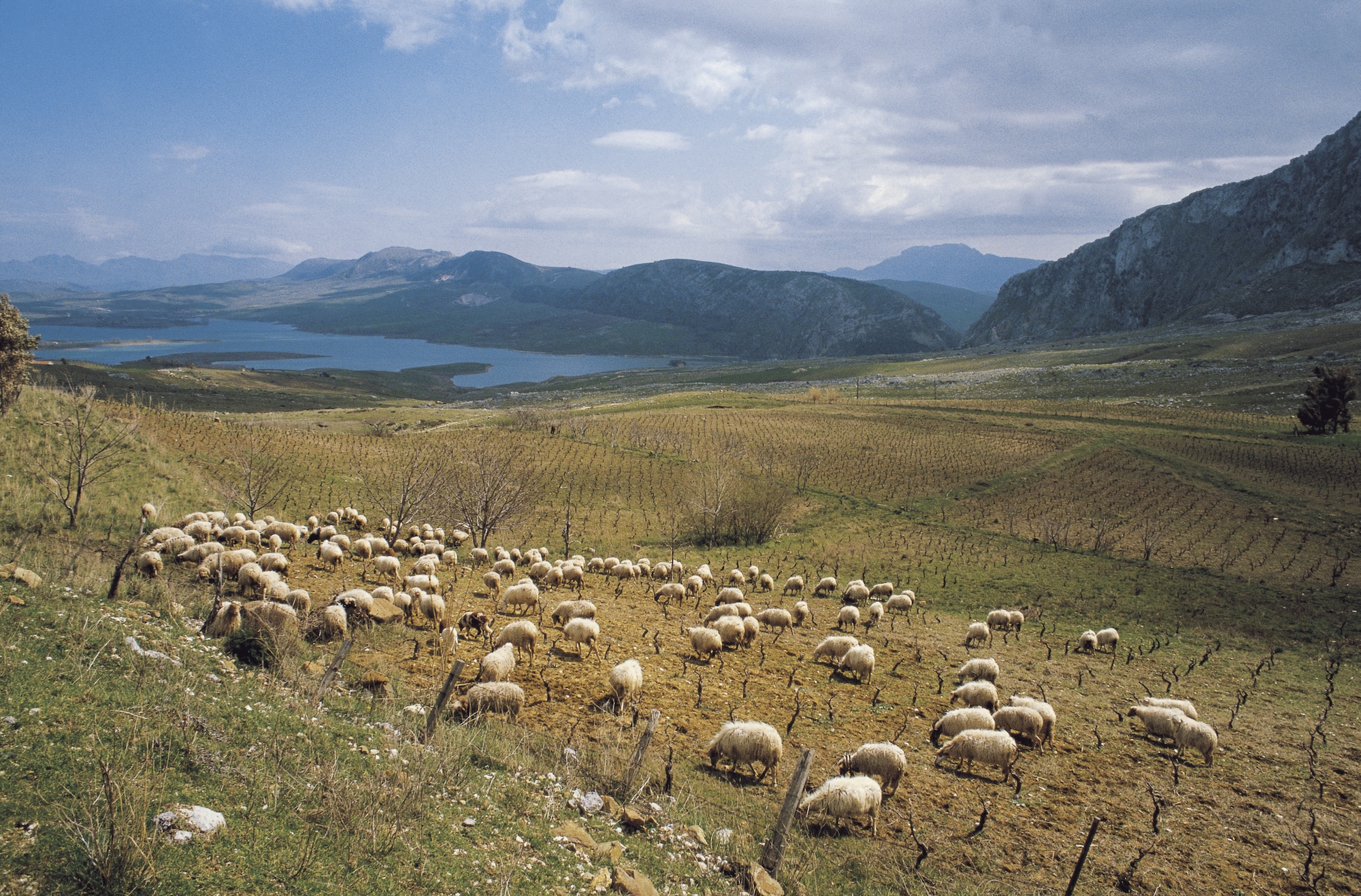
Piana degli Albanesi stands as the cultural and social heartbeat of the Arbëreshë—Italy’s historic Albanian ethnic minority. Perched on a mountainous plateau about 40 miles south of Palermo, the town has long functioned as a primary agricultural engine for Sicily, supplying vital wheat, meat, and dairy. Yet, an escalating convergence of extreme climate impacts, historic drought, and institutional neglect is rapidly dismantling this ancient community. As ecological pressures render traditional farming increasingly untenable, an accelerating exodus threatens to wipe out not only a localized economy, but a unique linguistic and cultural heritage that has endured half a millennium.
A Community Forged by History and Agriculture
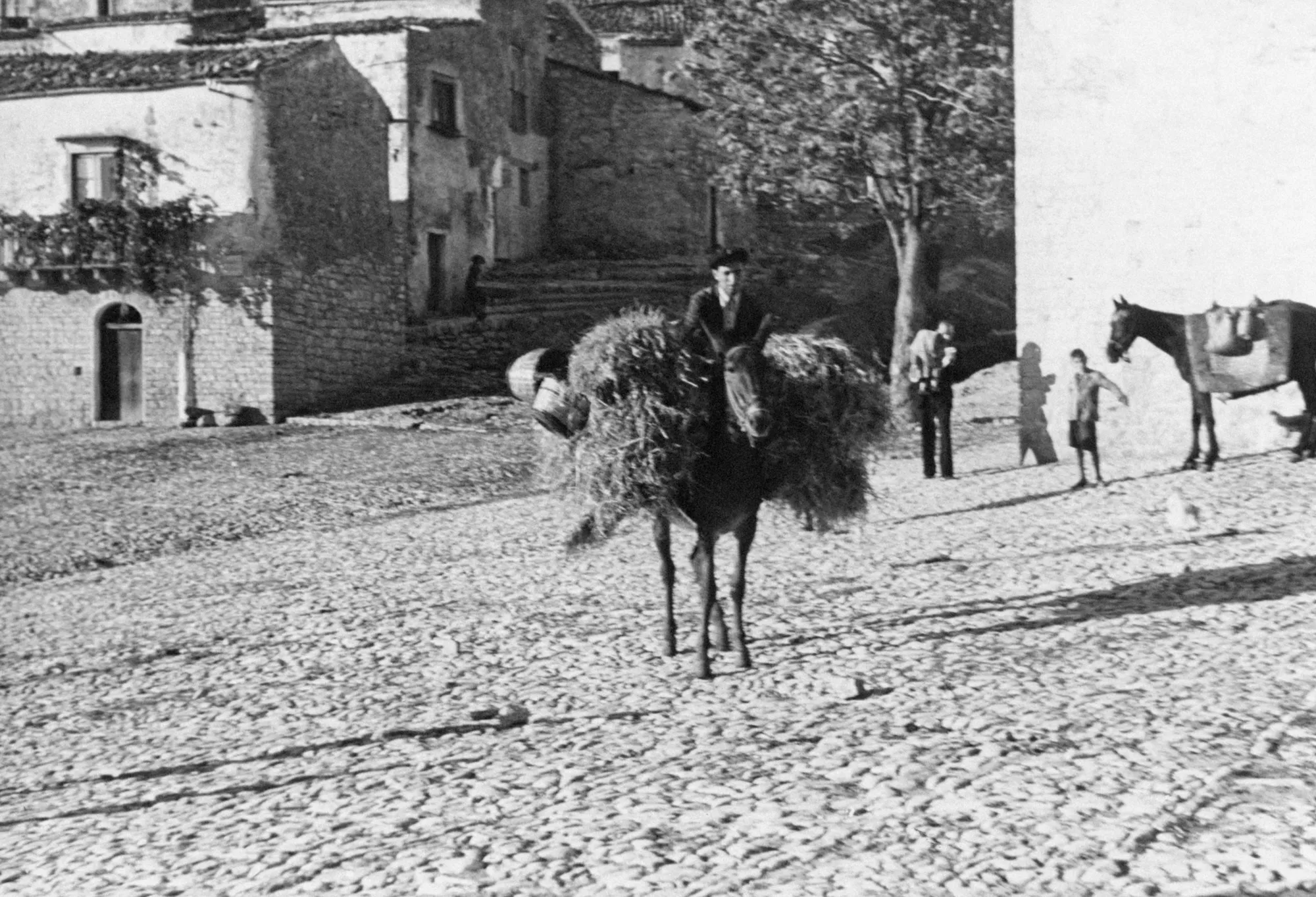
The roots of Piana degli Albanesi trace back to the late 15th century when Albanian refugees crossed the Adriatic Sea, seeking refuge from the southward expansion of the Ottoman Empire. Welcomed into Sicily, these settlers integrated by embedding themselves in the island’s agrarian fabric. They cultivated resilient ancient grains, tended livestock on rugged hillslopes, and mastered the production of sheep’s milk ricotta—an ingredient widely credited as foundational to the creation of the globally renowned Sicilian cannolo.
For centuries, this deep connection to the land defined the Arbëreshë identity, sustaining them through historic trials, including intense political strife and crushing rural poverty. This resilience was tested bloodily on May 1, 1947, when armed bandits killed 11 farmers and injured 30 others during a labor celebration near the mountain pass of Portella della Ginestra. The massacre cemented an almost spiritual bond between the Arbëreshë and the soil they tilled—a bond that is now being severed not by human violence, but by ecological collapse.
Escalating Environmental Pressures and the Microclimate Crisis
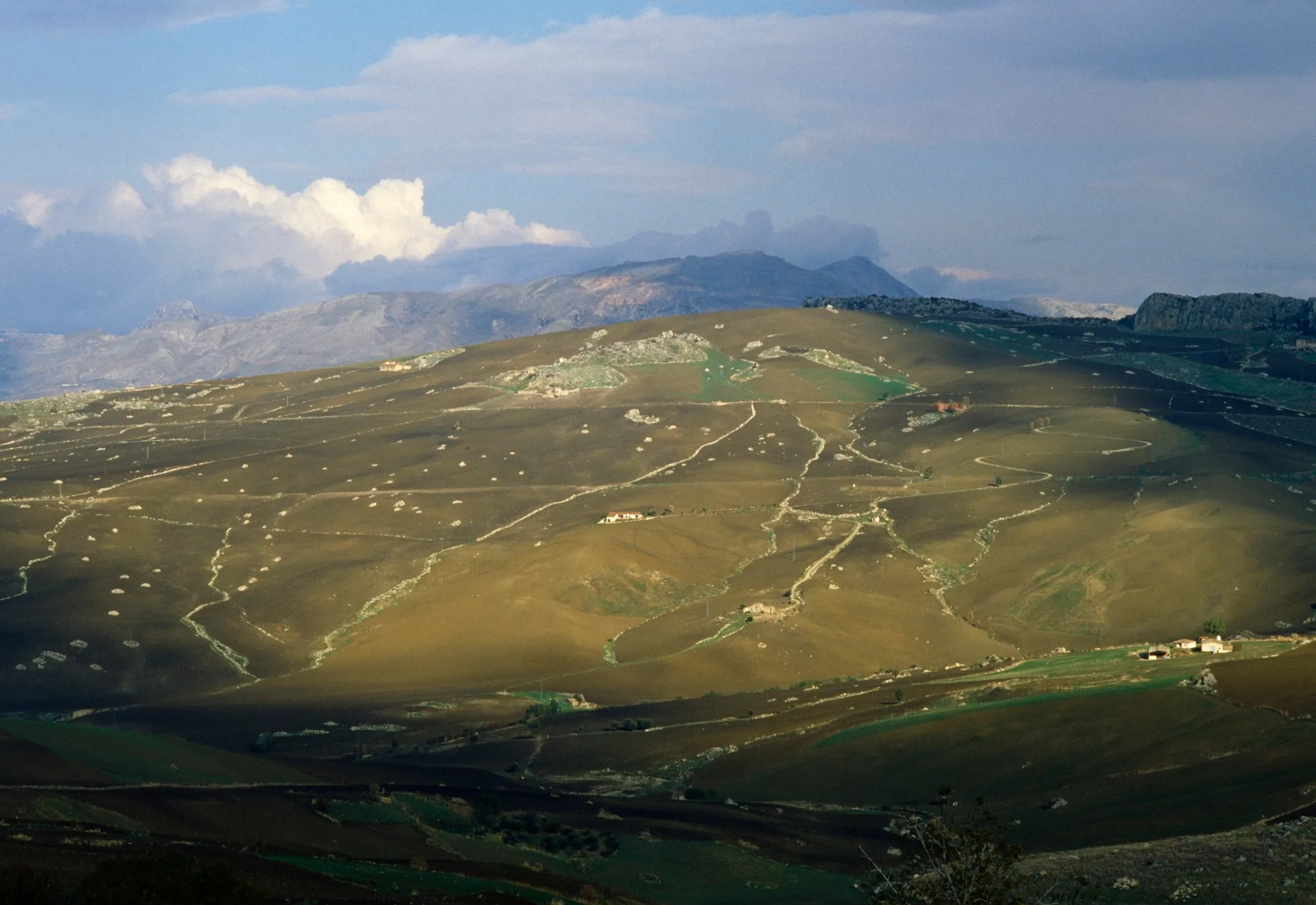
Piana degli Albanesi experiences a volatile microclimate within the Mediterranean basin, a region currently warming 20 percent faster than the global average. Over the past decade, summertime temperatures in the area have persistently averaged 85 degrees Fahrenheit, accompanied by severe precipitation deficits.
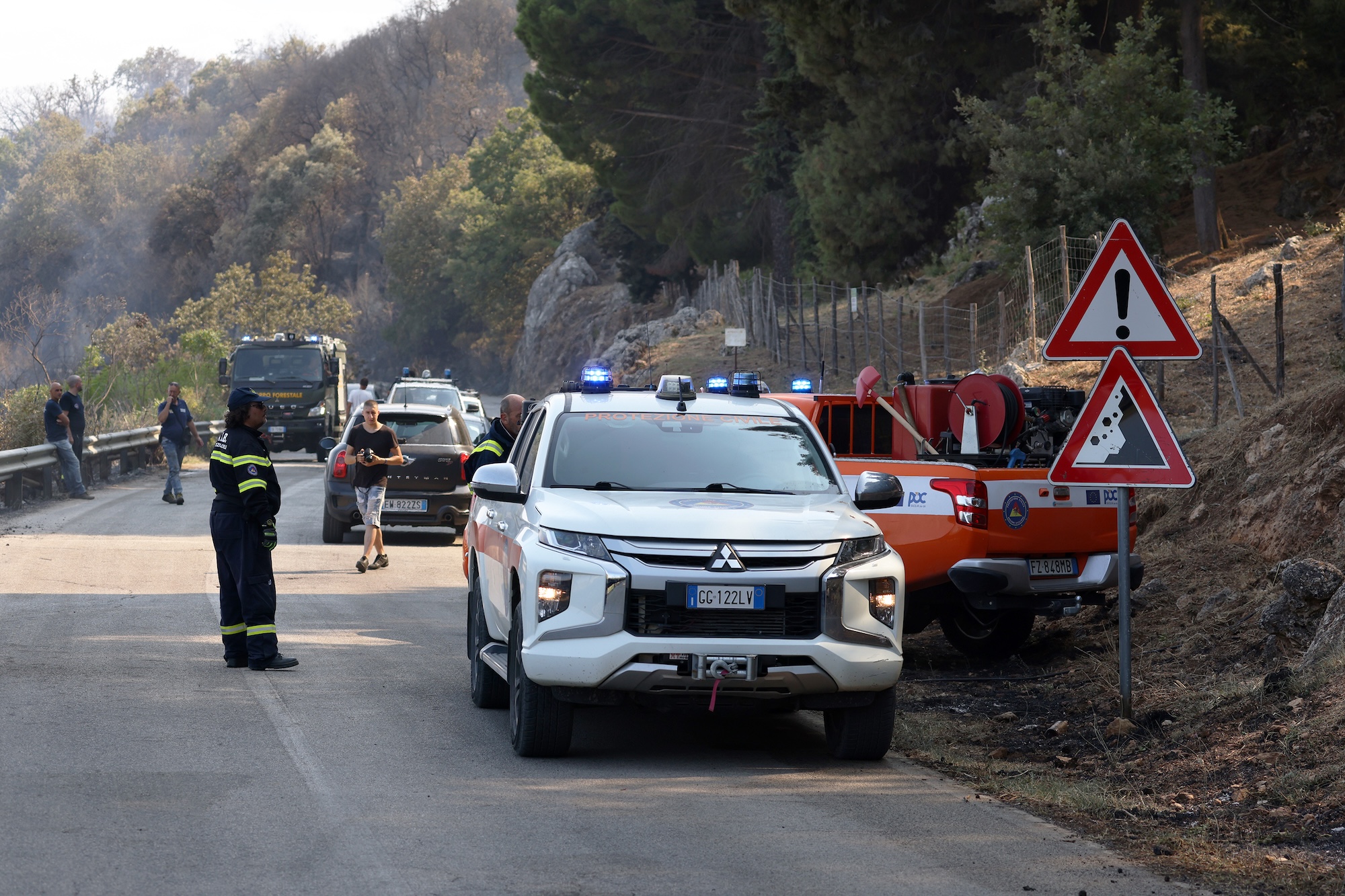
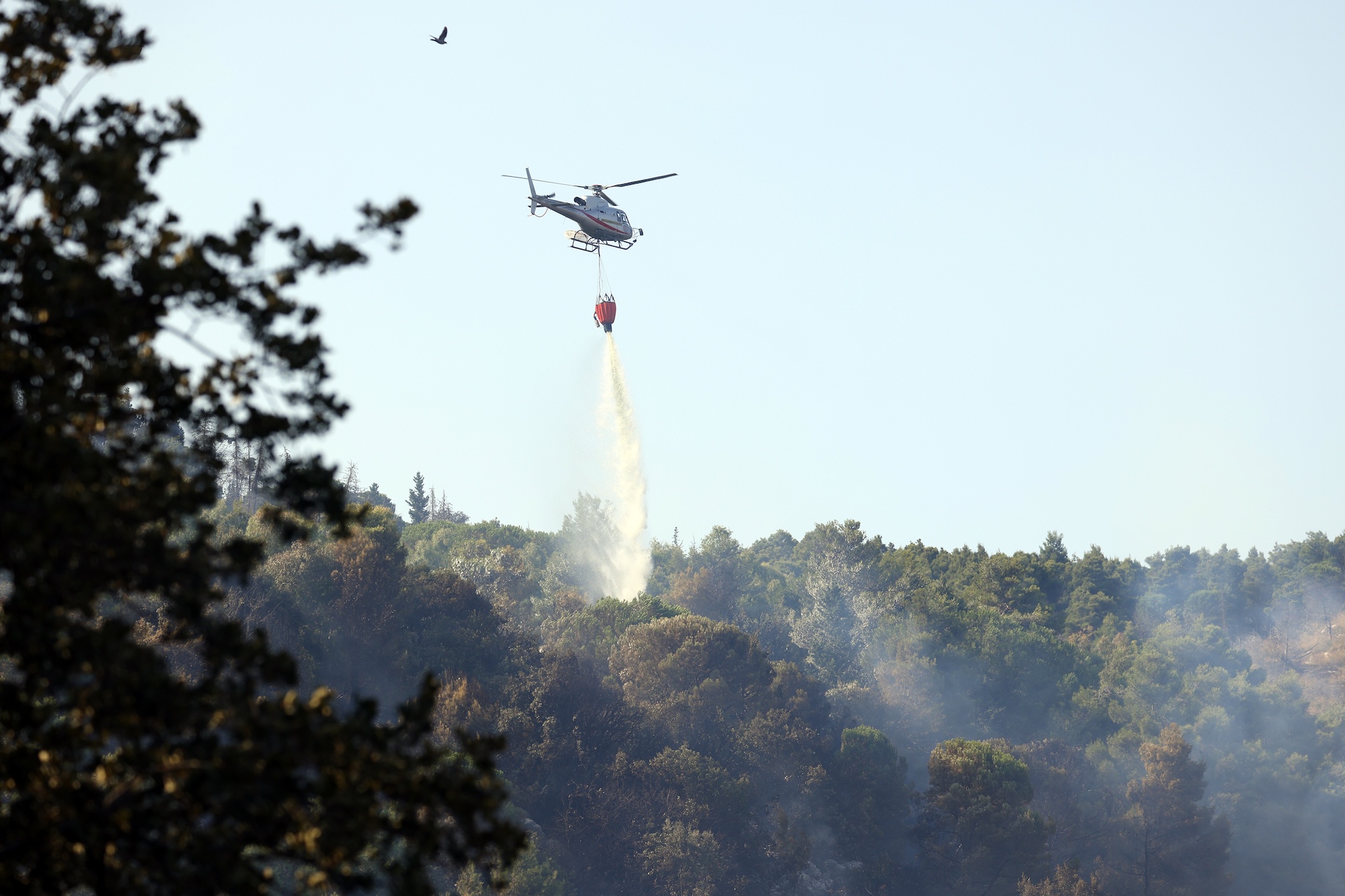
The crisis reached a harrowing threshold in late July of three years ago, when wall-like flames as high as a three-story building swept through the valley, devouring the Caruso family’s fields, killing nearly two dozen sheep, and threatening their home. This disaster was part of a broader Sicilian catastrophe: in 2023 alone, wildfires scorched an unprecedented 142,150 acres across the island, while extreme heat inflicted more than 200 million euros in damages to agricultural infrastructure.
Sicily now accounts for nearly half of all wildfires in Italy. Blazes have struck in or immediately around Piana in four of the last six years, displacing over 100 residents in 2021 and severely damaging residential properties during recent summer surges. Compounding the fire threat is an unprecedented, multi-year drought. In 2024, the nearby lake of Piana—once Sicily’s largest reservoir—shrank to near-empty levels, prompting the national government to declare a state of emergency. When dry, scorching scirocco winds blow north from the African continent, temperatures frequently exceed 100 degrees Fahrenheit, culminating in a historic European record of 119.8 degrees Fahrenheit recorded nearby on August 11, 2021.
Demographic Freefall and the Threat of Cultural Erasure
The rapid destabilization of the agricultural sector has triggered a sharp demographic decline. Piana’s population has plummeted from 6,293 residents in 2015 to 5,245 in 2024—a staggering 17 percent reduction that outpaces the broader rural depopulation rate across Sicily by nearly three times. Local officials emphasize that the true population loss is likely higher, as many expatriates maintain official residency while living elsewhere.
Local leaders and ecologists warn that this depopulation represents an existential threat to the Arbëreshë culture. Giovanni Scalora, a fourth-generation Arbëreshë farmer, notes that empty lands and frequent fires leave younger generations with zero economic incentive to stay. "If our lands burn, there are no jobs for us, no more homes," Scalora said. "It’s a pity because if we disappear, a part of Sicily’s, Albania’s, and Europe’s cultural history disappears."
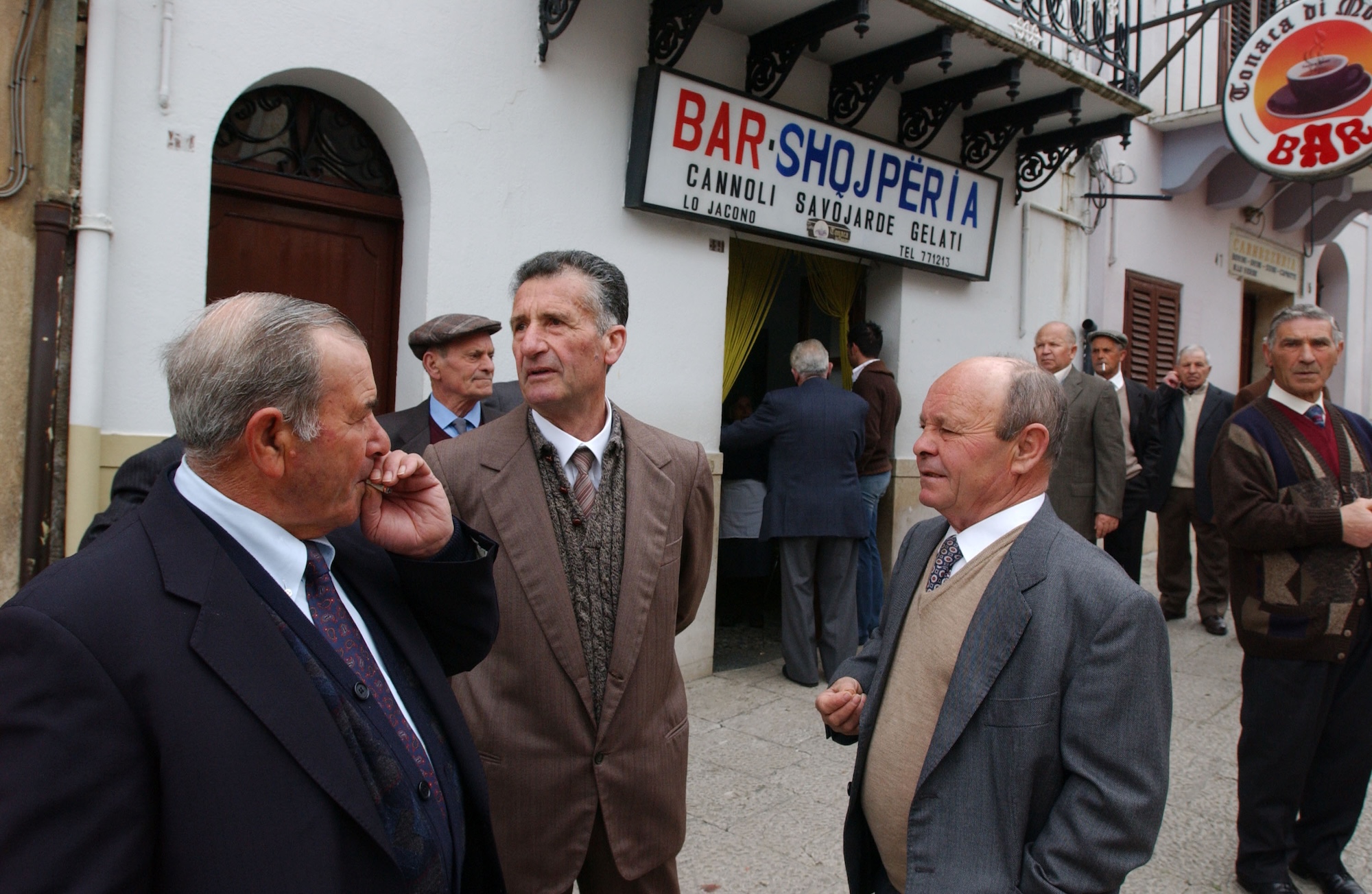
Christian Mulder, an ecologist and professor at the University of Catania, asserts that the situation in Piana may represent the vanguard of climate migration leading to the functional extinction of an indigenous European ethnic minority. "Extreme droughts as well as sudden, temporary extreme rainfall are severely damaging agricultural fields," Mulder stated. "Climate change is aggravating the emptying of inner rural areas of the island and forcing emigration."
Adaptation Strategies and Institutional Deadlocks
Local authorities are scrambling to implement mitigation measures, though they face severe resource constraints. Rosario Petta, who has served as mayor of Piana degli Albanesi since 2022, has prioritized reversing the demographic collapse. "One thousand people who leave is an extra 1,000 people who will no longer speak Arbëresh, which can put at risk language and identity preservation," Petta warned.
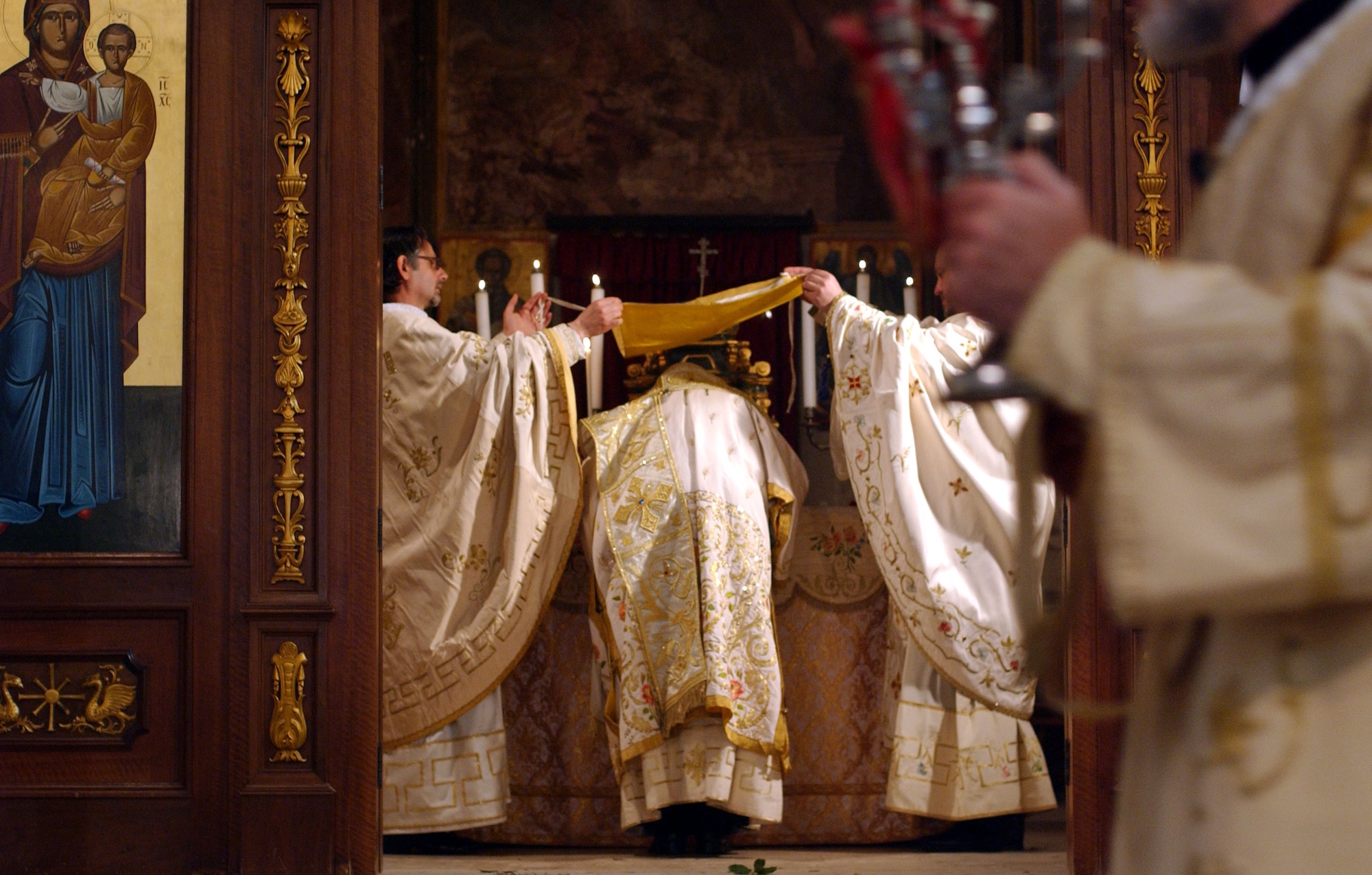
To combat the threat of fires frequently originating on abandoned agricultural plots, Petta’s administration has intensified cooperation with local Civil Protection volunteers. Simultaneously, the town is attempting an economic pivot toward international tourism. Leveraging its rich traditions—such as the elaborate Easter Week celebrations and the annual May cannolo festival—Piana has seen an uptick in visitors from the Balkans and the global diaspora. Petta is actively lobbying for direct flight routes between Palermo and Tirana to bolster these ties.
However, individual adaptation efforts carry compromises. Unable to find sheep breeds capable of surviving the intensifying heat and drought, farmers like Scalora are transitioning toward cattle breeding. Consequently, the traditional sheep’s milk ricotta that defines Piana’s culinary heritage may soon be permanently replaced by cow’s milk alternatives. "Our cheese will not be the same," Scalora conceded, "but one can leave, or adapt to survive."
Broader structural support remains a point of contention. Salvatore Cona, head of Sicily’s Civil Protection Unit, argues that municipalities like Piana are largely left to fend for themselves because national resources are insufficiently distributed to local levels. While Rome allocated emergency relief funds—including an initial 20 million euros during the 2024 water crisis—and the Sicilian regional government committed 100 million euros to combat drought, local leaders maintain that funding remains inadequate for long-term climate resilience. The European Environment Agency emphasizes that linguistic minorities in rural regions face disproportionate climate risks, demanding tailored institutional frameworks that critics argue have not materialized for the Arbëreshë.
The Global Diaspora and the Price of Safety
For many families, adaptation is no longer viewed as a viable path. A steady stream of young Arbëreshë continue to emigrate, echoing historical migration patterns that date back to the late 19th and early 20th centuries, when many Sicilians—including Arbëreshë settlers drawn by similar climates—relocated to California.
Anthony Plescia, president of the Arbëreshë of Sacramento association, represents a century-old lineage of families who left Piana for the American West. While California faces its own severe wildfire challenges, Plescia notes that the structural pressures and rapid abandonment seen in Piana are absent. "We have survived wars, displacement, and poverty over the course of 500 years," reflected Anna Liscari, a former resident who relocated permanently to Newport Beach, California. "It’s crazy to think that climate and the inability to manage its effects is what might wipe us out."
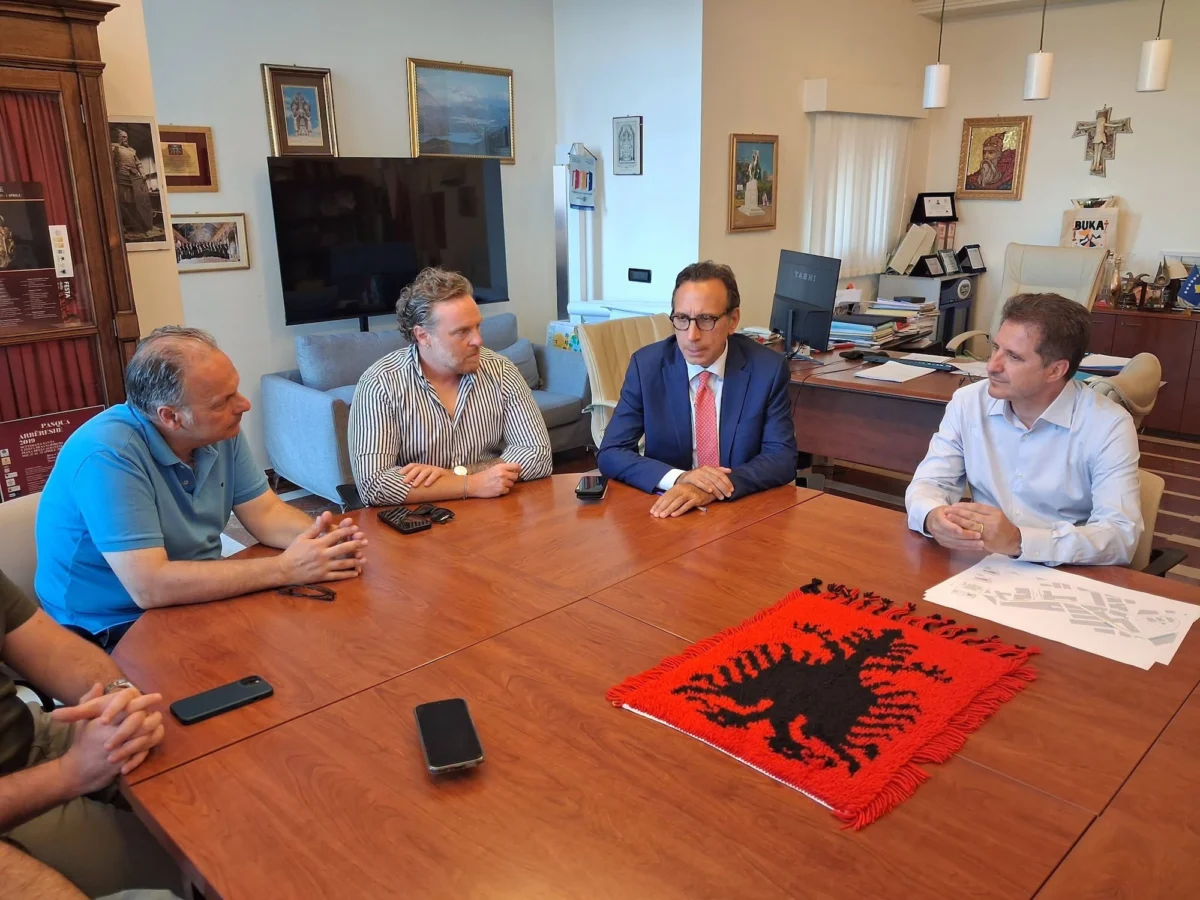
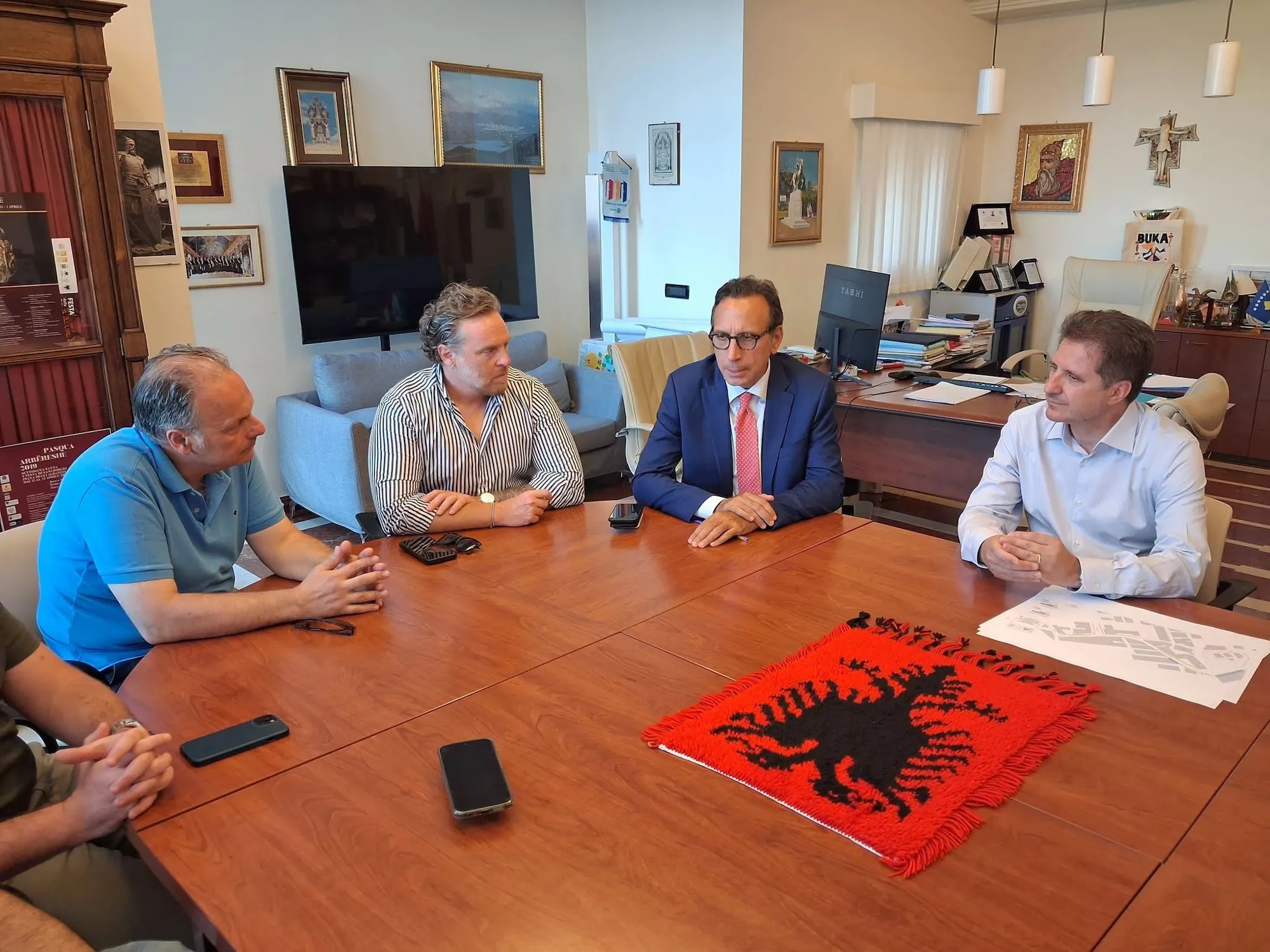
Despite the geographic distance, modern diaspora networks are attempting to forge closer institutional bonds with their ancestral homeland. In October, Plescia traveled to Piana to meet with Mayor Petta, laying the groundwork for a formal confederation of U.S.-based Arbëreshë organizations.
Whether these transnational coalitions can offset the domestic loss of population remains uncertain. Back in Piana, as Giorgia Caruso tends to her dwindling livestock, she confronts the stark reality that her daughters’ future lies far away from the ancestral soil. "We adults don’t want to go away," Caruso said. "But the new generation, the one of my daughters, I’m sure will not grow up here. I’ve told them, ‘America awaits you.’ I want a better life than this for them."