The linear food chain taught in classrooms for generations—where garden crops feed rats, ermines hunt rats, and eagles prey upon ermines—offers a deceptively simple view of the natural world. In reality, ecosystems are dense, messy, and interconnected networks rather than straightforward hierarchies. Parasites such as ticks and intestinal worms target apex predators like eagles and ermines. Upon death, these creatures are consumed by scavengers and insects, while species like the brown rat occasionally engage in infanticide, effectively acting as predators of their own kind. Capturing this extraordinary complexity has historically required tedious field research, from hours spent observing bird nests to analyzing the physical remains in animal scat.
A Technological Shift in Ecological Research
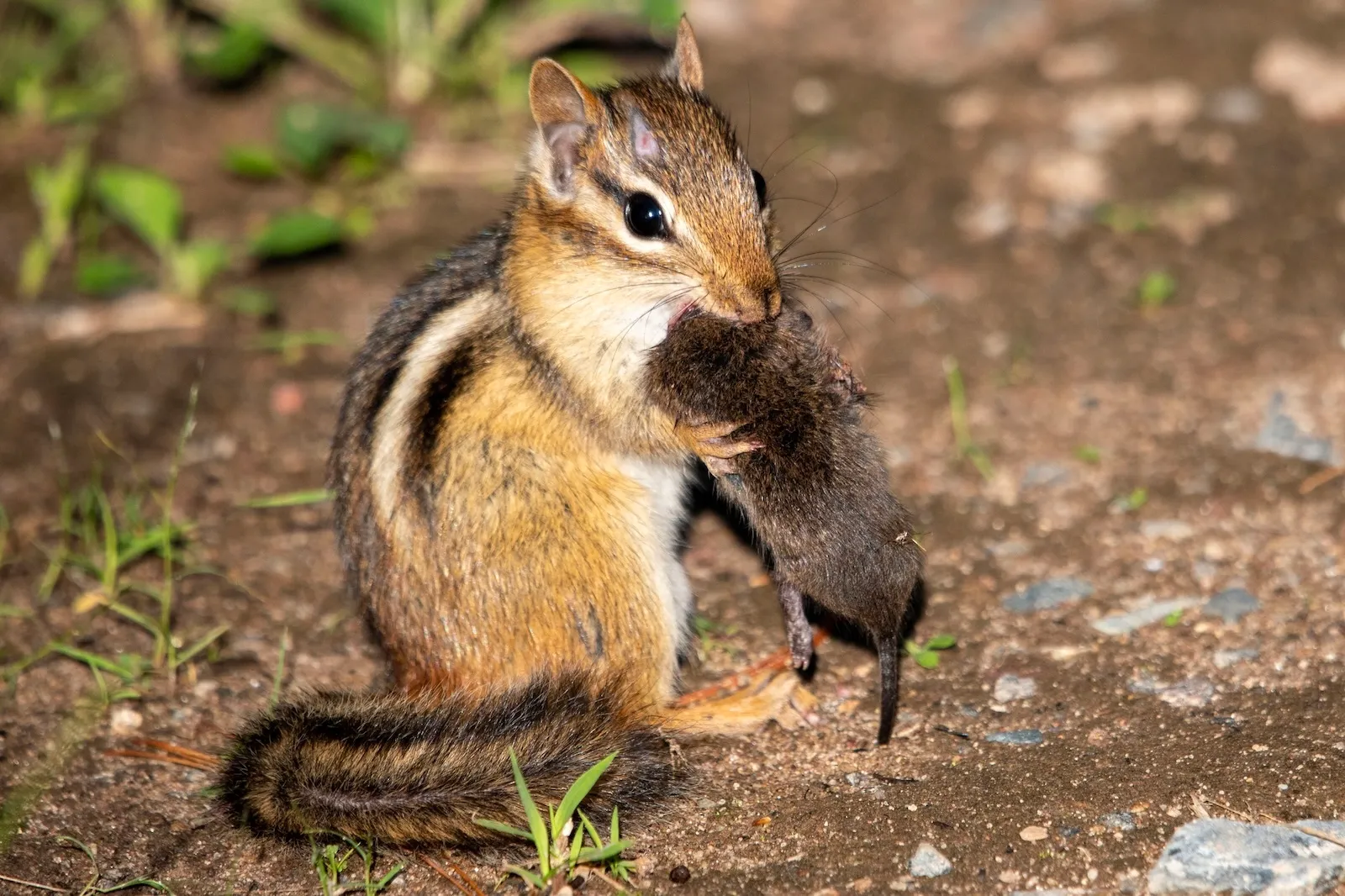
To address these methodological limitations, researchers have turned to digital crowdsourcing to map species interactions at an unprecedented scale. A prominent citizen science initiative known as Who Eats Whom has emerged as a powerful tool for ecologists, leveraging the nonprofit social network iNaturalist. By tapping into a global repository where users upload and geotag photographs of wildlife, the platform documents real-time predatory and symbiotic encounters. Users can search for specific species combinations—such as an American ermine capturing a brown rat in Ottawa, Canada, or a red-tailed hawk preying on small mammals across the United States.
The initiative bridges the gap between individual observation and massive data collection. Described in a study published in the journal PLOS Biology, Who Eats Whom has rapidly incorporated approximately 17,000 ecological interactions involving more than 5,700 species across over 100 countries.
The Chronology and Development of Crowdsourced Food Webs
The foundation for this digital database began with the expansion of platform-based biodiversity tracking through iNaturalist, which allowed millions of nature enthusiasts to contribute geotagged photographic evidence. Recognizing the untapped potential of this visual data, computer scientists and ecologists collaborated to systematically analyze feeding behaviors captured by the public.
Bradley Allf, an ecologist who developed the platform while at North Carolina State University and later moved to Colorado State University, emphasized the logistical limitations of traditional fieldwork. Tracking predators to witness a rare kill or waiting to collect fecal samples restricts researchers to localized, time-consuming observations. By contrast, crowdsourcing aggregates thousands of localized snapshots into a unified database.
Aditi Mallavarapu, a computer scientist at North Carolina State University and co-author of the PLOS Biology study, noted that the platform’s value lies not only in recording visible interactions but also in highlighting shifting ecological baselines. By compiling data spanning several years, researchers can analyze historical feeding shifts and identify noticeable absences in expected predator-prey dynamics as environments change.
Mapping the Intricacies of Modern Ecosystems
Beyond static photographs, Who Eats Whom features an interactive food web visualization tool. When users search for a specific animal, such as the red-tailed hawk, the interface displays a branching network of arrows indicating energy transfer and consumption. Closer inspection reveals multi-tiered relationships, such as the American robin consuming common buckthorn and yaupon holly before falling prey to a raptor.
Pollinator networks are similarly illuminated. Searching for the Western honey bee reveals its role as a pollinator for honeysuckles, thistles, and buttercups, while also documenting instances of predation, such as a bee captured by a goldenrod crab spider. The platform has also captured rare anomalies, including New World vultures feeding on diverse carcasses, and an instance in San Luis Obispo County, California, where a vulture was documented feeding on a stillborn baby white shark.
Expert Perspectives and the Challenge of Ephemeral Data
Experts in zoology and biodiversity note that acquiring comprehensive interaction data has always been a primary bottleneck in ecological conservation. Peter Roopnarine, curator of invertebrate zoology and geology at the California Academy of Sciences, who was not involved in the research, highlighted the ephemeral nature of many wildlife interactions. Many predation events occur infrequently or in remote locations, making them difficult for professional research teams to capture systematically.
The integration of smartphone-wielding citizens into ecological monitoring creates a distributed network of observers capable of documenting rare events. Rebecca Johnson, director of the Center for Biodiversity and Community Science at the California Academy of Sciences, pointed out that the platform redefines how participants view their own nature observations, turning casual photography into actionable scientific data.
Implications for Climate Change and Conservation Strategies
As global temperatures rise, ecosystems are undergoing rapid transformations. Species are shifting their geographic ranges toward the poles, altering established food webs and introducing novel competitive pressures. Platforms like Who Eats Whom provide an early-warning system, allowing researchers and local observers to document the arrival of new species and their impacts on local fauna.
Furthermore, invasive species—such as the lionfish disrupting marine habitats or terrestrial invaders threatening native populations—complicate modern conservation efforts. Roopnarine noted that understanding the dietary preferences of invasive species is critical for identifying vulnerable native populations before irreversible damage occurs.
Ultimately, conservation biologists argue that protecting biodiversity requires moving beyond traditional habitat preservation. Ensuring the long-term survival of wildlife involves maintaining the intricate web of relationships that sustain carnivores, herbivores, and omnivores alike. As Bradley Allf observed, species require more than mere physical space; they depend on the ecological relationships that enable them to survive in a rapidly changing world.