The traditional landscape of international philanthropy is undergoing a fundamental transformation as a new wave of organizations challenges the long-standing status quo of rigid, metric-heavy grantmaking. At the forefront of this shift is the Home Planet Fund, an independent, Indigenous-led nonprofit that has spent the last five years re-engineering how conservation capital reaches the front lines of environmental protection. Founded by Dilafruz Khonikboyeva, the organization operates on a philosophy that prioritizes local autonomy, intergenerational knowledge, and unrestricted funding over the conventional, bureaucratic structures that have historically dominated the philanthropic sector.
A New Model for Environmental Stewardship
For decades, the standard approach for Western-based conservation organizations involved a top-down structure. Funds were typically raised in the Global North, channeled through a series of regional offices, and eventually distributed to local communities—often only after substantial administrative overhead had been deducted. By the time resources reached their destination, the specific terms of the project, including timelines and methodologies, were often predetermined by distant policymakers.
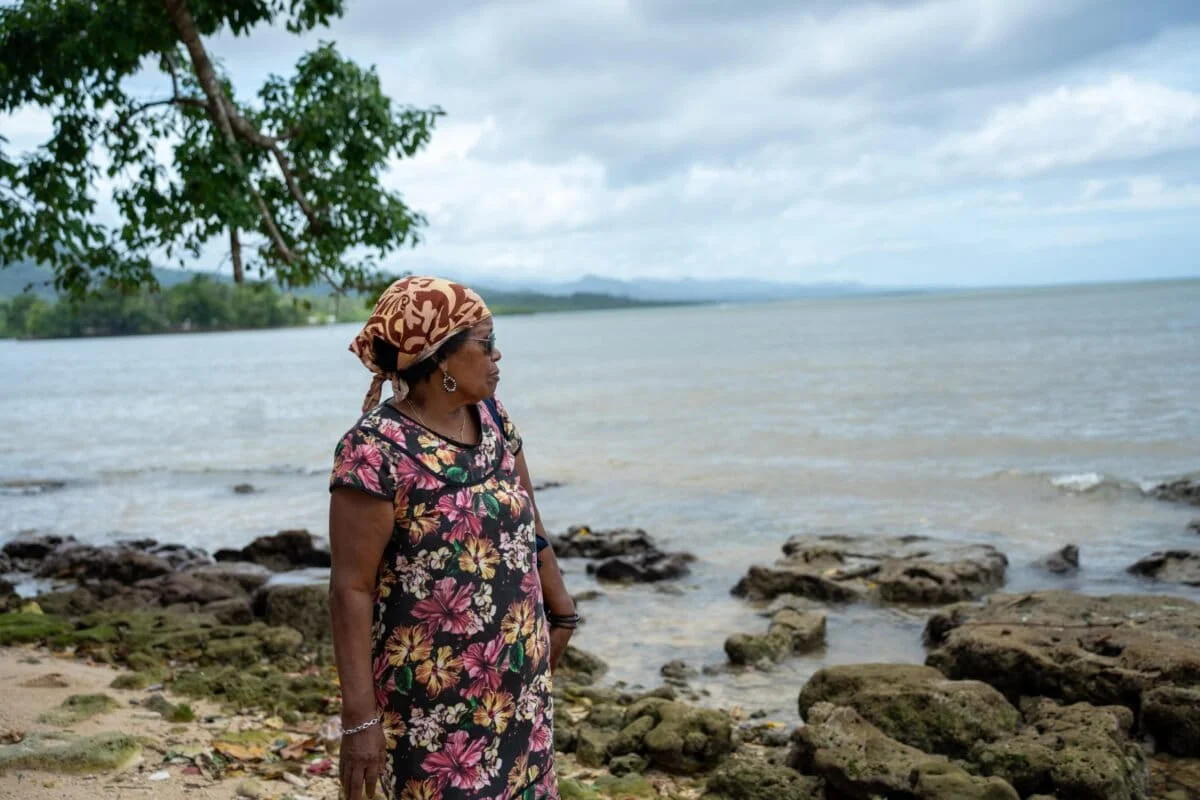
The Home Planet Fund seeks to bypass this model entirely by acting as a direct conduit for resources. By focusing on four specific ecologies identified by international scientific bodies as critical to global biodiversity and climate stability—the Tongass Rainforest in Alaska, the "Third Pole" glaciers, the grasslands of East Africa, and the South Pacific—the fund aims to provide support where it is most needed rather than where it is most logistically convenient.
The organization’s methodology is rooted in the recognition that local communities are not merely passive recipients of aid but are the primary architects of conservation. Khonikboyeva, who serves as the fund’s executive director, notes that in many of the regions where they operate, community infrastructure has been forced to remain robust due to the absence of consistent state support. Whether through tribal councils or matrilineal decision-making bodies in the South Pacific, the fund funnels money directly into existing systems, ensuring that resources empower local leadership rather than imposing external mandates.
The Philosophy of Unrestricted Funding
A central pillar of the Home Planet Fund’s operations is the concept of unrestricted, trust-based philanthropy. In the mainstream nonprofit world, grants are often contingent on hitting specific quarterly metrics, a practice that Khonikboyeva argues is disconnected from the realities of life on the ground.
"If you’re getting a satisfying answer in this space, something isn’t right," Khonikboyeva states. Her perspective is informed by her upbringing in the Pamir Mountains of Tajikistan during the collapse of the Soviet Union. Living through civil war and resource scarcity, she witnessed firsthand how the most effective community responses were those characterized by flexibility and mutual aid, rather than adherence to static, externally imposed schedules.
The fund’s approach acknowledges that environmental and political volatility—ranging from earthquakes to shifts in regional governance—cannot be predicted by an Excel spreadsheet. By providing unrestricted funding, the organization allows partners to pivot during crises, such as when an early warning network in Vanuatu was activated following a 2024 earthquake. Because the community held the authority to reallocate resources instantly, they were able to address immediate human needs without waiting for formal approval from a donor thousands of miles away.
Historical Context and the Impact of Conflict Zones
The Home Planet Fund’s commitment to working in conflict-prone or politically unstable areas is a deliberate strategy. While many international donors avoid these regions due to "risk assessment" protocols, Khonikboyeva suggests that these are precisely the areas where the most vital work remains undone.
Historically, colonial and state-centric management often marginalized Indigenous populations, leading to the degradation of lands that were previously thriving under traditional management. The modern climate crisis has exacerbated these tensions. According to data from the Intergovernmental Panel on Climate Change (IPCC), areas with high Indigenous land stewardship frequently show lower rates of biodiversity loss compared to state-managed protected areas.
By working in regions like the high-altitude Badakhshan province in Afghanistan, the fund supports women’s collectives that are not only restoring local ecosystems through regenerative agriculture but are also providing critical food sovereignty. These interventions demonstrate that the "human touch"—the application of local and traditional knowledge—is a prerequisite for the survival of complex ecosystems.
Supporting Data and Scientific Alignment
The fund’s strategic focus is heavily data-driven, aligning with findings from the United Nations Framework Convention on Climate Change (UNFCCC). By targeting "hotspots" where biodiversity is high but traditional funding is low, the Home Planet Fund optimizes the impact of every dollar.
For instance, the "Third Pole"—encompassing the Himalayas, Hindu Kush, and Pamir ranges—contains the largest store of glacial ice outside the Earth’s polar regions. These glaciers regulate weather patterns across South and Southeast Asia, impacting the monsoons upon which billions of people rely for agriculture. By supporting local communities in these areas, the fund is effectively investing in global climate security.
Furthermore, the emphasis on matrilineal collectives in the South Pacific addresses a critical gap in international development. While climate change disproportionately affects Pacific Island nations through rising sea levels and intensifying storm cycles, funding has historically favored large-scale infrastructure over community-led adaptation. The Home Planet Fund’s recent annual report highlights a cohort of 325 young women across the Pacific who, through intergenerational knowledge transfer, have implemented nature-based solutions ranging from mangrove restoration to coral reef management.
The Role of Trauma-Informed Philanthropy
Perhaps the most unique aspect of the fund’s ethos is its explicit focus on healing. Khonikboyeva argues that environmental conservation cannot be separated from the human experience of the communities involved.
"Pain has a transformational aspect, but you have to lean into it," she says. The organization recognizes that long-term environmental sustainability is impossible to achieve if the communities tasked with that stewardship are operating from a place of chronic trauma or fear. By creating space for storytelling, ritual, and communal healing, the fund aims to foster a version of conservation that is not merely defensive—fighting against collapse—but generative, building a future that communities actually want to inhabit.
This approach challenges the traditional philanthropic objective of "fixing" a problem. Instead, the fund positions itself as a partner in understanding what works in each unique ecology. By letting local people lead, the fund ensures that the work is durable, surviving long after the initial grant cycle has concluded.
Implications for the Future of Philanthropy
The broader implications of the Home Planet Fund’s model are significant. As the global community grapples with the escalating costs of climate change, the demand for more agile, localized funding mechanisms is likely to grow. The fund’s success provides a blueprint for how larger institutions might transition away from extractive, high-friction grantmaking toward a system based on equity and shared power.
However, the transition is not without challenges. Khonikboyeva acknowledges the daily struggle of balancing the urgent need for resources in disenfranchised communities with the desire to protect them from the burden of restrictive donor demands. Her role involves constant negotiation, sometimes turning down funding if the accompanying conditions would cause more harm than good to the communities she serves.
As the Home Planet Fund enters its sixth year, it stands as a testament to the idea that the most effective climate solutions are those that prioritize human dignity alongside ecological health. By treating trust as the primary currency of conservation, the organization is proving that the path to a healthier planet requires not just new technology or scientific research, but a fundamental shift in how humanity relates to one another and to the earth.
In an era defined by the "polycrisis"—the intersection of environmental, economic, and political upheaval—the work of the Home Planet Fund serves as a reminder that the most resilient communities are those that maintain their connection to their ancestral land and to each other. As Khonikboyeva concludes, the goal is to build a world that is not just survivable, but worth living in, driven by the belief that healing the land and healing ourselves are two sides of the same essential process.