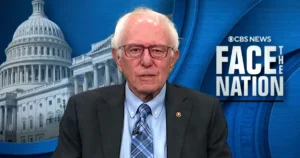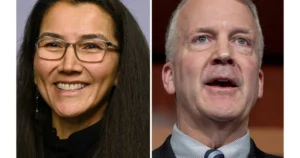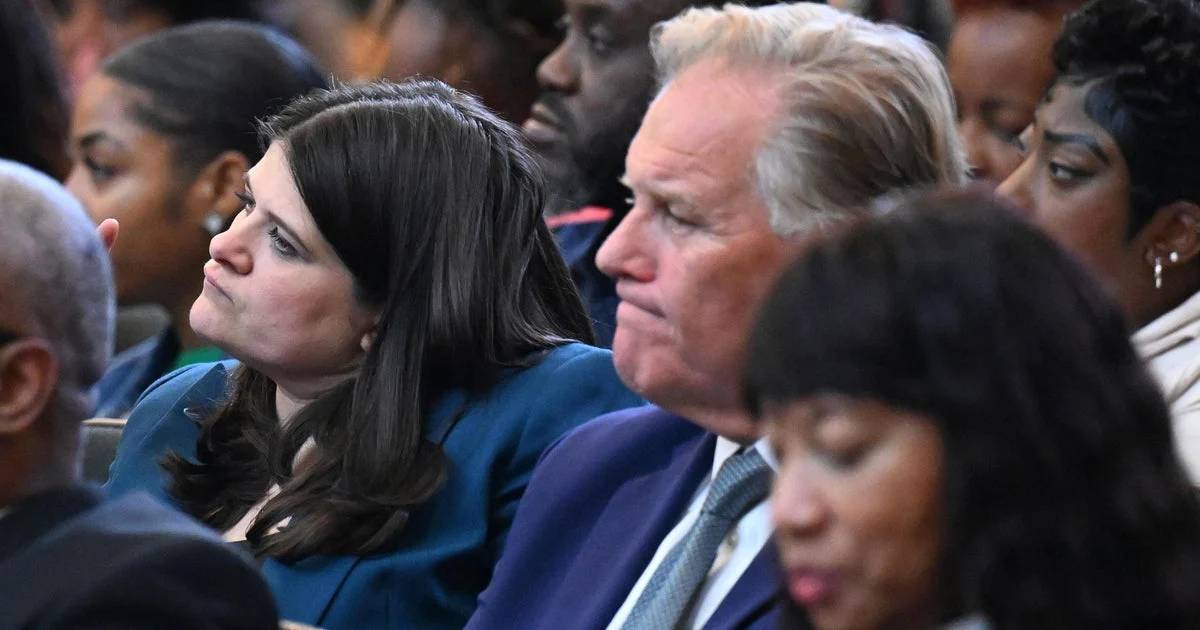
The final weekend before the high-stakes 2026 midterm elections was upended in Michigan on Sunday when Democratic Representative Haley Stevens crossed party lines to endorse Republican U.S. Senate candidate Mike Rogers. The dramatic announcement, made jointly at a Detroit church, followed an escalating public feud between Stevens and the Democratic Senate nominee, Abdul El-Sayed. The fallout was immediate and severe, triggering the mass resignation of Stevens’ congressional staff, drawing sharp rebukes from top national and state Democrats, and earning praise from Donald Trump as the race enters its definitive final hours.
The Catalyst: A Contentious Primary and Rising Tensions
The roots of this extraordinary political defection trace back to the August Democratic primary, where Stevens narrowly lost the nomination to El-Sayed in a competitive and expensive race that heavily featured involvement from national Democratic campaign entities. Despite the bruising primary, tensions remained below the surface until the final weeks of the general election cycle, when a bitter dispute erupted over external campaign messaging.
Last week, Stevens publicly called on El-Sayed to forcefully condemn an outside political advertisement linking U.S. military aid to Israel with rising domestic grocery prices—language Stevens characterized as antisemitic. While El-Sayed clarified that the ad was not produced by his campaign and stated that he disagreed with its contents, he pushed back against Stevens’ demands, accusing her of attempting to relitigate a primary election that had concluded three months prior.
The war of words escalated quickly over the weekend. El-Sayed reportedly informed Stevens that she was no longer welcome at his campaign events, specifically rescinding an invitation for a planned Sunday unity event that was also scheduled to feature prominent South Carolina Representative Jim Clyburn.
Chronology of Sunday’s Dramatic Developments
The sequence of events on Sunday fundamentally altered the landscape of the Michigan Senate race:
- Sunday Morning: Following a brief telephone conversation, Representative Haley Stevens and Republican candidate Mike Rogers agreed to appear together at a Sunday morning service at the Perfecting Church in Detroit.
- Mid-Morning Video Announcement: Stevens released a video statement via social media declaring that because the Democratic nominee told her she was unwelcome and should stay away, she was officially endorsing Mike Rogers for the United States Senate.
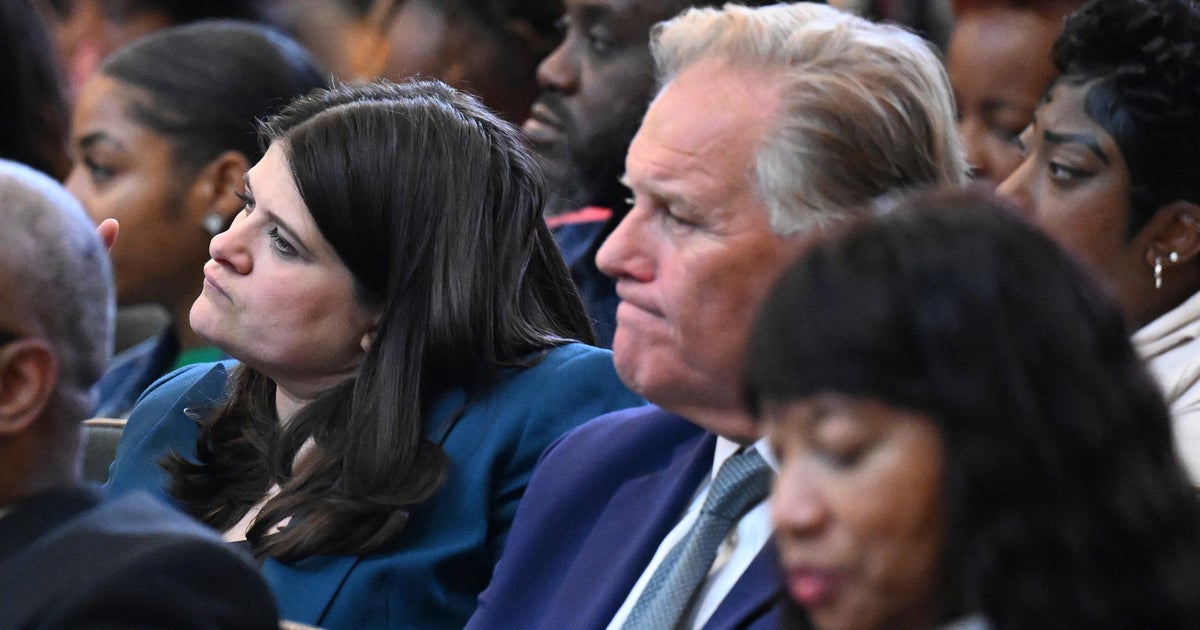
- Church Appearance: Stevens and Rogers stood side-by-side before congregants in Detroit, framing the move as a stand against hate and a unified vision for Michigan’s future.
- Afternoon Fallout: Top national Democrats, including Senate Minority Leader Chuck Schumer and state party leadership, forcefully condemned Stevens. Simultaneously, her chief of staff Justin German, alongside her communications director and campaign spokesperson, announced their immediate resignations, citing heartbreak and steadfast support for El-Sayed.
- Evening National Reaction: High-profile figures, including former President Donald Trump and House Speaker Mike Johnson, weighed in publicly, amplifying the national significance of the intra-party rupture.
Official Responses and Intra-Party Reactions
The political reverberations of Stevens’ endorsement were felt instantly across Washington and Lansing, exposing deep ideological and tactical fractures within the Democratic Party.
Senate Minority Leader Chuck Schumer did not mince words regarding the defection. In a formal statement and a subsequent social media post, Schumer reaffirmed the national caucus’s unwavering backing of El-Sayed, labeling Stevens’ action a "despicable betrayal" and emphasizing that El-Sayed remains the only candidate committed to fighting for the economic interests of Michigan’s working families.
Michigan Democratic Party Chair Curtis Hertel echoed this sentiment, confirming that Stevens is no longer considered a member of the state party organization.
Meanwhile, local Democratic leaders rallied around the nominee. Michigan Representative Debbie Dingell emphasized that voters are laser-focused on economic affordability and the cost of living rather than political distractions, stressing the critical importance of electing Democrats up and down the ballot.
On the other side of the aisle, Republican strategists seized upon the moment to paint El-Sayed as outside the political mainstream. Republican National Committee representatives argued that Stevens’ endorsement underscores a growing coalition of moderate Democrats, independents, and Republicans uniting behind Rogers.
Mike Rogers praised Stevens for her political courage, stating that her decision transcended traditional partisan boundaries and demonstrated a shared commitment to confronting bigotry and addressing the concerns of Michigan’s Jewish community.
Staff Resignations and Internal Turmoil
The personal and professional fallout within Stevens’ congressional office was swift. Longtime chief of staff Justin German released a scathing statement via social media announcing his departure, joined by communications director Logan Basch and press secretary Joetta Appiah.
The departing staffers stated that Stevens was "walking back on everything her campaign stood for" and confirmed their ongoing dedication to supporting El-Sayed and the broader Democratic ticket. The mass resignation highlights the profound shock felt by close aides who had worked for years to build Stevens’ political brand within the state.
Broader Implications for the 2026 Midterms
Political analysts view the Stevens-Rogers alignment as a unique, highly localized earthquake that could influence voter turnout in the crucial final hours of the election cycle. While candidate endorsements typically fail to move significant blocks of voters in the final days of a race, a high-profile defection by a sitting Democratic member of Congress in a premier Senate battleground is historically rare.
The controversy forces both campaigns to navigate complex messaging terrain. For El-Sayed, the challenge lies in refocusing the electorate on bread-and-butter economic issues, healthcare, and cost-of-living concerns while neutralizing Republican attacks regarding party unity. For Rogers, the endorsement serves as a strategic validation, allowing the Republican campaign to project a broad-tent appeal to disaffected moderate voters as the polls prepare to close.