As the United States approaches its critical midterm elections, the geopolitical atmosphere in the Middle East has reached a perilous inflection point. Diplomatic channels, while active, remain largely paralyzed, and military posturing suggests that the relative lull in direct U.S.-Iran hostilities may be a precursor to a more expansive and unpredictable phase of conflict. Analysts, military strategists, and regional stakeholders are increasingly concerned that any new round of fighting will not be confined to the traditional theater of the Persian Gulf, but could instead metastasize into a global confrontation involving critical infrastructure, cyber-warfare, and proxy engagements across multiple continents.
The Military Buildup and Strategic Posturing
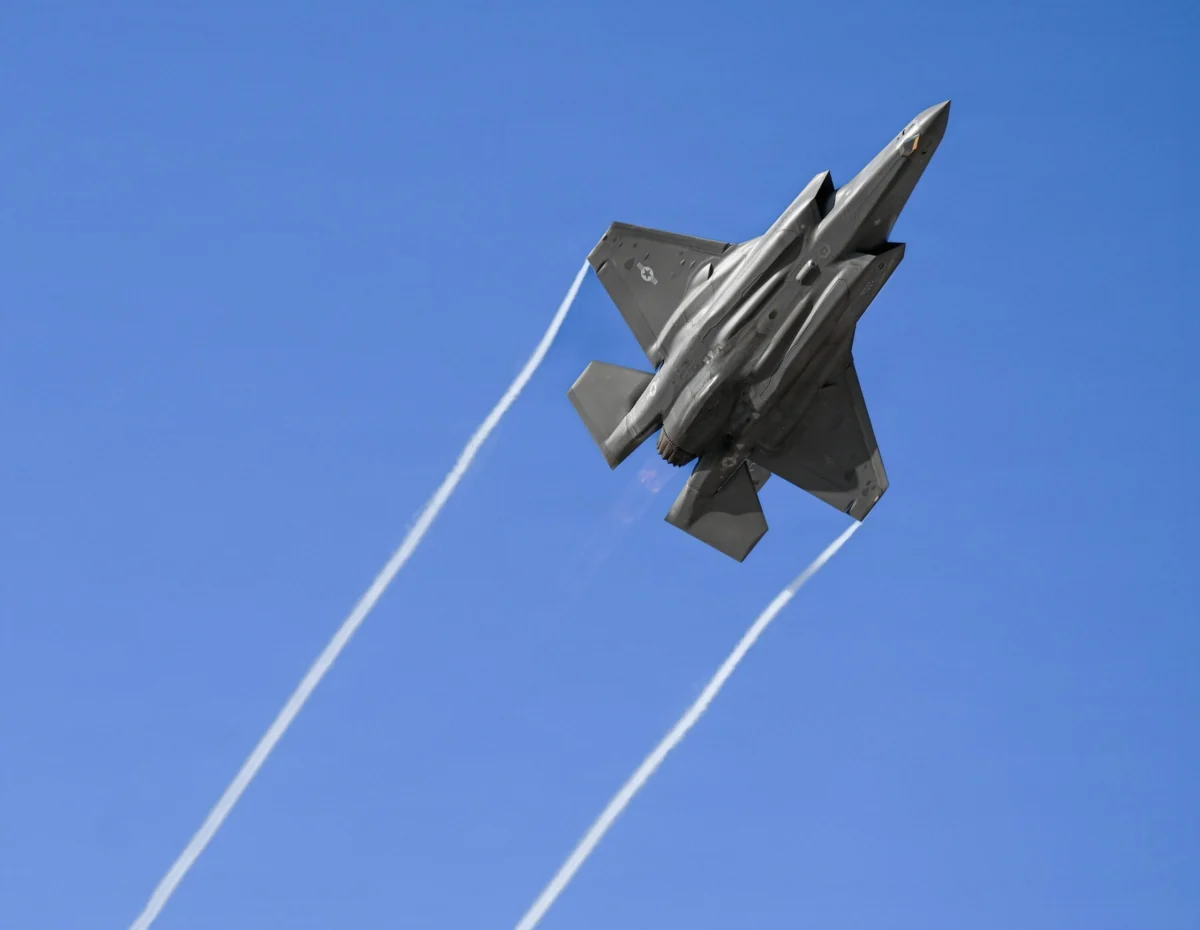
The U.S. Department of Defense has significantly bolstered its presence in the Middle East, moving a third aircraft carrier strike group and an additional Marine Expeditionary Unit into the region. These deployments, according to reports from the Wall Street Journal, are accompanied by urgent directives to regional allies to prepare for a "short but intense" renewal of kinetic operations.
This strategic shift follows months of friction that have seen U.S. air defense stockpiles reach critically low levels. The Pentagon faces a dual challenge: maintaining a credible deterrent against Iranian missile barrages while managing a logistics chain strained by nearly a year of high-tempo operations. Recent data suggests that Iranian missile technology has evolved, with newer iterations demonstrating a sophisticated capability to penetrate or circumvent established air-defense umbrellas, including systems that have historically been considered state-of-the-art.
Chronology of Escalation: A Timeline of Rising Tensions
The current crisis is the culmination of a decade of deteriorating relations and a sharp acceleration in hostilities over the last eighteen months:
- Early 2026: Initial rounds of diplomatic talks between Washington and Tehran yield no significant breakthrough, as both sides remain entrenched in their original demands regarding regional security and nuclear constraints.
- Summer 2026: Despite ongoing back-channel communications, localized military skirmishes increase in frequency. A foiled attack on a British airbase serving U.S. forces is attributed to Iranian actors, marking a shift toward targeting international military assets.
- October 2026: The RAND Corporation publishes a comprehensive analysis detailing how Iranian hostile activity has effectively "gone global," citing proxy-led plots in Latin America and Europe.
- November 2026: Reports emerge regarding the compromise of sensitive systems, including the suspicious manipulation of temperature controls in French supermarket freezers—an incident currently under investigation by the Pentagon to determine if U.S. military bases face similar vulnerabilities.
The Shift to Unrestricted Warfare
The most concerning development in recent weeks has been the rhetorical shift from the Iranian leadership. On Saturday, Ayatollah Mojtaba Khamenei issued a directive that has sent shockwaves through international intelligence circles. He warned that Iran’s potential response would be "without any geographical limitations," explicitly calling for an update to the regime’s "data bank of targets" to include a wide array of financial and non-financial assets.
Hamidreza Azizi, a senior fellow at the Crisis Group, interprets this as a definitive departure from Iran’s historic doctrine of proportionate retaliation. "This language suggests a further evolution in Iran’s military strategy," Azizi stated via social media. "Since the beginning of the war, Tehran has increasingly moved away from its traditional emphasis on proportionate response toward a more offensive approach aimed at imposing costs on adversaries. The objective is to make another attack so costly and unpredictable that Washington would have to reconsider the option altogether."
This strategy of "asymmetric imposition" is not limited to conventional missile salvos. Tehran has publicly identified undersea internet cables and global data centers as legitimate targets. This threat highlights the fragility of the digital backbone of the global economy. As evidenced by the massive $6.3 billion crypto heist at Binance—often linked in intelligence circles to North Korean actors—the capacity for state-sponsored or state-aligned entities to disrupt financial stability is no longer theoretical.
Economic and Infrastructure Vulnerabilities
The economic implications of a wider war are profound. The Persian Gulf, which serves as the primary artery for global energy markets, has already sustained significant damage to its energy infrastructure. Amir Handjani, a board member at the Quincy Institute for Responsible Statecraft, warns that the region is nearing a breaking point.
"Gulf producers spent five decades persuading the world that their supply could withstand regional wars," Handjani observed. "Eight months of fighting on two fronts have badly weakened that case. Another round, on top of the ongoing conflicts, would leave damage to infrastructure and to importers’ confidence that markets are likely to carry for a generation."
The cumulative impact of the Saudi-Houthi war combined with the direct U.S.-Iran conflict has created an environment of extreme volatility. Energy importers, already nervous about supply security, are increasingly pricing in the risk of sustained outages. Should the conflict expand to include the targeting of data centers and communications infrastructure, the economic fallout could transcend the energy sector, impacting global logistics, banking, and cloud-based services.
The Diplomatic Impasse
Diplomacy remains in a state of suspended animation. While intermediaries continue to shuttle messages between Washington and Tehran, the lack of movement on core issues has led to a hardening of positions. Iran appears particularly skeptical of temporary ceasefires, which it views as tactical pauses used by the U.S. to regroup rather than genuine attempts at de-escalation.
The Iranian regime’s insistence that it—not the U.S. or international mediators—will dictate the timing and the terms of any potential ceasefire represents a significant challenge to traditional conflict resolution frameworks. Furthermore, the possibility of a preemptive strike by Iran, should it detect preparations for hostile action, creates a "use it or lose it" dilemma for military commanders on both sides, significantly shortening the decision-making window during a crisis.
Implications for Global Security
The potential for a "post-midterm" escalation is not merely a regional concern; it is a stress test for the international order. If the U.S.-Iran conflict expands into the cyber realm or shifts to targets in Europe or the Americas, the definition of "frontline" will become obsolete.
The Pentagon’s ongoing investigation into the tampering of refrigeration units—a seemingly mundane piece of infrastructure—points to the reality that modern warfare is increasingly targeting the domestic stability of adversary nations. If hackers can manipulate the temperature of food supplies, the potential for wider sabotage against power grids, water treatment facilities, and transport networks becomes a matter of urgent national security.
As the clock ticks toward the post-election period, the prevailing consensus among regional analysts is that the status quo is unsustainable. The U.S. policy of maintaining a naval blockade while avoiding further direct strikes—described by some as the "least bad option"—is under severe pressure. If that policy fails, the world may be facing a conflict that is not only "short and intense" but also fundamentally transformative in how it reshapes the risks of the 21st century.
For the U.S., the challenge will be to balance the necessity of deterrence with the risk of triggering a global crisis that exceeds the capacity of current defense systems to mitigate. For Iran, the challenge is managing the high-stakes gamble that their strategy of "unrestricted retaliation" will force a U.S. retreat rather than triggering the very total war they seek to deter. As these two trajectories converge, the coming weeks promise to be among the most volatile in the modern history of the Middle East.