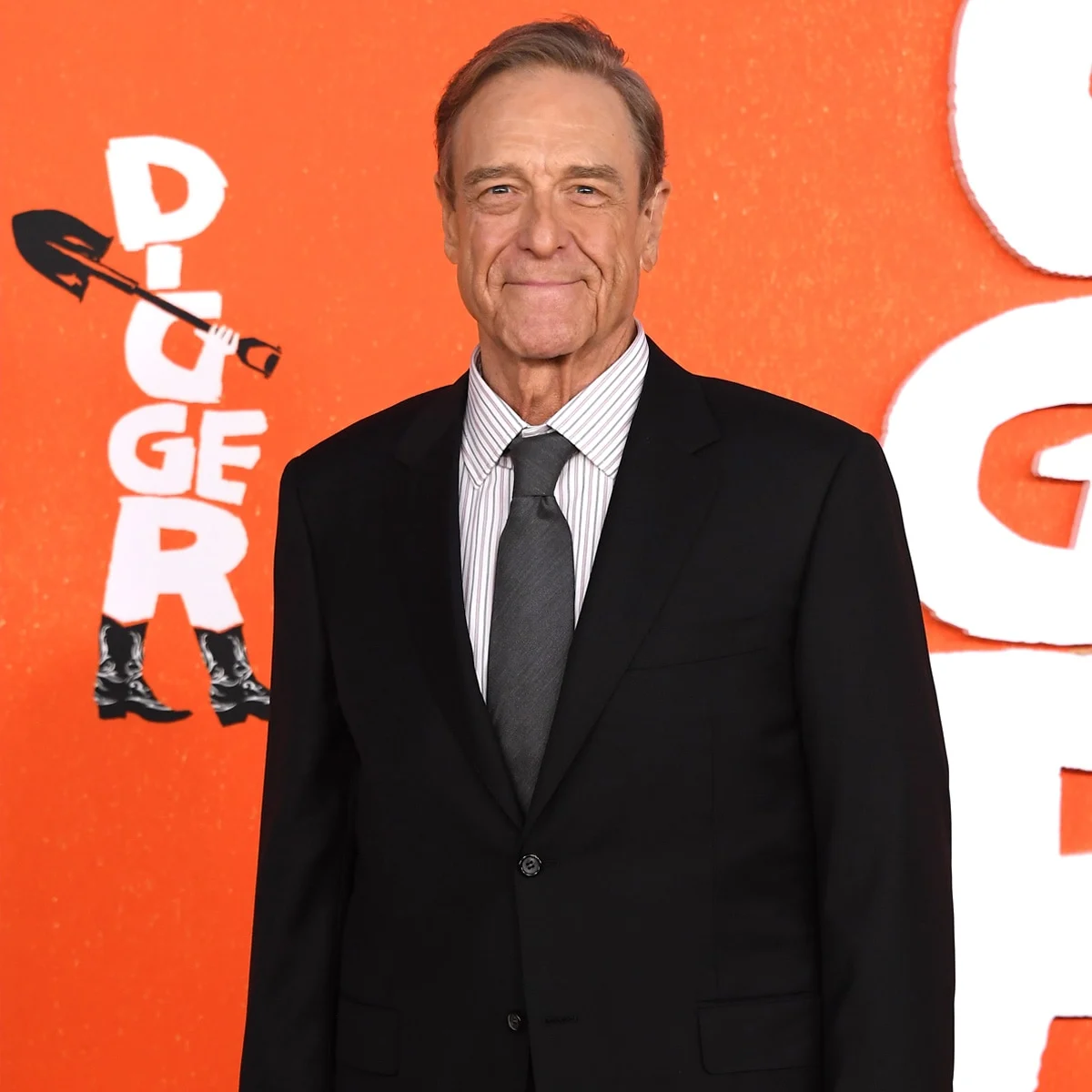
Veteran actor John Goodman continues to candidly navigate the physical and psychological realities of his extraordinary 200-pound weight loss transformation. Best known for his iconic roles in Roseanne and HBO’s The Righteous Gemstones, the 74-year-old actor recently opened up on the Happy Sad Confused podcast about the lingering adjustments of living in a vastly transformed body. Despite shedding half his peak body weight, Goodman admits that stepping into his new normal has been a complex journey filled with unexpected visual surprises, physical hurdles, and reflections on a decades-long struggle with health and self-image.
The Physical and Psychological Reality of a 200-Pound Transformation
For decades, Goodman’s heavy frame was as much a part of his public persona as his formidable acting talent. However, the actor’s relationship with food and his body underwent a massive shift following his decision to achieve sobriety in 2007. In subsequent interviews, including an extensive profile with The New Yorker, Goodman revealed that entering sobriety did not immediately resolve his underlying compulsive behaviors. Instead, he transitioned into what he characterizes as "eating alcoholically," a pattern of severe binge eating that propelled his weight to nearly 400 pounds.
The cycle of drastic weight fluctuation proved exhausting. Goodman described periods where he would successfully drop 60 pounds during a single summer, only to watch the weight return twofold. The physical toll of these yo-yo diets eventually prompted him to undergo stomach surgery and adopt a sustainable lifestyle change, incorporating a Mediterranean-style diet rich in fish, vegetables, and nuts alongside consistent daily walking.
Yet, reaching his current physique has introduced a new set of challenges. Speaking candidly about his appearance, Goodman confessed that he still struggles to recognize his own reflection. "I’m still trying to get used to my face," he shared on the November 2 episode of the Happy Sad Confused podcast. "It’s weird. I think of myself as one way and then I look at myself, ‘Oh, wow!’"
Navigating Vulnerability on Camera and Daily Health Hurdles
The psychological adjustment to his weight loss directly impacted his professional life during the final seasons of The Righteous Gemstones, which concluded its four-season run on HBO. Goodman revealed that he turned down a required nude scene for the comedy series because he felt insecure about how his body would appear on camera following his dramatic transformation.
"I thought I was going to have to be naked in it and I said, ‘I don’t know. My body’s too messed up losing all this weight,’" Goodman recalled. Ultimately, through collaboration with the production crew, a compromise was reached to execute the scene, but the hesitation highlights the lingering vulnerability that often accompanies massive physical changes.
Furthermore, the rapid and substantial loss of body fat has created physiological side effects. Goodman noted that he has developed mild anemia and lost the insulating layer of subcutaneous fat, leaving him consistently sensitive to cold temperatures. More critically, maintaining mobility and balance has become a primary medical focus. Illustrating the fragility that can accompany rapid aging and massive weight loss, Goodman recounted a severe fall he suffered immediately after returning to London from a holiday break. Landing parallel to the ground on his hip, the actor sustained a fracture, underscoring the vital importance of his current fitness regimen, which centers on core stabilization, balance, and strength training to prevent future injuries.
Self-Sabotage and Hollywood Body Standards
Reflecting on his career prior to his weight loss, Goodman offered a sobering self-assessment regarding how his lifestyle and physical appearance may have influenced professional opportunities. Looking back, the veteran performer expressed concern that his physical state may have served as an unconscious mechanism of self-sabotage.
"I was working enough as I was," Goodman reflected. "I wasn’t crazy about it, but I wonder if I probably sabotaged myself."
Goodman’s experiences place him within a broader conversation among high-profile entertainers who have grappled with body image, public scrutiny, and the pursuit of longevity in an industry historically preoccupied with physical aesthetics. Across the entertainment landscape, numerous celebrities have stepped forward in recent years to share their own complex journeys with weight management, health diagnoses, and the societal pressures of maintaining a public persona.
A Broader Industry Shift: Celebrity Health Journeys and Public Discourse
The challenges faced by John Goodman mirror a growing openness within the entertainment industry regarding physical transformations, health crises, and the emotional toll of public judgment. In recent years, figures across music, television, and film have detailed how personal health crises—ranging from pre-diabetic diagnoses to severe mobility issues—have forced them to reevaluate their lifestyles.
Country music star Luke Combs has similarly addressed how his physical appearance fostered profound self-doubt throughout his meteoric rise, admitting to fears that his career progression might be hindered by industry biases regarding weight. Meanwhile, artists and television personalities such as Jelly Roll, Kelly Clarkson, Oprah Winfrey, and Whoopi Goldberg have shared varied paths to wellness, incorporating everything from structured nutritional changes and intense physical training to medically supervised weight-loss interventions, including modern GLP-1 medications.
For Clarkson and Winfrey, public health scares served as the catalyst for transformation. Clarkson revealed that a pre-diabetic diagnosis ultimately motivated her to adhere strictly to doctor-recommended dietary changes and active urban living in New York City. Winfrey has championed the availability of medically approved weight management prescriptions, describing them as a source of relief and redemption rather than something to be concealed behind a veil of stigma.
At the same time, reality television stars and actors like Tammy Slaton (1000-lb Sisters) and Tarek El Moussa have documented their monumental lifestyle overhauls, highlighting milestones that extend far beyond aesthetic changes—such as the ability to travel comfortably, engage in outdoor recreation, and ensure long-term vitality for their families. Conversely, public figures like Valerie Bertinelli and Whitney Way Thore have used their platforms to push back against societal pressures, advocating for body neutrality and mental well-being over rigid scale-based metrics.
The Broader Implications of Long-Term Health Maintenance
The public discourse surrounding John Goodman and his peers highlights a critical evolution in how society and the entertainment industry view weight loss and wellness. Historically framed simply as a matter of cosmetic transformation or willpower, major health and weight journeys are increasingly understood as complex medical, psychological, and behavioral processes.
Experts note that substantial weight loss—particularly when achieved later in life—requires specialized medical oversight to manage secondary complications such as nutritional deficiencies, loss of muscle mass, and compromised bone density. Goodman’s candid disclosures about anemia, chronic cold sensitivity, and severe fall risks illustrate the very real physical vulnerabilities that can accompany rapid or extreme body changes.
Furthermore, the psychological transition—what Goodman describes as getting used to a new face and a new physical reality—remains a frequently overlooked aspect of major transformations. Mental health professionals emphasize that internal self-perception often lags significantly behind physical reality, requiring ongoing psychological adaptation to integrate a new body image into one’s identity.
As John Goodman continues to prioritize core strength, balance, and rehabilitation to safeguard his mobility, his journey serves as a powerful testament to resilience. By speaking openly about the trials of his past habits, the physical fallout of his transformation, and the continuous process of self-acceptance, Goodman offers a refreshingly grounded perspective on aging, health, and the ongoing work of reinvention in the public eye.