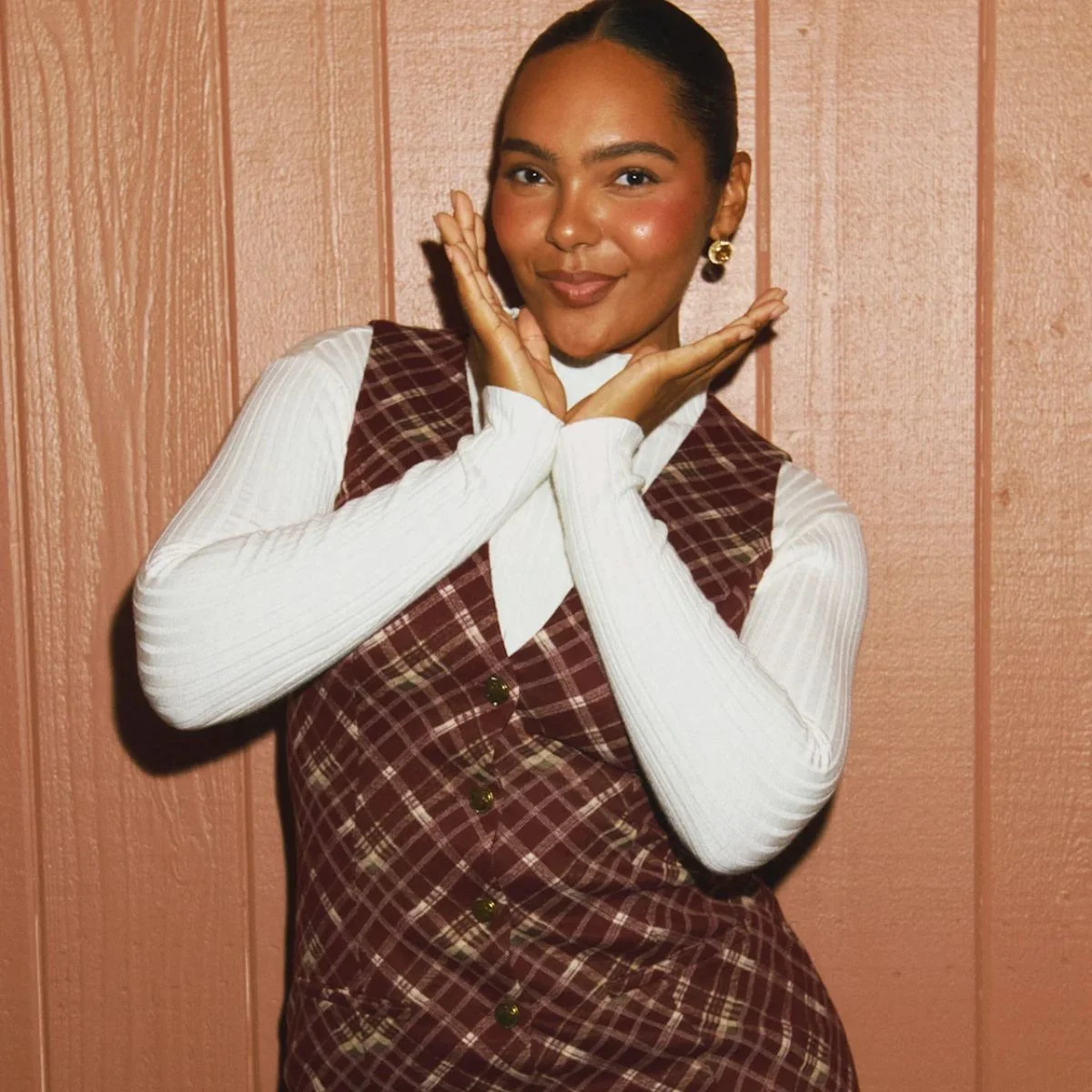
The return of cooler temperatures invariably signals a distinct shift in consumer fashion trends, with timeless patterns stepping to the forefront of seasonal wardrobes. Among the most enduring motifs of the autumn and winter months is plaid—a versatile textile design that bridges traditional preppy aesthetics with contemporary holiday styling. As retailers roll out their seasonal collections spanning November and December, plaid continues to demonstrate its commercial staying power, appearing across everything from structured tartan skirts and tailored workwear to ultra-soft loungewear and festive holiday dresses.
The historical roots of plaid run deep, evolving from its origins as a regional clan identifier in the Scottish Highlands into a global fashion staple. Originally woven from wool to provide warmth against harsh weather, the pattern gained traction in mainstream fashion during the nineteenth and twentieth centuries. Today, designers and fast-fashion retailers alike reinterpret plaid annually, balancing heritage-inspired patterns with modern silhouettes. Market analyses consistently show that plaid-patterned apparel experiences a significant surge in search volume and retail sales between October and January, driven by consumer demand for festive yet wearable clothing suitable for Thanksgiving dinners, corporate holiday parties, and casual gift-opening mornings.
Fashion industry experts attribute the perennial popularity of plaid to its unique ability to evoke a celebratory atmosphere without requiring over-the-top styling. "Plaid strikes a rare balance between being visibly festive and remaining entirely chic," notes fashion merchandising analyst Sarah Jenkins. "Consumers look for investment pieces during the fourth quarter that transition seamlessly from professional settings to social gatherings. Plaid fulfills that requirement by offering rich color palettes—such as deep burgundies, forest greens, and burnt oranges—that naturally complement the autumnal and winter seasons."
As shoppers curate their cold-weather wardrobes, the market offers a diverse array of plaid garments tailored to specific seasonal occasions. Tailored separates, such as the Chauncy Burgundy Blue Plaid Skort, blend classic schoolgirl motifs with sophisticated design elements like woven twill fabrics and buckled accents. For formal holiday events, structured mini dresses—including the Kala Burgundy Plaid Button-Front Mini Dress and the Selvia Burgundy Plaid Ruched Mesh Mini Dress—provide a body-hugging silhouette that pairs effortlessly with winter accessories like opaque tights and knee-high boots.

Beyond structured evening wear, comfort remains a driving factor for holiday consumers. The demand for elevated loungewear and casual wear has expanded significantly in recent years. Items such as the Fairbanks Supersoft Shirt in dark olive and the Shelby Top in cocoa plaid offer relaxed fits that cater to remote work environments and casual weekend outings. Meanwhile, sleepwear collections—exemplified by the Petal Soft Pajama 2-Piece Set and the Snug Hug Short Robe—highlight the commercial appeal of cozy, tactile fabrics finished in traditional blue, green, and red plaid variants. Major retail players have similarly capitalized on this trend; notably, Rihanna’s Savage X Fenty brand introduced family-matching holiday pajama lines featuring accessible price points to capture the lucrative family-oriented market segment.
The economic implications of seasonal apparel trends like plaid are substantial for the retail sector. The final quarter of the calendar year consistently accounts for a disproportionate share of annual apparel sales, largely driven by holiday gift-giving and social event participation. Retailers rely heavily on dependable motifs like plaid to drive inventory turnover during this critical trading period. By offering versatile items that appeal to multiple demographics—ranging from young professionals seeking trendy streetwear to families investing in matching holiday sleepwear—brands can maximize consumer engagement across both digital storefronts and brick-and-mortar locations.
Industry analysts observe that supply chain strategies for seasonal patterns like plaid require precise forecasting. Retail buyers typically lock in tartan and check inventories months in advance to align with the peak consumer shopping window that begins in late October. The integration of diverse colorways, moving beyond traditional red-and-green combinations to embrace earthy chocolates, rich burgundies, and muted olives, allows brands to extend the wearable lifespan of plaid garments well beyond the immediate December holidays, satisfying consumer demand for sustainable and long-lasting wardrobe additions.
Ultimately, the enduring appeal of plaid lies in its structural adaptability. Whether integrated into formal party attire, everyday casual wear, or specialized holiday loungewear, the pattern maintains its status as an essential cold-weather commodity. As consumer preferences continue to oscillate between comfort and elegance, plaid remains uniquely positioned to meet the demands of modern seasonal fashion, securing its place in wardrobes for generations to come.