For generations, the crackle of an AM radio signal has served as a primary conduit for news, emergency broadcasts, and community discourse across the United States. However, as the automotive industry accelerates its transition toward electrification and high-definition digital connectivity, this century-old technology faces a precarious future. With major manufacturers increasingly omitting AM tuners from their latest electric vehicle (EV) lineups, a bipartisan coalition in Congress has intervened, passing the AM Radio for Every Vehicle Act through the House of Representatives. This legislative effort seeks to mandate the inclusion of AM tuners in all new passenger vehicles sold in the United States, positioning the medium as a critical pillar of national infrastructure and public safety.
The Legislative Landscape and Current Status
The AM Radio for Every Vehicle Act, designated as H.R. 979 in the 119th Congress, represents a significant federal attempt to regulate automotive feature sets. The bill mandates that automakers provide functional AM radio tuners in all new vehicles at no additional cost to the consumer. The legislation explicitly prohibits manufacturers from charging a surcharge or fee for the inclusion of this technology, ensuring that the feature remains standard regardless of a vehicle’s base price or powertrain configuration.
The House of Representatives officially passed the bill this week, marking a major milestone for proponents who argue that AM radio is an indispensable tool for national security. The legislation now proceeds to the Senate for further deliberation. Should it pass the upper chamber and receive the President’s signature, it would codify a requirement that has previously been left to the discretion of market forces and consumer demand.
The Engineering Conflict: EVs and Electromagnetic Interference
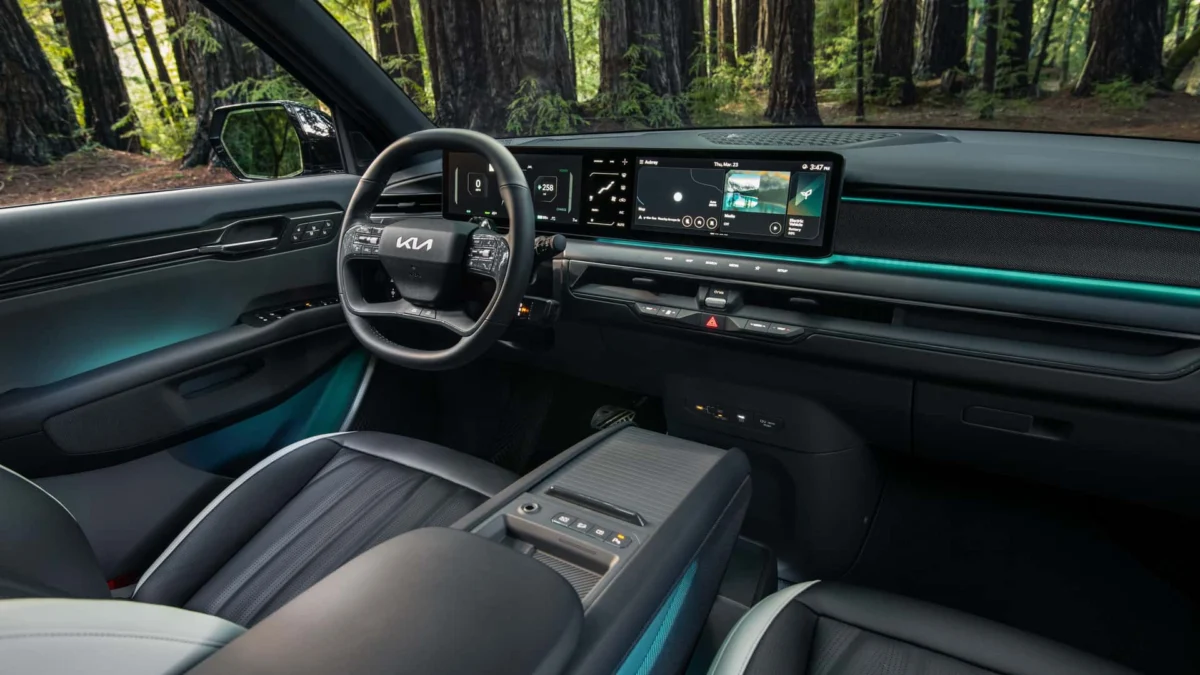
The primary friction point between automakers and lawmakers stems from the complex engineering challenges inherent in electric propulsion. Unlike traditional internal combustion engines, which operate primarily on mechanical power, EVs rely on high-voltage electrical systems, sophisticated power electronics, and high-frequency inverters to convert battery energy into motion.
These systems generate significant electromagnetic interference (EMI). Because AM radio signals operate at lower frequencies that are highly susceptible to atmospheric and man-made noise, the rapid switching currents found in EV power electronics can bleed into the radio’s receiver. This interaction manifests as persistent buzzing, high-pitched whining, or pervasive static, rendering many AM stations effectively unlistenable in modern electric vehicles.
Automakers have argued that the cost of mitigating this interference—through the use of heavy shielded cables, complex signal-to-noise filters, and strategic component placement—is disproportionate to the current consumer demand for AM radio. Companies such as Tesla, Rivian, Volkswagen, BMW, and Volvo have moved to eliminate or limit AM capabilities in their newer electric models, citing a shift in consumer habits toward streaming services, satellite radio, and digital connectivity.
The National Security Argument
Despite the technical hurdles, proponents of the legislation argue that the value of AM radio transcends the quality of its audio. The core of the argument lies in the Emergency Alert System (EAS), which relies on a network of high-power AM broadcast stations to disseminate critical information during natural disasters, infrastructure failures, or national emergencies.
AM signals possess unique propagation characteristics, allowing them to travel vast distances and penetrate physical structures that might block FM or cellular signals. Lawmakers point out that even in an era where 98% of Americans own a smartphone, cell towers can be overwhelmed by high traffic or disabled during catastrophic events. In such scenarios, a battery-powered or vehicle-based AM radio remains one of the most reliable, decentralized methods of receiving life-saving information. The fact that the bill garnered 317 co-sponsors highlights a rare consensus in Washington regarding the role of legacy technology in an increasingly digital world.
Industry Challenges and Potential Solutions
Industry groups, including organizations representing major automotive manufacturers, have expressed reservations about the mandate. Their primary concern is not just the cost of hardware, but the regulatory precedent of the government dictating specific interior features. Critics of the bill argue that forcing the inclusion of obsolete technology could stifle innovation and add unnecessary weight and complexity to vehicles, which is particularly counterproductive in the pursuit of EV range and efficiency.
However, engineers note that the technical problems are not insurmountable. Solutions such as fiber-optic signal isolation, advanced software-defined radio (SDR) filtering, and improved grounding techniques could theoretically allow AM radio to coexist with electric powertrains. The legislative mandate, however, forces automakers to prioritize these solutions regardless of their internal cost-benefit analysis.
A Chronology of the AM Radio Debate
The debate over the future of AM radio in cars is not new, but it has gained significant momentum in the last three years:
- 2022: Tesla and other manufacturers begin phasing out AM radio in new EV models, citing EMI issues and the availability of internet radio streaming as a replacement.
- Early 2023: The National Association of Broadcasters (NAB) begins a concerted lobbying effort to retain AM radio in vehicles, framing it as a matter of public safety.
- Mid-2023: Several bipartisan bills are introduced in both the House and Senate to mandate AM radio inclusion.
- 2024: Industry groups push back, citing the technical difficulties of shielding sensitive radio components from high-voltage EV battery systems.
- Early 2025: The House of Representatives formally passes the AM Radio for Every Vehicle Act, signaling a shift in legislative priority toward protecting analog broadcasting infrastructure.
Economic and Market Implications
The requirement to include AM radio at no extra cost to the consumer essentially forces automakers to bake the research, development, and manufacturing costs of these systems into the base price of the vehicle. For an entry-level EV, where profit margins are already razor-thin, this mandate could have a measurable impact on the final retail price.
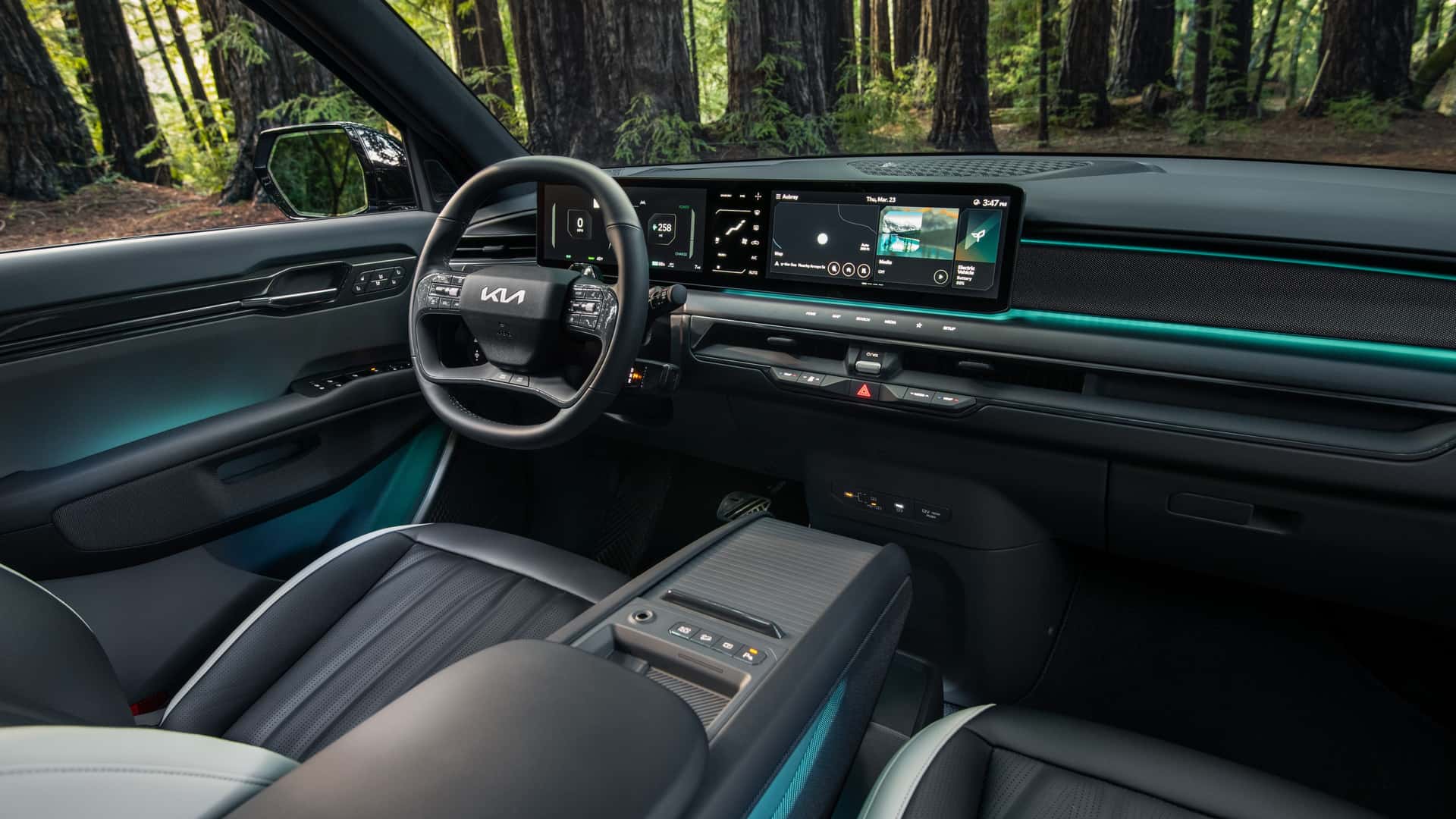
Furthermore, the legislation forces a shift in how car companies design their infotainment systems. For a decade, the trend has been toward consolidation—moving physical buttons and knobs onto touchscreens and replacing analog tuners with centralized digital platforms. A federal requirement to keep a dedicated AM tuner necessitates that manufacturers retain or create a distinct hardware path for these signals, complicating the streamlined, software-centric architectures that many manufacturers are striving to achieve.
The Broader Cultural Context
Beyond the technical and legislative details, the debate touches on a broader cultural question: what is the responsibility of the automotive industry toward legacy infrastructure? As vehicles evolve into "computers on wheels," the definition of a car’s essential features is being rewritten. For many, the AM radio is a relic of the past; for others, it remains a symbol of connectivity that works when all else fails.
The passage of the AM Radio for Every Vehicle Act by the House suggests that lawmakers believe the preservation of this emergency communication network is a vital public interest that outweighs the convenience of a simplified vehicle dashboard.
Future Outlook
As the bill moves to the Senate, the automotive industry will likely continue to lobby for flexibility, perhaps seeking to allow for "digital-only" versions of AM broadcasting or requesting longer implementation timelines. Should the bill be enacted as currently written, automakers will have to pivot quickly to integrate the necessary shielding and hardware into their future design cycles.
For the consumer, the outcome remains to be seen. Even if every new car on the lot features an AM button, the usage rates of the medium remain a separate issue. The legislative push ensures that the option exists for every driver, but it cannot force the audience to tune in. Whether this mandate ultimately preserves the relevance of AM radio or serves as a final, federally-protected gasp for an aging medium remains one of the more interesting subplots in the rapid evolution of the modern automobile.
The coming months will be decisive. With the Senate now holding the legislative fate of the AM tuner, the automotive sector remains on high alert, preparing for the possibility that they may soon be required to maintain a piece of history within their most futuristic designs.