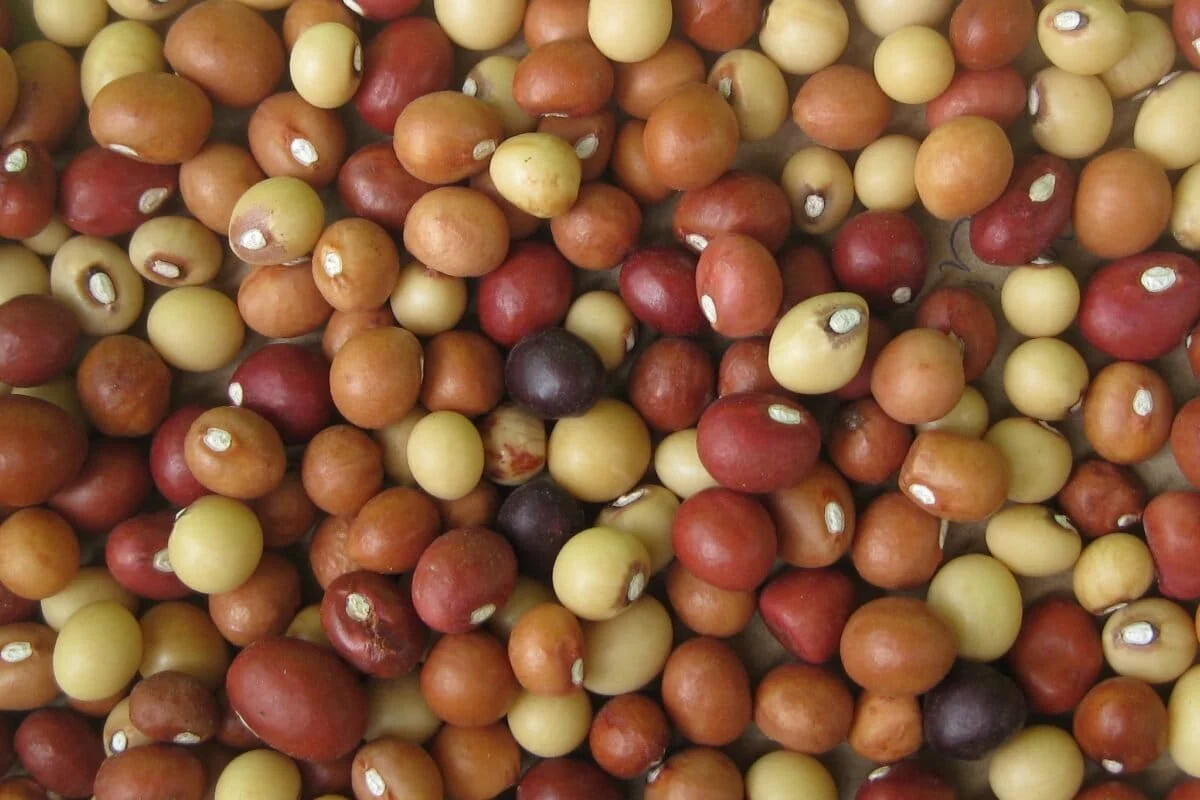
The agricultural landscape of Southern Africa stands at a critical juncture as traditional, rain-fed staples like maize, wheat, and rice face mounting pressure from erratic weather patterns and long-term climate change. In response, a team of agricultural scientists has completed a comprehensive study providing a strategic roadmap for the cultivation of the bambara groundnut (Vigna subterranea), an underutilized yet highly resilient legume. By synthesizing 50 years of climate and soil data to model 49 distinct growing seasons, researchers have identified the optimal planting windows and environmental conditions necessary to turn this "neglected" crop into a cornerstone of regional food sovereignty and nutritional security.
A Legacy of Neglect and a Future of Necessity
For decades, the agricultural output of Southern Africa has been heavily skewed toward a narrow range of conventional crops. This reliance on a small number of species has inadvertently created a fragile food system susceptible to the intensifying effects of global warming. The bambara groundnut, a crop indigenous to the continent, has historically been sidelined despite its remarkable ability to thrive in low-fertility soils and endure significant water stress.
Beyond its environmental resilience, the legume is a nutritional powerhouse. It serves as a vital source of plant-based protein, fiber, and essential micronutrients, including zinc, iron, and calcium. As the region grapples with the dual challenges of climate instability and malnutrition, the transition toward indigenous, drought-tolerant crops represents a shift from reactive crisis management to proactive agricultural adaptation.
The Scientific Methodology: Modeling 5,838 Altitude Zones
To provide actionable data for farmers and agricultural extension officers, researchers utilized the Food and Agriculture Organization (FAO) AquaCrop model. This sophisticated simulation platform allowed the team to evaluate the performance of the bambara groundnut across 5,838 distinct altitude zones within South Africa, Lesotho, and Eswatini.
The study spanned a historical climate dataset ranging from 1950 to 1999, incorporating granular variables such as daily precipitation levels, ambient air temperature, soil water retention, planting density, and specific sowing dates. Furthermore, the research team applied a rigorous filtering process to exclude land deemed unsuitable for cultivation. By omitting mining zones, commercial forestry plots, urban infrastructure, and established orchards, the study ensured that its suitability maps provided a realistic assessment of available land, effectively preventing the common pitfall of over-estimating agricultural potential.
Chronology and Key Findings
The modeling results provide a definitive guide for the timing of agricultural cycles. The study concludes that the optimal planting window for the bambara groundnut is October, which traditionally marks the onset of the rainy season in Southern Africa.
The findings indicate that delaying the planting schedule significantly increases the risk of crop failure. Late-season planting exposes the delicate legume to frost—a recurring threat in many parts of the region—which can lead to substantial yield reductions. By aligning the sowing phase with the early rains, farmers can leverage the maximum soil moisture window, allowing the plant to establish a robust root system before the onset of more challenging environmental conditions.
This, however, is not merely a static study of the past; it is a framework for the future. The researchers emphasize that these models can be replicated for other underutilized crops, including cowpea, pearl millet, sorghum, spider flower, Swiss chard, and taro. This scalability offers a roadmap for diversifying the entire Southern African agricultural portfolio.
Expert Perspectives on Climate Resilience
Richard Kunz, a lead researcher involved in the study, underscored the necessity of moving away from monoculture-centric practices. "You cannot build climate resilience by planting and relying on only a few crops," Kunz stated. He argued that the primary barrier to adoption among smallholder farmers is not a lack of interest, but a lack of specific, localized knowledge regarding the "when" and "where" of planting.

"Our research stops smallholders from gambling their livelihoods on land suitability maps based on long-term climate averages," Kunz explained. By providing precise data, the research team aims to equip farmers and agricultural extension officers with the tools necessary to ensure reliable production cycles.
The implications of this research extend to the development of community seed banks. According to Kunz, the generated maps can assist regional authorities in identifying optimal locations for these banks, which are essential for safeguarding agricultural biodiversity. In countries like Malawi, where food sovereignty is a high-priority policy goal, the integration of these seed banks could prove transformative.
Leonard Manda, a researcher specializing in neglected and underutilized crops at Mzuzu University in Malawi, lauded the study as a vital intervention. "Most conventional crops are likely to fail in future climatic conditions," Manda noted. "This study provides an important tool for planning to achieve maximum yield from bambara groundnut production, contributing to both environmental and human health."
Broader Implications for the Agricultural Sector
The shift toward indigenous crop cultivation is not merely a localized agricultural trend; it is a critical component of broader efforts to mitigate the socioeconomic impacts of climate change in Africa. The reliance on imported, non-native staples often leaves local economies vulnerable to global market fluctuations and supply chain disruptions.
- Economic Stability: By cultivating crops that are naturally suited to the local environment, farmers can reduce their dependency on expensive, imported inputs such as synthetic fertilizers and supplemental irrigation systems.
- Nutritional Diversification: The inclusion of nutrient-dense legumes like the bambara groundnut in local diets can help address persistent micronutrient deficiencies, particularly in rural populations.
- Biodiversity and Soil Health: Many indigenous legumes act as nitrogen-fixers, naturally improving soil fertility and reducing the necessity for chemical nitrogen applications, which in turn benefits the local ecosystem.
- Policy and Planning: The integration of FAO-standardized models into regional agricultural planning marks a shift toward data-driven policymaking. Governments can now use these findings to allocate subsidies, prioritize infrastructure, and guide extension services more effectively.
Addressing the Risks of Climate Volatility
The data gathered over the 50-year study period highlights the increasing unpredictability of Southern Africa’s climate. As temperature averages climb, the window for successful cultivation for traditional crops like maize continues to narrow. The bambara groundnut, however, exhibits a unique genetic plasticity that allows it to maintain productivity in conditions that would otherwise cause traditional staples to wither.
This study serves as a diagnostic tool. By identifying the specific altitude zones and environmental conditions where the bambara groundnut is most likely to thrive, the researchers have effectively "de-risked" the crop for smallholder farmers. This is crucial in a region where a single failed harvest can push a family into extreme poverty. The ability to predict yield outcomes with higher accuracy allows for better risk management at the household level, fostering a more stable economic environment for rural communities.
Future Directions
The research team anticipates that the widespread adoption of their model will require significant engagement with national agricultural departments and non-governmental organizations. To transition from academic study to practical application, the maps must be disseminated to extension officers who interact directly with farmers in the field.
Furthermore, there is a growing need to establish formal value chains for these indigenous crops. While the environmental and agronomic case for the bambara groundnut is strong, its long-term viability will also depend on consumer demand, processing infrastructure, and market access.
As climate change continues to reconfigure the geography of agriculture, the findings regarding the bambara groundnut offer a beacon of hope. By looking to the past and leveraging traditional crops through the lens of modern climate modeling, Southern Africa is taking a measured, scientific step toward securing its food future. The work of Kunz, Manda, and their colleagues provides the foundational intelligence needed to transform these underutilized species into the pillars of a resilient, sustainable, and nourished future.