The energy sector in Alberta is bracing for a critical showdown as Suncor Energy, Canada’s second-largest oil producer, seeks approval to discharge treated wastewater from its oil sands mining operations into the Athabasca River. The proposal, which would see massive volumes of byproduct released into a waterway that serves as a primary drinking source for the community of Fort Chipewyan, has triggered alarm among Indigenous leaders, environmental scientists, and public health advocates. The potential precedent-setting move has transformed the remote community into the epicenter of a national debate regarding the balance between industrial expansion and the fundamental right to clean water.
The Anatomy of the Tailings Crisis
At the heart of the controversy are tailings ponds—massive, unlined containment pits that house the byproduct of bitumen extraction. The oil sands process is notoriously resource-intensive, requiring high volumes of water, heat, and chemical solvents to separate bitumen from the sand. This process leaves behind "tailings," a sludge containing water, residual bitumen, sand, silt, and a complex cocktail of toxic substances, including naphthenic acids.
Over the past six decades, these operations have accumulated approximately 1.5 trillion liters of liquid waste. Because this waste is so difficult to treat, its release into the environment has historically been prohibited under federal law. Suncor, however, contends that its containment capacity is reaching a critical threshold, necessitating a "treat and release" strategy to facilitate continued production.
Chronology of Conflict and Health Concerns
The concerns of the Athabasca Chipewyan First Nation (ACFN) are deeply rooted in a history of environmental degradation and localized health crises. For decades, the community of roughly 600 people has reported unusually high rates of cancer, including rare bile duct carcinomas that are statistically improbable in such a small population.
In 2005, local physician Dr. John O’Connor began documenting a cluster of endocrine disorders and rare cancers among his patients. His decision to go public in 2006 regarding the potential links between these health issues and industrial pollution was met with intense institutional backlash. The Alberta Cancer Board subsequently acknowledged elevated cancer rates in 2009 and again in 2014, yet official government reports have consistently stopped short of establishing a definitive causal link between the oil sands industry and the community’s health outcomes.
The current situation is exacerbated by recent, well-documented failures in containment. In 2023, a significant leak from an Imperial Oil facility went unreported to the community for nine months, fueling a profound sense of distrust among local residents regarding the transparency of both corporate operators and provincial regulators.
The Technological and Regulatory Vacuum
A significant point of contention is the lack of standardized, peer-reviewed data regarding the efficacy of Suncor’s proposed treatment methods. Investigative reporting has revealed that the company’s internal pilot projects rely on proprietary filtration systems rather than the industry-standard reverse osmosis, which is more effective but costly.
Furthermore, Suncor has allegedly informed First Nations leaders that the wastewater is "too corrosive" for use in their own internal refinery machinery, raising the question of why it would be deemed safe for release into a riverine ecosystem. When asked for comment, Suncor has maintained that its operations align with current regulatory frameworks, yet the company and the provincial government have largely operated behind a wall of non-disclosure agreements (NDAs) imposed on community representatives during negotiations.
The provincial government of Alberta has largely championed the industry’s expansionist agenda, signaling a move toward "flexible, outcomes-based" regulations. This stance has intensified the pressure on the federal government, which retains the ultimate authority under the Fisheries Act to prohibit the discharge of deleterious substances into fish-bearing waters.
Federal Involvement and the 10-Year Health Study
In September 2026, a long-awaited, federally funded health study was launched to finally examine the correlation between the environment and the health of Fort Chipewyan residents. With a budget of C$12 million (US$8.4 million), the 10-year study represents a significant investment, yet community leaders argue that the timeline is unacceptably long for a population that has been living in the "line of fire" for decades.
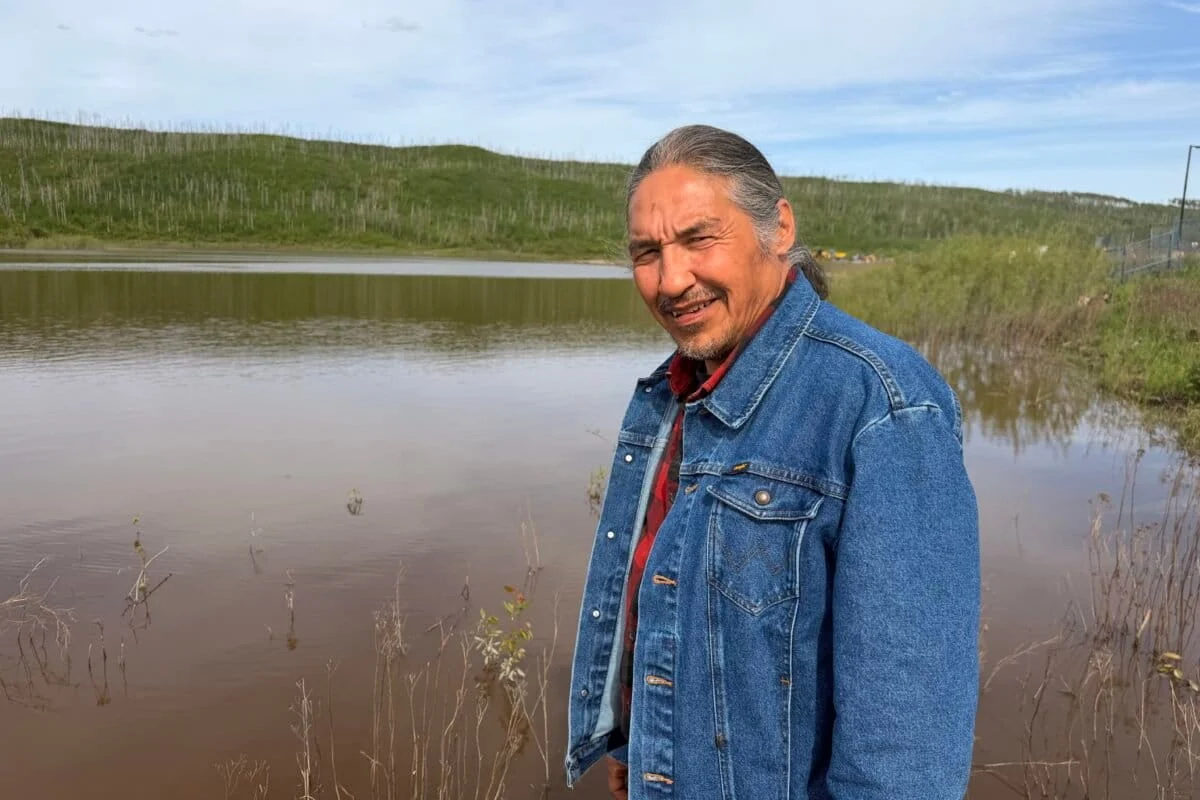
Chief Allan Adam of the ACFN has been vocal in his opposition, emphasizing that his mandate from his people does not include permitting the release of toxic waste into their ancestral waters. He has petitioned the federal government to intervene, demanding a rigorous, independent environmental impact assessment—a requirement that the provincial government has, notably, attempted to bypass.
The Geopolitical and Economic Context
The tension over the Athabasca River is occurring against a backdrop of regional political volatility. Alberta has recently experienced intense debate over its relationship with the Canadian federal government, with separatist sentiments fueled by perceived over-regulation of the energy sector. While a recent referendum on secession was rejected by voters, the political climate remains heavily influenced by the desire to fast-track fossil fuel infrastructure.
Prime Minister Mark Carney’s administration has, in practice, supported the expansion of the oil industry, fast-tracking pipelines and infrastructure projects despite the global push toward decarbonization. For many in the region, the oil sands represent an "extraction economy" that is too vital to the national GDP to curtail, a reality that leaves Indigenous communities in a position of forced negotiation rather than true self-determination.
Environmental Impact and Wildlife Mortality
The environmental toll of these tailings ponds extends beyond the potential for river contamination. The ponds are currently managed with sound cannons and motion sensors to deter migratory birds from landing on the toxic surface. Despite these measures, mass mortality events remain frequent. In 2025 alone, hundreds of birds were recorded dead upon contact with tailings waste.
Critics point out that the financial penalties for such environmental infractions are negligible for major corporations. Recent fines for large-scale leaks and wildlife deaths have amounted to fractions of a percent of annual net profits, leading many observers to conclude that such fines function more as a "cost of doing business" rather than an effective deterrent against environmental negligence.
Broader Implications for Indigenous Rights
The standoff highlights a systemic tension between the federal government’s obligations under Treaty Number 8—which guarantees the rights of First Nations to continue their traditional ways of life, including hunting and fishing—and the government’s desire to maintain Alberta’s status as a top-tier global oil producer.
The legal pathway ahead remains uncertain. If the federal government grants approval for the release of treated tailings, it is widely expected that the ACFN and other affected nations will initiate litigation based on the infringement of treaty rights and the failure of the government to uphold the Fisheries Act.
As the 10-year health study begins its data collection, the community of Fort Chipewyan remains in a state of suspended uncertainty. For the residents, the issue is not merely one of policy or economics; it is a question of survival. As Chief Allan Adam noted during his recent testimony, the community’s traditional reliance on the river is incompatible with the introduction of industrial waste, regardless of the treatment standards proposed by the industry. The outcome of the federal decision will serve as a definitive indicator of whether the Canadian government prioritizes the environmental health of its most vulnerable citizens or the continued expansion of its largest, and most carbon-intensive, industrial asset.