Arctic Warming Three Times Global Average, Weather Agency Reports
The Arctic region is experiencing a rate of warming approximately three times the global average, a stark warning issued by the World Meteorological Organization (WMO) that underscores the accelerating pace of climate change in Earth’s sensitive polar north. This amplified warming, often referred to as Arctic amplification, is not a future projection but a present reality, with profound implications for ecosystems, global weather patterns, and sea-level rise. The WMO’s latest assessment, drawing on extensive observational data and climate modeling, highlights a critical tipping point being approached, if not already crossed, in the Arctic. The implications of this rapid transformation extend far beyond the geographic boundaries of the Arctic, influencing weather systems and ocean currents across the planet. Understanding the drivers, manifestations, and consequences of this disproportionate warming is paramount for effective mitigation and adaptation strategies.
The phenomenon of Arctic amplification is a complex interplay of feedback loops that magnify the initial warming caused by increased greenhouse gas concentrations. The most significant of these is the ice-albedo feedback. As Arctic sea ice and snow cover melt, darker ocean water and land surfaces are exposed. These darker surfaces absorb more solar radiation than the reflective ice and snow, leading to further warming. This, in turn, causes more ice and snow to melt, creating a self-reinforcing cycle. The reduction in sea ice extent and thickness is particularly dramatic, with record low minimums observed in recent years. This loss of reflective ice exposes more of the ocean, which is a more efficient absorber of solar energy. Similarly, the thawing of permafrost, the permanently frozen ground covering vast areas of the Arctic, releases significant amounts of stored carbon in the form of carbon dioxide and methane, potent greenhouse gases that further contribute to warming. This permafrost thaw also destabilizes infrastructure and alters landscapes, impacting Arctic communities and wildlife.
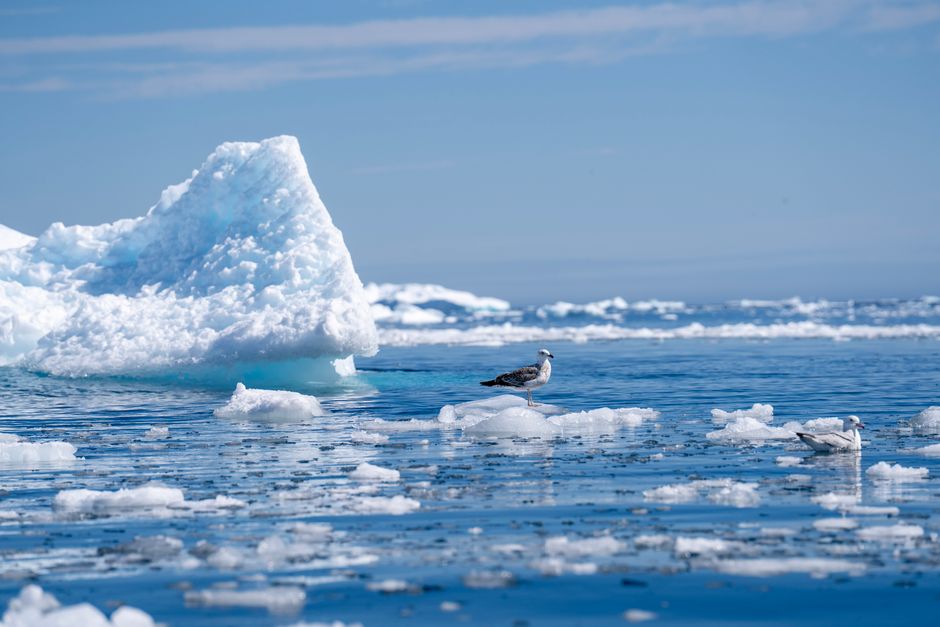
The direct consequences of this accelerated warming in the Arctic are multifaceted and severe. The most visible impact is the dramatic decline of sea ice. Not only is the extent of sea ice shrinking, but its thickness is also decreasing, with older, multi-year ice being replaced by thinner, first-year ice, which melts more readily. This loss of sea ice has profound implications for Arctic marine ecosystems, affecting species such as polar bears, seals, and walruses that rely on ice for hunting, breeding, and resting. The warming oceans are also leading to changes in fish populations, with some species migrating northward while others decline. On land, the thawing of permafrost is altering vegetation patterns, leading to the expansion of shrubs and trees into formerly tundra-dominated areas, a process known as shrubification. This change in vegetation can impact migratory bird patterns and the availability of food for herbivores like caribou and reindeer. The increased frequency and intensity of wildfires in the Arctic, fueled by warmer and drier conditions and increased vegetation, also contribute to permafrost thaw and carbon release.
Beyond the immediate Arctic environment, the amplified warming has significant global repercussions. Changes in Arctic sea ice cover are intrinsically linked to alterations in atmospheric circulation patterns, influencing the jet stream. A weaker and wavier jet stream, a consequence of the reduced temperature gradient between the Arctic and lower latitudes, is increasingly being associated with persistent weather patterns in mid-latitude regions. This can lead to prolonged periods of extreme weather events, such as heatwaves, droughts, intense rainfall, and severe cold snaps, across North America, Europe, and Asia. For instance, some research suggests a link between Arctic warming and more frequent or intense winter storms in certain regions. The melting of Arctic glaciers and the Greenland ice sheet also directly contributes to global sea-level rise. The sheer volume of ice locked in Greenland means that its accelerated melting poses a significant threat to coastal communities worldwide, increasing the risk of flooding, storm surges, and coastal erosion.
The WMO’s report underscores the urgency of addressing greenhouse gas emissions to mitigate the worst impacts of Arctic warming. While the Arctic is already experiencing warming at three times the global average, continued high emissions will lock in further warming and accelerate these devastating changes. Reducing global emissions is crucial to slow down and eventually stabilize Arctic temperatures. This requires a transition to renewable energy sources, improved energy efficiency, and sustainable land-use practices. Adaptation strategies are also essential to help Arctic communities and ecosystems cope with the changes that are already underway and those that are unavoidable. These strategies may include developing new infrastructure that can withstand thawing permafrost, implementing changes in traditional hunting and fishing practices to adapt to shifting wildlife populations, and investing in early warning systems for extreme weather events.
The scientific consensus on Arctic warming is robust, with numerous studies and observational datasets consistently pointing to the amplified rate of change. Satellite data, ground-based measurements, and climate models all corroborate the findings of the WMO. The Arctic is a bellwether for global climate change, and the rapid transformations occurring there serve as an undeniable indicator of the planet’s warming trajectory. The feedback mechanisms inherent in the Arctic system mean that even if global emissions were to cease tomorrow, some level of continued warming would still occur due to the inertia of the climate system and the lingering effects of past emissions. However, the magnitude and speed of future warming are directly tied to current and future emission rates. The WMO’s emphasis on the "three times global average" figure highlights the accelerated nature of this warming, signaling that the Arctic is not just warming faster but is doing so at a rate that significantly outpaces projections from earlier decades. This suggests that previous climate models may have underestimated the strength of certain feedback loops or the sensitivity of the Arctic system to anthropogenic forcing.
The economic and geopolitical implications of a rapidly warming Arctic are also considerable. The opening of Arctic shipping routes, such as the Northern Sea Route and the Northwest Passage, due to reduced sea ice, presents both opportunities and challenges. These routes could significantly shorten transit times for global trade, but they also raise concerns about increased shipping traffic, potential environmental risks from accidents and pollution, and the need for enhanced search and rescue capabilities in a remote and challenging environment. Increased accessibility to Arctic resources, including oil, gas, and minerals, also presents economic opportunities but raises further environmental concerns and potential for geopolitical tensions as nations vie for access and control. Indigenous communities in the Arctic, whose cultures and livelihoods are intrinsically linked to the environment, are on the front lines of these changes. Their traditional knowledge and practices are being challenged by the rapid environmental shifts, and their voices must be central to any discussions and decisions regarding the future of the Arctic.
The WMO’s report serves as a critical reminder that the Arctic is a vital component of the Earth’s climate system. Changes in the Arctic do not occur in isolation; they have cascading effects across the globe. The amplified warming observed in the Arctic is a symptom of a larger global problem, driven by human activities. The scientific community’s consistent warnings, now amplified by the WMO’s stark reporting on the rate of Arctic warming, demand immediate and decisive action. The Arctic is a critical indicator of our planet’s health, and its current trajectory is a cause for profound concern. The data presented by the WMO underscores the imperative for a globally coordinated response to climate change, one that prioritizes emissions reductions, invests in adaptation, and recognizes the interconnectedness of all Earth’s systems. The future habitability of the planet, and the well-being of its inhabitants, depends on our collective ability to heed these urgent warnings and enact meaningful change. The window of opportunity to avert the most catastrophic consequences of Arctic warming is rapidly closing, making decisive and immediate global action an absolute necessity.
