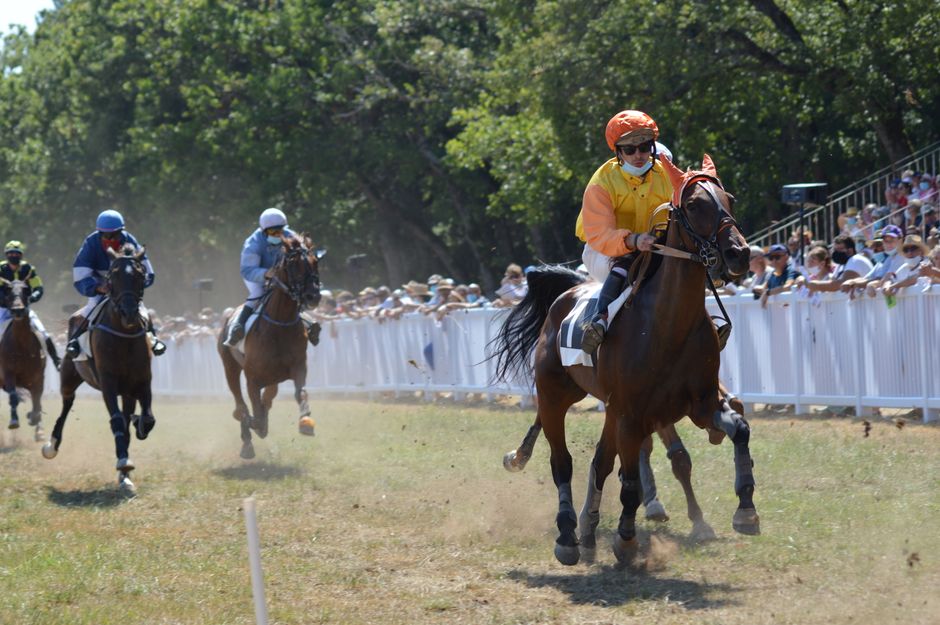
The Thrill of the Track: A Comprehensive Guide to Horse Racing Categories
Horse racing, a sport steeped in tradition and electrifying athleticism, encompasses a diverse array of disciplines, each with its unique set of rules, horses, and betting strategies. Understanding these categories is paramount for any enthusiast, whether a seasoned bettor or a newcomer captivated by the thunder of hooves. This article delves into the primary classifications of horse racing, providing an SEO-friendly exploration of the key elements that define each discipline.
The most fundamental distinction in horse racing lies between Flat Racing and Jump Racing. Flat racing, arguably the most globally recognized form, involves horses competing over a set distance on a level, unobstructed track. It emphasizes pure speed, stamina, and tactical riding. Jump racing, conversely, introduces an element of raw courage and agility, as horses and jockeys navigate a course dotted with obstacles. Within these broad categories, further specializations emerge, dictated by the type of horse, the race distance, and the specific challenges presented.
Flat Racing Disciplines:
Flat racing is further segmented based on the age and sex of the horses competing, as well as the distance of the race. These distinctions ensure fair competition and cater to the varying developmental stages and racing aptitudes of equine athletes.
Thoroughbred Racing: This is the most prominent form of flat racing, featuring the highly specialized Thoroughbred breed, renowned for its speed, stamina, and spirit. Thoroughbred races are typically classified by the age and sex of the horses and the distance.
-
Two-Year-Old Races: These races, often referred to as "juvenile" races, are the starting point for many aspiring champions. They are contested over shorter distances, typically from 4 to 6 furlongs (approximately 800 to 1200 meters). These races are crucial for identifying early talent and can be volatile due to the relative inexperience of the participants. Key races include the Breeders’ Cup Juvenile (USA), the Group 1 Dewhurst Stakes (UK), and the Group 1 Prix Morny (France). Betting on these races requires a keen eye for early maturing horses with good pedigrees.
-
Three-Year-Old Races (Classics): The pinnacle of the flat racing season for three-year-olds are the "Classic" races. These are prestigious events that often define a horse’s legacy. They are contested over longer distances than two-year-old races, testing both speed and stamina. The most famous Triple Crowns (a series of three classic races) are the English Triple Crown (2000 Guineas, Derby, St. Leger) and the American Triple Crown (Kentucky Derby, Preakness Stakes, Belmont Stakes). Other notable three-year-old classics include the French Oaks (Prix de Diane), the Irish Derby, and the German Derby. Betting on these races is highly competitive, with extensive form guides and expert analysis available.
-
Older Horse Races (4 Years and Upwards): Once horses pass their third birthday, they compete in races categorized by weight handicaps or set weights, and by distance.
-
Sprint Races: These races are for horses excelling over short distances, typically ranging from 5 to 7 furlongs (approximately 1000 to 1400 meters). They are characterized by blistering early speed and fierce finishes. Notable sprint races include the Group 1 King’s Stand Stakes (UK), the Group 1 Nunthorpe Stakes (UK), and the Breeders’ Cup Sprint (USA). Successful sprint handicappers often possess explosive acceleration and a low racing weight.
-
Middledistance Races: These races cover distances from 8 furlongs to 1 mile 4 furlongs (approximately 1600 to 2800 meters). They require a blend of speed and stamina. Major middledistance races include the Group 1 Queen Anne Stakes (UK), the Group 1 Prince of Wales’s Stakes (UK), the Prix d’Ispahan (France), and the Dubai Turf (UAE). Handicapping these races involves assessing a horse’s ability to maintain a strong pace over a significant distance.
-
Stamina Races (Long Distance/Cup Races): These races test a horse’s endurance over distances exceeding 1 mile 4 furlongs, often up to 2 miles or more (approximately 2800 to 3200+ meters). These races are often referred to as "handicaps" or "cup races." Iconic stamina races include the Group 1 Melbourne Cup (Australia), the Group 1 Prix du Cadran (France), the Group 1 Ascot Gold Cup (UK), and the Breeders’ Cup Marathon (USA). Betting on these endurance tests requires an understanding of a horse’s ability to run strongly at a consistent pace for an extended period, often with significant weight assignments in handicap races.
-
-
Handicap Races: A significant segment of flat racing involves handicap races. In these events, a handicapper assigns weights to each horse based on their perceived ability. The aim is to equalize the chances of all runners, theoretically making every horse a potential winner. Horses that have performed well in the past will carry more weight, while those with less impressive form will carry less. Handicap races are incredibly popular with bettors due to the perceived competitive nature and often higher odds available. Successful handicap betting requires a deep understanding of handicapping principles, horse form, and trainer tendencies.
-
Weight-for-Age (WFA) Races: In WFA races, the weight carried is determined by the horse’s age and sex, with allowances made for younger or female horses. This system is designed to allow horses of different ages to compete on a more level playing field, without the complex adjustments of handicaps. These races are often considered the purest test of a horse’s innate ability.
Jump Racing Disciplines:
Jump racing is a thrilling spectacle that demands bravery, athleticism, and a strong partnership between horse and jockey. The presence of obstacles adds a significant layer of complexity and excitement.
-
Steeplechase Racing: This is the most demanding form of jump racing, featuring a long course with a variety of substantial obstacles, including fences, ditches, and water jumps. Steeplechases test a horse’s stamina, jumping prowess, and courage over extended distances, often exceeding 3 miles (4800 meters). The Grand National (UK) is the most famous and arguably the most challenging steeplechase in the world, renowned for its intimidating fences and large field of runners. Other significant steeplechases include the Cheltenham Gold Cup (UK), the Scottish Grand National (UK), and the Aintree Grand National (UK). Betting on steeplechases requires an assessment of a horse’s jumping technique, ability to handle specific types of fences, and stamina over long distances.
-
Hurdle Racing: Hurdle races are contested over shorter distances than steeplechases and feature smaller, less formidable obstacles called hurdles. These races typically range from 2 miles to 3 miles (3200 to 4800 meters). Hurdle racing emphasizes speed and agility over fences, making it a faster-paced discipline than steeplechasing. The Champion Hurdle (UK) is the most prestigious hurdle race. Betting on hurdle races often focuses on horses with good speed and a clean jumping style.
-
National Hunt Flat Races (Bumpers): These are flat races run under National Hunt rules, meaning they are typically for horses that are being aimed at jump racing careers in the future. They are essentially flat races designed to give younger horses experience before they tackle hurdles or fences. While they don’t involve obstacles, they are part of the National Hunt calendar.
Other Notable Categories and Considerations:
Beyond the primary flat and jump racing distinctions, several other factors shape the world of horse racing:
-
Breed-Specific Racing: While Thoroughbreds dominate flat and jump racing, other breeds have their specialized racing disciplines:
- Quarter Horse Racing: Primarily in North America, Quarter Horses excel at short sprints, particularly over distances of a quarter mile or less. They are known for their explosive acceleration.
- Standardbred Racing (Harness Racing): This involves horses pulling a sulky (a two-wheeled cart) with a driver. Standardbreds race at a trot or a pace, with distinct gaits and techniques. This is a globally popular form of racing with its own unique betting markets.
-
Track Surface: The type of track surface significantly influences a horse’s performance.
- Turf Tracks: The traditional and most common surface, offering a natural and often yielding going.
- Dirt Tracks: Prevalent in North America, these tracks are harder and faster, favoring horses with good speed and a strong kick.
- All-Weather Tracks (Synthetic): These tracks, such as Polytrack or Tapeta, offer a consistent surface regardless of weather conditions, providing an alternative to turf and dirt.
-
Jockey and Trainer Influence: The skill of the jockey and the training regime of the trainer are crucial variables. Experienced jockeys can extract maximum performance from their mounts, while astute trainers can prepare horses to peak for specific races. Form analysis often heavily weighs the records of both the jockey and the trainer.
-
Betting Markets: Each category of horse racing offers a variety of betting markets, from simple win, place, and show bets to more complex exotics like exacta, trifecta, and superfecta. Understanding the nuances of these markets is essential for maximizing betting potential. Different racing categories may lend themselves to different betting strategies; for instance, the unpredictability of large handicap fields can offer value, while the dominance of certain horses in weight-for-age races might suggest staking on favorites.
In conclusion, the world of horse racing is a multifaceted tapestry of disciplines, each demanding unique skills from horse and rider. From the raw speed of flat sprints to the courageous leaps of jump races, understanding these categories is the key to appreciating the sport’s depth and unlocking its betting potential. A comprehensive understanding of the horse’s breed, age, sex, the race distance, the track surface, and the specific challenges of each racing category will empower enthusiasts to navigate the exciting and often lucrative landscape of the turf.
