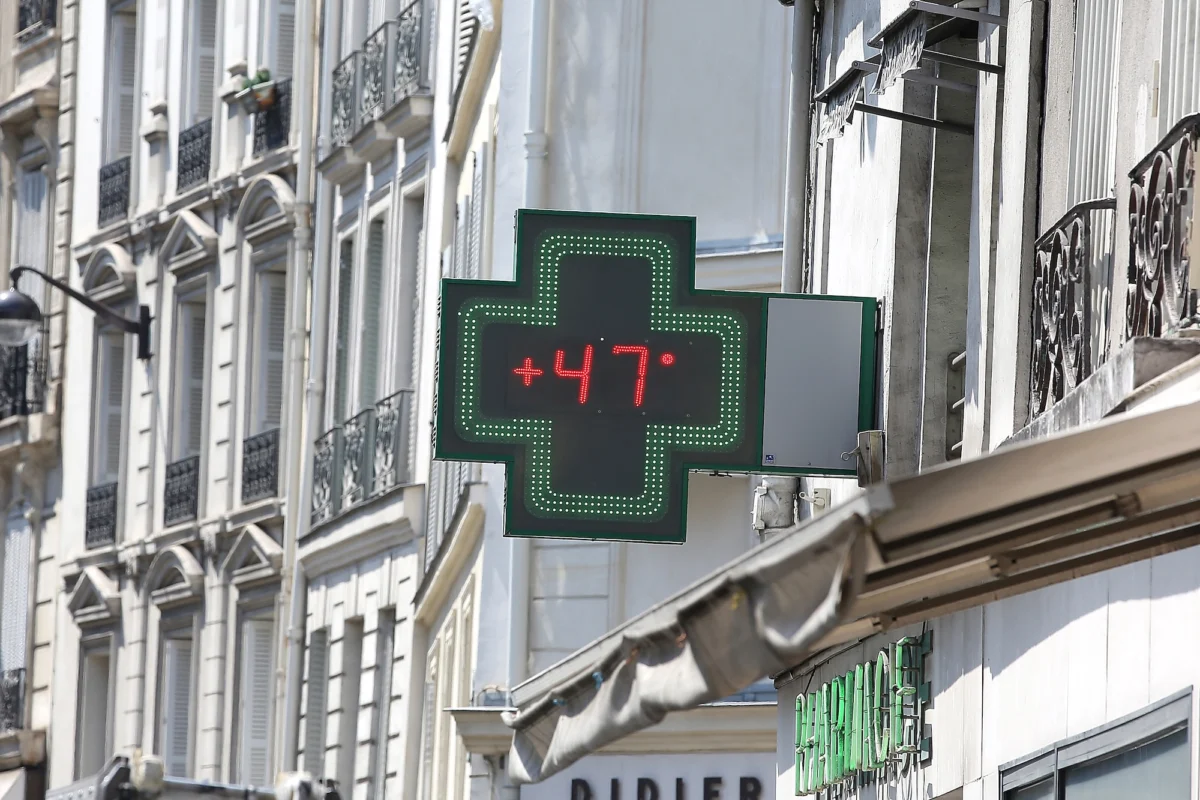
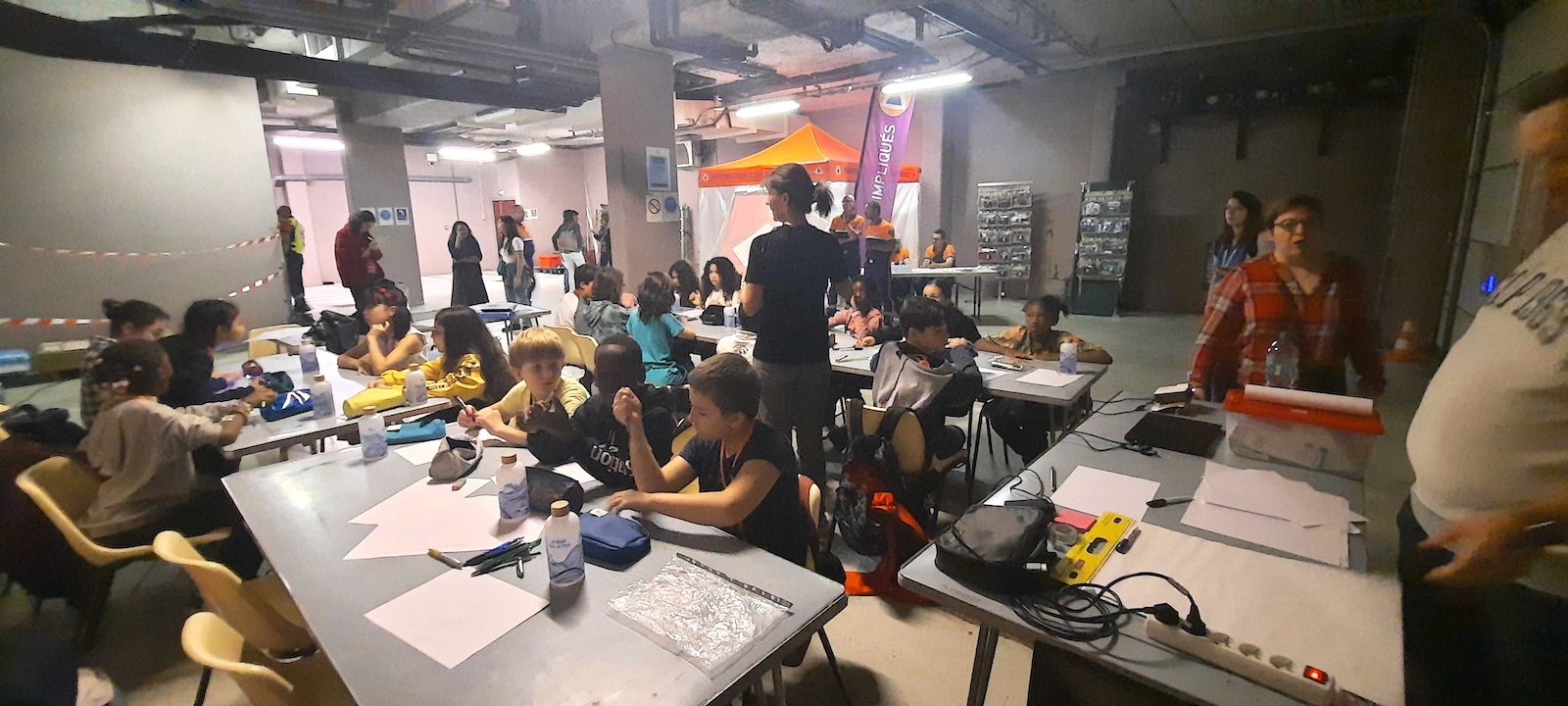
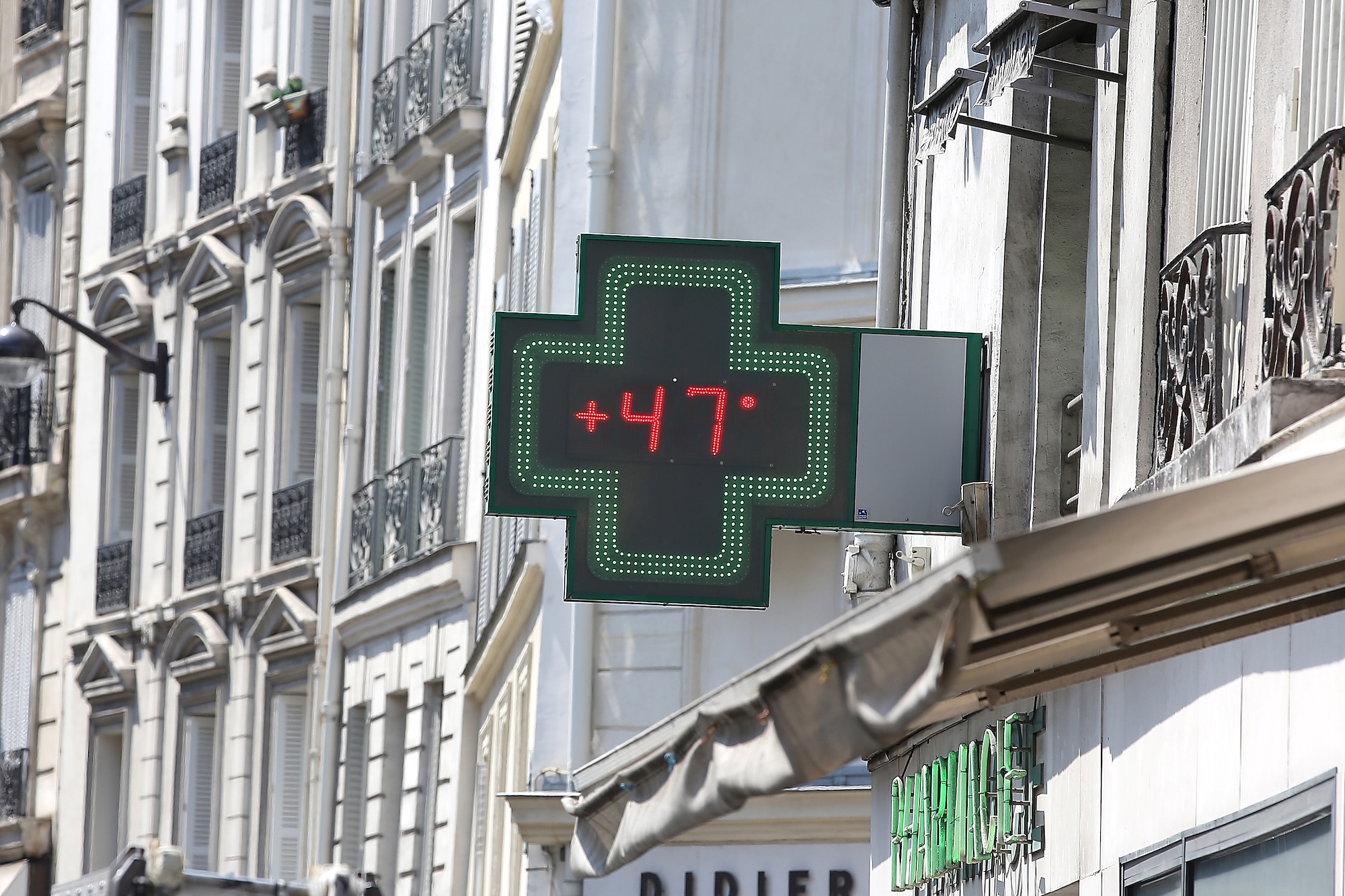
On a temperate Friday afternoon in October 2023, approximately 70 schoolchildren descended into the subterranean depths of southern Paris. They entered a segment of the Petite Ceinture, an abandoned circular railway that has been reclaimed by nature and silence. Inside the tunnel, the air remained a constant 18 degrees Celsius (64 degrees Fahrenheit), providing a stark, cool contrast to the theoretical catastrophe being staged above ground. This exercise, known as "Paris at 50°C," was not merely a field trip; it was a high-stakes rehearsal for a future where the French capital reaches 122 degrees Fahrenheit—a temperature that scientists warn could become a reality by the end of the century.
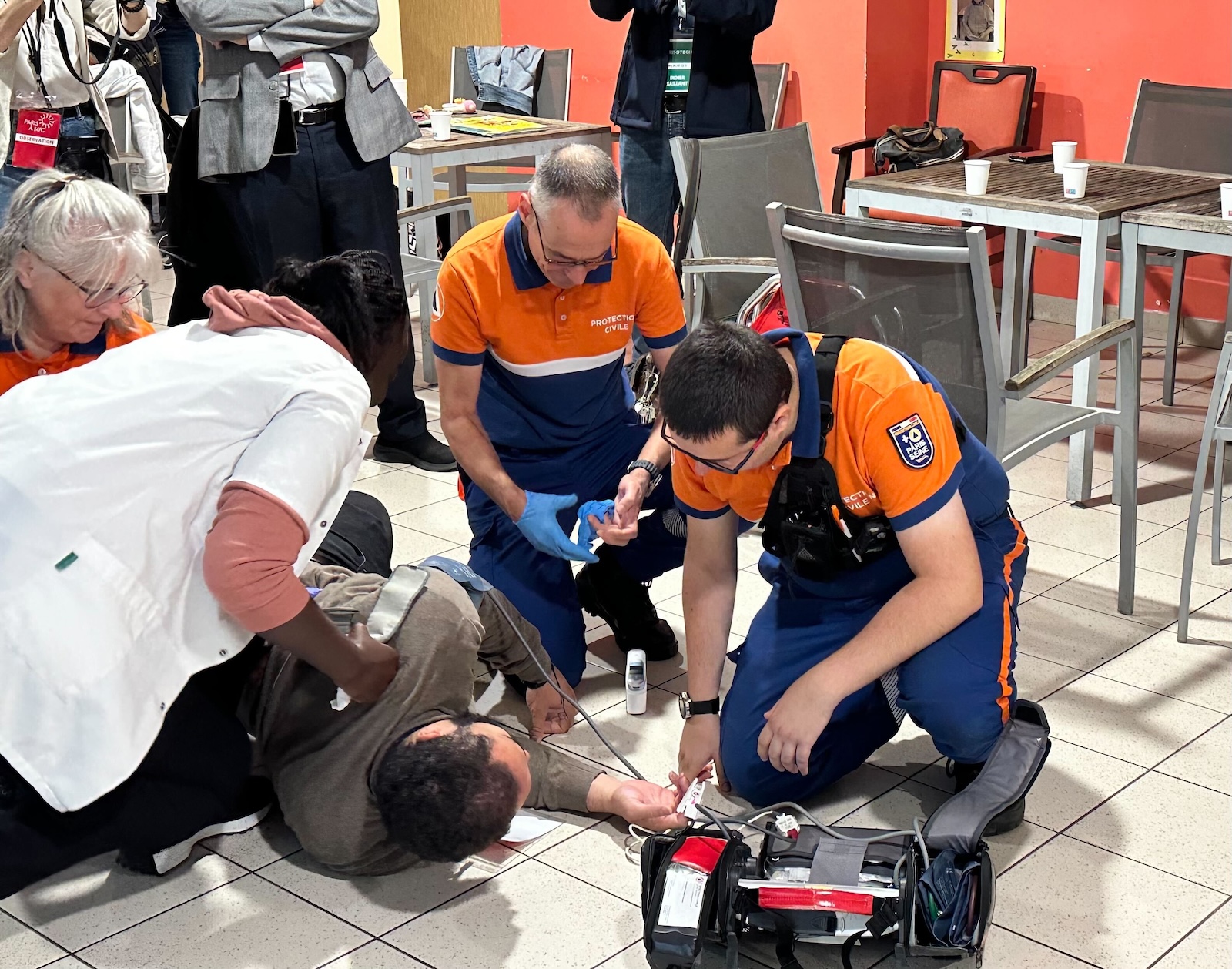
Under the dim lights of the tunnel, the children acted out grim scenarios. Some simulated the symptoms of food poisoning from spoiled perishables following a simulated power grid failure. Others mimicked the effects of carbon monoxide poisoning from faulty emergency generators. In the background, Red Cross volunteers and emergency medical personnel practiced the harrowing art of triage, deciding which "victims" to prioritize as hospitals reached their breaking points. Surrounding them were firefighters, city officials, and educators, all working to navigate the logistical chaos of a heatwave that would be unprecedented in duration and intensity.

The Scientific Imperative for Resilience
The Paris exercise was born from a sobering scientific consensus. While the city’s current record high stands at 42.6°C (108.7°F), recorded in July 2019, modeling from the Île-de-France Regional Climate Change Expertise Group suggests that a 50°C (122°F) event is no longer a matter of "if" but "when." Current projections indicate that without drastic global emissions reductions, European cities could see temperatures rise by 2.8 to 3.3 degrees Celsius above pre-industrial levels, pushing urban environments into "lethal heat" territory by 2100.
The threat is not localized to France. According to data from C40, a global network of mayors focused on climate action, more than 1.6 billion people across nearly 1,000 cities will be regularly exposed to extreme heat by 2050. The World Health Organization (WHO) currently attributes roughly 500,000 deaths annually to heat-related causes. These fatalities often stem from the body’s inability to regulate its internal temperature, leading to heatstroke, organ failure, and the exacerbation of chronic heart and kidney diseases.
Chronology of a Crisis Simulation
The "Paris at 50°C" drill was the culmination of 18 months of intensive planning led by Pénélope Komitès, the city’s deputy mayor in charge of resilience. The simulation was designed by Crisotech, a consultancy specializing in crisis management, which spent nine months developing a dozen specific failure scenarios.
The simulation followed a structured two-day timeline:
- Day One: Field Drills. This involved the active role-playing seen in the Petite Ceinture and other locations. It was designed to test the "human element"—how citizens react and how first responders manage public panic and medical emergencies in real-time.
- Day Two: Tabletop Exercises. City leaders, utility providers, and transit officials met to analyze "cascading impacts." These are the secondary and tertiary failures that occur when one system breaks, such as power outages leading to water pump failures, or rail tracks warping ("sun kinks") and paralyzing the transport of medical staff.
The event cost approximately €200,000 ($216,000) and involved more than 100 organizations, including nonprofits, national health agencies, and the private sector. Paris took the unprecedented step of involving ordinary citizens and children in the drills, a move designed to demystify the crisis and foster a culture of community preparedness.
Assessing the Vulnerability of Urban Infrastructure
A primary goal of these simulations is to identify the "breaking point" of physical infrastructure. In extreme heat, the mechanical and structural integrity of a city is tested to its limits. Engineers participating in such drills often focus on:
- Transport Networks: Steel rail tracks can expand and buckle at high temperatures, causing derailments or necessitating service shutdowns.
- Energy Grids: As air conditioning demand surges, transformers can overheat and fail, leading to localized or city-wide blackouts.
- Healthcare Logistics: Dr. Satchit Balsari, a professor of emergency medicine at Harvard Medical School, notes that the physical logistics of cooling a patient are often overlooked. "How do you take a large human body and put it in ice? Is there a bucket that big? The answer is no. Is it a body bag? Where do you get all this ice?" he questioned, highlighting the need for specific, tested protocols.
- Waste Management: In Barcelona, officials are currently analyzing whether waste collection trucks—and the workers who operate them—can function at 40°C or 50°C without mechanical failure or human collapse.
Global Adoption: From Phoenix to Taipei
As the reality of a warming world sets in, heat simulations are becoming a standard part of the municipal toolkit worldwide.
In the United States, the city of Phoenix, Arizona, established a dedicated Office of Heat Response and Mitigation after an exercise revealed significant gaps in departmental coordination. Phoenix now operates as a global model for "heat governance," treating extreme temperatures as a perennial disaster rather than a seasonal inconvenience.
In Taiwan, the national government is expanding simulations beyond city limits. Ken-Mu Chang, deputy director general of the Climate Change Administration, noted that Taiwan conducted a tabletop exercise in 2023 and has scheduled a live simulation for July 2024. The Taiwanese approach focuses on the friction between local and national agencies, ensuring that when the power grid fails in a 40°C (104°F) heatwave, the chain of command is clear and resilient.
Barcelona, Spain, is also adapting the Parisian model. Located in the Mediterranean basin, which is warming 20 percent faster than the global average, Barcelona is projected to be one of the European cities most affected by heat-related mortality. Irma Ventayol, head of Barcelona’s climate change department, is overseeing a simulation designed to create a "scalable methodology" that can be shared with other Mediterranean cities facing similar existential threats.
From Simulation to Policy: The Paris 2030 Plan
The Paris simulation was not merely a theatrical exercise; it resulted in 50 concrete recommendations that have been integrated into the city’s 2024–2030 Climate Action Plan. The findings shifted the focus from reactive emergency response to proactive urban transformation.
Key initiatives now underway in Paris include:

- Thermal Insulation: A massive program to retrofit thousands of homes to maintain cooler internal temperatures without relying solely on energy-intensive air conditioning.
- "Urban Forests": The removal of asphalt parking spaces and their replacement with permeable surfaces and trees. Over 15,000 trees were planted in the winter following the simulation.
- Public Cooling Hubs: The permanent opening of bathing spots in the Seine River and the creation of "cool islands" throughout the city’s densest neighborhoods.
- The Campus of Resilience: Opened in March 2024, this center serves as a permanent training ground for both officials and the public, offering workshops on recognizing heatstroke and implementing community-based aid.
The Role of the "Heat Officer"
The rise of these simulations has coincided with a new administrative trend: the Chief Heat Officer (CHO). Cities like Athens, Melbourne, and Freetown have appointed specialized officials to break down the "silos" of municipal government. Traditionally, heat was a health issue for some departments and an energy issue for others. The CHO role ensures that heat resilience is baked into every aspect of urban planning, from the color of roof tiles to the scheduling of outdoor labor.
Cassie Sunderland, managing director of climate solutions at C40, argues that while simulations are vital for emergency readiness, they must be paired with long-term cooling strategies. "True resilience requires changes that cool the city itself—increasing the canopy cover, reducing the ‘urban heat island’ effect, and transitioning away from the fossil fuels that are driving these extremes," she stated.
Conclusion: Preparing the Public for a New Reality
Perhaps the most significant takeaway from the Paris simulation was the realization of how unprepared the general public remains. Pénélope Komitès emphasized that the pandemic provided a crucial lesson: well-informed communities are more resilient. If citizens know how to pre-cool their homes, recognize the early signs of dehydration, and check on vulnerable neighbors, the burden on emergency services is significantly reduced.

As cities like Paris, Barcelona, and Taipei continue to refine their "battle plans" for a 50°C future, the goal remains to turn "unthinkable" scenarios into manageable ones. By stress-testing their systems today, these urban centers hope to ensure that when the mercury inevitably rises, the city—and its people—will not break.