The 27th annual State of the Air report by the American Lung Association has revealed a sobering reality for the youngest residents of the United States: nearly half of the nation’s children are currently breathing air that reaches dangerous or failing levels of pollution. According to the comprehensive study, which analyzed quality-assured data from 2022 to 2024, approximately 33.5 million children—representing 46 percent of the population under the age of 18—reside in counties that received a failing grade for at least one of the three primary measures of air quality. Even more concerning is the finding that 7 million children, or roughly one in ten, live in communities that failed all three metrics: year-round particle pollution, short-term spikes in particle pollution, and ground-level ozone, commonly known as smog.
The release of this data comes at a critical juncture in American environmental policy. As the American Lung Association (ALA) sounds the alarm on deteriorating air quality, the federal government under the Trump administration has initiated an expansive series of regulatory rollbacks. Experts and public health advocates warn that these policy shifts, which include weakening emissions standards for power plants and vehicles, could exacerbate an already precarious situation for the nation’s most vulnerable lungs.
The Biological Vulnerability of Children
The health implications of these findings are profound, particularly given the physiological differences between children and adults. Will Barrett, the assistant vice president of the ALA’s Nationwide Clean Air Policy, emphasizes that children are not merely "small adults" when it comes to respiratory health. Because their lungs are still in a state of active development, children breathe more air per pound of body weight than adults do.
Furthermore, children are more likely to spend extended periods outdoors and engage in vigorous physical activity, which increases their total intake of ambient pollutants. Exposure to high levels of ozone and particulate matter (soot) during these formative years can lead to permanent developmental harm. Medical research cited by the ALA suggests that chronic exposure to poor air quality is a direct contributor to the development of pediatric asthma, increased frequency of respiratory infections, and a higher risk of cardiovascular and pulmonary complications later in life.
A Growing Crisis: Smog and Particulate Matter
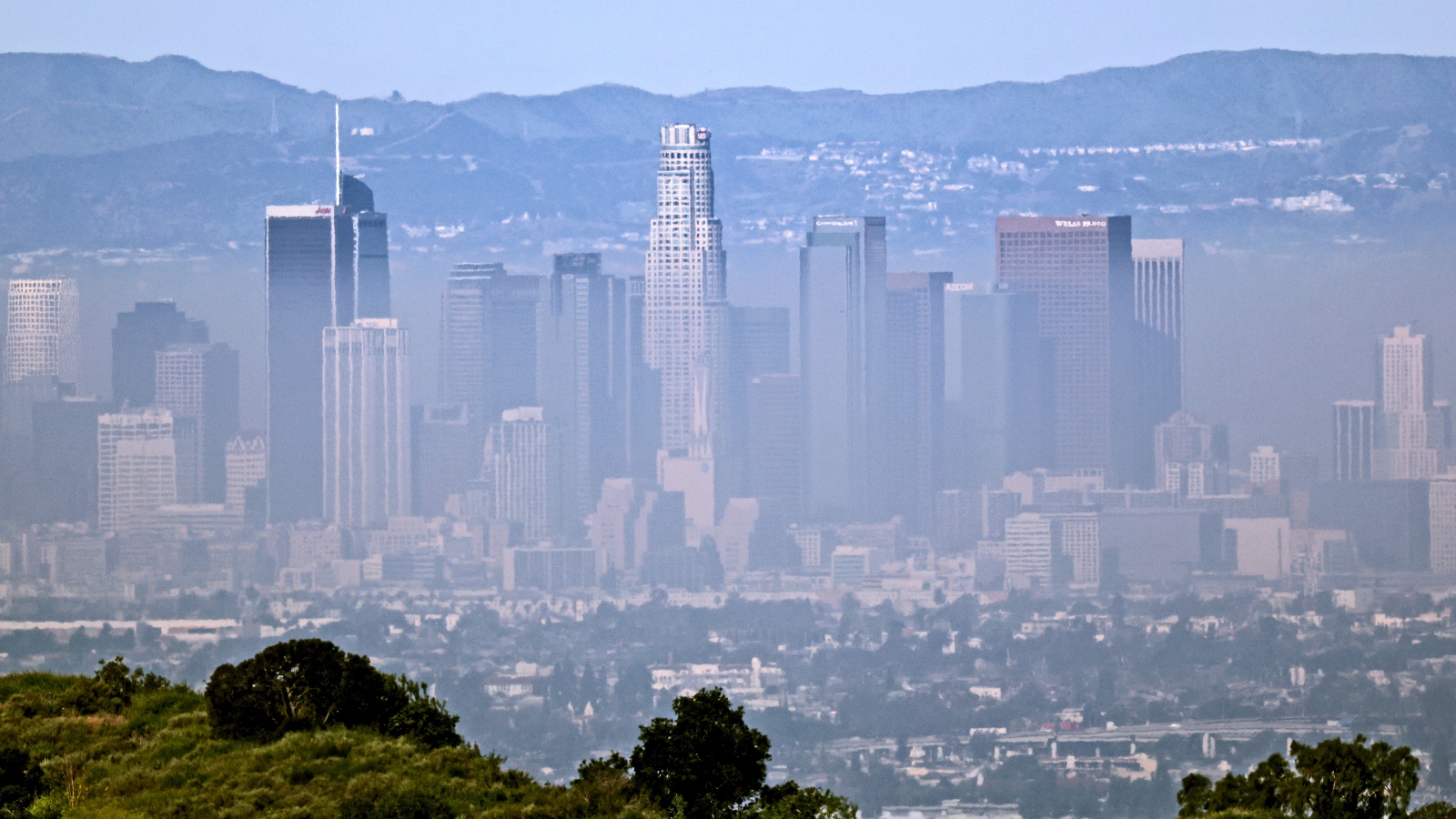
The ALA report evaluates air quality through three specific lenses: ground-level ozone, short-term particle pollution, and year-round particle pollution. Ozone, a powerful respiratory irritant, remains the most widespread threat. Between 2022 and 2024, 129.1 million Americans—approximately 38 percent of the total population—were exposed to unhealthy ozone levels. This figure represents an increase of 3.9 million people over the previous year’s report and marks the highest number recorded by the ALA in six years.
The rise in ozone is inextricably linked to the changing climate. Ozone is formed when nitrogen oxides and volatile organic compounds react in the presence of sunlight. As global temperatures rise and heatwaves become more frequent and intense, the atmospheric conditions for ozone formation are optimized. Drought conditions and lower wind speeds further trap these pollutants near the ground, creating a "smog blanket" over major metropolitan areas and rural regions alike.
Particle pollution, or soot, is equally hazardous. These microscopic particles, often measuring less than 2.5 microns in diameter (PM2.5), are small enough to bypass the body’s natural defenses, entering the bloodstream and traveling to vital organs. The report notes that while some regions have seen improvements due to the transition away from coal, these gains are being offset by the increasing frequency of catastrophic wildfires.
The Environmental Justice Gap
One of the most striking findings of the report is the persistent and widening gap in pollution exposure based on race and socioeconomic status. Although people of color make up 42.1 percent of the U.S. population, they represent 54.2 percent of those living in counties with at least one failing grade. The disparity is even more pronounced in the most polluted areas; a person of color is 2.42 times more likely than a white person to live in a community that fails all three pollution measures.
This phenomenon, often referred to as environmental racism, is the result of decades of discriminatory zoning, redlining, and the disproportionate placement of industrial facilities and highways in minority neighborhoods. As a result, these communities are more likely to suffer from "pre-existing" vulnerabilities, such as higher rates of asthma, diabetes, and heart disease, which are then further aggravated by the very pollution that helped cause them.
The Impact of Wildfires and Transboundary Pollution
The reporting period of 2022 to 2024 was marked by unprecedented wildfire activity, particularly the massive 2023 wildfire season in Canada. Smoke from these fires crossed the border, blanketing the U.S. Midwest and Northeast in a hazardous haze that broke historical records for particulate matter concentrations.
These events underscore a new reality in air quality management: local and state regulations are increasingly insufficient against the transboundary nature of climate-driven pollution. Even cities with stringent local emissions controls found their air quality plummeted to "hazardous" levels on the Air Quality Index (AQI) due to smoke originating thousands of miles away. The ALA notes that without aggressive federal and international action to mitigate climate change, these "smoke days" will become a permanent fixture of the American summer and fall.
New Frontiers of Pollution: The AI and Data Center Boom
A significant enrichment to this year’s report is the inclusion of data centers as a burgeoning source of air pollution. As the demand for Artificial Intelligence (AI) and cloud computing skyrockets, data centers have become massive consumers of energy, currently accounting for 4.4 percent of total U.S. electricity usage. This figure is projected to climb as high as 12 percent within the next decade.
The environmental footprint of these facilities is twofold. First, they place immense strain on regional electricity grids, often necessitating the continued operation of fossil-fuel-burning power plants (methane gas and coal) to meet demand. Second, data centers typically employ large arrays of diesel-powered backup generators to ensure uninterrupted service. These generators emit high levels of nitrogen oxides and carcinogenic particulate matter directly into the local atmosphere. The ALA advocates for a transition toward non-combustion, renewable energy sources to power this digital infrastructure, ensuring that technological progress does not come at the expense of public health.
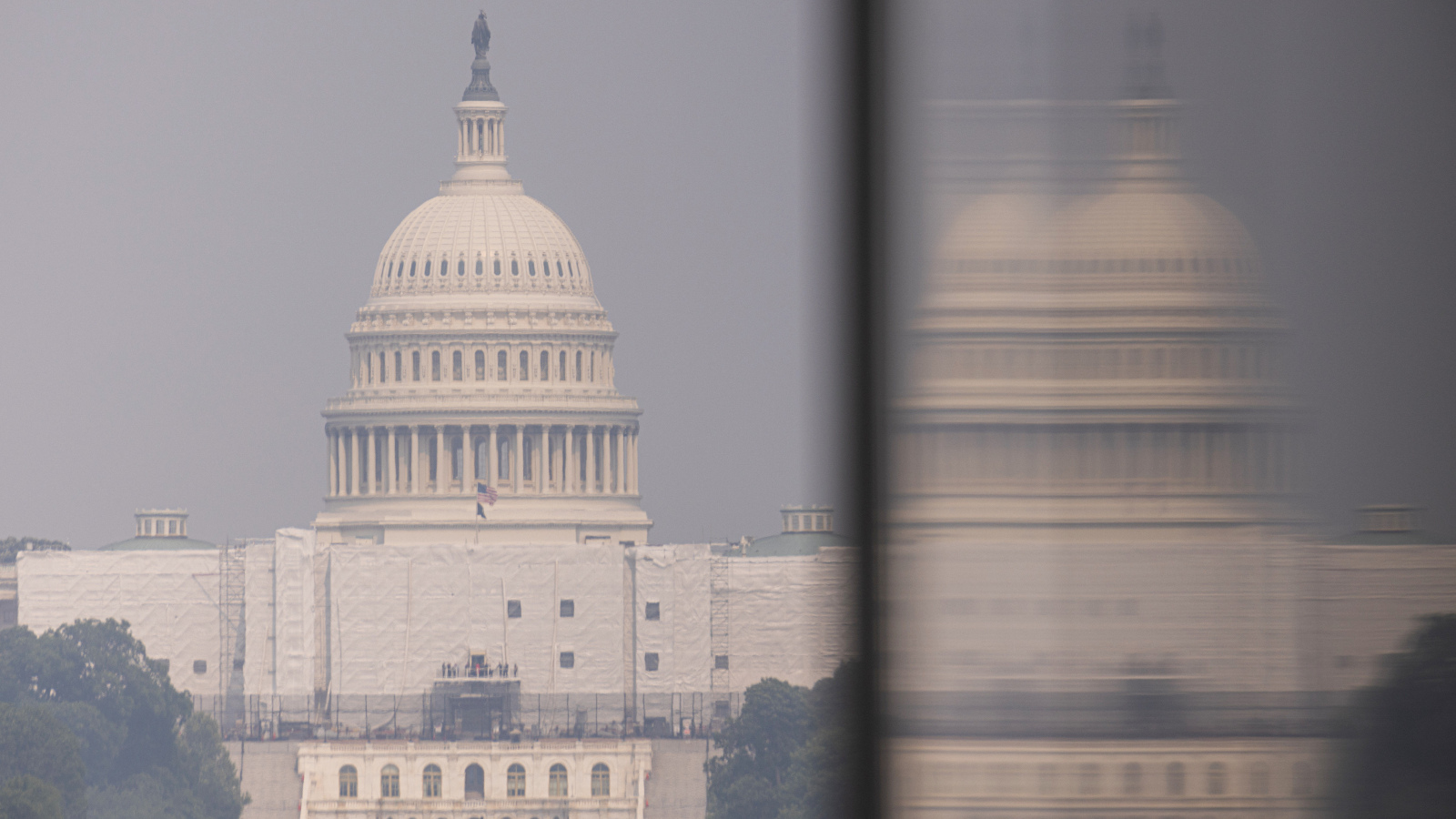
The Regulatory Rollback: A Timeline of De-protection
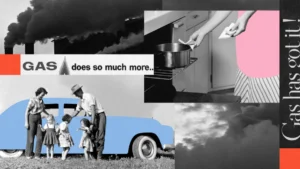
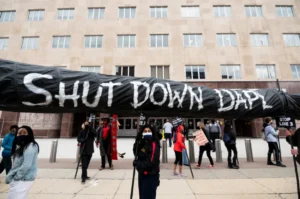
The American Lung Association’s report serves as a direct critique of the current administration’s environmental agenda. Since returning to the White House, the Trump administration has initiated at least 70 distinct actions aimed at dismantling environmental and climate protections.
Key rollbacks highlighted by experts include:
- Mercury and Air Toxics Standards (MATS): The loosening of regulations on power plants that limit the emission of mercury—a potent neurotoxin—and other hazardous air pollutants.
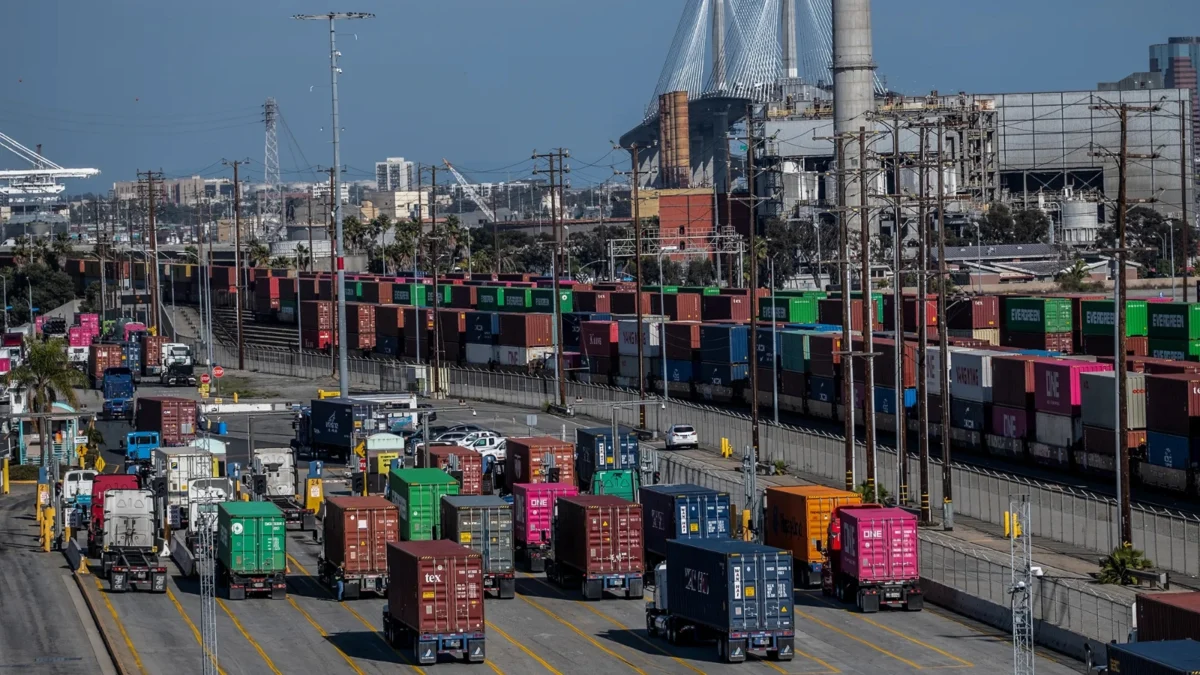
- Vehicle Emission Standards: The repeal of stringent fuel economy and tailpipe emission standards for passenger cars and heavy-duty trucks, which are primary sources of nitrogen oxides and carbon dioxide.
- The Methane Rule: The easing of requirements for oil and gas facilities to monitor and repair methane leaks, a major contributor to both ozone formation and global warming.
- Scientific Advisory Boards: The disbanding of EPA advisory committees composed of independent scientists who provide the technical expertise necessary to set health-based air quality standards.
Perhaps most controversial is the administrative shift in how the EPA calculates the "value" of human life. The current administration has moved to end the practice of estimating the monetary value of lives saved by limiting fine particulate matter and ozone. By ignoring the economic benefits of reduced hospitalizations and avoided deaths while still tallying the compliance costs for corporations, the administration has fundamentally altered the cost-benefit analysis used to justify environmental regulations.
Economic and Societal Implications
The failure to maintain clean air carries a heavy economic price tag. Public health experts point out that the costs of treating chronic respiratory illnesses, lost school days for children, and decreased workplace productivity far outweigh the savings companies gain from reduced regulatory oversight.
A fact-based analysis of the implications suggests that if current trends continue, the U.S. could see a reversal of the public health gains achieved since the passage of the Clean Air Act in 1970. The ALA report warns of a "devaluing of children’s health," suggesting that the long-term societal cost of a generation raised in smog-heavy environments will be measured in trillions of dollars in healthcare expenditures and a less healthy, less resilient workforce.
Chronology of Air Quality Protection in the United States
To understand the gravity of the current situation, it is necessary to view it within the historical context of American environmental law:
- 1970: The Clean Air Act is signed into law, establishing the EPA and setting national standards for major pollutants.
- 1990: Major amendments to the Clean Air Act address acid rain, ozone depletion, and toxic air pollution.
- 2011-2015: The Obama administration introduces the Cross-State Air Pollution Rule and the Clean Power Plan to target emissions from power plants.
- 2017-2020: The first Trump administration initiates the first wave of rollbacks, many of which were later challenged or reinstated during the Biden term.
- 2022-2024: Record-breaking heat and wildfires coincide with a new era of deregulation, leading to the failing grades documented in the 27th ALA report.
As the nation looks toward the future, the ALA report serves as both a diagnosis and a warning. The intersection of a warming planet, a booming high-tech energy demand, and a diminishing regulatory framework has created a "perfect storm" for air quality. For the 33.5 million children breathing failing air, the stakes of these policy debates are not theoretical—they are written in every breath they take.