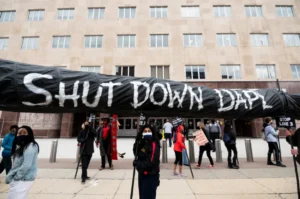
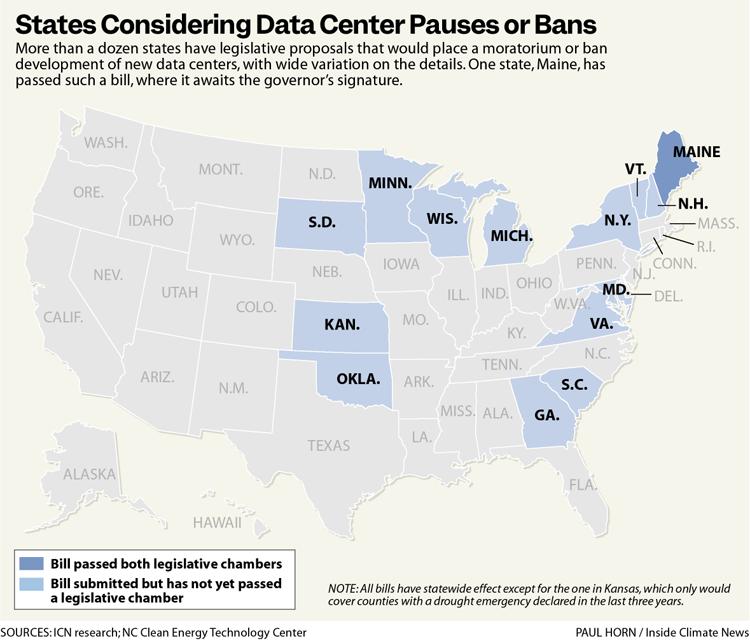
In a move that signals a significant shift in how states manage the physical infrastructure of the digital age, Maine has become the first state in the nation to pass a legislative moratorium on the development of large-scale data centers. The state’s House and Senate recently approved LD 307, a landmark piece of legislation that prohibits state and local government entities from approving any data center projects with an electricity demand of 20 megawatts or greater. This pause is scheduled to remain in effect until at least October 2027, providing a three-year window for the state to evaluate the long-term impacts of these energy-intensive facilities on Maine’s power grid, environment, and local economies.
The bill now sits on the desk of Governor Janet Mills. While the Governor has not yet publicly committed to signing the legislation, the decisive votes in both chambers—79-62 in the House and 21-13 in the Senate—reflect a growing sense of urgency among lawmakers to establish a regulatory framework before the global artificial intelligence boom brings "hyperscale" facilities to the Pine Tree State.
The Legislative Framework and the 20-Megawatt Threshold
LD 307 is not an outright ban but a strategic pause. By setting the threshold at 20 megawatts, Maine is targeting what industry experts call "hyperscale" or large enterprise data centers. To put this energy demand in perspective, 20 megawatts is roughly equivalent to the amount of electricity required to power 16,000 homes. While Maine currently hosts about 10 smaller data centers, none currently reach the scale of the massive complexes found in "Data Center Alley" in Northern Virginia or the tech hubs of Texas and Arizona.
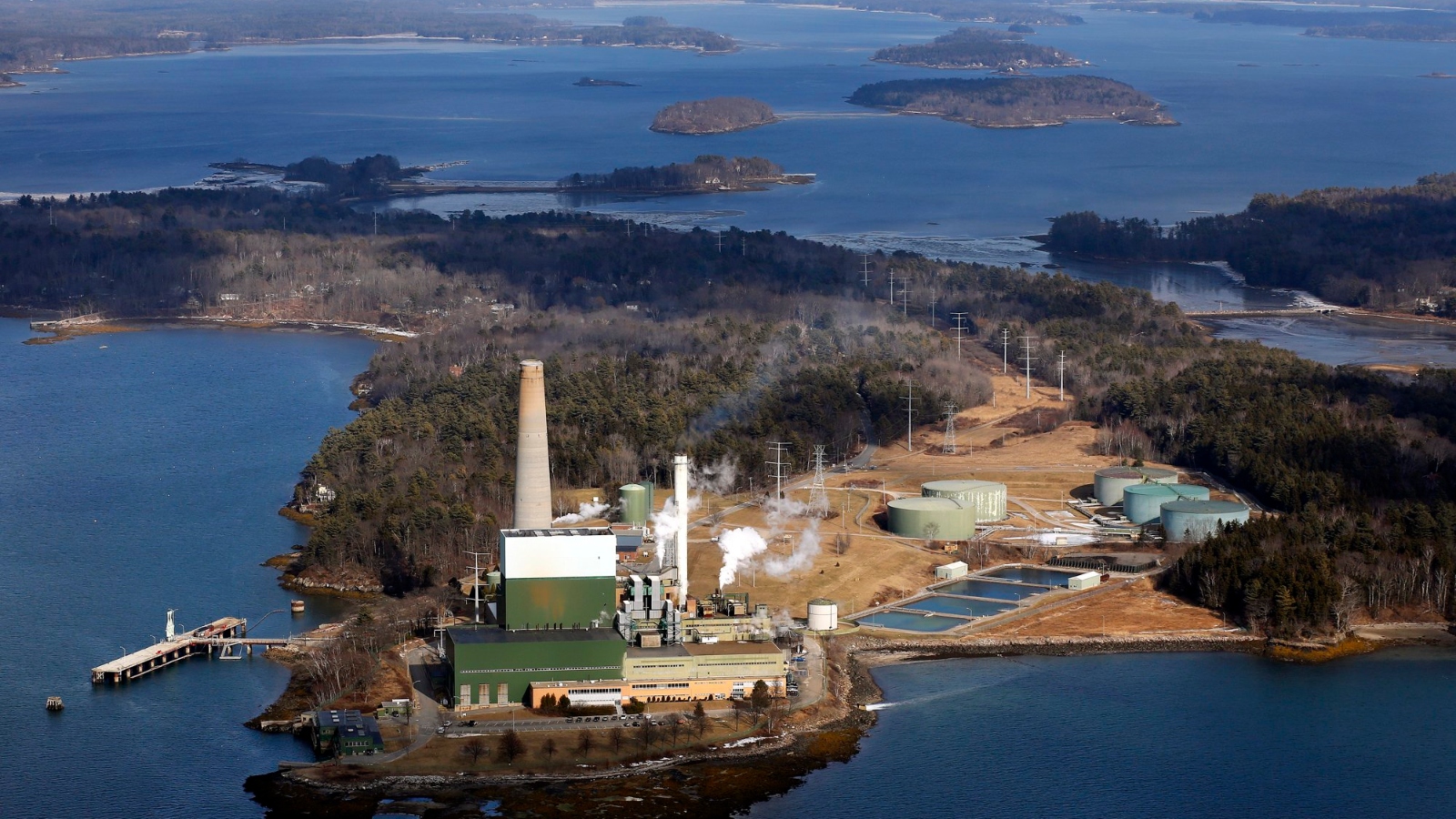
The primary objective of the moratorium, according to lead sponsor Representative Melanie Sachs, a Democrat from Freeport, is to ensure that Maine does not become a victim of its own attractiveness to developers. As other states grapple with the strain these facilities place on resources, Maine’s leadership views the moratorium as a preemptive strike to avoid the pitfalls seen elsewhere. "Let’s just make sure our regulatory framework can meet the moment," Sachs stated, describing the experiences of other states as a "cautionary tale" that Maine must learn from.
The legislation mandates the creation of a special council. This body will be tasked with evaluating the specific concerns associated with data center development, including their impact on the state’s aggressive carbon neutrality goals, the stability of the regional power grid, and the potential for rising electricity costs for residential ratepayers.
A Growing National Backlash Against Digital Infrastructure
Maine is the vanguard of a broader national movement. Currently, 13 other states are considering various forms of legislative pauses or restrictions on data centers. Analysts point to Minnesota and Illinois as the most likely candidates to follow Maine’s lead. This wave of skepticism comes at a time when the demand for data processing is skyrocketing, fueled by the rapid integration of artificial intelligence into every sector of the economy.
The physical footprint of the internet is expanding at an unprecedented rate. According to a report by the Federal Energy Regulatory Commission (FERC), U.S. data centers accounted for more than 50 gigawatts of electricity demand as of 2023. This figure is nearly double the peak demand of the entire New England power grid, which serves six states. With some proposed "supersized" data centers in early planning stages elsewhere in the country, there are legitimate fears that the current electrical infrastructure cannot support this growth without massive, expensive upgrades—the costs of which often fall on everyday consumers rather than the tech giants building the facilities.
Beyond energy, water consumption is a major point of contention. Data centers require millions of gallons of water daily to cool the servers that process digital information. In a time of increasing climate volatility, communities are becoming wary of industrial neighbors that compete for local water supplies.
Economic Opportunity vs. Regulatory Oversight: The Partisan Divide
The debate in the Maine Legislature highlights a sharp divide over the state’s economic future. Democrats, who hold the majority, largely supported the bill as a necessary measure for responsible growth. They argue that without clear rules, the state risks being overwhelmed by projects that offer few long-term jobs while consuming vast amounts of public resources.
Conversely, Republicans and some business advocates have characterized the moratorium as a "closed for business" sign. State Senator Matt Harrington, a Republican from York County, argued during the floor debate that the bill could jeopardize billions of dollars in potential investment. He specifically cited discussions regarding potential data center projects in Sanford and the town of Jay.
The situation in Jay is particularly poignant. The town is the site of a former paper mill that served as the community’s economic backbone for generations. Proponents of a data center project there see it as a way to revitalize a post-industrial site and restore a portion of the lost tax base. Governor Mills had previously expressed a desire for the bill to include an exemption for the Jay project, but the final version of LD 307 passed without such a carve-out. This has led to speculation regarding whether the Governor will use her veto power or allow the bill to become law without her signature.

Chronology of the Maine Data Center Moratorium
The path to LD 307 was paved by several years of shifting sentiment regarding industrial-scale technology projects:
- 2021-2023: Early interest from developers in Maine’s relatively cool climate and available land begins to surface. Local communities in various parts of the state start expressing concerns over noise and energy usage of smaller cryptocurrency mining operations and data sites.
- Late 2023: Reports of grid strain in Virginia and water shortages in the West related to data centers gain national attention.
- January 2024: Representative Melanie Sachs introduces LD 307, citing the need for "breathing room" in the state’s regulatory environment.
- March 2024: The bill undergoes rigorous committee hearings where environmental advocates and utility representatives testify on the potential impacts of hyperscale facilities.
- April 2024: The Maine House and Senate pass the bill with significant majorities, despite pushback from industry lobbyists and Republican lawmakers.
- October 2027: The scheduled expiration of the moratorium, by which time the legislature is expected to have implemented permanent regulations based on the special council’s findings.
Environmental and Social Implications
Environmental advocacy groups, such as Maine Conservation Voters, have hailed the passage of the bill as a victory for public interest. Sarah Woodbury, the organization’s legislative director, noted that the "politics of data centers" are shifting as residents become more aware of what these facilities actually bring to a community. "Voters do not want these facilities in their backyard," Woodbury said, pointing to instances where local opposition has successfully blocked projects at the municipal level.
There is also a social dimension to the moratorium. As artificial intelligence becomes the primary driver for new data center construction, the public has grown increasingly concerned about the technology’s impact on the workforce. A segment of the opposition to these projects stems from a fear that the infrastructure of AI is being built at the expense of human jobs, creating a paradox where communities provide the resources for a technology that may eventually displace their workers.
National and Federal Context
The movement to rein in data centers is not confined to state capitals. At the federal level, U.S. Senator Bernie Sanders (I-VT) and Representative Alexandria Ocasio-Cortez (D-NY) have proposed a national moratorium on AI-focused data centers. Their proposal mirrors the concerns seen in Maine, focusing on the environmental toll and the lack of corporate accountability regarding energy consumption.
Anthony Elmo, a researcher for the nonprofit watchdog Good Jobs First, suggests that while the issue is often framed as partisan in legislative halls, it is becoming increasingly non-partisan at the local level. "He has seen opposition to development from Democrats and Republicans, especially when talking about specific projects," Elmo noted. However, he acknowledges that states with Democratic "trifectas"—control of the governorship and both legislative chambers—are currently the most likely to pass such regulations because they are generally more comfortable with government oversight of private industry.
Analysis: A Precedent for the Digital Age
Maine’s decision to implement a moratorium represents a fundamental questioning of the "growth at any cost" mentality that has characterized the tech industry’s expansion over the last two decades. By hitting the pause button, Maine is asserting that the digital economy must be compatible with the physical realities of the power grid and the environmental needs of the local population.
The success or failure of Maine’s approach will likely be measured by what happens over the next three years. If the special council can produce a set of regulations that allow for data center development while protecting ratepayers and the environment, Maine may provide a blueprint for the rest of the country. However, if the moratorium results in a permanent flight of capital to more "business-friendly" states, it will serve as a point of criticism for those who favor deregulation.
For now, the eyes of the tech industry and environmentalists alike are on Augusta. Whether Governor Mills signs the bill or not, the message from the Maine Legislature is clear: the era of unchecked data center expansion is facing its first significant legislative hurdle. As the demand for processing power continues to clash with the limits of the physical world, Maine’s LD 307 may be the first of many laws designed to force the virtual world to account for its very real footprint.