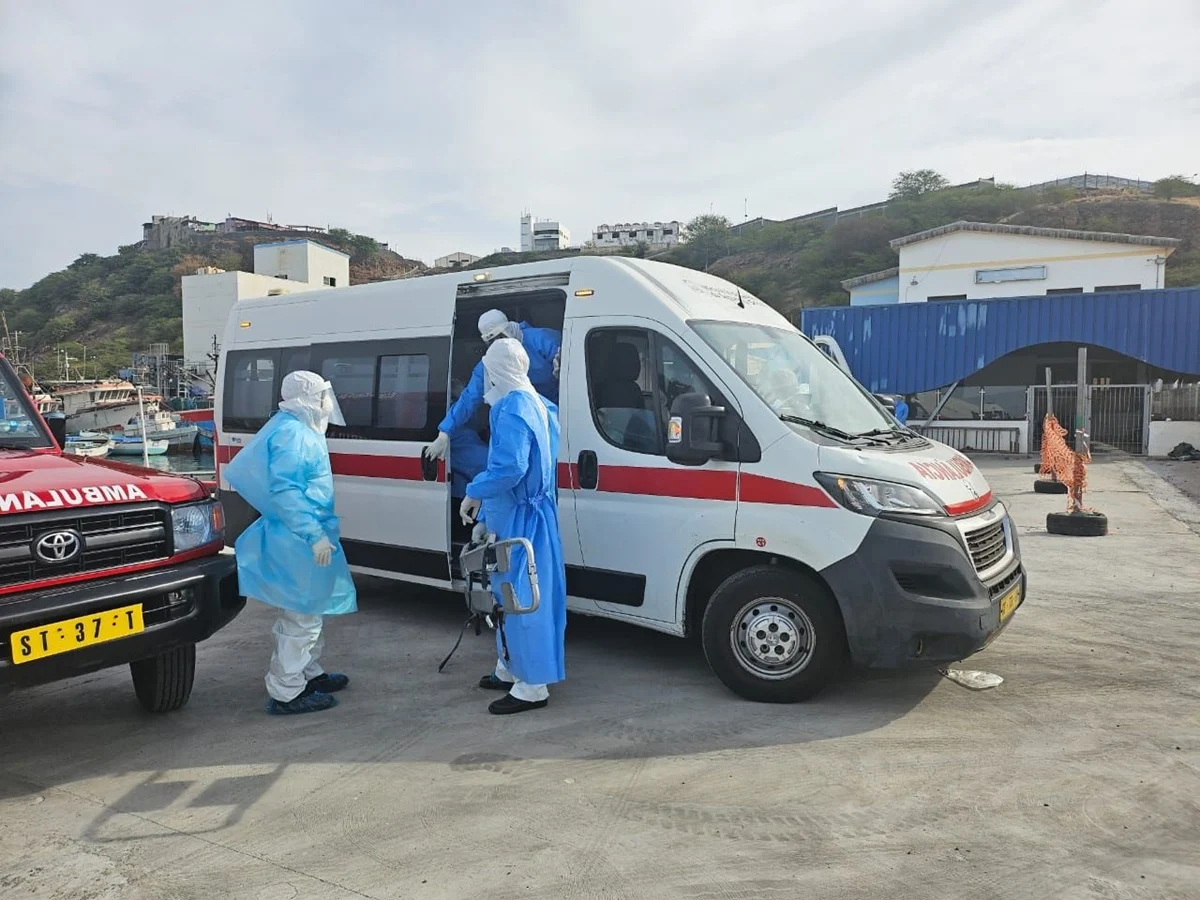
The World Health Organization (WHO) is coordinating an international response to a cluster of hantavirus cases, including three fatalities, identified among passengers and crew of the MV Hondius cruise ship. The outbreak, which involves the Andes virus strain, has raised concerns due to its potential for limited human-to-human transmission, prompting swift action from global health authorities to contain the spread and ensure the safety of those affected.
Initial Outbreak and WHO Notification
The situation came to light when the WHO was officially notified of the developing hantavirus cases on Saturday, May 2, 2026. Preliminary reports indicated a total of eight cases, with five confirmed as hantavirus infections. Tragically, three individuals have succumbed to the illness, underscoring the severity of the outbreak. The specific strain identified, the Andes virus, is a significant factor in the WHO’s concern, as it is known to be capable of limited transmission between humans, primarily through close and prolonged contact.
WHO Director-General Dr. Tedros Adhanom Ghebreyesus addressed the media regarding the developing situation, emphasizing the organization’s proactive approach. "While this is a serious incident, WHO assesses the public health risk as low," Dr. Tedros stated. He further cautioned that due to the incubation period of hantavirus, it is "possible that more cases may be reported." This acknowledgment highlights the ongoing nature of the investigation and the need for continued vigilance.
The Andes Virus: A Closer Look
Hantaviruses are a group of viruses found primarily in rodents, which can transmit them to humans. While most hantaviruses are transmitted through direct contact with infected rodents or inhalation of airborne particles from their droppings, urine, or saliva, the Andes virus presents a unique challenge. Unlike many other hantaviruses, the Andes virus has demonstrated the capacity for limited person-to-person transmission. This transmission typically occurs through close and prolonged contact, such as sharing living quarters or intimate contact, and is believed to be facilitated by the presence of the virus in bodily fluids.
The Andes virus is endemic to parts of South America, particularly Argentina and Chile. Outbreaks are often seasonal and linked to increased rodent populations. The identification of this specific strain on a cruise ship, a confined environment with a transient population, necessitates a heightened level of caution and a meticulously planned response to prevent further dissemination.
Chronology of Events and WHO Actions
The timeline of the WHO’s involvement began with the notification on May 2, 2026. Since then, the organization has moved swiftly to implement a multi-faceted response strategy. Key actions taken include:
- Expert Deployment: The WHO has deployed an expert to the MV Hondius to conduct a comprehensive medical assessment of all passengers and crew. This on-site presence is crucial for gathering critical information, evaluating individual risk of infection, and providing immediate support.
- Diagnostic Support: Recognizing the need for robust testing capacity across multiple locations, the WHO has facilitated the shipment of 2500 diagnostic kits from Argentina. These kits are destined for laboratories in five countries, bolstering their ability to accurately identify hantavirus infections and monitor the spread of the virus.
- Guidance for Disembarkation: A critical aspect of managing an outbreak on a travel vessel is ensuring the safe and dignified departure of passengers and crew. The WHO is actively developing step-by-step operational guidance for the safe and respectful disembarkation and onward travel of those on board the MV Hondius once they arrive at their destinations. This guidance will likely include protocols for health screening, isolation if necessary, and contact tracing.
- Coordination under International Health Regulations (IHR): The WHO is coordinating its efforts closely with multiple countries under the framework of the International Health Regulations (IHR). The IHR are a legally binding agreement that defines the rights and obligations of countries and the WHO in responding to public health events that have the potential to cross international borders. This incident serves as a stark reminder of the critical importance of these regulations in facilitating global cooperation and solidarity during health emergencies.
Public Health Risk Assessment and Future Outlook
Despite the gravity of the reported cases and fatalities, Dr. Tedros’s assessment of the public health risk as "low" is based on several factors. Cruise ships, while enclosed environments, typically have sophisticated ventilation systems, and measures are usually in place to mitigate the spread of infectious diseases. Furthermore, the limited human-to-human transmission of the Andes virus, requiring close and prolonged contact, suggests that widespread community transmission is less likely compared to airborne respiratory viruses.
However, the WHO’s acknowledgment that "it’s possible that more cases may be reported" underscores the need for ongoing surveillance and preparedness. The incubation period for hantavirus can range from a few days to several weeks, meaning that individuals who were infected prior to the notification may still develop symptoms.
The Role of International Cooperation and Solidarity
The MV Hondius incident vividly illustrates the interconnectedness of global health. A health threat emerging in one location can rapidly impact individuals and nations across the globe. The WHO’s involvement, working in concert with national health authorities, is paramount in ensuring a coordinated and effective response. The International Health Regulations (IHR) provide the essential framework for such collaboration, enabling the timely sharing of information, resources, and expertise.
The commitment to "ensure the affected patients receive care, that the remaining passengers on the ship are kept safe and treated with dignity, and to prevent any further spread of the virus," as articulated by Dr. Tedros, encapsulates the core priorities of the WHO. This approach prioritizes humanitarian concerns alongside public health imperatives.
Potential Implications and Broader Context
The hantavirus outbreak on the MV Hondius raises several important considerations:
- Travel and Infectious Disease: This event serves as a reminder of the potential for infectious diseases to emerge and spread within travel settings, including cruise ships. While strict protocols are generally in place, the nature of such environments – close proximity, shared facilities, and international travel – necessitates continuous vigilance and adaptation of public health strategies.
- Zoonotic Disease Surveillance: The origin of hantavirus outbreaks is typically zoonotic, meaning it originates in animals. This underscores the importance of robust surveillance systems for detecting and monitoring zoonotic diseases in animal populations, particularly in regions where human-animal interaction is common.
- Preparedness for Emerging Threats: The WHO’s rapid response, including the deployment of experts and the provision of diagnostic resources, highlights the critical need for ongoing investment in global health security infrastructure and preparedness for emerging infectious disease threats.
- Public Trust and Communication: Transparent and timely communication from health authorities is essential in managing public perception and preventing undue alarm. The WHO’s proactive briefing and clear communication of risk assessment are vital in fostering public trust and encouraging adherence to public health guidance.
The situation aboard the MV Hondius remains under close observation by the WHO and national health agencies. The organization’s commitment to transparency, scientific rigor, and international collaboration will be crucial in navigating this evolving public health challenge and ensuring the well-being of all those affected. The lessons learned from this incident will undoubtedly inform future strategies for managing infectious disease outbreaks in global travel settings.