The Energy Industry: Powering the World Through Innovation and Transition
The energy industry, a multifaceted global sector, encompasses the entire spectrum of activities involved in the production, processing, distribution, and consumption of energy resources. It is the bedrock upon which modern civilization is built, powering everything from individual homes and transportation networks to vast industrial complexes and intricate communication systems. Historically, the industry has been dominated by fossil fuels – coal, oil, and natural gas – which have fueled industrial revolutions and propelled economic growth for centuries. However, the 21st century marks a profound period of transition, driven by environmental concerns, technological advancements, and evolving geopolitical landscapes. This article delves into the various facets of the energy industry, exploring its traditional pillars, the burgeoning renewable energy sector, the critical role of technology and innovation, the challenges and opportunities of the energy transition, and the vital importance of energy security and policy.
Fossil Fuels: The Historical Backbone and Evolving Landscape
For over a century, fossil fuels have been the primary engine of global energy supply. Coal, the earliest fuel of the industrial revolution, remains a significant energy source, particularly for electricity generation in many developing nations, despite its high carbon emissions. Its abundance and relatively low cost have made it an attractive option. Crude oil, on the other hand, is the lifeblood of the transportation sector, refined into gasoline, diesel, and jet fuel, and also serves as a feedstock for the petrochemical industry. Its price volatility and geopolitical sensitivities have long been defining characteristics. Natural gas, often lauded as a cleaner-burning fossil fuel, has gained increasing prominence in recent decades, utilized for heating, electricity generation, and as a crucial industrial input. The extraction of fossil fuels has evolved dramatically, from rudimentary mining and drilling to sophisticated techniques like hydraulic fracturing (fracking) and deep-sea exploration, unlocking vast reserves but also raising environmental concerns related to water usage, land disruption, and potential seismic activity. The continued reliance on fossil fuels, while foundational to past progress, is now under intense scrutiny due to their substantial contribution to greenhouse gas emissions and climate change. Consequently, a global imperative to decarbonize the energy system is driving a strategic shift away from these traditional sources.
Renewable Energy: The Ascending Force of a Sustainable Future
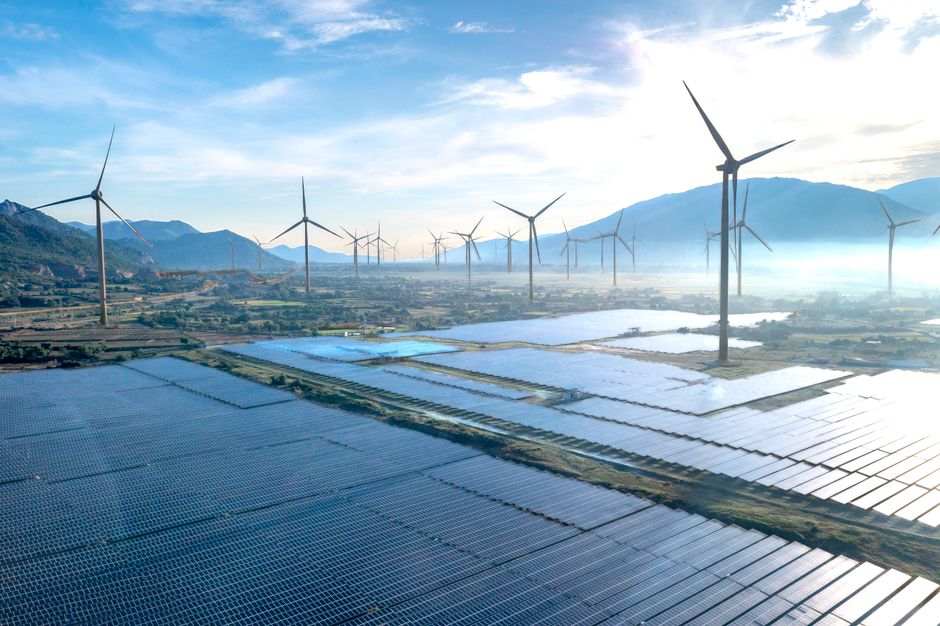
The accelerating shift towards sustainability has placed renewable energy sources at the forefront of the energy industry’s future. Solar power, harnessing the sun’s abundant energy through photovoltaic panels and concentrated solar power systems, has witnessed a dramatic decline in costs and a surge in deployment, becoming increasingly competitive with conventional power sources. Wind energy, utilizing turbines to convert wind into electricity, both onshore and offshore, represents another rapidly growing segment, with advancements in turbine technology leading to larger, more efficient machines capable of capturing stronger winds. Hydropower, one of the oldest forms of renewable energy, continues to be a significant contributor to global electricity supply, particularly in regions with abundant water resources, though large-scale dam projects can have considerable environmental and social impacts. Geothermal energy, tapping into the Earth’s internal heat, offers a consistent and reliable source of power and heat, particularly in geologically active regions. Biomass, derived from organic matter like agricultural waste and dedicated energy crops, provides a versatile renewable fuel source for heat, electricity, and biofuels, though its sustainability is dependent on responsible sourcing and land management practices. The intermittent nature of solar and wind power has spurred significant investment in energy storage technologies, such as batteries and pumped hydro, crucial for grid stability and reliability as the penetration of renewables increases.
Nuclear Energy: A Low-Carbon Contender with Complex Considerations
Nuclear energy, derived from controlled nuclear fission reactions, represents a significant source of low-carbon electricity generation. Modern nuclear power plants are highly efficient and produce virtually no greenhouse gas emissions during operation. This makes them a compelling option in the global effort to reduce carbon footprints and combat climate change. However, nuclear energy is not without its challenges. The safe disposal of radioactive waste remains a persistent concern, requiring specialized and long-term storage solutions. The upfront capital costs for constructing nuclear power plants are substantial, and the construction timelines can be lengthy. Furthermore, public perception and concerns regarding safety, particularly in the aftermath of accidents like Chernobyl and Fukushima, continue to shape the discourse surrounding nuclear energy. Despite these complexities, ongoing research and development in areas like small modular reactors (SMRs) and advanced reactor designs aim to address some of these challenges, potentially making nuclear energy a more accessible and safer option in the future energy mix. Its consistent baseload power generation capability makes it an attractive complement to intermittent renewables.
Energy Storage and Grid Modernization: The Enabling Technologies
The integration of a higher proportion of variable renewable energy sources necessitates robust energy storage solutions and a modernized electricity grid. Energy storage is paramount for bridging the gaps in supply from solar and wind power. Battery technologies, particularly lithium-ion, have seen remarkable advancements in cost reduction and energy density, making them viable for grid-scale storage, electric vehicles, and residential applications. Other emerging storage technologies include flow batteries, compressed air energy storage, and hydrogen storage, each offering unique advantages for different applications and scales. The electricity grid itself is undergoing a transformation from a centralized, one-way system to a more decentralized, intelligent, and interactive network. Smart grid technologies, incorporating advanced sensors, communication networks, and data analytics, enable better management of energy flows, optimize grid performance, and facilitate the integration of distributed energy resources. This modernization is crucial for handling the bidirectional flow of electricity from rooftop solar panels and other distributed generation sources, improving grid resilience, and enhancing energy efficiency.
Technological Innovation and Digitalization: Driving Efficiency and New Possibilities
Innovation is the lifeblood of the energy industry, driving both incremental improvements and disruptive shifts. In the fossil fuel sector, advancements in exploration and extraction techniques, such as enhanced oil recovery and carbon capture, utilization, and storage (CCUS) technologies, aim to mitigate environmental impacts and extend the viability of these resources in a decarbonizing world. For renewables, innovation focuses on increasing efficiency, reducing manufacturing costs, and developing novel deployment methods, such as floating solar farms and advanced offshore wind turbine designs. The digitalization of the energy sector is a transformative force. Artificial intelligence (AI) and machine learning (ML) are being employed for predictive maintenance of energy infrastructure, optimizing power plant operations, forecasting energy demand and supply, and enhancing grid management. The Internet of Things (IoT) enables real-time monitoring and control of energy assets, from smart meters in homes to complex industrial equipment. Blockchain technology is emerging as a solution for secure and transparent energy trading, peer-to-peer energy sales, and managing renewable energy credits. This technological wave is not only improving operational efficiency but also creating new business models and service offerings within the energy landscape.
The Energy Transition: Navigating Challenges and Seizing Opportunities
The global energy transition, the shift from a fossil fuel-dominated energy system to one based on low-carbon and renewable sources, is perhaps the most defining challenge and opportunity of our era. This transition is driven by the urgent need to address climate change, improve air quality, and achieve energy independence. However, it is a complex undertaking fraught with challenges. The economic implications are significant, requiring massive investment in new infrastructure and technologies, while also posing risks to existing industries and workforces. The social implications are equally important, necessitating equitable access to clean energy and ensuring a just transition for communities historically reliant on fossil fuel extraction. Geopolitical shifts are also inherent, as nations reassess their energy dependencies and forge new alliances based on renewable energy resources and supply chains. Despite these hurdles, the transition presents immense opportunities. It fosters innovation, creates new green jobs, stimulates economic growth, and offers the promise of a more sustainable and resilient energy future. Successfully navigating this transition requires clear policy frameworks, sustained investment, international cooperation, and public engagement.
Energy Security and Policy: The Pillars of a Stable System
Energy security, defined as the reliable and affordable supply of energy to meet a nation’s needs, remains a paramount concern for governments worldwide. Historically, this often meant securing access to fossil fuel reserves. In the era of transition, energy security increasingly encompasses the ability to access and utilize a diverse portfolio of energy sources, including renewables, and to safeguard critical energy infrastructure from cyber threats and physical disruptions. Energy policy plays a crucial role in shaping the energy industry’s trajectory. Government policies, including carbon pricing mechanisms, renewable energy mandates, subsidies for clean technologies, and regulations on emissions, can incentivize investment in sustainable energy and accelerate the transition. International agreements and collaborations are also vital for addressing global energy challenges, such as climate change and the development of cross-border energy infrastructure. The interplay between energy security, policy, and the technological advancements driving the energy transition dictates the pace and success of global decarbonization efforts and the ongoing evolution of the energy industry.
