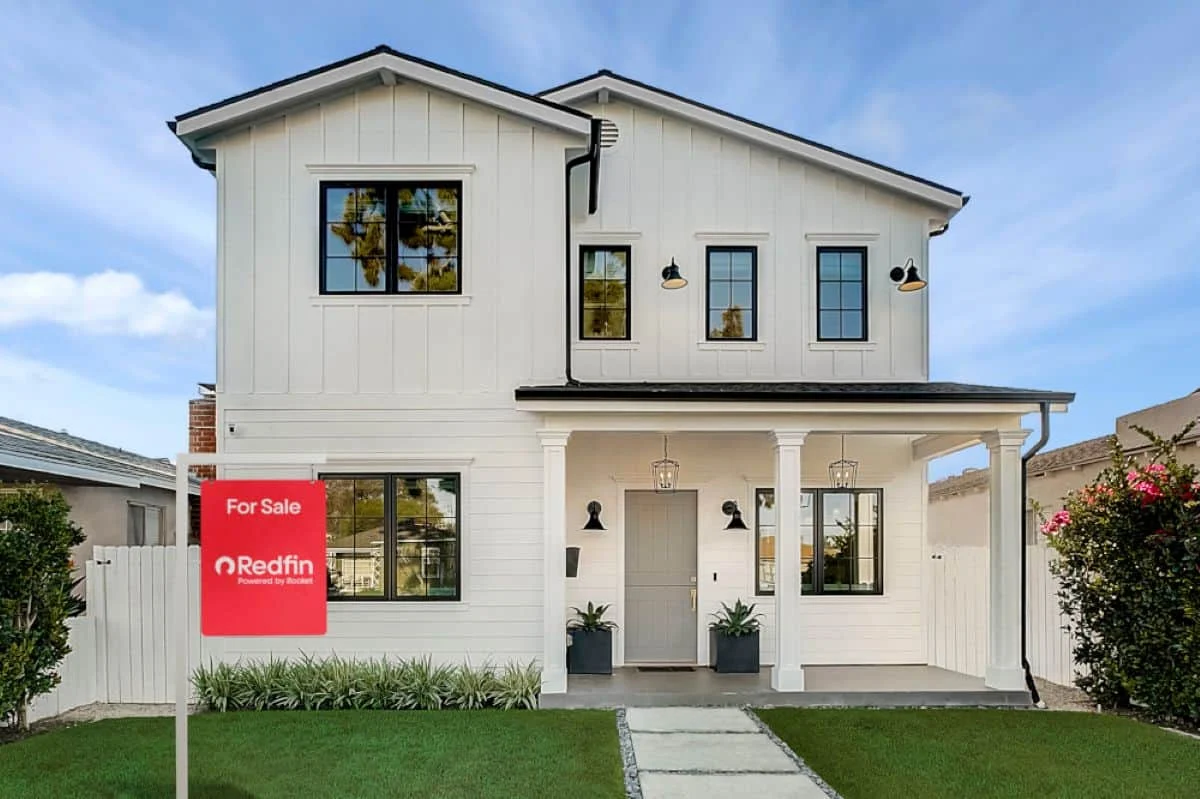
The process of transitioning a residential property from a personal sanctuary to a market-ready asset requires a calculated approach to renovation, maintenance, and presentation. As the contemporary real estate market evolves, influenced by fluctuating interest rates and a heightened emphasis on buyer affordability, the necessity of strategic home improvements has become paramount. Homeowners are no longer merely competing with the house next door; they are competing against the high expectations of a buyer demographic that is increasingly utilizing sophisticated digital tools, such as home affordability calculators, to scrutinize every dollar spent. Consequently, the margin for error in property presentation has narrowed, making it essential for sellers to prioritize projects that enhance first impressions, preserve structural integrity, and appeal to the broadest possible audience.
The Current Market Climate and the Shift Toward "Move-In Ready" Standards
In recent years, the U.S. housing market has shifted from the frenetic, "as-is" pace of the post-pandemic boom to a more discerning environment. In major metropolitan areas such as Austin, Texas, and Portland, Oregon, buyers are demonstrating a marked preference for homes that require minimal immediate capital outlay after closing. This trend is largely driven by the increased cost of financing; when a buyer’s monthly mortgage payment is higher due to prevailing interest rates, their appetite for "fixer-upper" projects diminishes.
Industry data suggests that homes categorized as "move-in ready" not only sell faster but also command a premium that often exceeds the cost of the improvements themselves. Conversely, properties with visible maintenance deferred—such as aging HVAC systems or dated aesthetics—frequently languish on the market, eventually requiring price soul-searching or significant concessions during the inspection period. To mitigate these risks, experts suggest a structured timeline of improvements that begins with the home’s mechanical "heart" and ends with its visual "skin."
Phase I: Securing the Mechanical and Structural Foundation
The most critical, though often least visible, preparation for a home sale involves the mechanical systems. According to real estate professionals and home inspectors, the Heating, Ventilation, and Air Conditioning (HVAC) system is one of the most common points of contention during the closing process. A malfunctioning or poorly maintained HVAC system can serve as a "red flag," signaling to potential buyers that the home may have other hidden maintenance issues.
Lawrence Castillo, President of The Brody Pennell Group, emphasizes that proactive maintenance is a financial safeguard. "If you plan to sell your home, the best course of action is to schedule a regular preventative maintenance appointment for your system with a reputable local HVAC contractor," Castillo notes. He argues that a professional visit is a minor investment compared to the potential loss in sales price. During these inspections, contractors typically focus on areas that home inspectors scrutinize, including the condition of the evaporator coils, refrigerant levels, and the integrity of the primary and secondary drain lines.
By addressing these mechanical details before the home is listed, sellers can prevent the home inspection from becoming a tool for price renegotiation. When a home inspector documents deficiencies, buyers often request a credit that exceeds the actual cost of the repair, or they may demand that the seller handle the repairs under time-sensitive—and therefore more expensive—conditions. Handling these issues in advance ensures the closing process remains streamlined and the seller retains control over the narrative of the home’s condition.
Phase II: The Psychology of Neutrality and Aesthetic Modernization
Once the structural and mechanical integrity of the home is verified, the focus shifts to the psychological impact of the interior environment. The goal of aesthetic improvement is to create a "blank canvas" that allows a wide variety of buyers to project their own lives onto the space.
One of the most cost-effective methods for achieving this is through a comprehensive interior paint refresh. Sarah Brady, founder and principal designer at Salt Design Company, advocates for a "thoughtful edit" of the home’s visual elements. "Fresh neutral paint, refined lighting, and a thoughtful edit can make a space feel brighter, more cohesive, and move-in ready," Brady explains.
The choice of color is not merely a matter of taste but a strategic decision. Bold, personalized colors—while perhaps meaningful to the current owner—can be perceived as "work" by a buyer. Neutral tones like soft whites, greiges, and light tans maximize the perception of square footage and light. Furthermore, a fresh coat of paint masks minor scuffs and odors, providing a "new house smell" that psychologically reassures buyers.
Beyond paint, the modernization of "touchpoints"—the fixtures and hardware that residents interact with daily—offers a high return on investment. Replacing dated brass doorknobs with matte black or brushed nickel alternatives, or swapping out a 1990s-era kitchen faucet for a sleek, modern model, can shift the entire perception of a room’s age. Sarah Brady notes that kitchens and bathrooms typically offer the strongest return, and even small upgrades in these high-traffic areas can significantly alter a buyer’s valuation of the property.
Phase III: Presentation through Deep Cleaning and Staging
The final phase of preparation involves the rigorous removal of the current owner’s presence to make way for the future occupant. This involves deep cleaning, decluttering, and professional staging. While often overlooked, the cleanliness of a home is frequently used by buyers as a proxy for how well the home has been maintained overall. A dusty baseboard or a stained carpet can lead a buyer to wonder if the roof or the plumbing has also been neglected.
Decluttering serves two purposes: it makes rooms appear larger and it removes the "distraction" of the current owner’s life. "Removing overly personal elements help buyers better envision themselves in the space while signaling that the home has been well maintained," Brady concludes. This includes the removal of family photographs, idiosyncratic collections, and excess furniture that might impede the flow of foot traffic during an open house.
Staging, whether professional or DIY, focuses on highlighting the functionality of each room. In a market where remote work remains prevalent, staging a small nook as a home office can add tangible value in the eyes of a modern professional. Data from the National Association of Realtors (NAR) has historically shown that staged homes spend significantly less time on the market than their non-staged counterparts.
Chronology of Improvements: A Strategic Timeline
To maximize efficiency, sellers should follow a logical sequence of operations:
- Month 3 Before Listing: Conduct a "pre-inspection" and address mechanical issues (HVAC, plumbing, electrical). This allows time for parts to be ordered and repairs to be completed without the pressure of a closing date.
- Month 2 Before Listing: Execute cosmetic updates. This includes interior painting, replacing outdated light fixtures, and updating cabinet hardware.
- Month 1 Before Listing: Focus on the exterior. Curb appeal is the literal first impression. Landscaping should be tidied, and the entryway should be refreshed.
- Two Weeks Before Listing: Deep cleaning and decluttering. This is the time for professional carpet cleaning and window washing.
- One Week Before Listing: Final staging and professional photography. In the digital age, the "first showing" happens online; high-quality images are non-negotiable.
Analysis of Implications: The Cost of Inaction
The decision to skip these improvements can have a compounding negative effect on the final sale price. In a high-inventory market, a property that is not optimized will be used by buyers as a "comparison point" to justify a higher offer on a competing, better-maintained home. Furthermore, many modern mortgage products have strict requirements regarding the condition of the home. Issues like peeling paint or faulty mechanicals can sometimes prevent a buyer from securing a loan, thereby shrinking the pool of eligible suitors to cash investors who typically demand deep discounts.
It is equally important to recognize which projects to avoid. Major kitchen overhauls or the installation of luxury features like swimming pools often fail to recoup their costs if performed immediately before a sale. These "over-improvements" may suit the specific taste of the seller but may not align with the market’s demands. The objective is to bring the home up to—and slightly above—the neighborhood standard, rather than creating an outlier that is difficult to appraise.
Conclusion: Protecting the Investment
Ultimately, the process of preparing a home for sale is an exercise in risk management and value preservation. By focusing on essential upgrades—HVAC maintenance, neutral aesthetics, and impeccable presentation—sellers can differentiate their property in a crowded marketplace. These actions do more than just attract buyers; they build a sense of trust. When a buyer walks into a home that is clean, modern, and mechanically sound, they feel a sense of security that translates into stronger offers and a smoother path to the closing table. In the complex landscape of modern real estate, a proactive approach is the most reliable strategy for protecting one’s most significant financial investment.