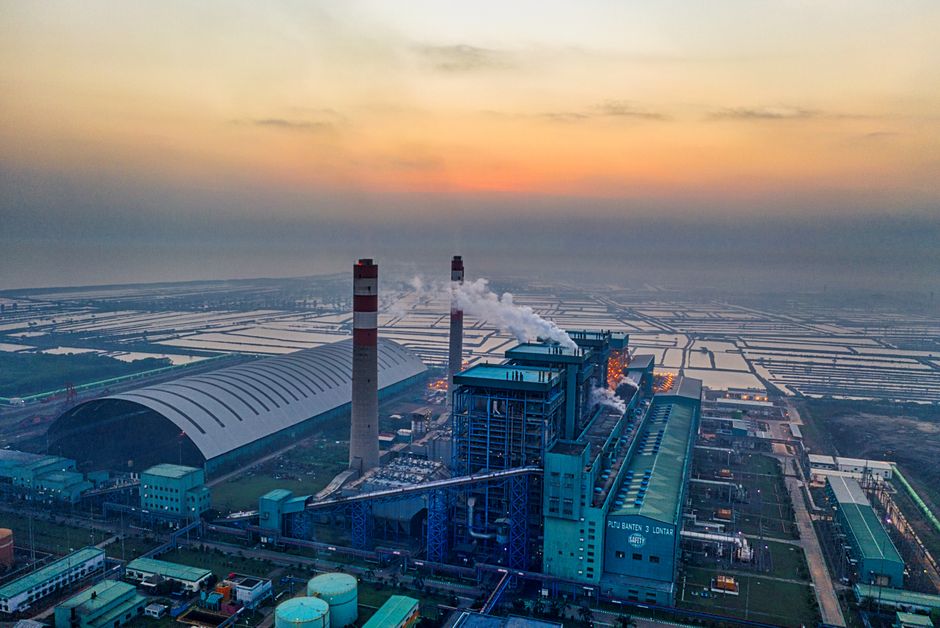
Category: Energy & Environment
The Global Energy Landscape: Navigating the Transition to a Sustainable Future
The planet’s energy needs are inextricably linked to its environmental health. This interconnectedness defines the critical nexus of the "Energy & Environment" category, a domain characterized by a constant tension between powering human progress and preserving ecological integrity. For decades, the dominant energy paradigm has relied heavily on fossil fuels – coal, oil, and natural gas. These sources have been the bedrock of industrial revolutions and economic growth, providing abundant, relatively cheap, and easily deployable energy. However, their combustion releases significant quantities of greenhouse gases (GHGs), primarily carbon dioxide (CO2), methane (CH4), and nitrous oxide (N2O), which are the primary drivers of anthropogenic climate change. The consequences are far-reaching and include rising global temperatures, more frequent and intense extreme weather events, sea-level rise, ocean acidification, and disruptions to ecosystems and biodiversity. The urgency of addressing these environmental impacts has propelled the global energy landscape into a transformative phase, commonly referred to as the energy transition. This transition involves a fundamental shift away from fossil fuels towards cleaner, renewable energy sources, coupled with significant improvements in energy efficiency and the development of innovative energy storage and distribution technologies. The success of this transition is paramount for achieving global climate goals, such as those outlined in the Paris Agreement, which aims to limit global warming to well below 2 degrees Celsius, preferably to 1.5 degrees Celsius, compared to pre-industrial levels. This ambitious undertaking requires a multifaceted approach involving technological innovation, policy intervention, economic restructuring, and behavioral change on a global scale.
The Imperative of Renewable Energy Sources
Renewable energy sources represent the cornerstone of the global energy transition. Unlike fossil fuels, which are finite and contribute to environmental degradation, renewables are naturally replenished and produce little to no GHG emissions during operation. Solar power, harnessing the sun’s radiant energy, has witnessed remarkable technological advancements and cost reductions, making it increasingly competitive with conventional energy sources. Photovoltaic (PV) panels convert sunlight directly into electricity, while concentrated solar power (CSP) systems use mirrors to focus sunlight and generate heat for steam turbines. Wind energy, captured by wind turbines, is another rapidly growing renewable source. Advances in turbine design and manufacturing have led to larger, more efficient turbines capable of generating substantial amounts of electricity, both onshore and offshore. Hydropower, utilizing the kinetic energy of flowing water, remains a significant contributor to the global renewable energy mix, though its expansion is often limited by environmental and social considerations related to dam construction. Geothermal energy, tapping into the Earth’s internal heat, offers a stable and reliable source of power, particularly in geologically active regions. Biomass energy, derived from organic matter, can be used for heat, electricity, and biofuel production, but its sustainability is contingent on responsible sourcing and management practices to avoid deforestation and competition with food production. The continued innovation and scaling up of these renewable technologies are crucial for decarbonizing the electricity sector and, increasingly, other sectors like transportation and industry. International collaboration and policy frameworks that incentivize investment in renewable energy infrastructure, research and development, and grid integration are vital for accelerating their deployment.
The Role of Energy Efficiency and Conservation
While the development of renewable energy is critical, improving energy efficiency and promoting energy conservation are equally, if not more, important components of a sustainable energy future. Energy efficiency refers to the use of less energy to perform the same task. This can be achieved through technological upgrades, such as more efficient appliances, lighting, and industrial machinery, as well as improvements in building design and insulation. Energy conservation, on the other hand, involves reducing overall energy consumption through behavioral changes and lifestyle adjustments. Simple actions like turning off lights when leaving a room, using public transportation, and adopting energy-saving habits can collectively have a significant impact. The International Energy Agency (IEA) consistently highlights energy efficiency as the "first fuel" – the most cost-effective and readily available way to reduce energy demand and associated emissions. Investing in energy efficiency measures not only lowers energy bills for consumers and businesses but also reduces the need for new energy generation capacity, thereby alleviating pressure on natural resources and the environment. Policies that encourage energy-efficient building codes, appliance standards, and industrial process optimizations are essential. Public awareness campaigns and educational initiatives can also foster a culture of energy conservation. The synergistic relationship between energy efficiency and renewables is profound: by reducing overall energy demand, efficiency measures make it easier and more affordable to meet remaining demand with renewable sources, accelerating the pace of decarbonization.
The Challenge of Energy Storage and Grid Modernization
The intermittency of some renewable energy sources, particularly solar and wind, presents a significant challenge to maintaining a stable and reliable electricity grid. Unlike fossil fuel power plants that can be dispatched on demand, solar and wind output fluctuates with weather conditions. This variability necessitates the development and widespread deployment of advanced energy storage solutions. Battery technologies, such as lithium-ion batteries, are rapidly improving in terms of capacity, cost, and lifespan, enabling the storage of excess renewable energy for use during periods of low generation. Other storage technologies, including pumped hydro storage, compressed air energy storage (CAES), and hydrogen storage, also play a crucial role, offering different advantages in terms of scale and duration. Beyond storage, modernizing the electricity grid is essential to accommodate the influx of distributed renewable energy generation and to ensure grid stability and resilience. Smart grid technologies, incorporating digital communication, advanced sensors, and intelligent control systems, allow for real-time monitoring and management of energy flows, optimizing supply and demand. This enables better integration of renewables, improved grid efficiency, and enhanced responsiveness to outages and disruptions. The development of robust and flexible grid infrastructure, including transmission and distribution networks capable of handling two-way power flow, is a critical investment for a renewable-energy-dominated future. International cooperation on research, development, and standardization of grid technologies can facilitate faster and more effective deployment.
The Evolving Role of Fossil Fuels and Carbon Capture Technologies
While the world is transitioning away from fossil fuels, their complete and immediate phase-out is not feasible in the short to medium term due to existing infrastructure, economic dependencies, and geopolitical realities. However, the role of fossil fuels must be significantly curtailed to meet climate targets. For the remaining use of fossil fuels, technologies like Carbon Capture, Utilization, and Storage (CCUS) are being explored and developed. CCUS technologies aim to capture CO2 emissions from industrial facilities and power plants before they are released into the atmosphere. The captured CO2 can then be utilized in various industrial processes or permanently stored underground in geological formations. While CCUS holds promise for decarbonizing hard-to-abate sectors, its widespread deployment faces significant economic, technological, and logistical challenges. Furthermore, there are ongoing debates about whether investing heavily in CCUS could prolong reliance on fossil fuels rather than accelerating the transition to renewables. A cautious and evidence-based approach is needed when considering the role of CCUS, ensuring it complements, rather than hinders, the fundamental shift towards a low-carbon economy. The responsible decommissioning of aging fossil fuel infrastructure and the retraining of workforces in the fossil fuel sector are also critical components of a just and equitable energy transition.
The Interplay of Energy, Environment, and Geopolitics
The global energy landscape is inherently geopolitical, with energy resources and their distribution shaping international relations, economic power, and security. The concentration of fossil fuel reserves in certain regions has historically led to geopolitical tensions and conflicts. As the world transitions to renewables, the geopolitical map of energy is also evolving. Nations with abundant renewable resources, such as strong solar irradiance or consistent wind patterns, are poised to become new energy powerhouses. The supply chains for renewable energy technologies, including critical minerals for batteries and solar panels, are also becoming increasingly important geopolitical considerations. Ensuring secure and sustainable access to these materials, while also addressing the environmental and social impacts of their extraction, is a growing concern. Moreover, the energy transition has implications for energy security. Diversifying energy sources and relying on domestically available renewables can enhance energy independence and reduce vulnerability to supply disruptions. International cooperation is crucial for managing the geopolitical shifts associated with the energy transition, promoting fair competition, and ensuring that the transition benefits all nations, particularly developing countries that often bear the brunt of climate change impacts. Dialogue and collaboration on technology transfer, financial assistance, and policy alignment are vital for a stable and equitable global energy future.
Addressing Environmental Impacts Beyond Climate Change
The "Energy & Environment" category encompasses a broader spectrum of environmental concerns than just climate change. The extraction, processing, and transportation of energy resources can have significant local and regional environmental impacts. For instance, oil spills from tankers and pipelines can devastate marine and terrestrial ecosystems, leading to long-term ecological damage and economic losses. Mining operations for coal and other fossil fuels can cause land degradation, water pollution, and habitat destruction. The production of renewable energy technologies also has environmental footprints, including the resource requirements for manufacturing, the land use for solar and wind farms, and the disposal of end-of-life equipment. Sustainable sourcing of materials, responsible land use planning, and the development of effective recycling and disposal strategies for renewable energy components are essential to minimize these impacts. Furthermore, the generation of electricity, even from renewable sources, can have impacts on water resources. Hydropower dams alter river flows and can affect aquatic ecosystems. Thermoelectric power plants, whether coal-fired or nuclear, often require large volumes of water for cooling, which can lead to thermal pollution. Addressing these multifaceted environmental challenges requires a holistic approach that integrates energy policy with broader environmental protection strategies. Robust environmental impact assessments, stringent regulatory frameworks, and a commitment to circular economy principles are vital for ensuring that the pursuit of clean energy does not create new, or exacerbate existing, environmental problems.
The Economic and Social Dimensions of the Energy Transition
The energy transition is not solely a technological or environmental imperative; it is also a profound economic and social undertaking. The shift away from fossil fuels will lead to significant restructuring of economies, with certain industries contracting and others expanding. This necessitates careful planning to manage job losses in fossil fuel-dependent sectors and to create new employment opportunities in renewable energy, energy efficiency, and related fields. A "just transition" framework is essential, ensuring that workers and communities affected by the decline of fossil fuels are provided with support, retraining, and opportunities for new livelihoods. The affordability of energy is another critical social dimension. As renewable energy sources become more cost-competitive, they can contribute to lower energy costs for consumers. However, the initial investment in new infrastructure and technologies can also lead to upfront costs that need to be managed equitably. Policies that promote energy access for all, particularly in developing countries and underserved communities, are crucial for ensuring that the benefits of the energy transition are shared broadly. Furthermore, public perception and engagement are vital for the successful implementation of energy policies. Education and outreach programs can foster understanding of the need for the transition, build support for new energy projects, and encourage individual actions that contribute to energy conservation and efficiency.
The Future of Energy: Innovation and Adaptation
The future of the "Energy & Environment" category is characterized by ongoing innovation and the need for continuous adaptation. Emerging technologies such as advanced nuclear reactors, fusion energy, and innovative energy storage solutions hold the potential to further revolutionize the energy landscape. Digitalization, artificial intelligence (AI), and big data analytics are playing an increasingly important role in optimizing energy systems, improving grid management, and enabling smart energy solutions. The concept of a decentralized energy system, where energy is generated and consumed closer to the point of use, is gaining traction, with microgrids and distributed energy resources playing a more significant role. The circular economy, aiming to minimize waste and maximize resource utilization, will become increasingly integrated into energy system design and operation. The interconnectedness of global energy markets and environmental challenges demands continued international collaboration, robust policy frameworks, and a shared commitment to a sustainable and equitable energy future. The choices made today in the "Energy & Environment" arena will profoundly shape the planet’s habitability and the prosperity of future generations. Continuous research, development, and deployment of clean energy solutions, coupled with a deep understanding and mitigation of their environmental and social impacts, are the defining challenges and opportunities of this critical domain. The journey towards a sustainable energy future is a marathon, not a sprint, requiring persistent effort, unwavering commitment, and a willingness to adapt to evolving scientific understanding and technological advancements.
