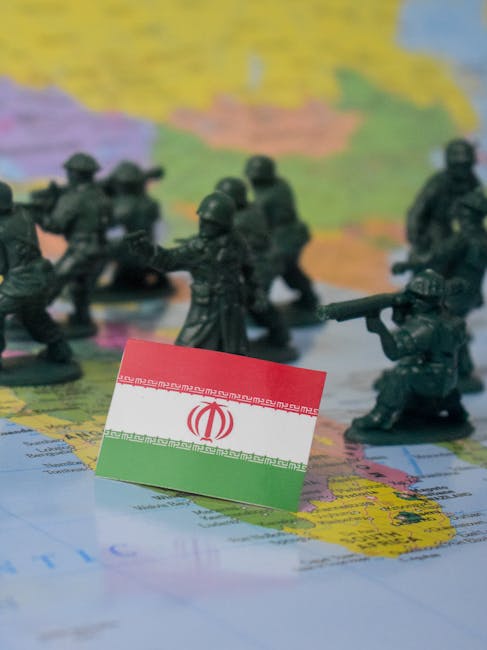
Military Politics: The Interplay of Power, Strategy, and Governance
Military politics encompasses the intricate and often opaque realm where military institutions intersect with political decision-making, national security strategies, and the exercise of state power. It is a field characterized by complex relationships between civilian leadership, military command, intelligence agencies, and various domestic and international actors. Understanding military politics is crucial for comprehending global security dynamics, the rationale behind foreign policy decisions, and the internal workings of states, particularly those with significant military establishments. The very nature of military institutions – their hierarchical structure, discipline, and capacity for organized violence – inherently positions them as powerful forces within the political landscape. This power can be wielded either in service of defined national interests as articulated by elected or appointed civilian authorities, or, in certain contexts, as an independent or dominant political actor.
The historical evolution of military politics reveals a spectrum of relationships between the military and the state. In some periods and regions, the military has been largely subservient to civilian control, functioning as a tool of state policy. This model, often championed by democratic theorists, emphasizes the supremacy of elected officials in determining the deployment and use of armed forces, setting strategic objectives, and allocating resources. Conversely, other historical periods have witnessed the military assuming a direct or indirect, yet pervasive, role in governance. Military coups, juntas, and the rise of "praetorian states" exemplify situations where military leaders have seized or maintained political power, often citing national instability, corruption, or external threats as justifications. Even in states where formal civilian control is maintained, the military’s expertise, its control over vital resources and personnel, and its institutional influence can significantly shape political discourse and policy outcomes. This influence can manifest through lobbying efforts, the cultivation of public opinion, the dissemination of information (or disinformation), and the strategic deployment of military assets to bolster political objectives.
A fundamental aspect of military politics is the formulation and execution of national security strategy. This process is inherently political, involving debates over threat perceptions, the prioritization of interests, and the allocation of finite resources to defense. Civilian leaders are ultimately responsible for defining what constitutes a national security threat and for approving the broad strokes of strategy. However, the military establishment plays a critical role in advising on capabilities, operational feasibility, and the potential consequences of various strategic choices. The "military-industrial complex," a term popularized by President Eisenhower, highlights the interwoven interests of defense contractors, military leaders, and political figures, which can profoundly influence strategic decisions and defense spending. This complex often advocates for increased military budgets and the development of advanced weaponry, which in turn can shape threat perceptions and necessitate the development of new strategic doctrines. The debate over military spending, procurement, and the justification for military interventions are therefore central to the political dimension of national security.
The concept of civilian control over the military is a cornerstone of democratic governance and a recurring theme in the study of military politics. It signifies the principle that the military should be subordinate to elected civilian authorities, ensuring that the use of force remains a political decision rather than a military prerogative. Achieving and maintaining effective civilian control is a complex undertaking. It requires robust institutional mechanisms, such as legislative oversight of defense budgets, parliamentary review of military deployments, and a clear chain of command from political leaders to military commanders. It also necessitates a culture of subordination within the military itself, where officers are socialized to understand and respect civilian authority. Challenges to civilian control can arise from various sources, including internal military dissent, the politicization of military leadership, or the perception by civilian leaders that military advice is indispensable and thus carries an inherent political weight. Furthermore, in countries with a history of military intervention in politics, rebuilding trust and establishing lasting civilian supremacy requires sustained effort and the strengthening of democratic institutions.
Intelligence agencies operate at the nexus of military politics and national security, often blurring the lines between operational military action and covert political influence. Their role in gathering, analyzing, and disseminating information about potential threats is vital for informed decision-making. However, intelligence agencies can also wield significant political power, shaping policy agendas through the framing of information, the selective release of intelligence, and their proximity to top political leaders. The politicization of intelligence, where analysis is influenced by pre-existing political biases or objectives, is a persistent concern. Moreover, the secrecy that inherently surrounds intelligence operations can make them particularly susceptible to abuse and less subject to public or legislative scrutiny, thus impacting the broader dynamics of military politics. The balance between secrecy and accountability is a constant challenge in this domain.
The international dimension of military politics is equally significant. The formation of military alliances, such as NATO, involves complex political negotiations, burden-sharing agreements, and the harmonization of national security objectives. The development of military doctrines and interoperability standards within alliances are political processes that reflect the underlying political will of member states. Furthermore, the international arms trade, often driven by geopolitical considerations, shapes the military capabilities and thus the political leverage of states. The use of military force in international interventions, whether for humanitarian purposes, to counter terrorism, or to pursue geopolitical interests, is inherently a political act with profound political consequences, both domestically and internationally. The legitimacy of such interventions, their objectives, and their conduct are subject to intense political debate and scrutiny on the global stage.
The influence of public opinion and media in military politics cannot be overstated. In democratic societies, public perception of threats, the justification for military action, and the conduct of war can significantly influence political decision-making. The media plays a crucial role in shaping public discourse, disseminating information, and holding both military and political leaders accountable. However, media narratives can also be influenced by political agendas, leading to the spread of propaganda or the selective reporting of events. The rise of social media has introduced new complexities, enabling the rapid dissemination of information and opinion, but also facilitating the spread of disinformation and the manipulation of public sentiment. Military organizations themselves often engage in public relations and information operations to shape public perceptions and build support for their missions and objectives.
The study of military politics also extends to the internal dynamics of military organizations, including issues of leadership, professionalism, and ethics. The selection and promotion of military leaders are inherently political processes, often influenced by factors beyond purely meritocratic considerations. The relationship between military professionals and their civilian superiors is a delicate balance, requiring mutual respect and understanding of their respective roles. Ethical dilemmas, such as the conduct of warfare, the treatment of prisoners, and the use of advanced military technologies, are also deeply embedded in military politics, as they raise fundamental questions about the moral responsibilities of armed forces and the values they represent. Military ethics committees and codes of conduct attempt to navigate these complex issues, but their effectiveness is ultimately intertwined with the broader political context in which they operate.
The transformation of military institutions in response to technological advancements and evolving geopolitical landscapes also presents ongoing challenges and opportunities within military politics. The advent of cyber warfare, artificial intelligence in military applications, and unmanned aerial vehicles, for instance, raise new questions about command and control, accountability, and the very nature of conflict, all of which have significant political implications. The integration of these new technologies requires substantial political will and resource allocation, often leading to debates over defense modernization and strategic adaptation. Moreover, the increasing reliance on private military contractors and security companies introduces another layer of complexity, as these entities operate in a grey area between state and non-state actors, posing challenges to traditional notions of military accountability and civilian oversight.
In conclusion, military politics is a pervasive and dynamic field of study, deeply intertwined with national security, governance, and the exercise of state power. It is a realm characterized by the constant negotiation of influence, the allocation of resources, and the shaping of strategic direction. Understanding the intricate relationships between military institutions, civilian leadership, and broader societal forces is essential for comprehending the causes and consequences of conflict, the dynamics of international relations, and the enduring challenges of ensuring peace and security in a complex world. The ongoing interplay of power, strategy, and governance within this domain will continue to shape the global political landscape for the foreseeable future.
