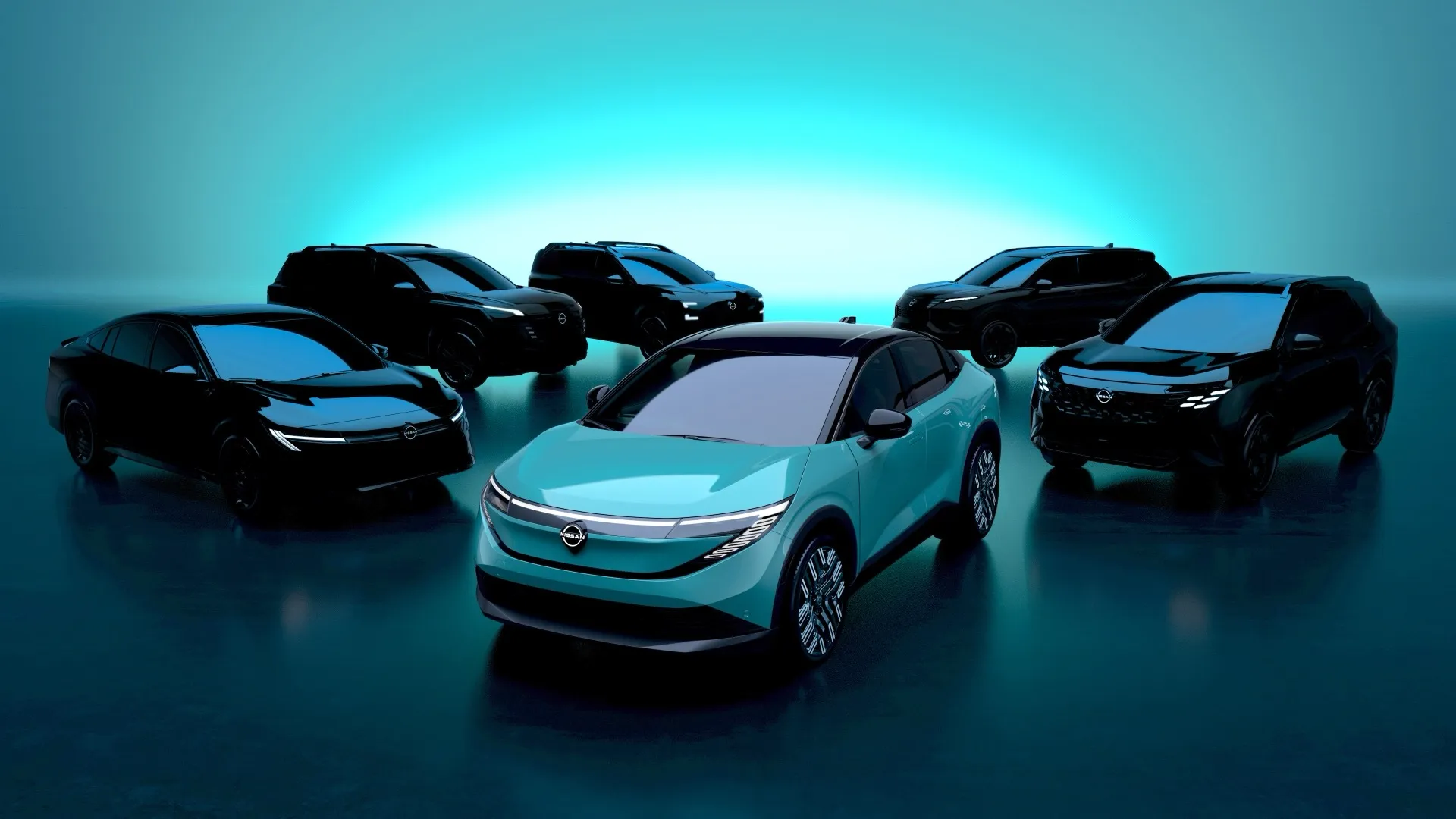
Nissan Motor Corporation has unveiled a comprehensive roadmap for its North American operations, signaling a robust return to form following several years of financial restructuring and strategic realignment. On Monday, the Japanese automaker announced a series of product launches tailored specifically for the U.S. and Canadian markets, highlighting a renewed commitment to electric vehicles (EVs), plug-in hybrids (PHEVs), and the introduction of its proprietary series-hybrid technology. Central to this announcement is the confirmation that the next-generation Nissan Leaf will debut in North America before any other global market, marking a significant shift in the company’s regional prioritization.
The strategy emerges as Nissan seeks to regain its footing in a rapidly evolving automotive landscape. By leveraging existing partnerships within the Renault-Nissan-Mitsubishi Alliance and integrating advanced thermal management systems into its future EVs, Nissan aims to address previous criticisms while capturing a larger share of the burgeoning sustainable transport sector.
The Evolution of the Nissan Leaf: A Global Pioneer Reimagined
The Nissan Leaf, which first arrived in 2010 as the world’s first mass-market electric vehicle, is poised for a total transformation. Nissan confirmed that the next-generation Leaf will be revealed in full later this year, with a market launch scheduled for fiscal year 2025. This timeline places the vehicle’s arrival in showrooms between late 2025 and March 31, 2026. Notably, the U.S. and Canada will be the first regions to receive the new model, preceding launches in Japan and Europe.
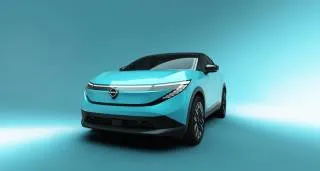
Based on teaser images and internal design directions, the new Leaf will abandon its traditional hatchback silhouette in favor of a more "elevated" crossover profile. This design shift closely aligns with the 2021 Nissan Chill-Out concept, featuring sleek, aerodynamic lines and a higher seating position—a move intended to appeal to the North American preference for SUVs and crossovers.
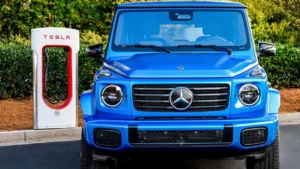
Beyond aesthetics, the next-gen Leaf will undergo significant mechanical upgrades. For the first time, the model will feature a liquid-cooled battery pack. This addresses a long-standing point of contention with the first two generations of the Leaf, which utilized air-cooled batteries that were susceptible to performance degradation in extreme temperatures. By adopting liquid cooling, Nissan expects to offer more competitive charging speeds, better efficiency, and a longer overall battery lifespan. Furthermore, the vehicle will incorporate technology derived from the Nissan Ariya, including the North American Charging Standard (NACS) port, ensuring compatibility with Tesla’s Supercharger network.
Bridging the Gap: The 2026 Rogue PHEV and e-Power Integration
Recognizing that the transition to full electrification is a multi-stage process for many consumers, Nissan is significantly expanding its hybrid offerings. The company’s flagship SUV in North America, the Nissan Rogue, is set to receive two distinct electrified powertrains over the next two fiscal years.
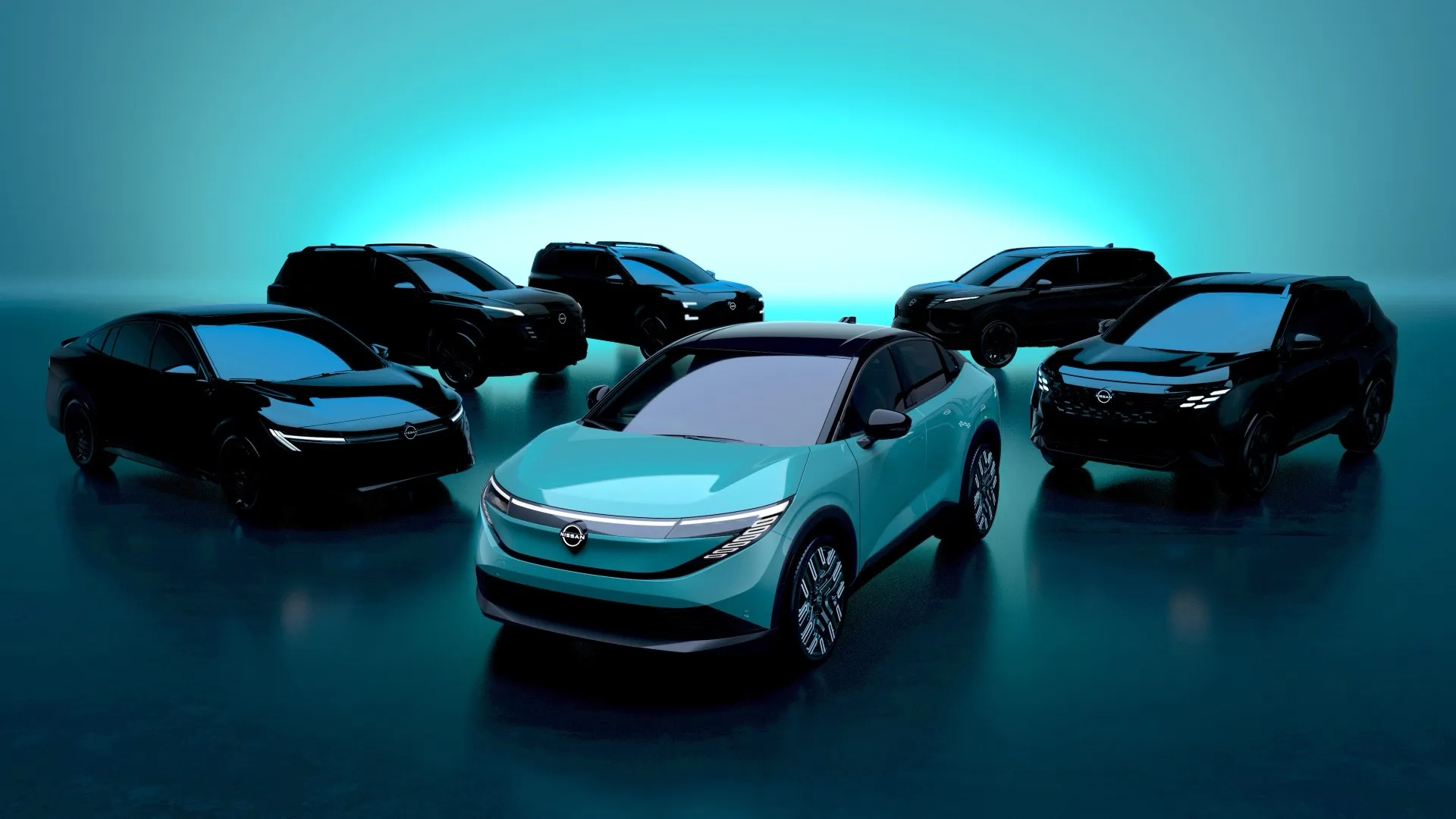
First to arrive will be the 2026 Nissan Rogue Plug-in Hybrid (PHEV), expected to launch by early 2026. This model will utilize a version of the plug-in hybrid system found in the Mitsubishi Outlander PHEV. This collaboration highlights the technical synergies within the Alliance, allowing Nissan to bring a proven, high-performance PHEV system to market quickly. The Outlander’s system is known for its robust dual-motor setup and respectable all-electric range, which should provide the Rogue with a competitive edge in the compact SUV segment.
Following the PHEV, Nissan will introduce its "e-Power" series hybrid technology to the Rogue lineup in fiscal year 2026. Unlike traditional hybrids where both the internal combustion engine (ICE) and the electric motor can drive the wheels, Nissan’s e-Power system uses the gasoline engine solely as a generator to charge a high-output battery. The wheels are driven exclusively by an electric motor, providing the smooth, instant torque characteristic of an EV without the need for external charging. Nissan executives have indicated that the Rogue e-Power is intended to be a high-volume model rather than a niche offering, targeting the heart of the American family vehicle market.
Chronology of Upcoming Launches
The announced product offensive follows a strict timeline designed to refresh the brand’s core portfolio while scaling up EV production:
- Late 2024: Full reveal of the next-generation Nissan Leaf; update on the 2026 Chevrolet Bolt EV competitor.
- Early 2025 – March 2026 (FY2025): Market launch of the next-gen Leaf in the U.S. and Canada; arrival of the 2026 Nissan Rogue PHEV; launch of the next-generation Sentra and a refreshed Pathfinder.
- April 2026 – March 2027 (FY2026): Introduction of the all-new Rogue generation, featuring both e-Power hybrid technology and continued PHEV availability.
- Early 2028: Start of production for a new "adventure-focused" electric SUV at Nissan’s Canton, Mississippi, assembly plant.
- Late 2028: Launch of a new Infiniti electric SUV, drawing design inspiration from the Vision QXe concept.
Strengthening the U.S. Manufacturing Footprint
A critical component of Nissan’s strategy is the localization of its supply chain and assembly. The company’s Canton, Mississippi, plant is slated to become a primary hub for EV production in North America. By manufacturing the upcoming "adventure-focused" SUV and the Infiniti EV domestically, Nissan positions itself to potentially qualify for federal EV tax credits under the Inflation Reduction Act (IRA), which requires a certain percentage of components and final assembly to occur in North America.
The Canton facility is currently undergoing a $500 million transformation to support the production of two all-new electric models. This investment is part of Nissan’s "Ambition 2030" vision, which aims for a 40% EV sales mix in the U.S. by the end of the decade.
Competitive Landscape and Market Positioning
Nissan’s timing for the next-gen Leaf is strategically aligned with the relaunch of the Chevrolet Bolt EV. General Motors has confirmed that the 2026 Bolt will utilize Lithium Iron Phosphate (LFP) batteries to maintain its status as one of the most affordable EVs in the United States. Nissan appears ready to challenge this by positioning the Leaf as a stylish, technologically superior alternative that retains an accessible price point.
The inclusion of the NACS port is a tactical move to eliminate "range anxiety" and charging infrastructure concerns, which remain primary barriers to EV adoption. By joining the industry-wide shift toward the Tesla-developed standard, Nissan ensures that its customers will have access to the most reliable and widespread charging network in North America.
Infiniti’s Electric Future: "Artistry in Motion"
The luxury arm of Nissan, Infiniti, is also undergoing a radical transformation. The brand recently debuted its "Artistry in Motion" design language, characterized by fluid lines and minimalist aesthetics. The upcoming Infiniti electric SUV, scheduled for a late 2028 release, will be heavily influenced by the Vision QXe concept.
While previous reports suggested that the first Infiniti EV would be a sleek sedan, the latest updates indicate a shift toward an SUV-first approach for the electric era. This reflects the broader market trend where luxury consumers are increasingly gravitating toward high-riding, versatile vehicles. The Infiniti EV will likely share a platform with Nissan’s Canton-built electric SUV but will offer premium materials, advanced autonomous driving features, and higher performance metrics to compete with rivals like Lexus, Cadillac, and Audi.
Broader Impact and Industry Implications
Nissan’s aggressive product roadmap serves as a clear signal to investors and consumers that the company is moving past its period of "financial upheaval." By focusing on North America as a lead market for the Leaf and introducing e-Power technology, Nissan is attempting to bridge the gap between traditional combustion engines and a fully electric future.
Industry analysts suggest that the success of this plan hinges on execution and pricing. The Rogue is Nissan’s best-selling vehicle in the U.S.; successfully electrifying this model could significantly boost Nissan’s corporate average fuel economy (CAFE) ratings and appeal to environmentally conscious buyers who are not yet ready to commit to a full EV.
Furthermore, the decision to reveal the Leaf this year and launch it shortly after demonstrates a sense of urgency. As competitors like Hyundai and Kia continue to gain market share with their E-GMP platform vehicles (such as the Ioniq 5 and EV6), Nissan must prove that its pioneer status in the EV space still holds value through innovation and reliability.
In summary, Nissan’s Monday announcement represents more than just a list of new models; it is a comprehensive reset of the brand’s North American identity. With a mix of affordable EVs, versatile hybrids, and localized manufacturing, Nissan is positioning itself to be a central player in the next chapter of the American automotive story.